Backup Generator Repair and Home Backup Planning
Backup generator repair may be needed when the generator fails to start, shuts down unexpectedly, produces unusual sounds or odors, shows fluid leaks, provides unstable power, or displays warning indicators. Center Electric Service checks the generator, transfer equipment, connections, grounding, and related electrical protection to identify the repair or planning need.
Get a Free EstimateWhat Are the Signs a Backup Generator May Need Repair?
A backup generator may need repair when it fails to start, stops unexpectedly, produces unusual sounds or odors, leaks fluid, shows warning indicators, or supplies unstable electrical power. We inspect the generator and connected equipment to identify whether the issue involves the engine, fuel, controls, or home wiring.
The Generator Fails to Start or Starts Unreliably
A starter battery, fuel supply, engine controls, or automatic start system can prevent a generator from starting. You can check that the controls are set correctly and that the fuel supply appears available.
We test the starter battery and review the fuel system, control signals, and automatic start operation. Our team uses the results to separate a starting fault from a wider electrical problem.
The Generator Shuts Down, Runs Roughly, or Makes Unusual Sounds
Rough engine operation, an unusual noise, or an unexpected shutdown can point to a cooling, lubrication, or control problem. The generator control panel may also record a fault code that helps explain the shutdown.
We inspect engine operation and review the cooling system, lubrication system, and control panel. We repair the identified fault when the generator system and connected electrical equipment are safe to service.
The Generator Leaks, Smells Unusual, or Shows a Warning Indicator
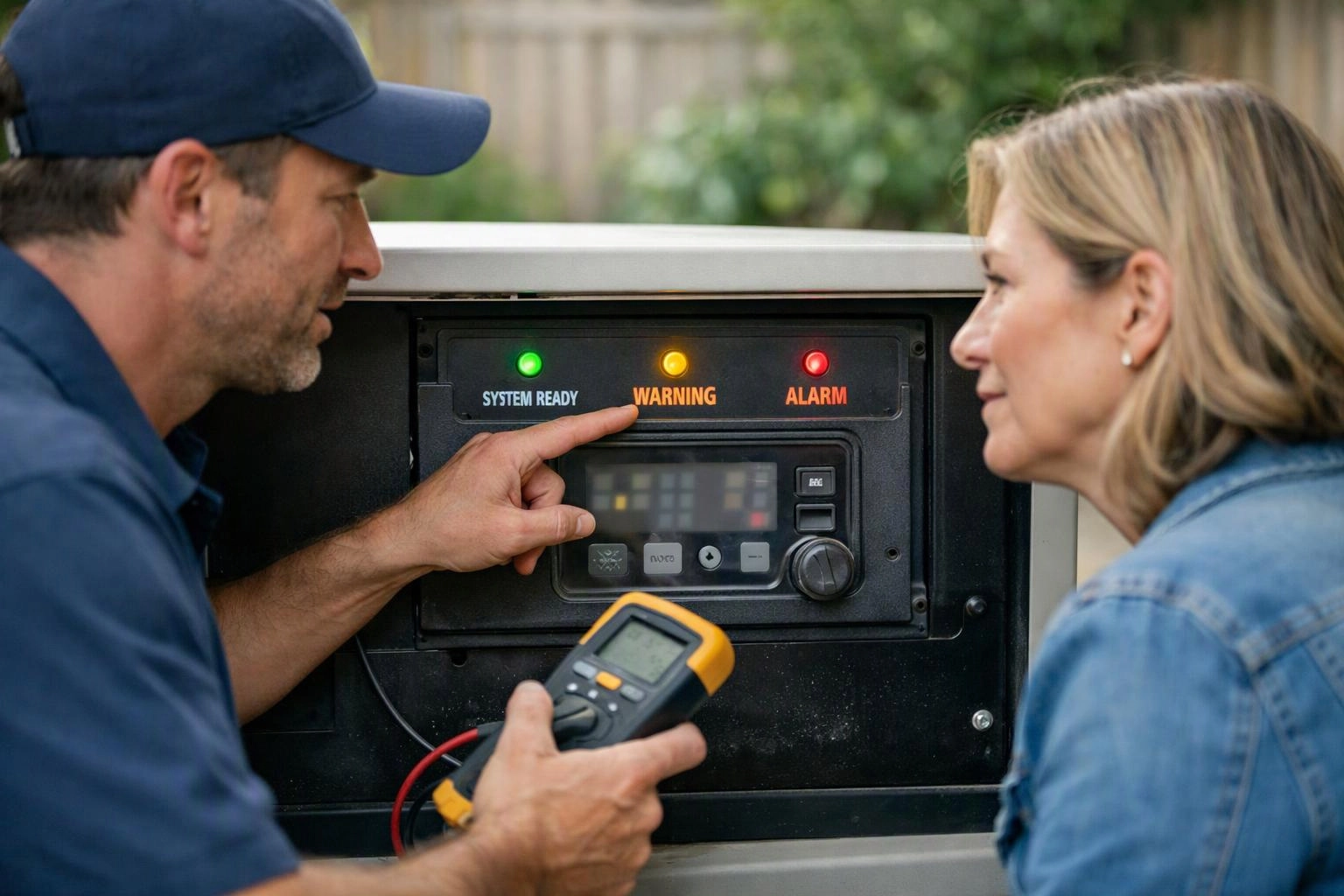
A fuel system problem, engine oil leak, coolant leak, or exhaust system issue can create an unsafe condition. A warning indicator or fault code can also signal a control or operating problem.
We identify the source of the fluid leak or odor and assess the warning information before recommending generator repair. You should not remove safety covers or operate the unit when smoke or strong exhaust is present.
The Home Loses Power or Receives Unstable Generator Power
Unstable electrical output can result from voltage regulation, a circuit breaker, an automatic transfer switch, or the home electrical panel. A generator that runs does not always mean that the home is receiving usable power.
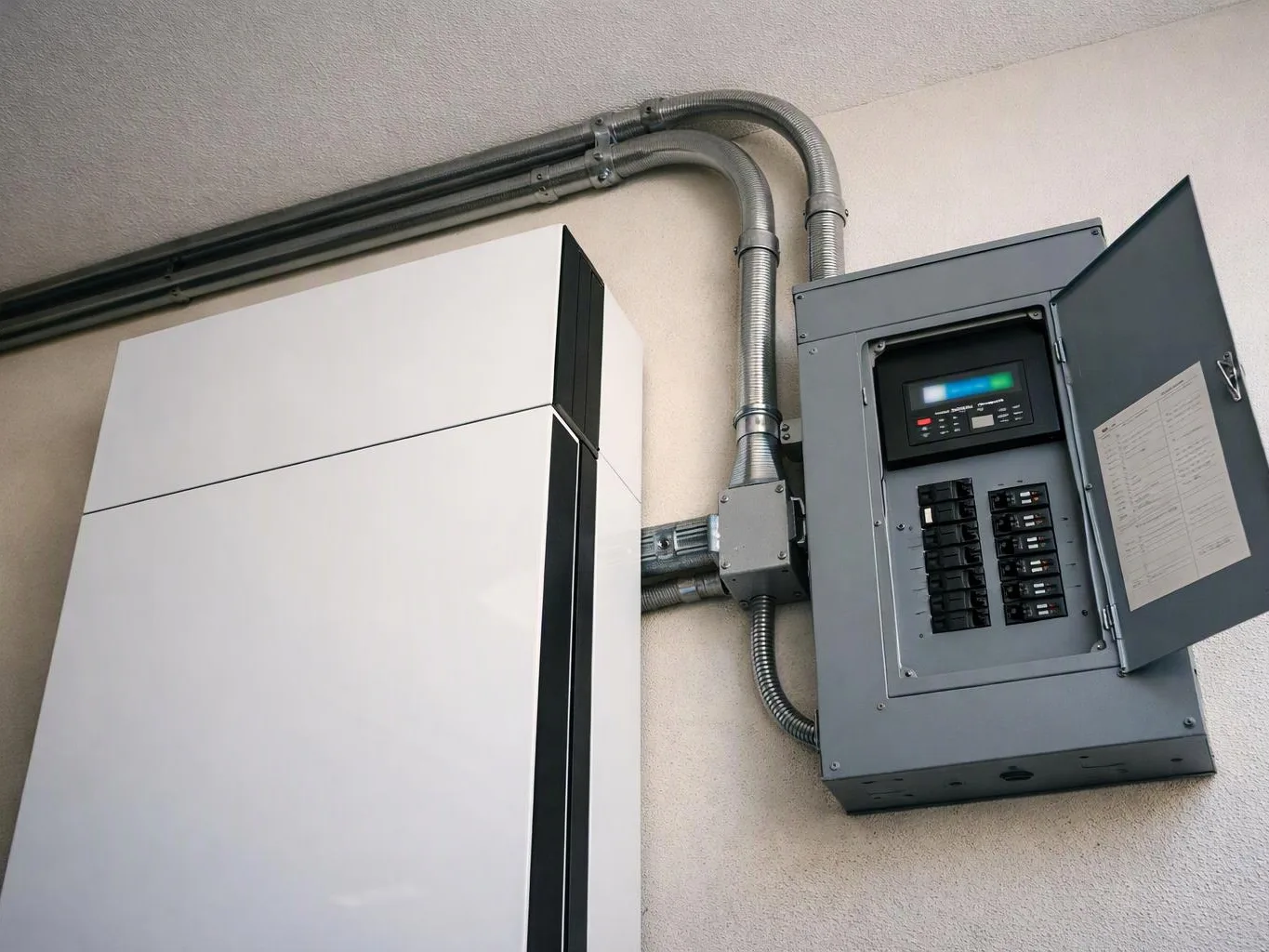
We test the electrical output and inspect the transfer switch, circuit breakers, panel connections, and wiring. Our electrical diagnosis shows whether the problem begins at the generator or in the home backup system.
What Can You Check Yourself and What Should We Check?
You can make safe visual checks and review the generator's controls, while Center Electric Service checks electrical operation, transfer equipment, wiring, and repair conditions. Do not open energized equipment or work on fuel and electrical connections.
A safe visual inspection can reveal a simple control setting or an obvious condition that needs attention. The table shows where homeowner checks end and our testing begins.
| Factor | What you can do yourself | What we do |
|---|---|---|
| Generator controls | Review visible settings and warning messages. | Test control operation and interpret fault information. |
| Fuel supply | Look for an obvious interruption or visible leak without touching connections. | Inspect fuel-related operation and repair conditions safely. |
| Battery connections | Look for visible corrosion or damage with the system off. | Test the starter battery and its electrical connections. |
| Electrical testing | Do not test energized panels or transfer equipment. | Check output, wiring, the automatic transfer switch, and the home electrical panel. |
How Should a Home Backup Plan Include Surge Protection?
A home backup plan should consider whole house surge protector installation because generator and utility power transitions can make electrical protection part of the broader backup system. Surge protection can help reduce damaging voltage spikes reaching sensitive electronics.
We review the service panel, backup generator connections, and electrical load before recommending surge protection. Our team can explain whether Whole House Surge Protector Installation fits the home's backup power design.
Why Does Electrical Grounding Matter for Home Backup Power?
Electrical grounding matters because a correctly connected grounding system helps provide a path for fault current and supports safer operation of the home backup electrical system. The grounding electrode system, grounding conductor, bonding, and generator frame must work together.
We inspect grounding connections and bonding points as part of the backup power assessment. Our team checks whether the grounding path supports the generator and the home's electrical equipment during a fault.
How We Assess a Generator Repair or Backup Planning Need
Center Electric Service assesses the generator and the connected residential electrical system before recommending repair or backup planning work. We explain the findings and prepare a repair estimate based on the conditions we identify.
What Changes the Cost of Generator Repair or Backup Work?
The cost depends on the diagnosed generator fault, required parts, transfer equipment, wiring condition, grounding work, surge protection needs, and installation access. Center Electric Service provides free estimates after reviewing the work.
A repair involving a control issue may require different parts and testing from work involving the automatic transfer switch or electrical wiring. Site access and the condition of the existing grounding system can also change the work required.
We explain which conditions drive the estimate and what the proposed work includes. You can request an exact quote after our team reviews the generator and backup system.
Questions About Backup Generator Repair and Planning
Can a backup generator damage household electronics?
Yes, a backup generator can damage household electronics when electrical output is unstable or a power transition creates a damaging surge. Center Electric Service checks voltage regulation, transfer equipment, grounding, and surge protection as part of the assessment.
What should I do if my generator runs but does not power the house?
A generator that runs without powering the house may have a transfer switch, circuit breaker, wiring, or electrical output problem. Turn off unnecessary loads and contact us for testing instead of opening energized equipment.
Can a generator warning light indicate an electrical problem?
Yes, a generator warning light can indicate an electrical problem, an engine condition, a fuel issue, or a control fault. We review the warning light and fault code with electrical testing to identify the cause.
Does a backup generator need its own grounding connection?
A backup generator needs grounding and bonding that match the equipment and the home's electrical design. We inspect the generator frame, grounding conductor, grounding electrode system, and transfer equipment before deciding what connection work is needed.
When Should You Stop Using a Backup Generator?
Stop using a backup generator when you notice a fuel leak, smoke, electrical arcing, strong exhaust odor, or a severe abnormal sound, and contact Center Electric Service for an inspection. A generator shutdown can also signal a condition that needs attention before the system operates again.
Move away from strong exhaust odors and avoid touching damaged wiring or leaking components. We inspect the equipment and connected electrical system to determine whether generator repair or broader home backup planning is needed.
Contact us through Generator Repair service information to arrange an assessment. Our team explains the findings and the next steps for safer backup power.