What safety issues can result from an incorrect breaker replacement?
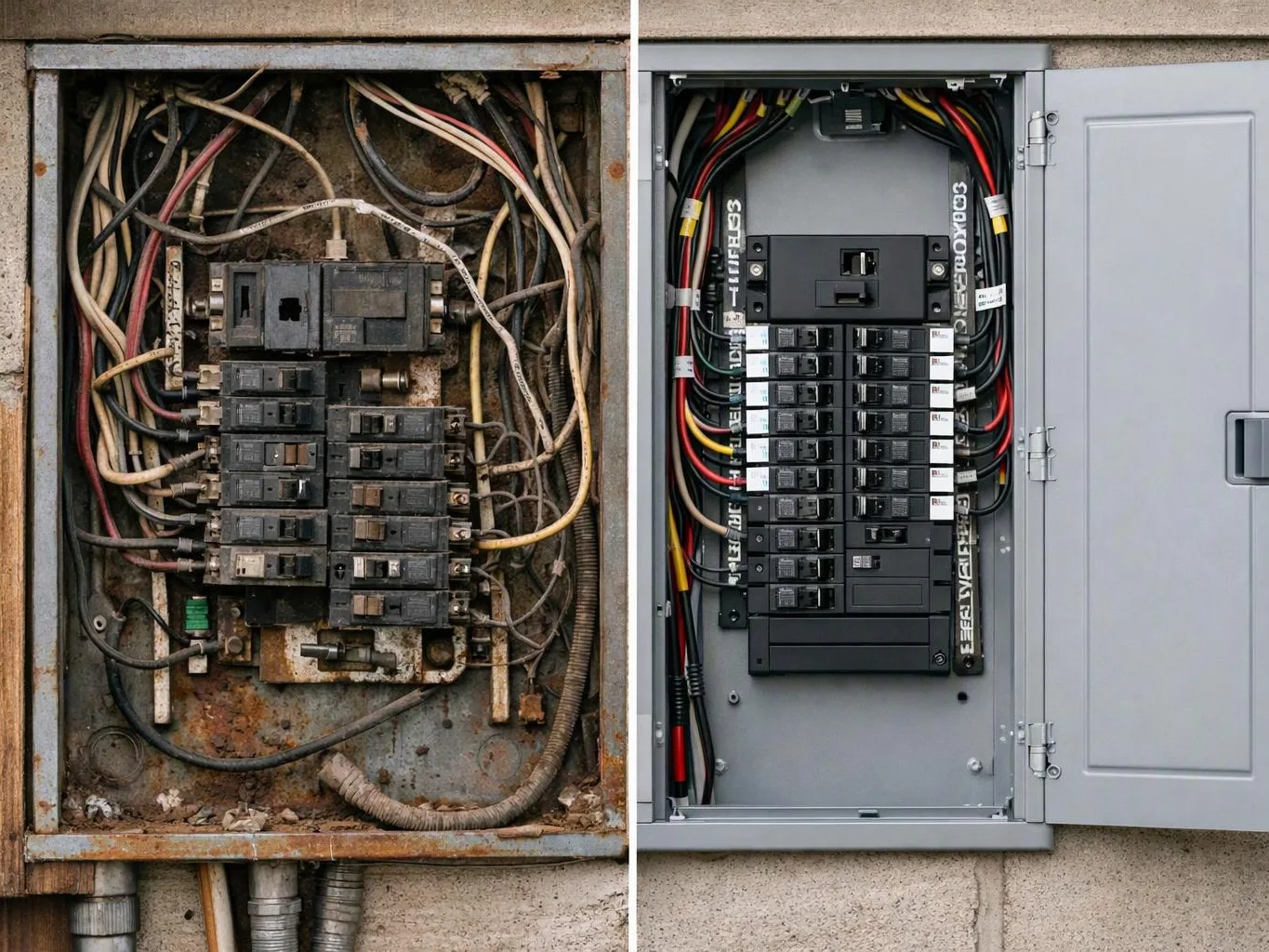
Nuisance tripping can continue after an incorrect replacement, and the circuit may face wire overheating, arc faults, panel damage, or fire risk. Center Electric Service checks the panel, circuit load, conductor connections, and breaker fit before installation. We test the circuit afterward and explain any condition that needs more work.
What does the crew look at first during breaker replacement?
The electrical panel and reported breaker receive the first inspection. We look for heat marks, buzzing, loose terminals, damaged insulation, and signs of arcing. Circuit tracing then shows what the breaker supplies, which helps us assess the cause before replacing a part.
How does circuit tracing affect the replacement decision?
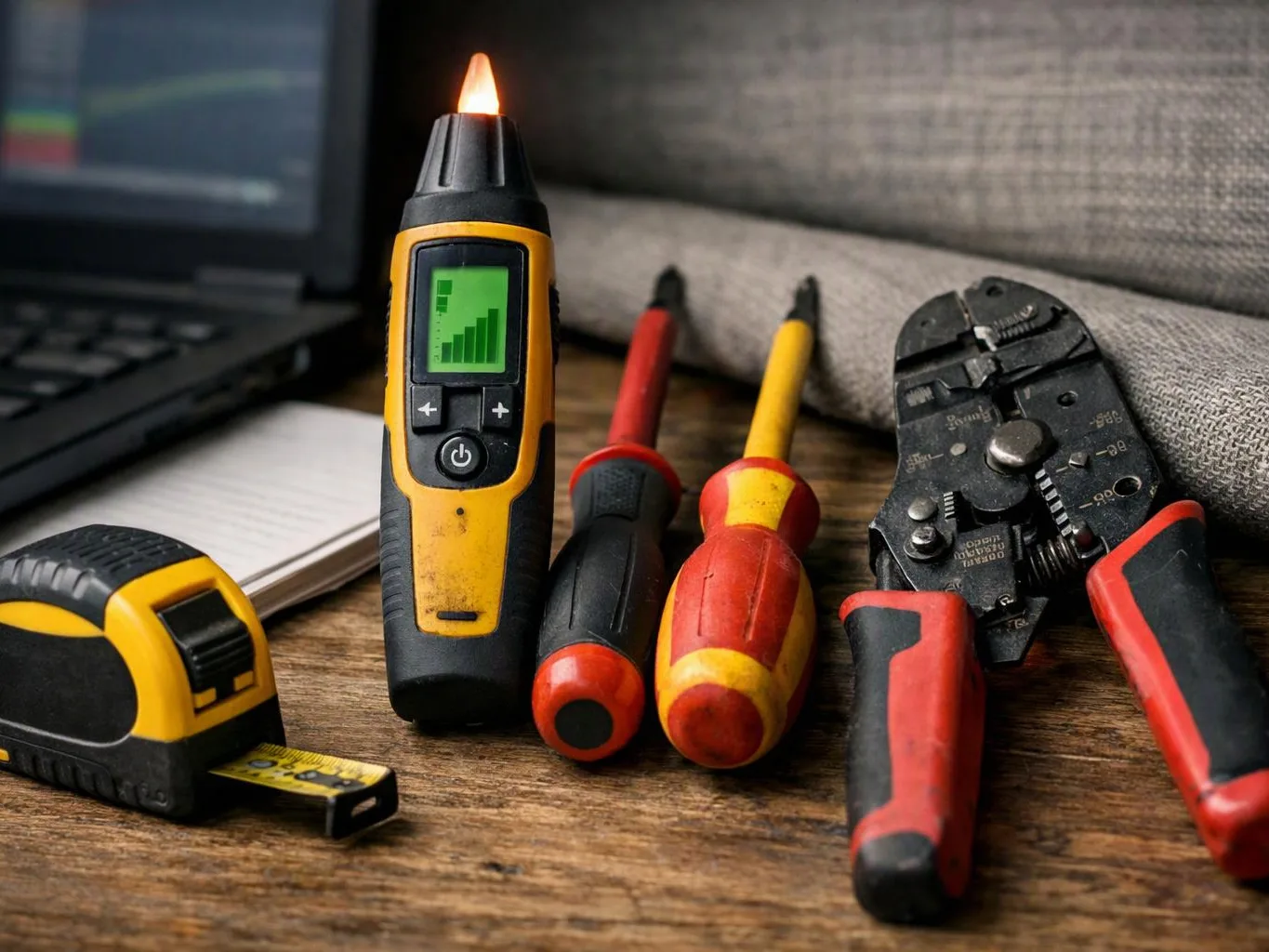
Circuit tracing shows which outlets, lights, and equipment connect to the breaker. That information helps separate a faulty breaker from an overloaded circuit or damaged wiring. We use the result to define the repair and identify any connected load that needs attention.
Which part of the job changes the estimate?
The panel condition, breaker type, circuit access, wiring damage, and related repairs change the estimate. A simple breaker issue has a different scope from work involving a panel upgrade, rewiring, grounding correction, or damaged conductors. We review those conditions before providing a quote.
When should a customer stop resetting a tripped breaker?
A customer should stop resetting a breaker when it trips again, smells hot, buzzes, or shows visible damage. Turn off affected equipment and keep away from damaged panel parts. We inspect the circuit and determine whether the breaker, wiring, load, or panel needs repair.
Why might a new breaker trip right away?
A new breaker may trip right away because the circuit still has an overload, short, arc fault, damaged wire, or connected equipment problem. We isolate the circuit and trace the fault before repeated resets create more heat. The replacement itself is not a substitute for diagnosis.
What should be checked before replacement is scheduled?
The panel condition, breaker identification, circuit load, wiring connections, and signs of heat should be checked first. Photos of the panel label and damaged area can help with an initial discussion, but we inspect the installation before setting the final work scope.