How do electricians choose the correct replacement breaker?
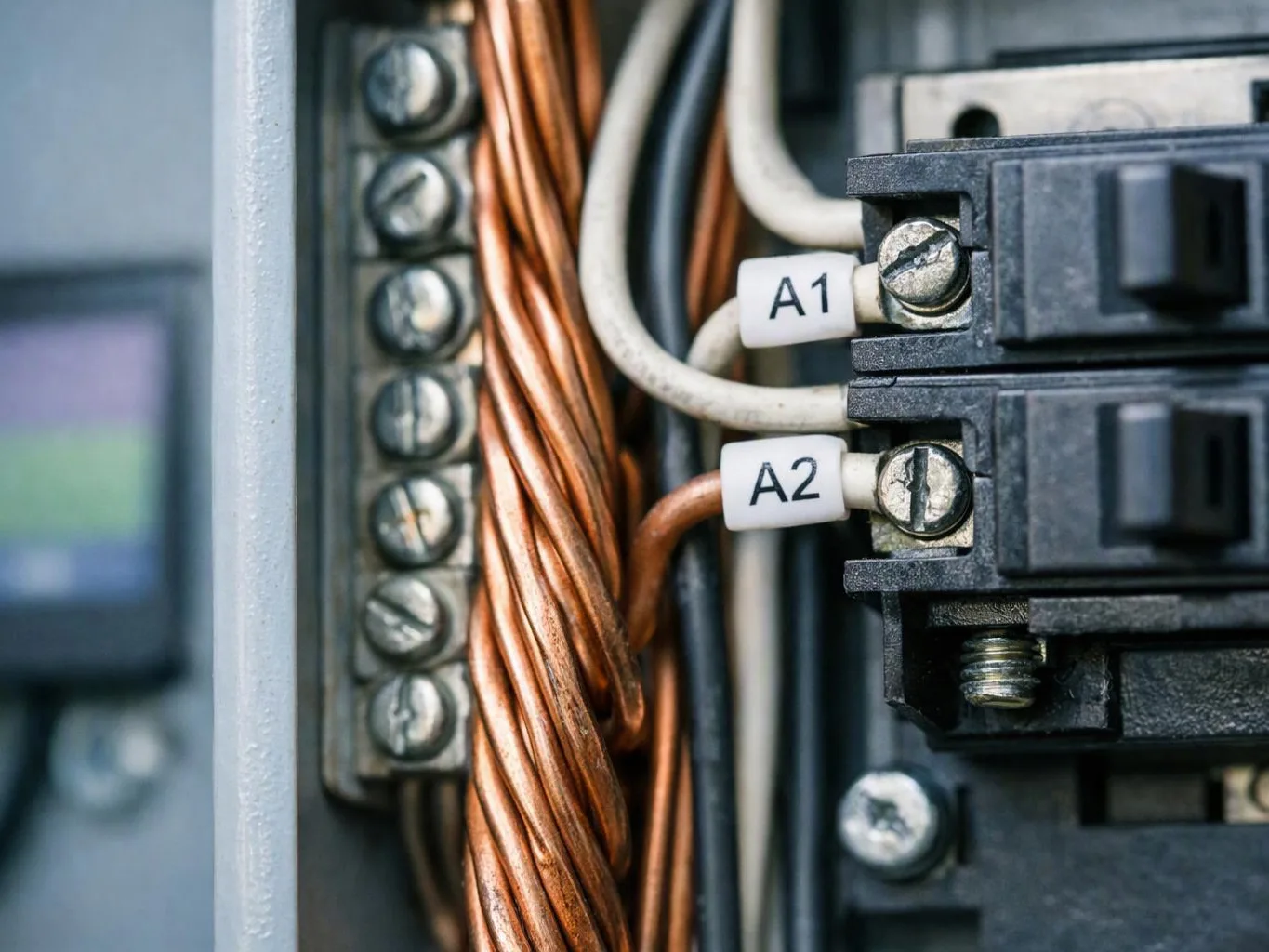
Panel brand determines which breaker family fits the equipment. Center Electric Service checks the panel label, breaker type, amperage rating, wire size, and fault protection before installation. The circuit load and panel condition also matter. A breaker that fits physically may still be wrong for the circuit, so we test the connected wiring before completing the replacement.
What should be checked before breaker replacement is scheduled?
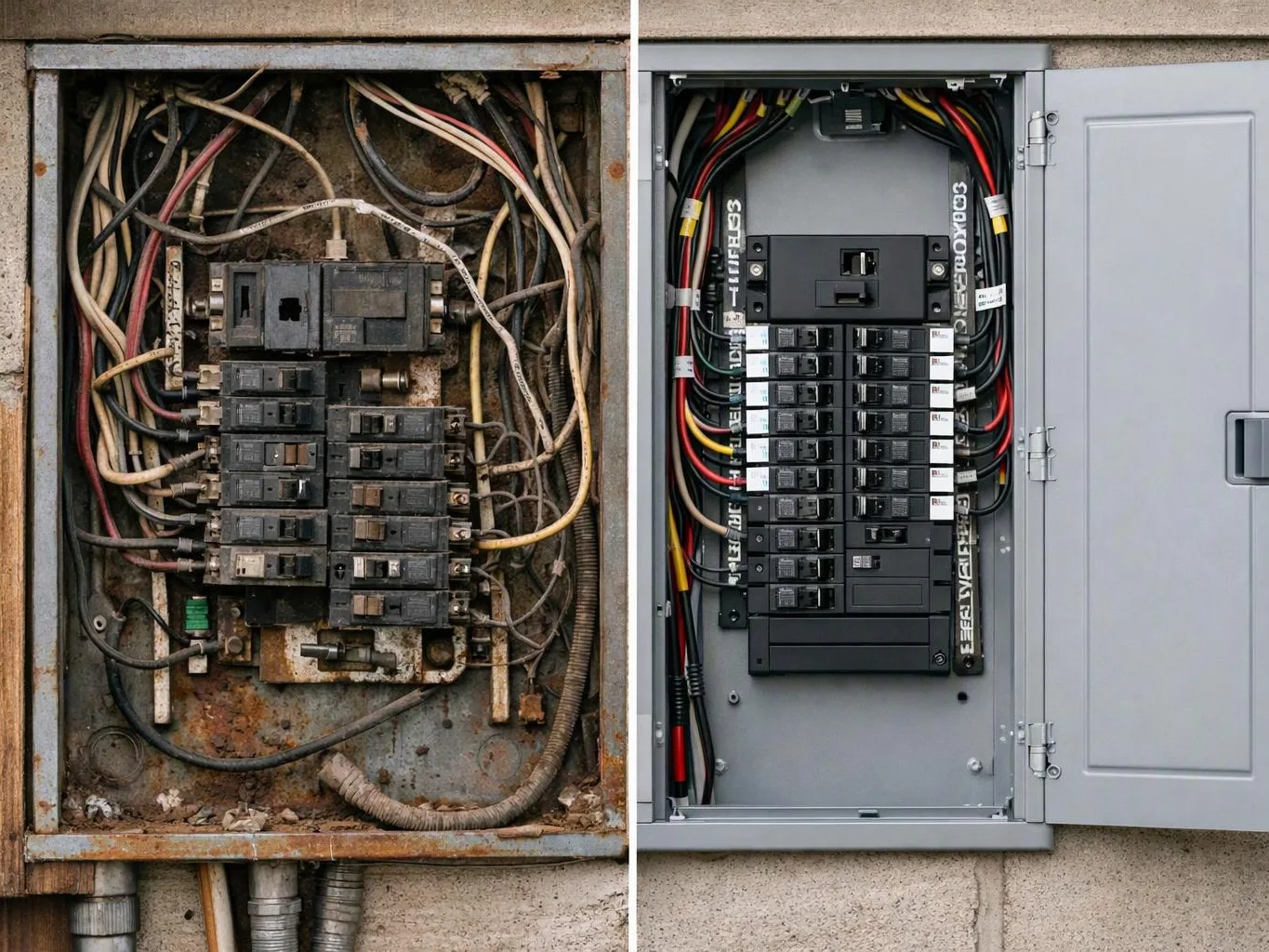
The affected circuit, panel condition, connected load, wiring, and warning signs should be checked first. We review whether the breaker trips under normal use, whether outlets are dead, and whether the panel feels warm or sounds unusual. Photos of the panel label and breaker can help us prepare for the assessment.
Which part of the job changes the estimate?
The panel condition and circuit fault usually shape the estimate most. Breaker type, access, wire repairs, circuit tracing, and related panel work also affect the scope. We provide a free estimate after reviewing the electrical system and explain each recommended repair before work begins.
When does a tripping breaker need urgent attention?
A tripping breaker needs urgent attention when it comes with a burning smell, buzzing panel, smoke, sparking, or heat. Turn off the affected circuit if it is safe and avoid repeated resets. Our 24-hour emergency electrician availability covers urgent electrical calls for homes and businesses.
Why can a new breaker trip after installation?
A new breaker can trip when the circuit has an overload, short circuit, damaged wire, loose connection, or connected equipment fault. We test the circuit instead of treating the breaker as the only cause. Further work may include circuit repair, grounding correction, surge protection, or a panel upgrade.
Who is a good fit for breaker replacement, and who needs different service?
Center Electric Service replaces breakers when the panel and circuit need a correctly matched switching device. A customer with damaged wiring, insufficient panel capacity, repeated overloads, or a failing service entrance may need troubleshooting, rewiring, or a panel upgrade. We identify that distinction during the electrical assessment.
What happens at each stage of breaker replacement?
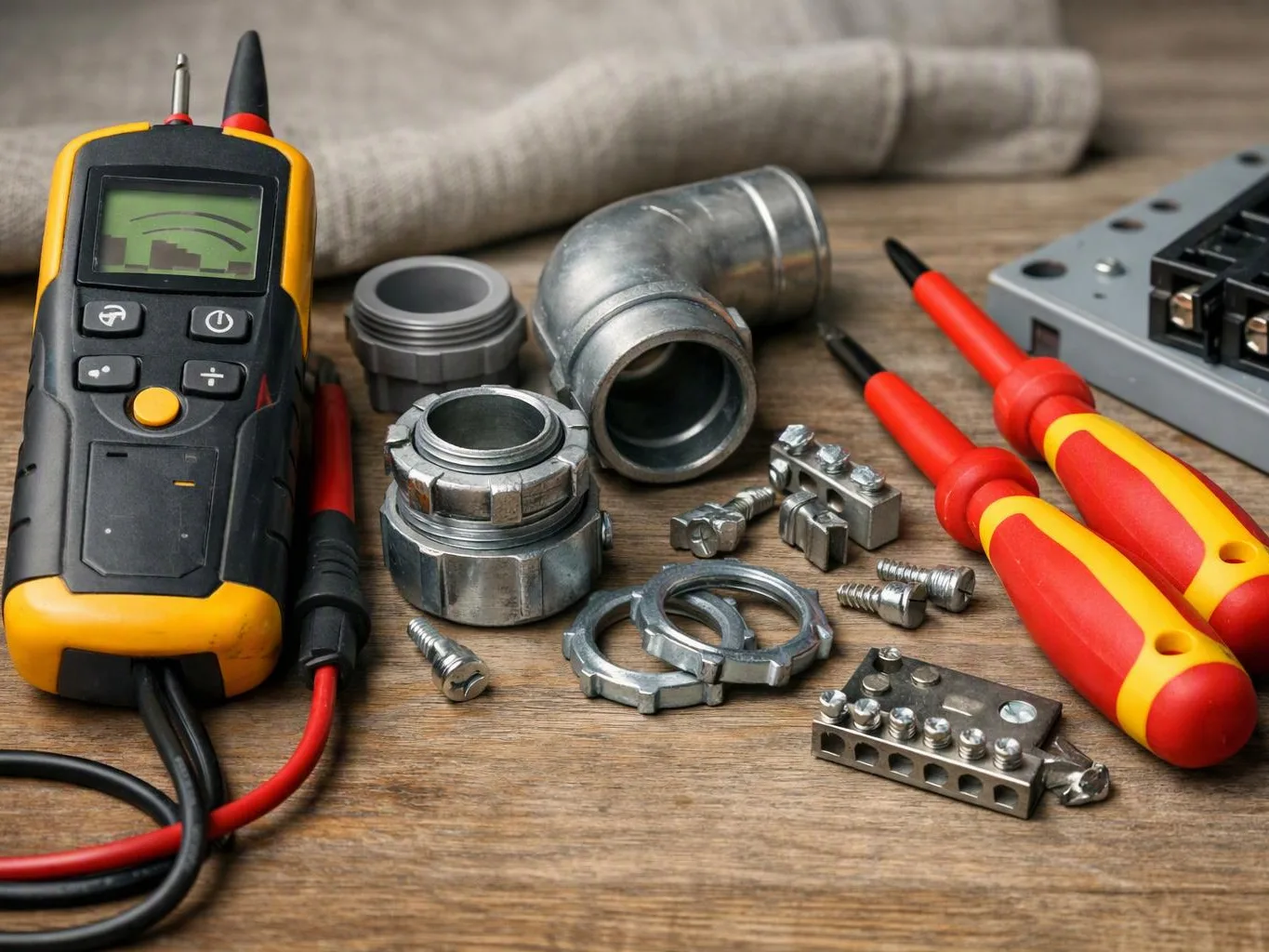
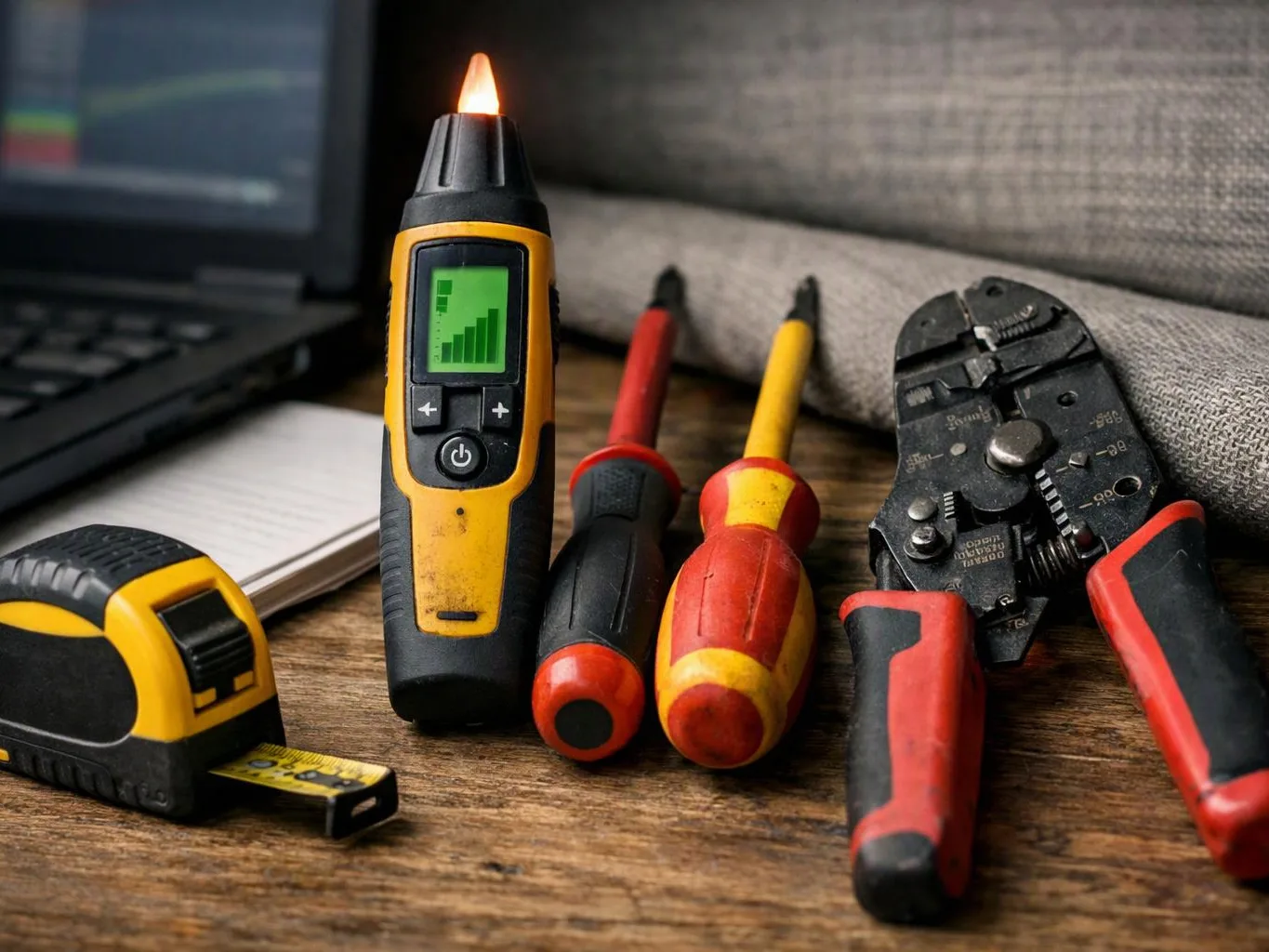
The replacement process includes inspection, circuit tracing, part matching, safe isolation, installation, and testing. We first identify the affected load, then compare the breaker with the panel and wiring. After installation, we test circuit operation and explain any additional repair that the system needs.