Where should an electric vehicle charger be mounted?
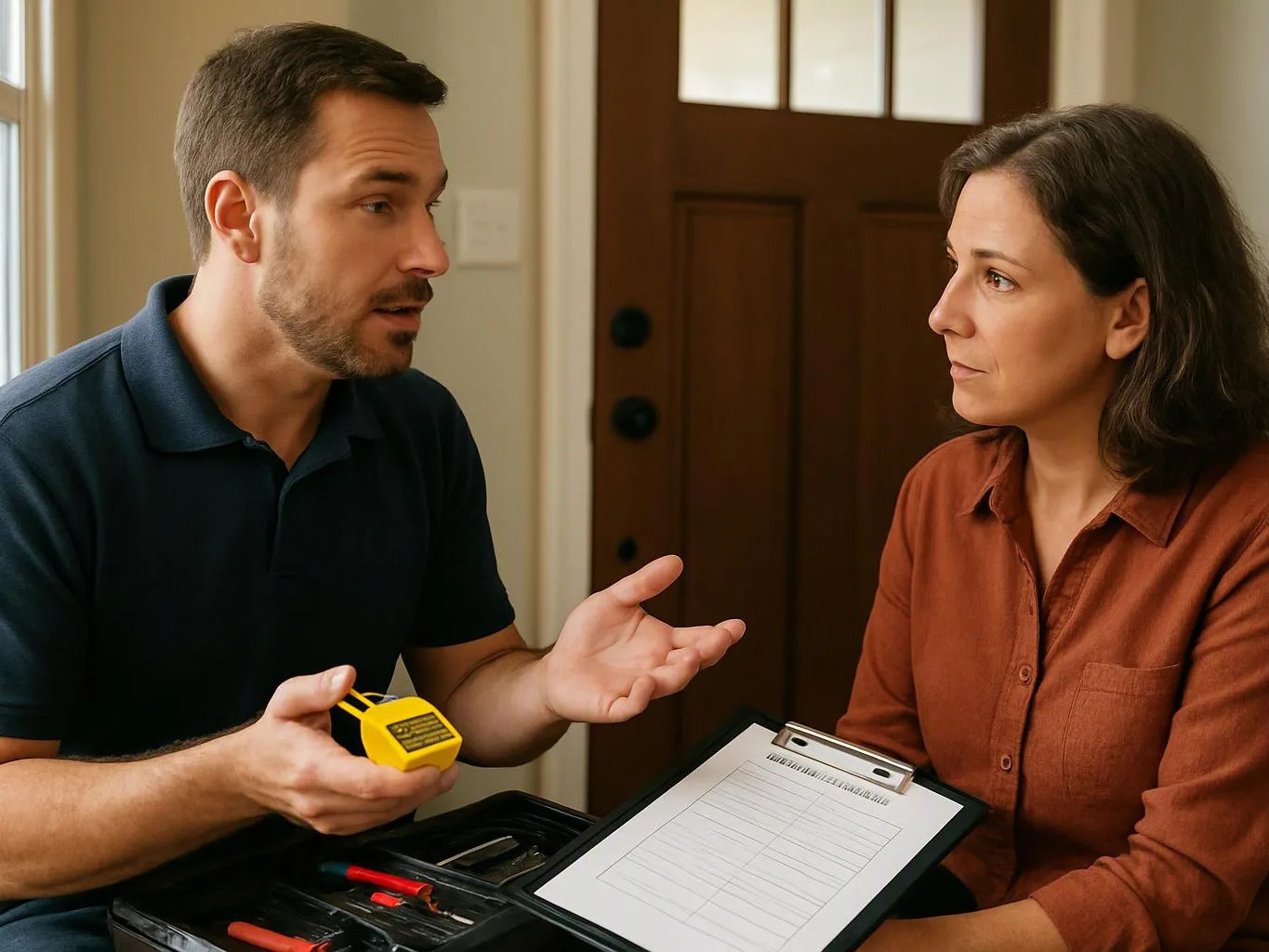
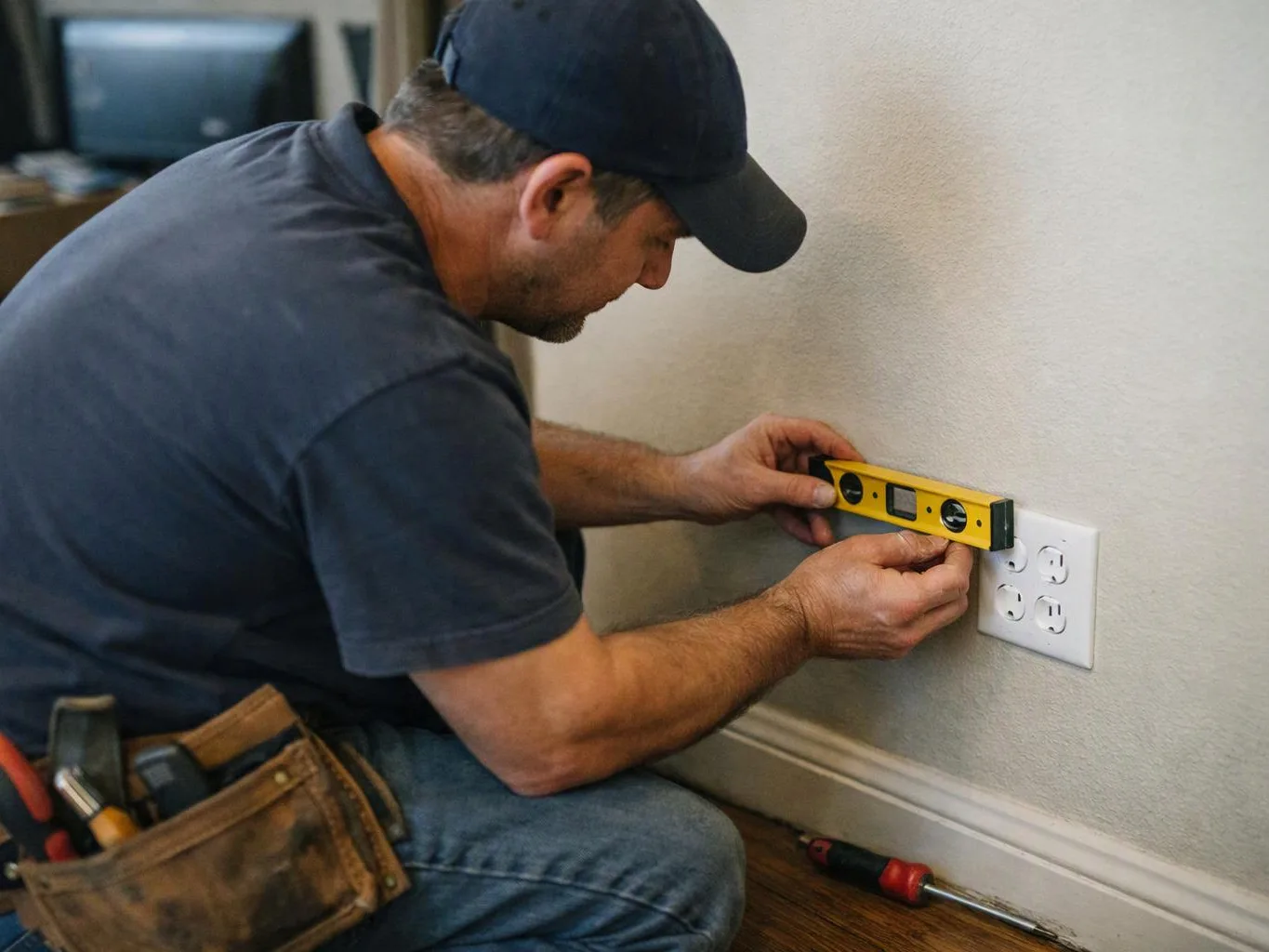
Center Electric Service mounts the charger on a suitable wall structure near the normal parking location. We check support, clearance, cable reach, and access before choosing the position. A charger should not sit where the cable crosses a busy path or pulls sharply toward the vehicle. Customers should show us the usual parking space during the assessment.
What does the crew look at first during charger installation?
The parking location comes first because it controls charger placement and cable reach. We then inspect the mounting surface, electrical panel path, clearance space, and cable route. Customers who provide the charger details and normal parking position help us set a more accurate work scope before installation begins.
What should be checked before installation is scheduled?
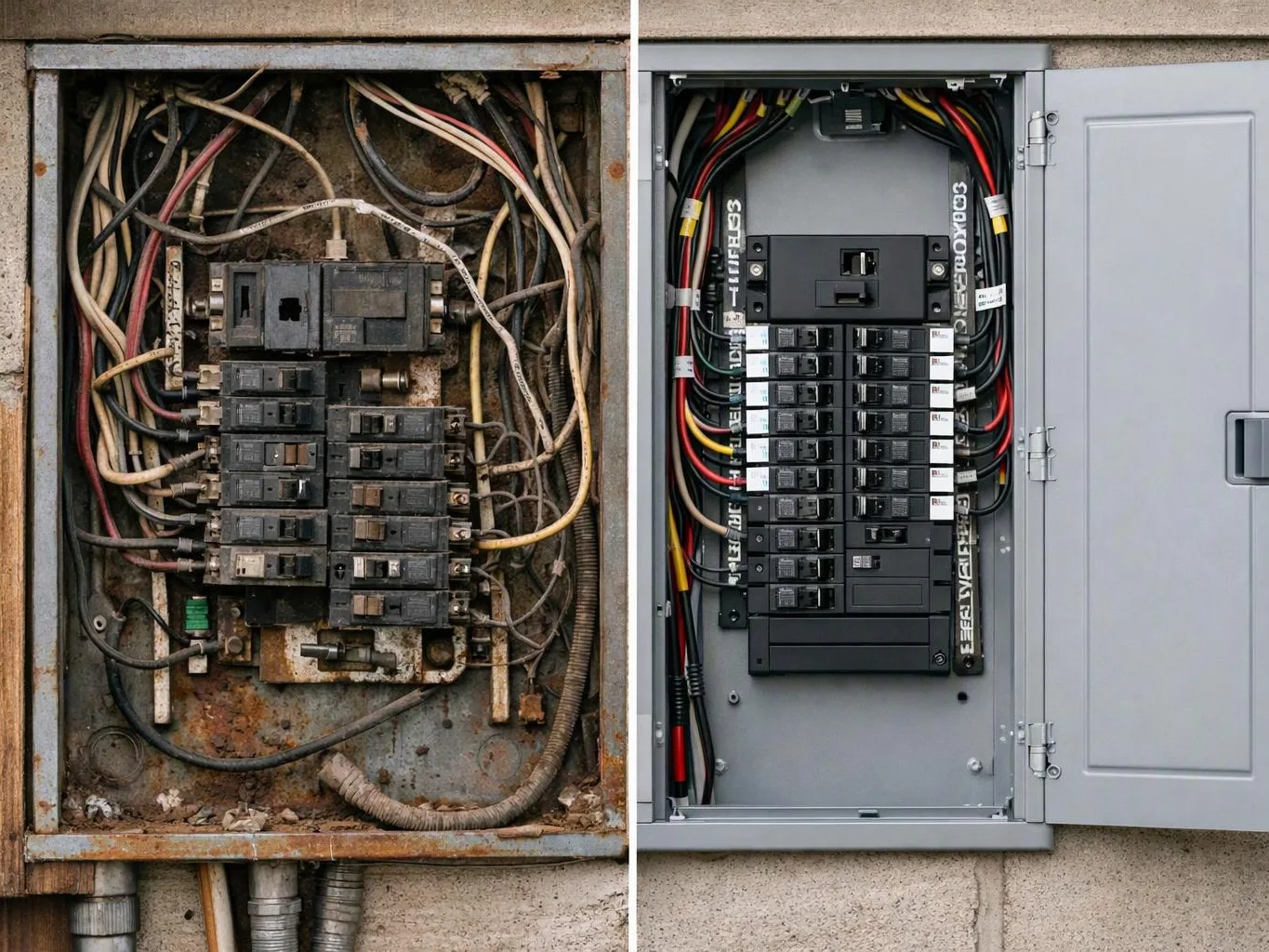
The proposed mounting point, parking space, electrical panel access, and cable route should be checked first. We use those details to review the load, trace the circuit, and identify any wall adjustment. Customers should also note signs of heat, damage, or past electrical repairs near the planned charger location.
Which part of the job changes the quote most?
The electrical route and mounting conditions usually shape the quote because they determine the work needed between the panel and charger. We review cable routing, circuit access, wall support, clearance, and testing. Customers can request a free estimate after we assess the proposed location and property details.
How does cable management affect charger placement?
Cable management affects placement because the cable needs a usable route between the charger and vehicle. We check bends, access paths, clearance, and points where the cable could be pulled or damaged. Customers should describe how people and vehicles move through the parking area before we set the mounting position.
When does a mounting surface need adjustment?
A mounting surface needs adjustment when it cannot support the charger securely or places the unit in a poor position. We inspect the surface, access, clearance, and cable pull before deciding the scope. Customers should report movement, damage, or previous mounting work so we can address the condition before installation.
Why can a charger stop during a charging session?
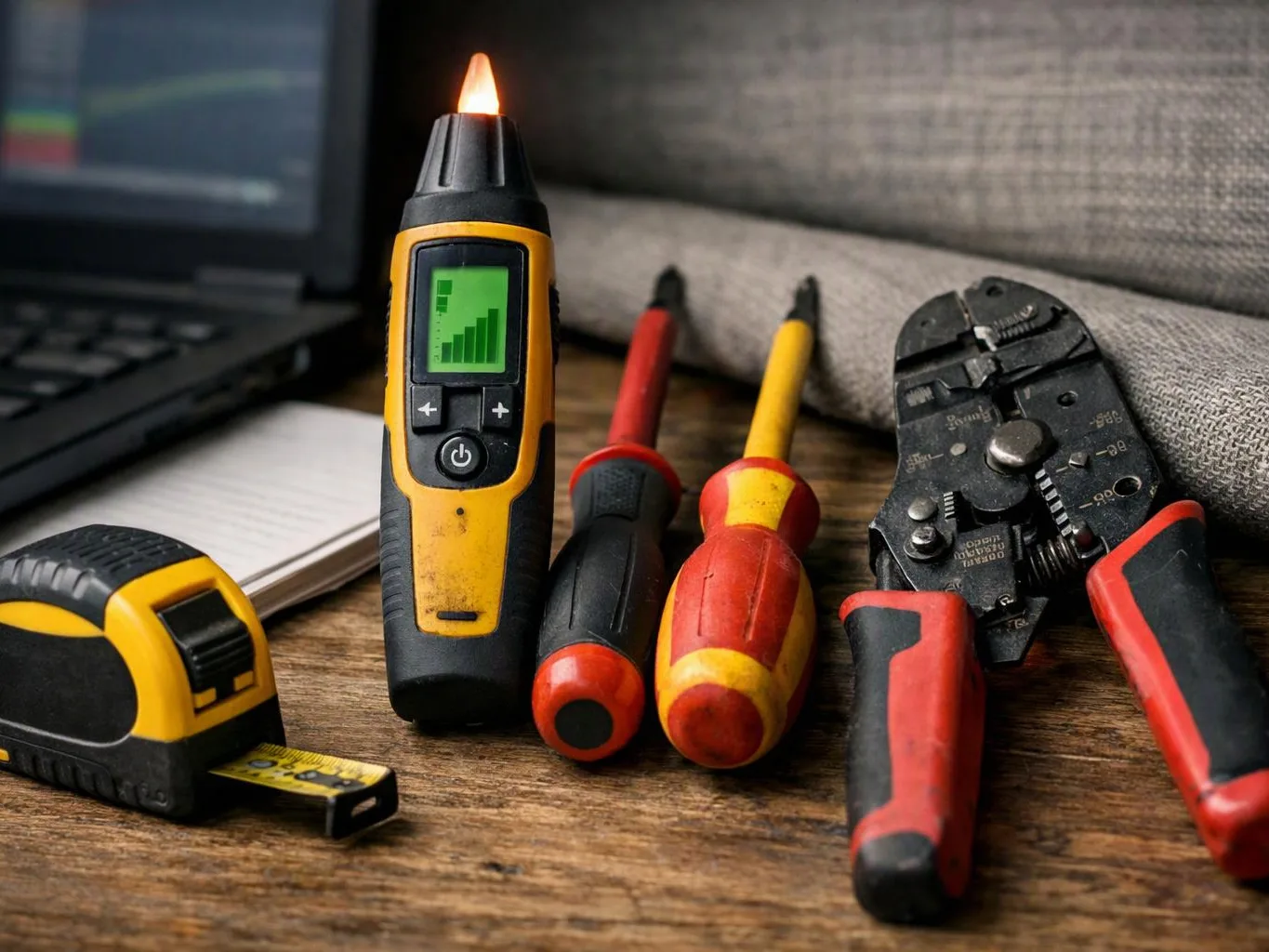
A charging stop can result from a circuit issue, loose connection, load concern, charger fault, or wiring problem. We isolate the concern, trace the circuit, inspect the connection, and test the equipment. Customers should stop use when they notice sparking, heat, or a burning smell.