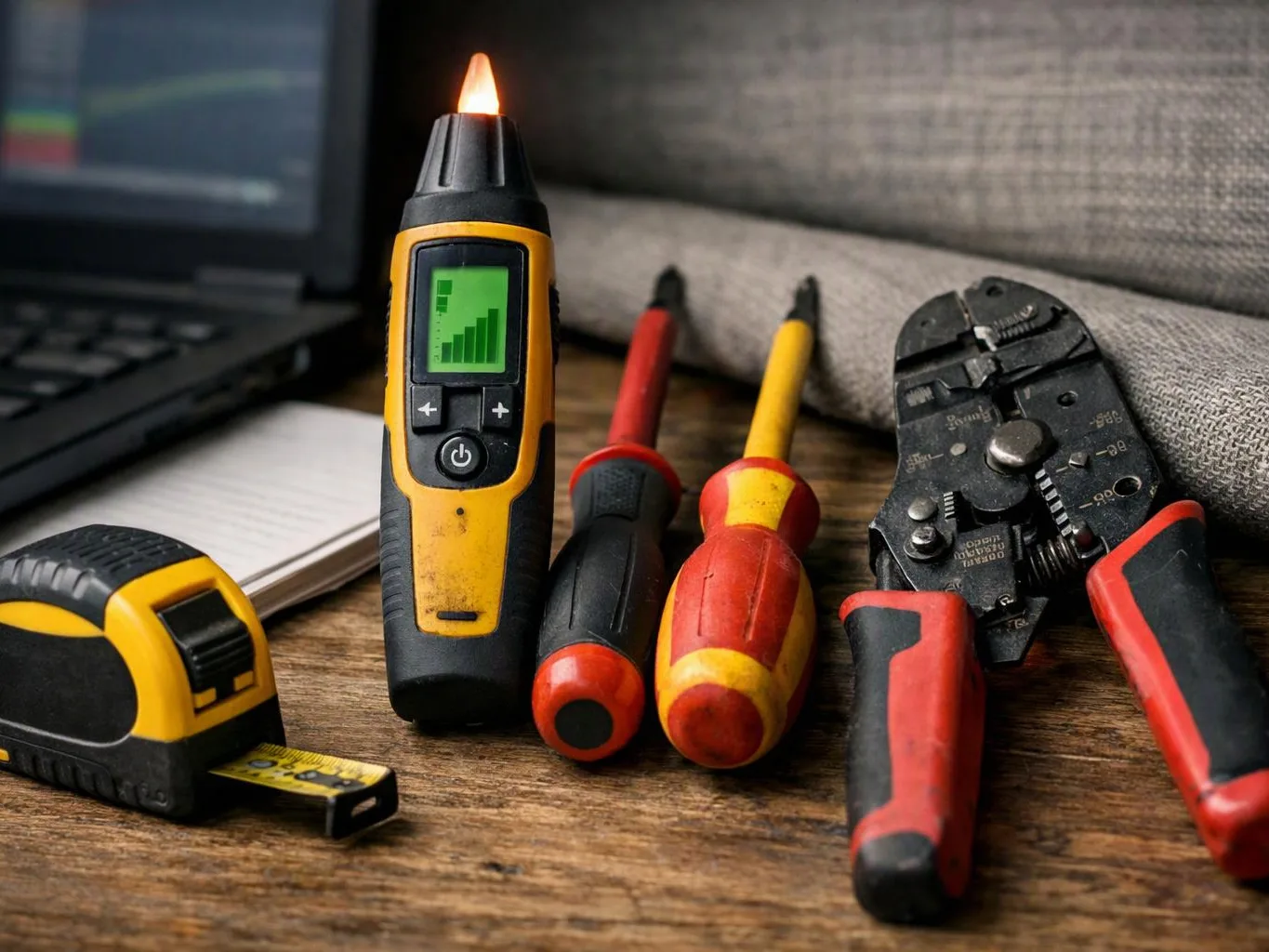
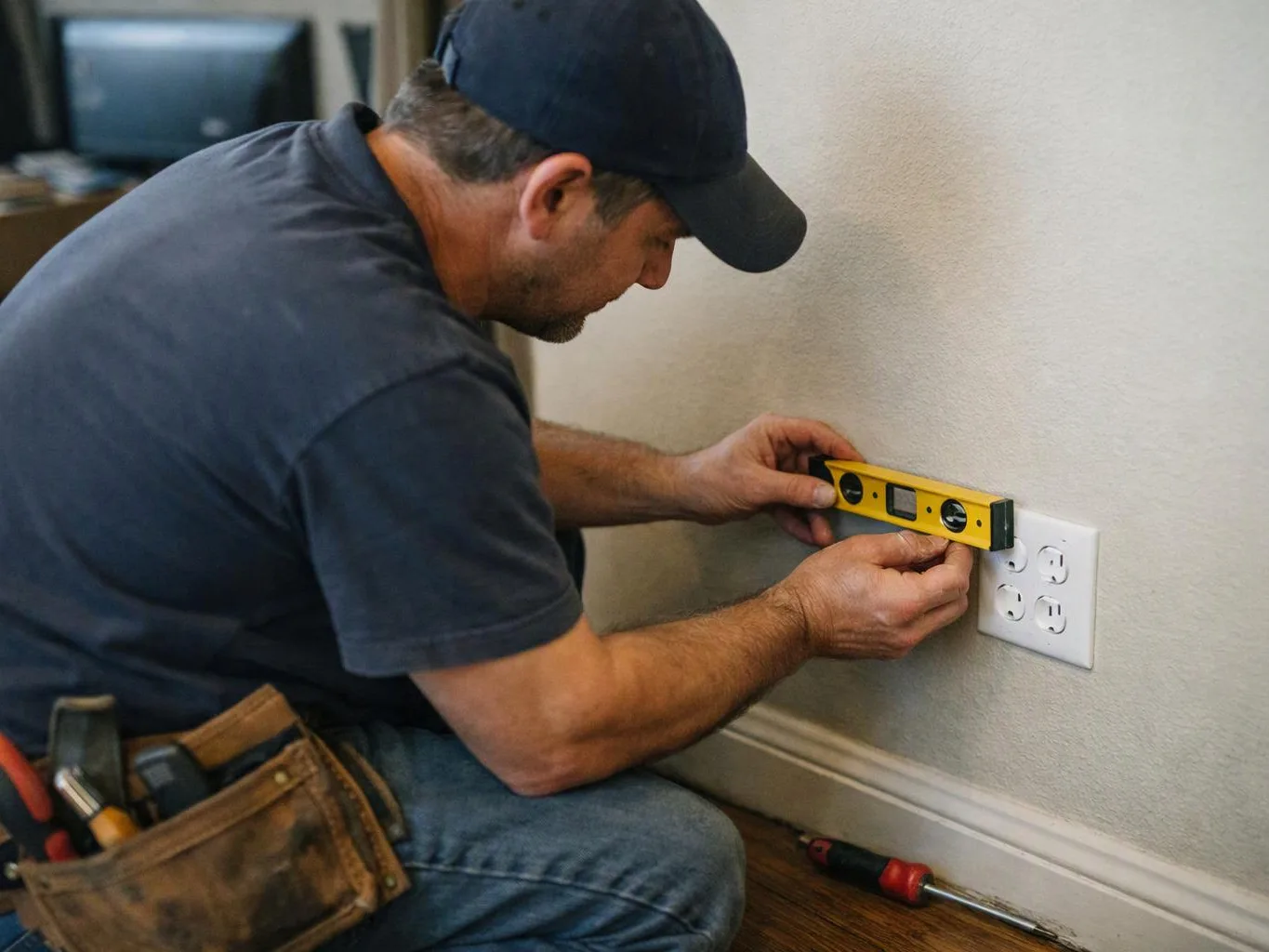
How are outdated electrical installations brought up to code?
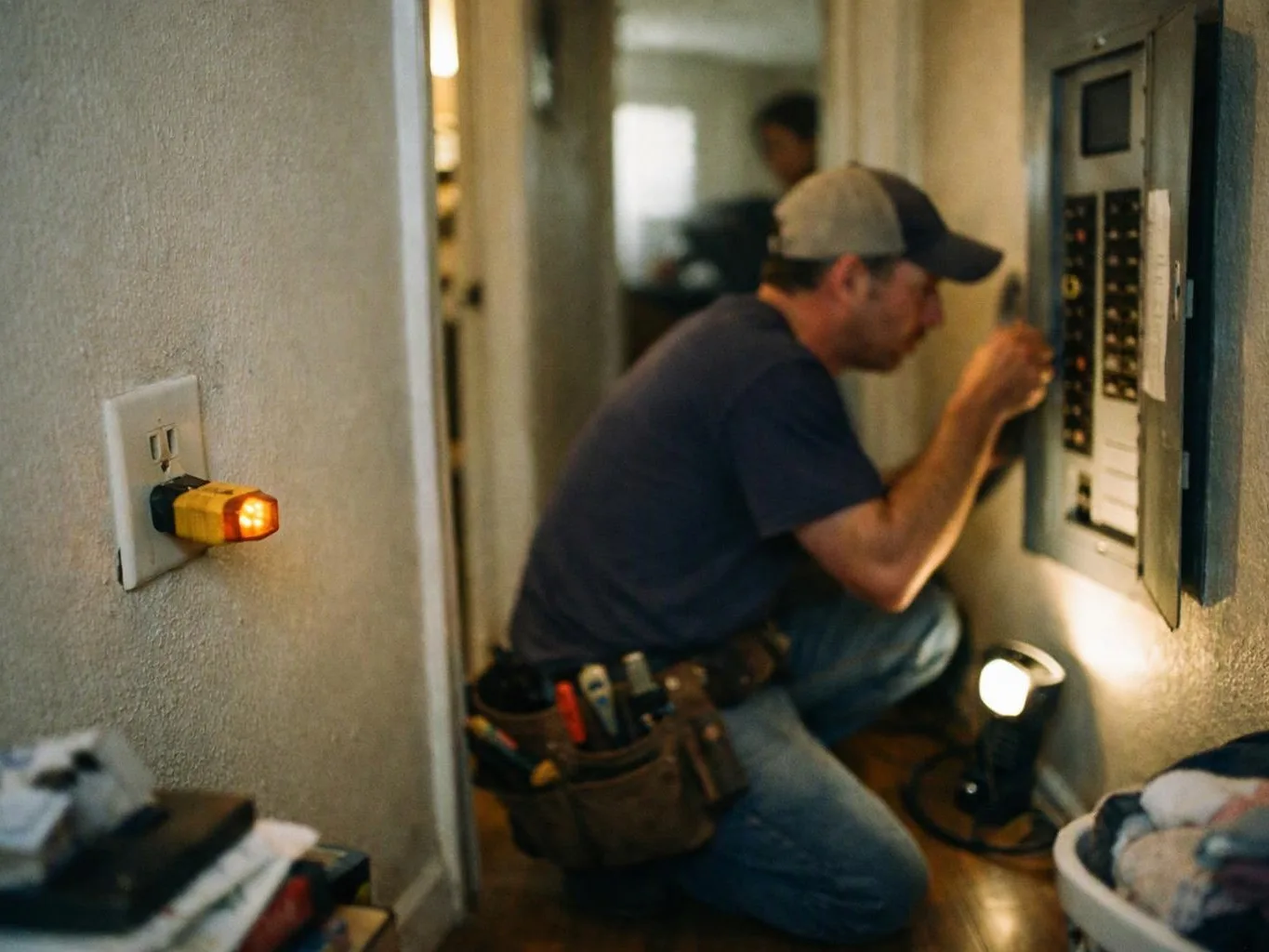
Outlet grounding is checked first, then Center Electric Service traces the circuit and corrects the related installation.
- We inspect the outlet, box, wiring, and panel connection.
- We replace damaged wire or upgrade the box when needed.
- We separate circuits or install conduit when the layout requires it.
- We test the corrected circuit before reviewing next steps.
What does the first correction visit check?
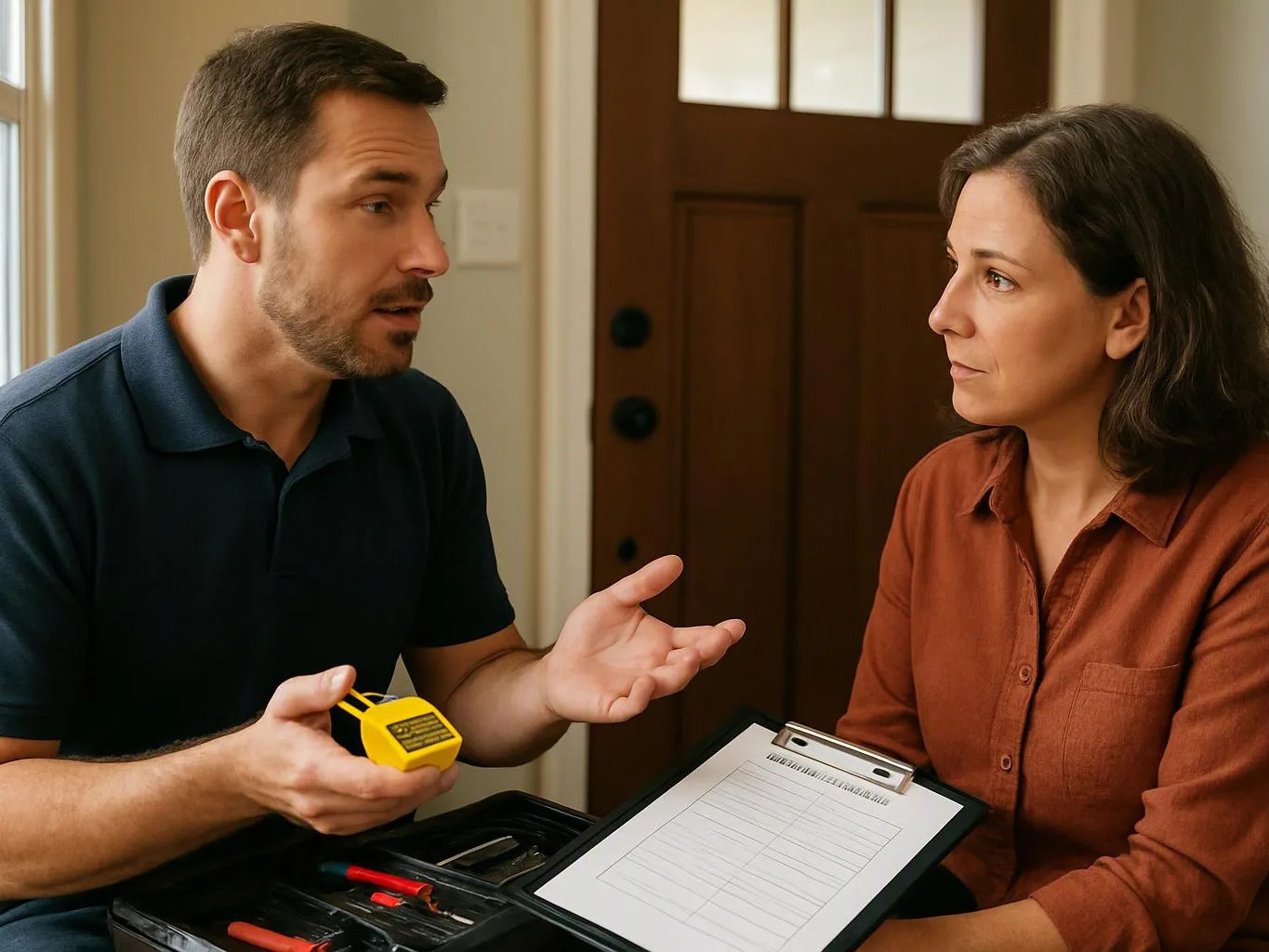
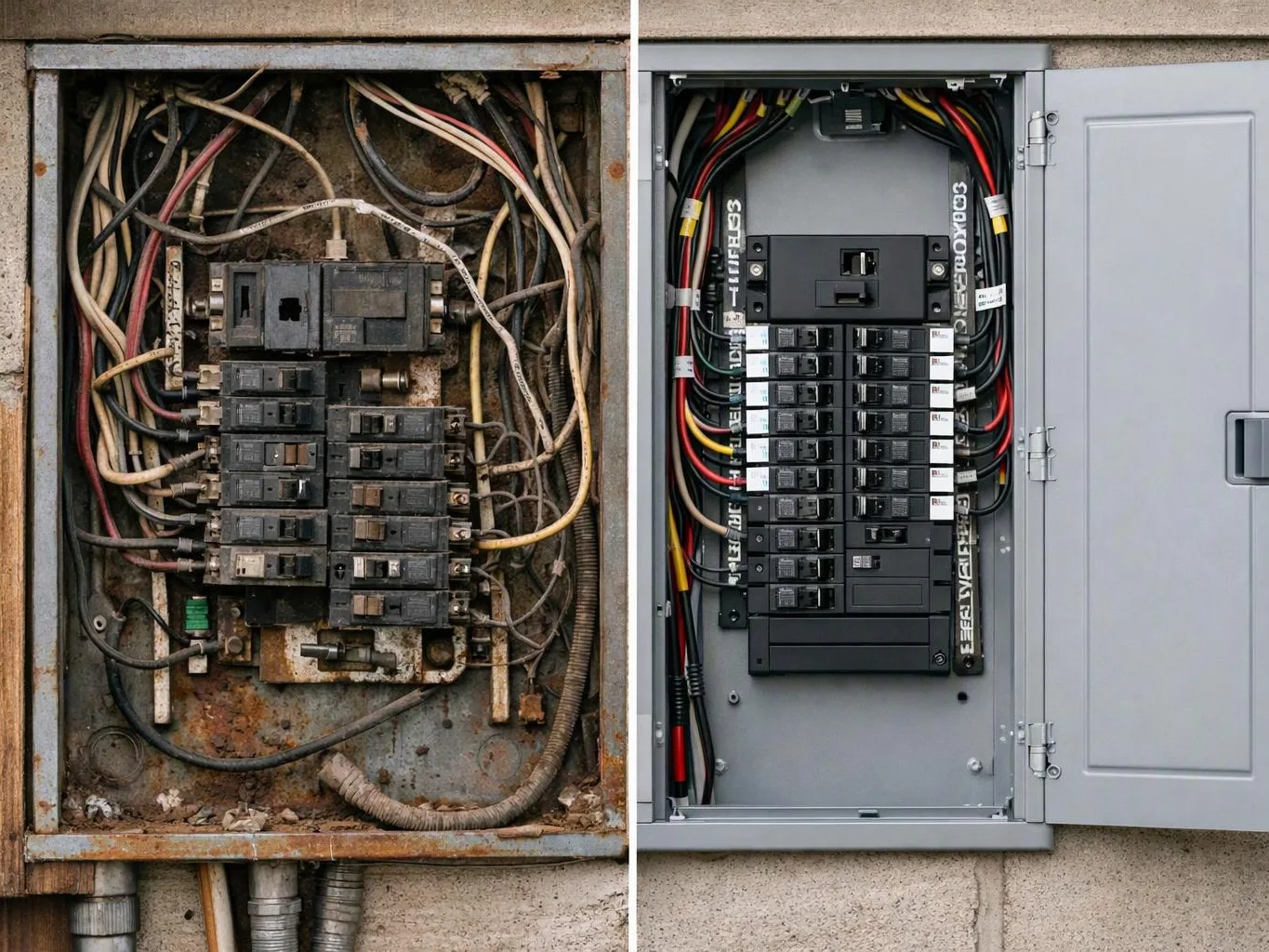
The first inspection checks the visible device, electrical box, circuit path, and accessible panel connection. We look for loose connections, damaged conductors, missing grounding, heat marks, and circuit overload signs. The findings help us set a focused repair scope. A broader panel upgrade or rewiring project is discussed separately when the existing installation needs more than a correction.
Which part of the property decides the repair scope?
The affected circuit decides the repair scope because its wiring, boxes, devices, and load determine the needed correction. A single damaged box may need a focused repair. A circuit with poor grounding, worn wire, or unsuitable shared loads may need wire replacement, circuit separation, or conduit. We trace the path before recommending the work.
When does an outlet problem need more than a new device?
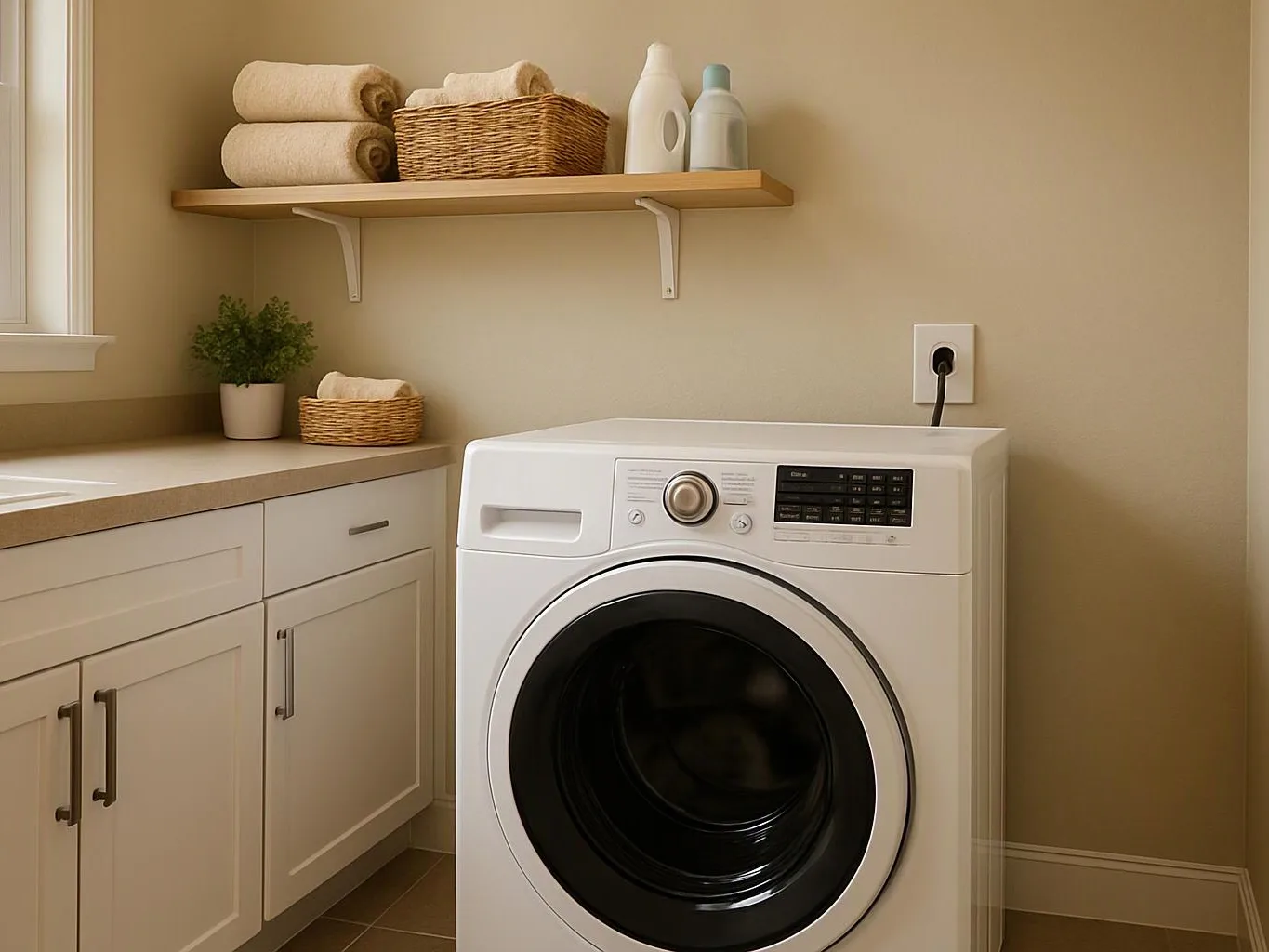
An outlet problem needs more than a device replacement when the circuit lacks grounding or shows wiring, box, heat, or load concerns. We inspect the connections behind the outlet and trace the circuit to the panel. A new receptacle cannot correct a damaged conductor or unsuitable circuit layout by itself. We repair the related installation when testing finds those conditions.
Why does a breaker keep tripping after an outlet replacement?
A breaker can keep tripping when the circuit has damaged wiring, excessive load, a poor connection, or a fault beyond the replaced outlet. We test the circuit and trace connected devices to locate the cause. The correction may involve wire replacement, circuit separation, or a box repair. Repeated resets should stop until the circuit receives a proper inspection.
How can a property owner tell if this correction service fits?
Electrical code correction fits when an existing installation has unsafe, outdated, damaged, or unsuitable parts that need repair. Common signs include dead outlets, warm switch plates, flickering lights, sparking outlets, or ungrounded receptacles. We inspect the affected circuit and explain the scope. A new installation, full remodel, or service entrance upgrade requires a different project plan.
What should a business prepare before electrical correction work?
A business should identify affected equipment, keep access open to the panel and devices, and note when the problem occurs. Photos of damaged outlets, warm plates, or tripped breakers can help us understand the request. We then inspect the circuit and plan access around business operations. Urgent hazards should stay out of use until we assess them.