What types of outlets are available for installation?
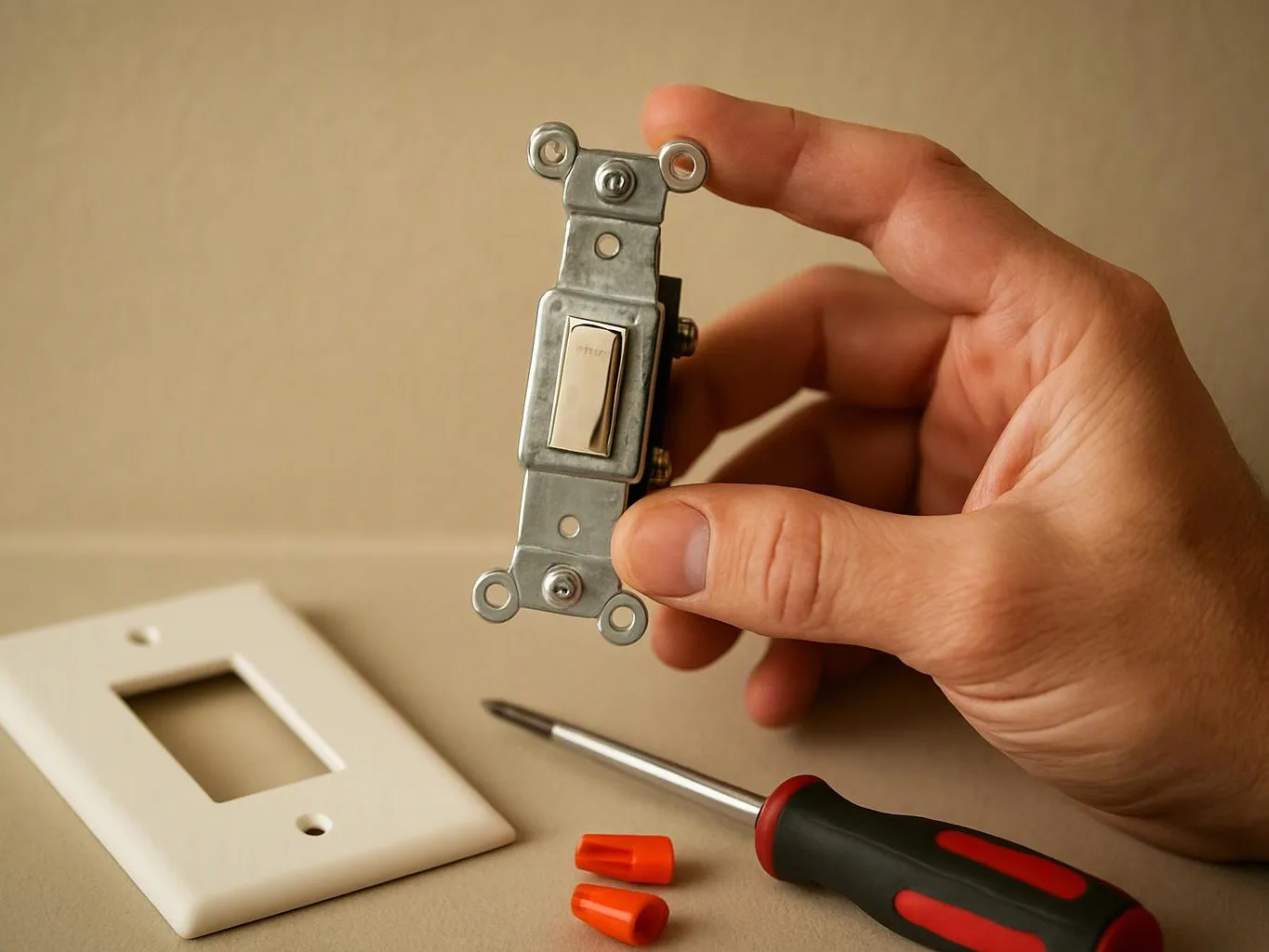
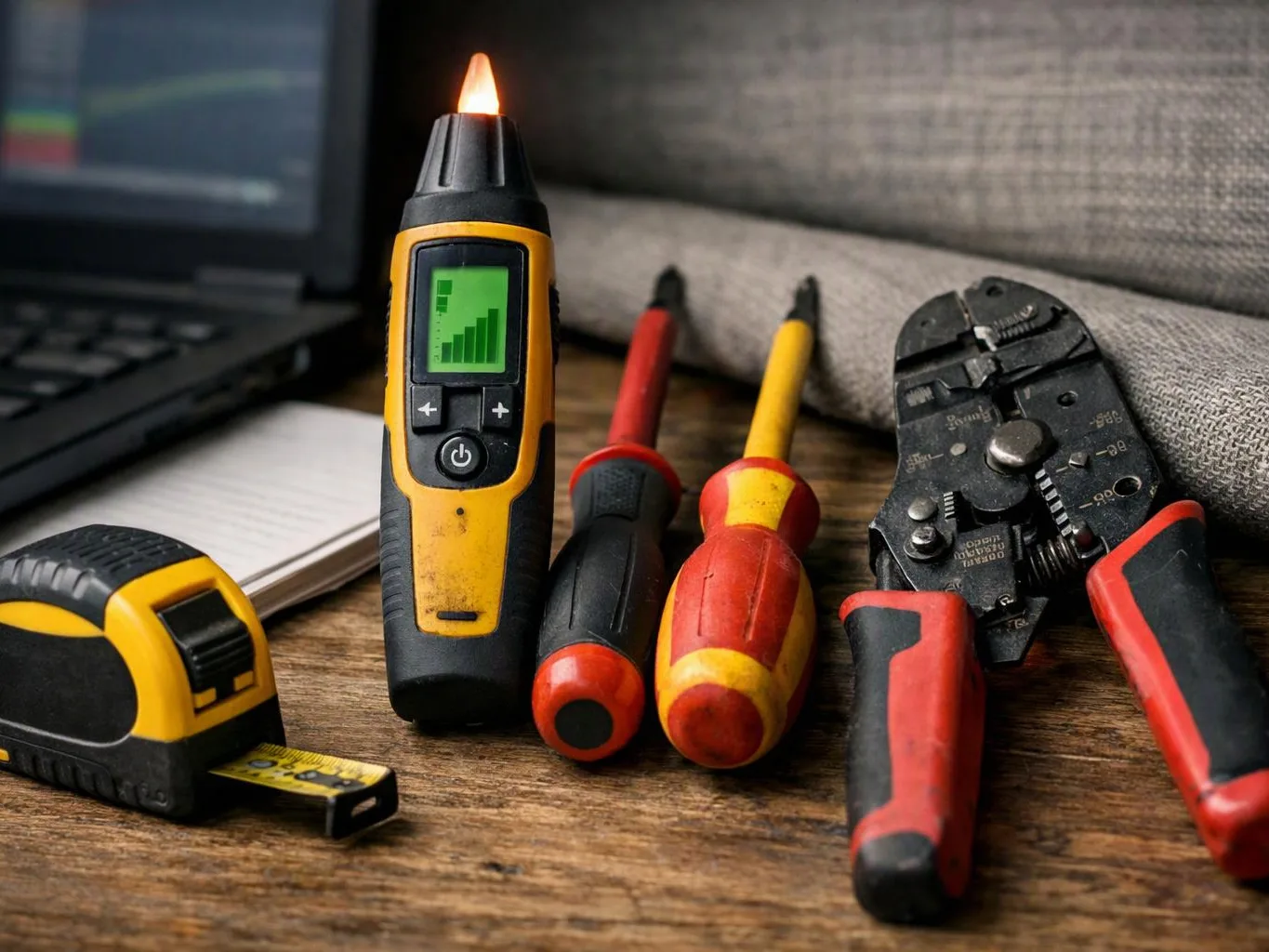
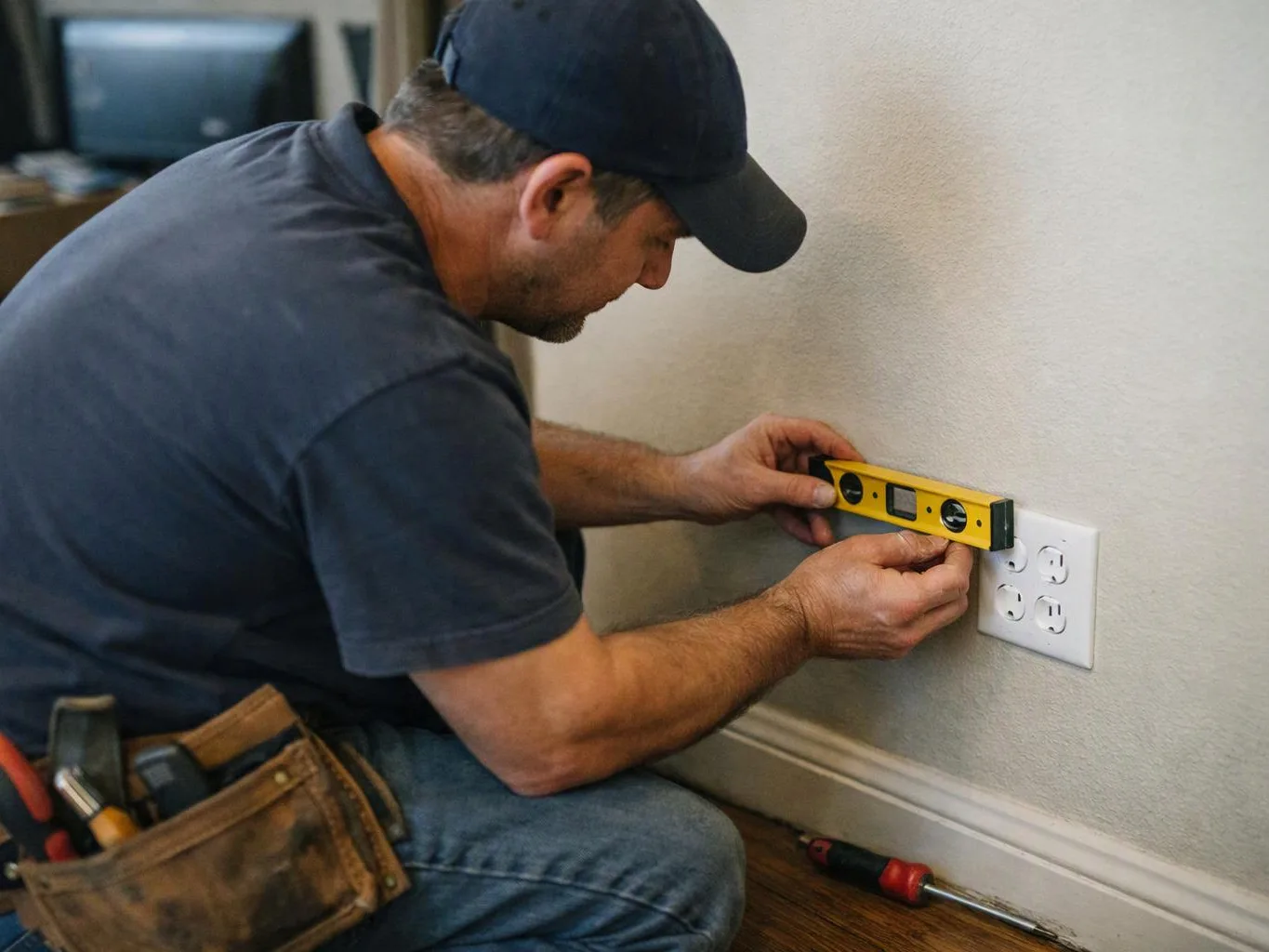
USB outlets, GFCI outlets, tamper-resistant receptacles, and weatherproof-covered outlets are available. Center Electric Service installs the option that fits the room, circuit, grounding, and intended use. USB outlets support device charging, GFCI outlets suit moisture-prone areas, and tamper-resistant models add a safety feature. Weatherproof covers protect exposed receptacles when properly fitted.
How can I tell whether outlet installation fits my property?
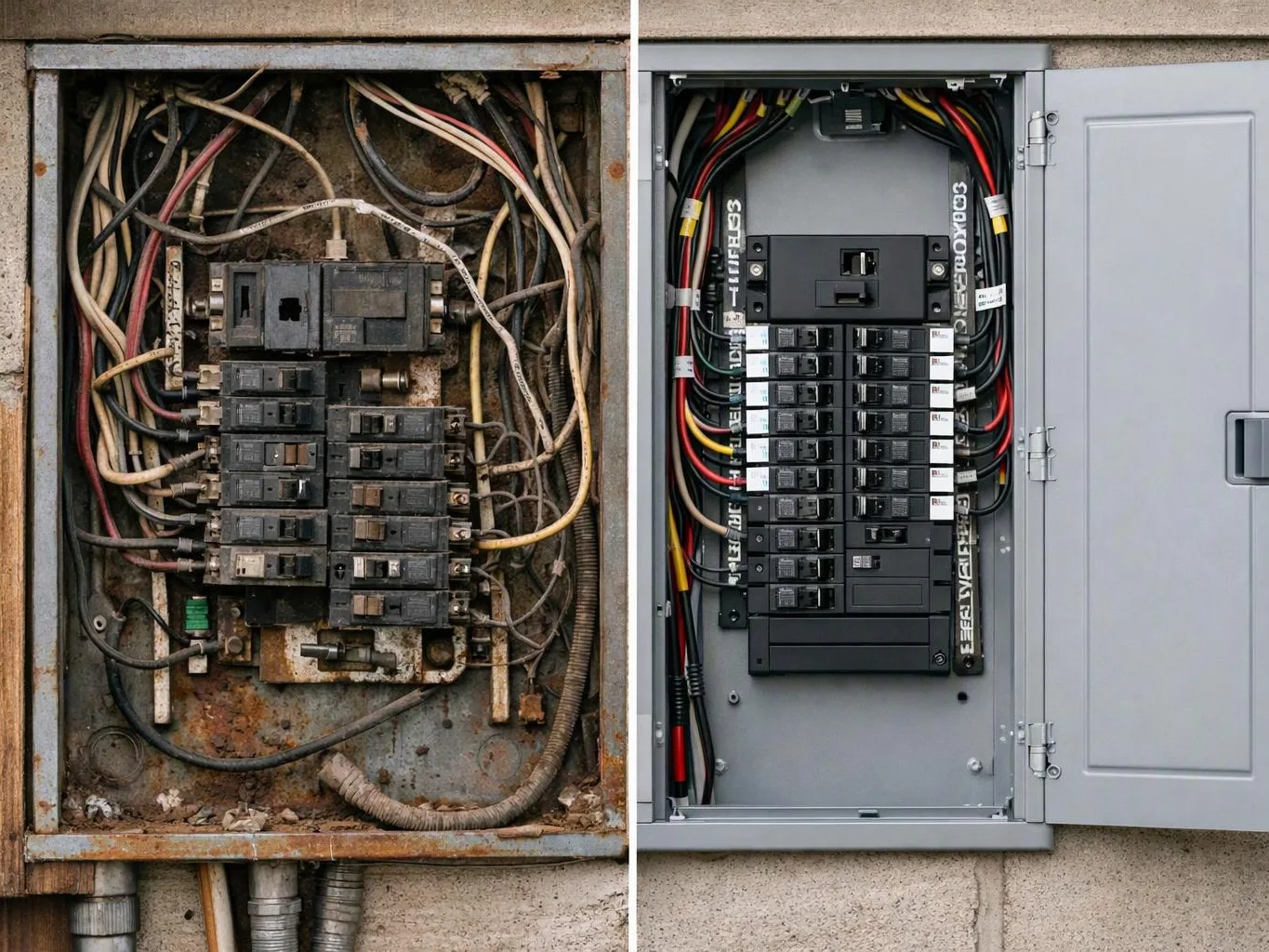
Outlet installation fits a property when the existing circuit, box, wiring, and grounding support the requested receptacle. We inspect those parts before setting the work scope. A wider electrical repair is needed when testing finds damaged conductors, repeated breaker trips, a faulty panel, or an overloaded circuit. That assessment helps separate an outlet job from a circuit repair.
Which part of the property decides the outlet installation scope?
The room and outlet location decide much of the installation scope. A kitchen, bathroom, utility area, exterior wall, bedroom, or business space can call for different receptacle features. We check moisture exposure, access to the box, grounding, circuit condition, and the devices that will use the outlet before choosing the work.
Which material changes how long outlet installation takes?
The existing wiring and box material can change the installation work. Copper conductors, aluminum wiring, damaged boxes, tight spaces, and missing grounding can require different checks or corrections. We inspect the materials before installation, then explain whether the requested outlet can be fitted directly or needs related electrical work.
When does an outlet need GFCI protection?
GFCI protection is used where contact with moisture could increase shock risk. We assess outlets near sinks, utility areas, and exposed locations before selecting a GFCI receptacle. The device must be connected and tested correctly, and a GFCI outlet does not replace repairs for damaged wiring or a failing circuit.
Why would a new outlet still need circuit tracing?
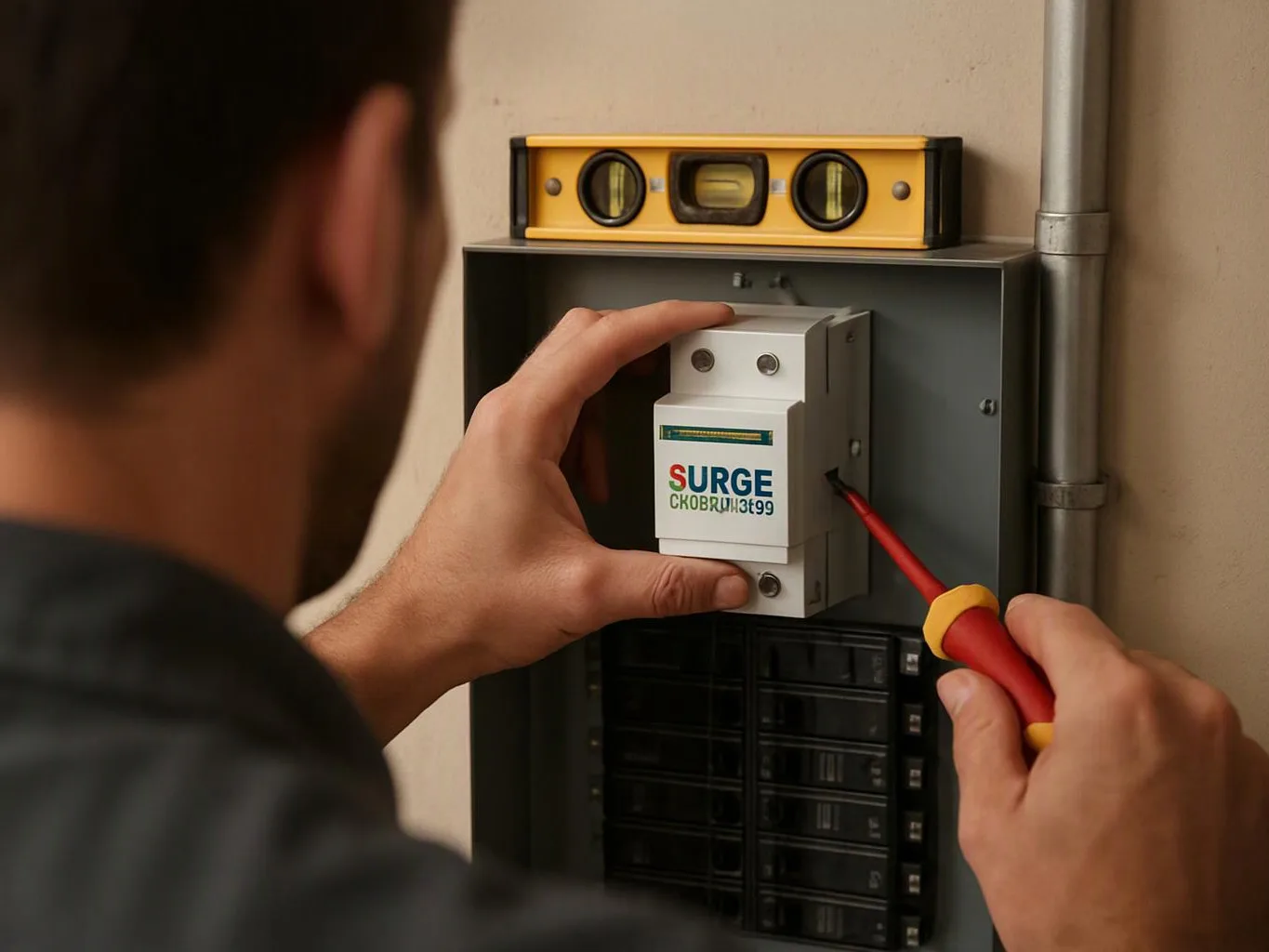
Circuit tracing is needed when the serving circuit is unclear or several outlets share the same path. We identify the circuit, check its connections, and test the grounding before installation. This work helps us place the new receptacle on the correct circuit and identify faults that an outlet change alone would not fix.
What should I do before requesting an outlet estimate?
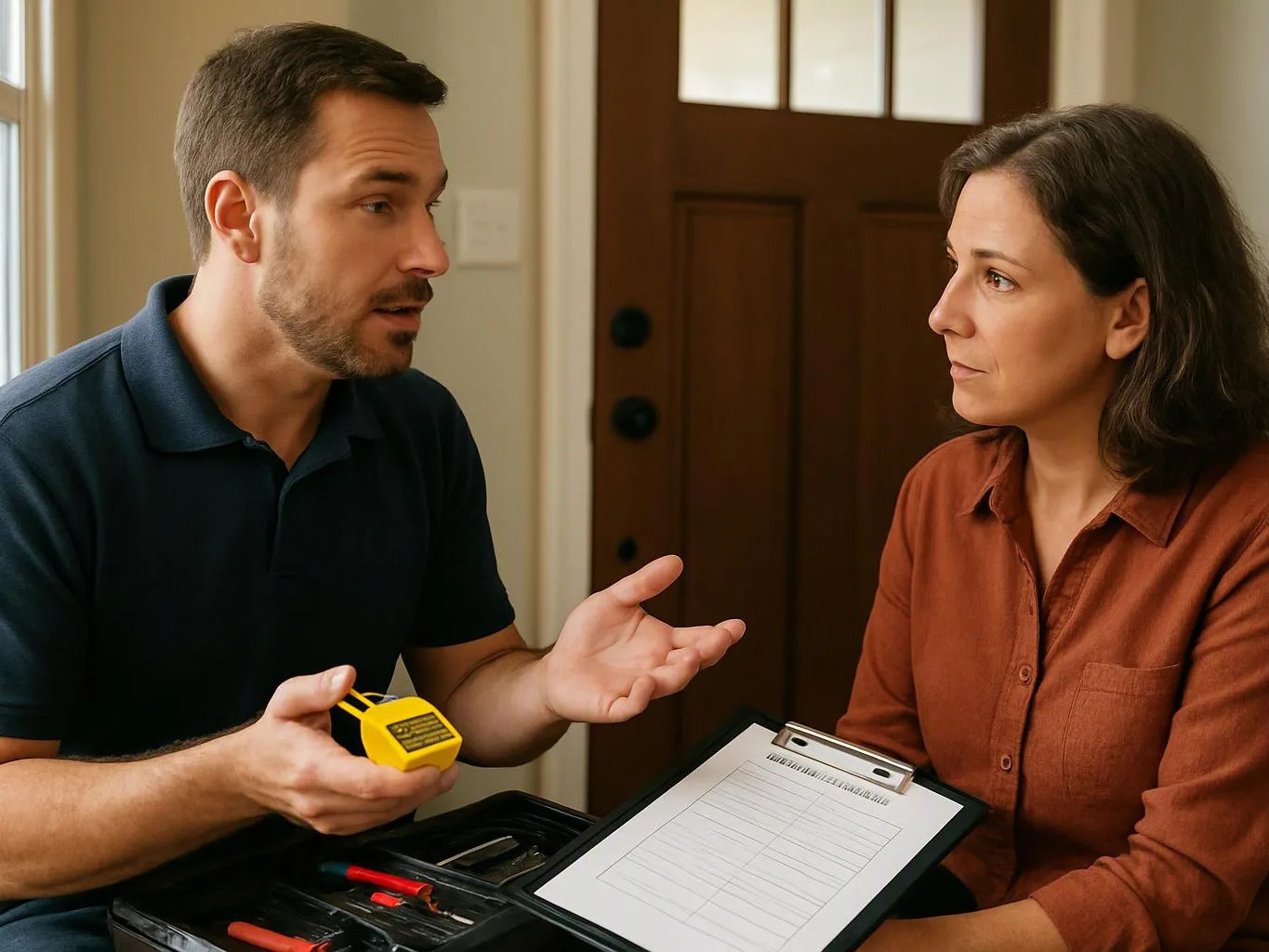
A customer should note the room, outlet location, devices to be used, and any warning signs. Photos of the existing receptacle and nearby panel can help us understand access, but they don't replace an on-site check. Stop using an outlet with a burning smell, sparking, or heat and request urgent electrical help.