Can an electrical panel be repaired after water damage?
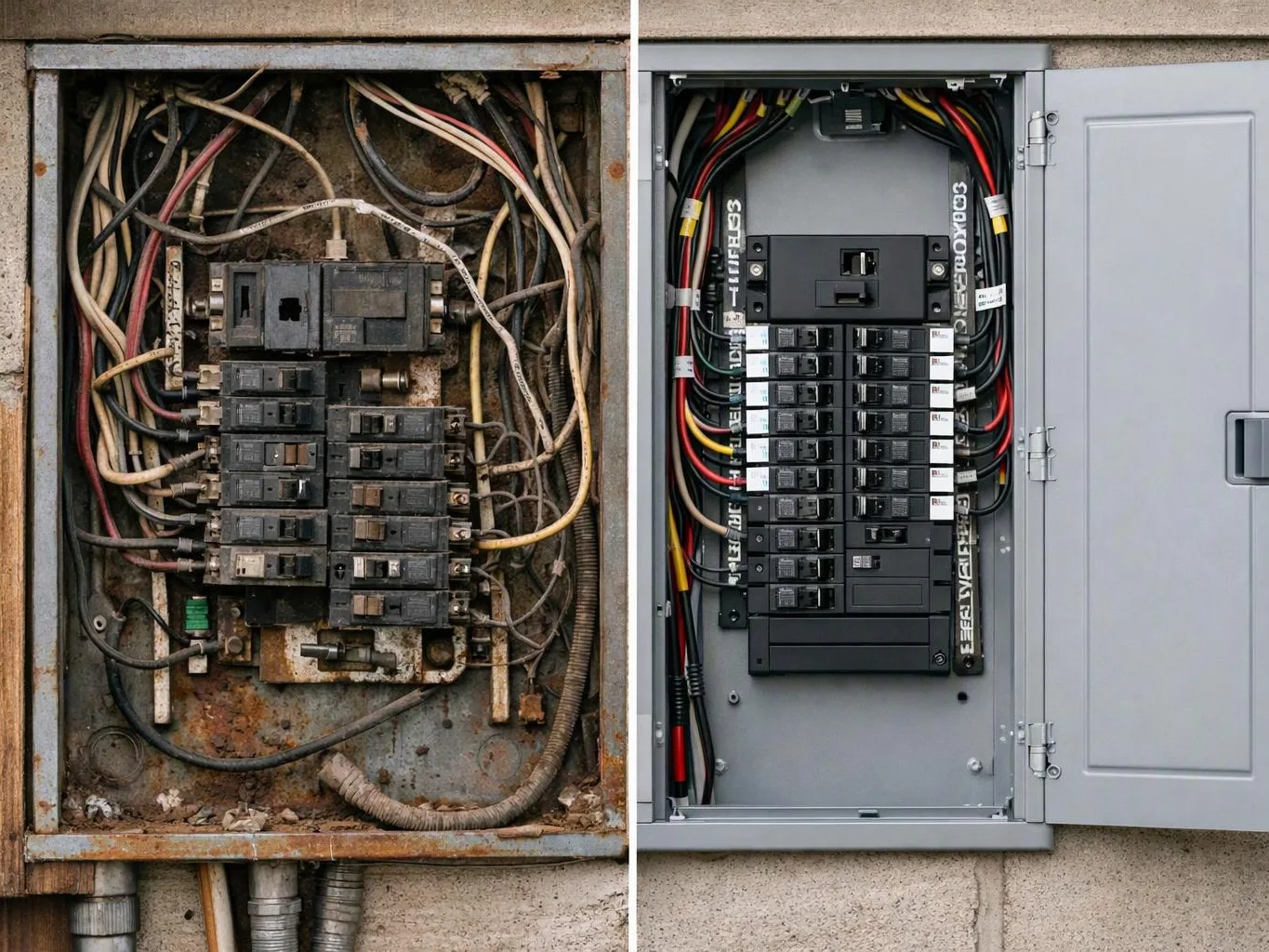
Component replacement can repair a water-damaged panel when testing shows the enclosure and remaining equipment are safe. Center Electric Service checks moisture, corrosion, insulation, breakers, and connections before recommending work. Drying may help some equipment, but damaged bus bars, wiring, or insulation can require broader replacement. We explain the findings before proceeding.
Which part of the property decides the scope of panel repair?
The panel and the wiring connected to it decide the repair scope. We inspect the enclosure, breakers, bus bars, grounding, branch circuits, and nearby wiring for damage. Water paths and circuit access also matter. A fault limited to one breaker calls for a different repair than damage reaching the service equipment.
Which material changes how long panel repair takes?
Water-damaged insulation can expand the repair scope because affected conductors need testing before reuse. We also check copper or aluminum connections, breaker contacts, bus bars, and the panel enclosure. Corrosion removal takes a different approach from dry component replacement. The condition of each material decides the work sequence.
How does a panel repair visit move from the first call to the last step?
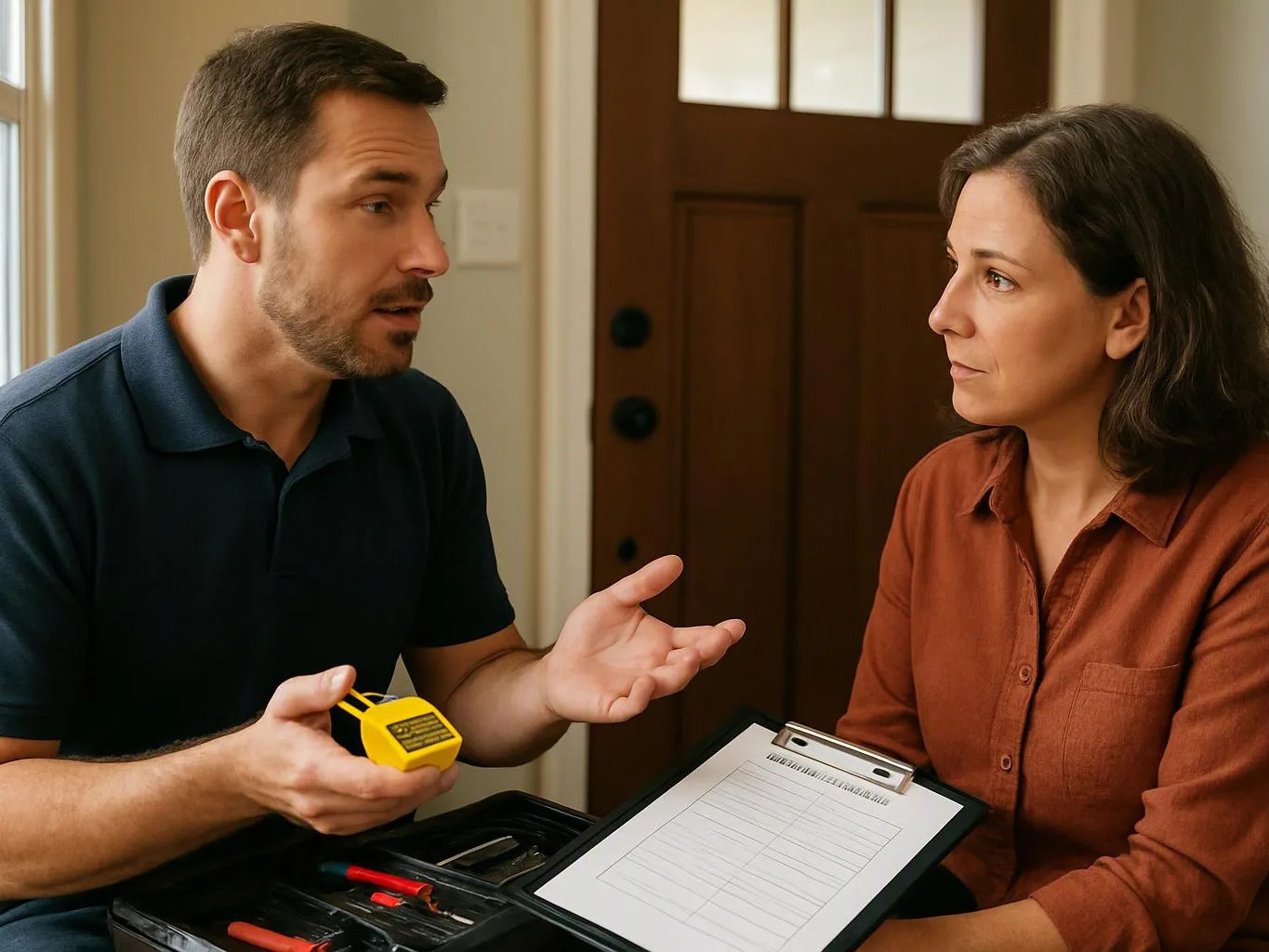
The visit moves from safety isolation to inspection, testing, repair planning, and final verification. We identify the affected circuits, check moisture and insulation, inspect damaged parts, and explain the scope. After approved work, our team tests the repaired circuits and reports any remaining concerns.
When should I stop resetting a tripped breaker?
Stop resetting a breaker when it trips repeatedly, feels warm, buzzes, or follows water exposure. Repeated trips can point to damaged equipment or a continuing circuit fault. Keep people away from the panel and avoid touching wet electrical parts. We can inspect the panel and trace the affected circuit.
What does a water-damaged panel inspection check first?
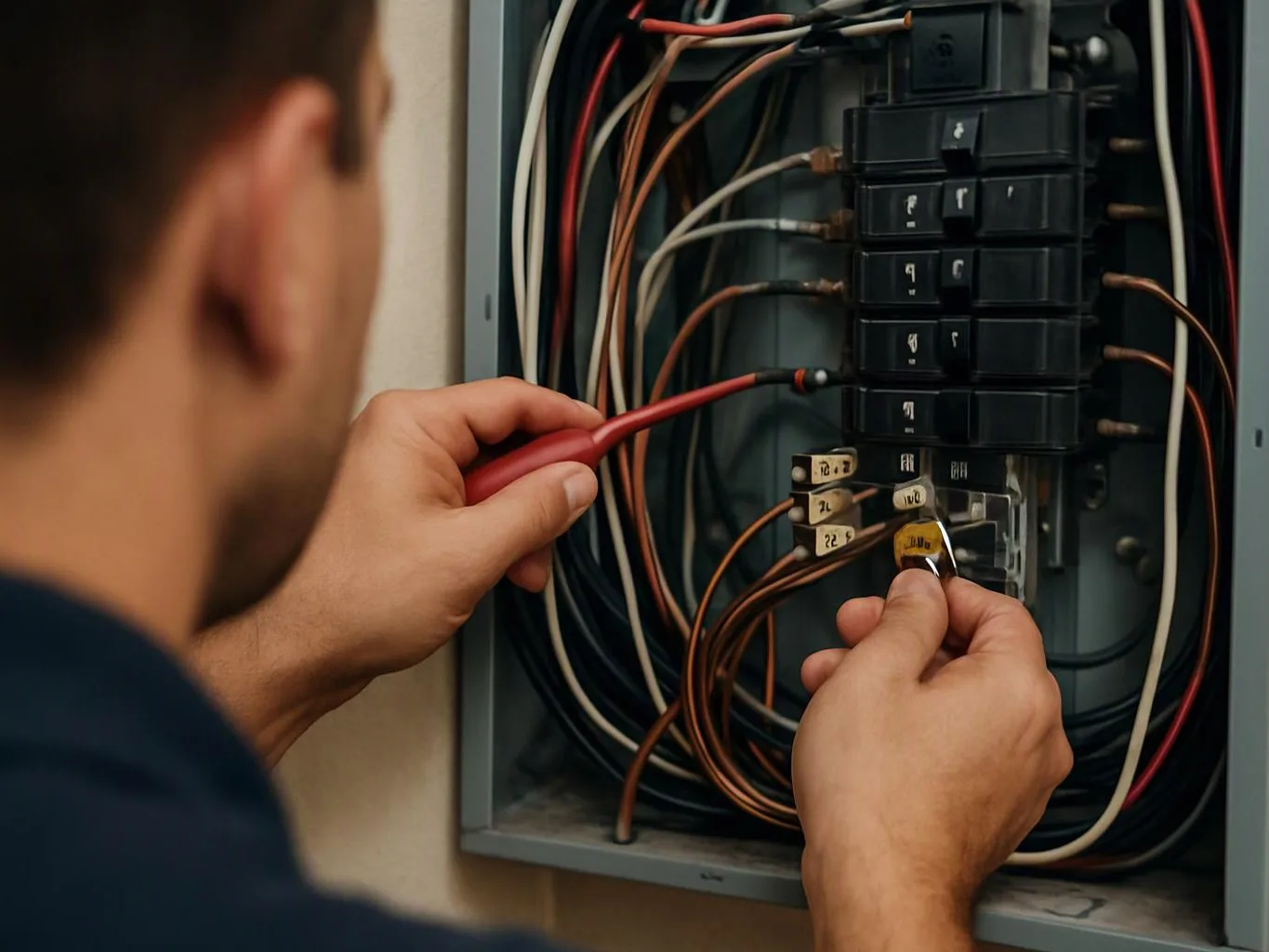
Safety isolation comes first, followed by checks for moisture, corrosion, damaged insulation, and loose connections. We inspect breakers and bus bars before testing affected circuits. The inspection also looks for signs that water traveled into connected wiring. Those findings guide the choice between drying, part repair, and replacement.
Why might a breaker need replacement after the panel dries?
A breaker may need replacement when water or corrosion affects its contacts, trip function, or connection to the bus bar. Drying alone doesn't restore damaged electrical parts. We test the breaker and its circuit, then explain whether replacement or a larger repair is needed.