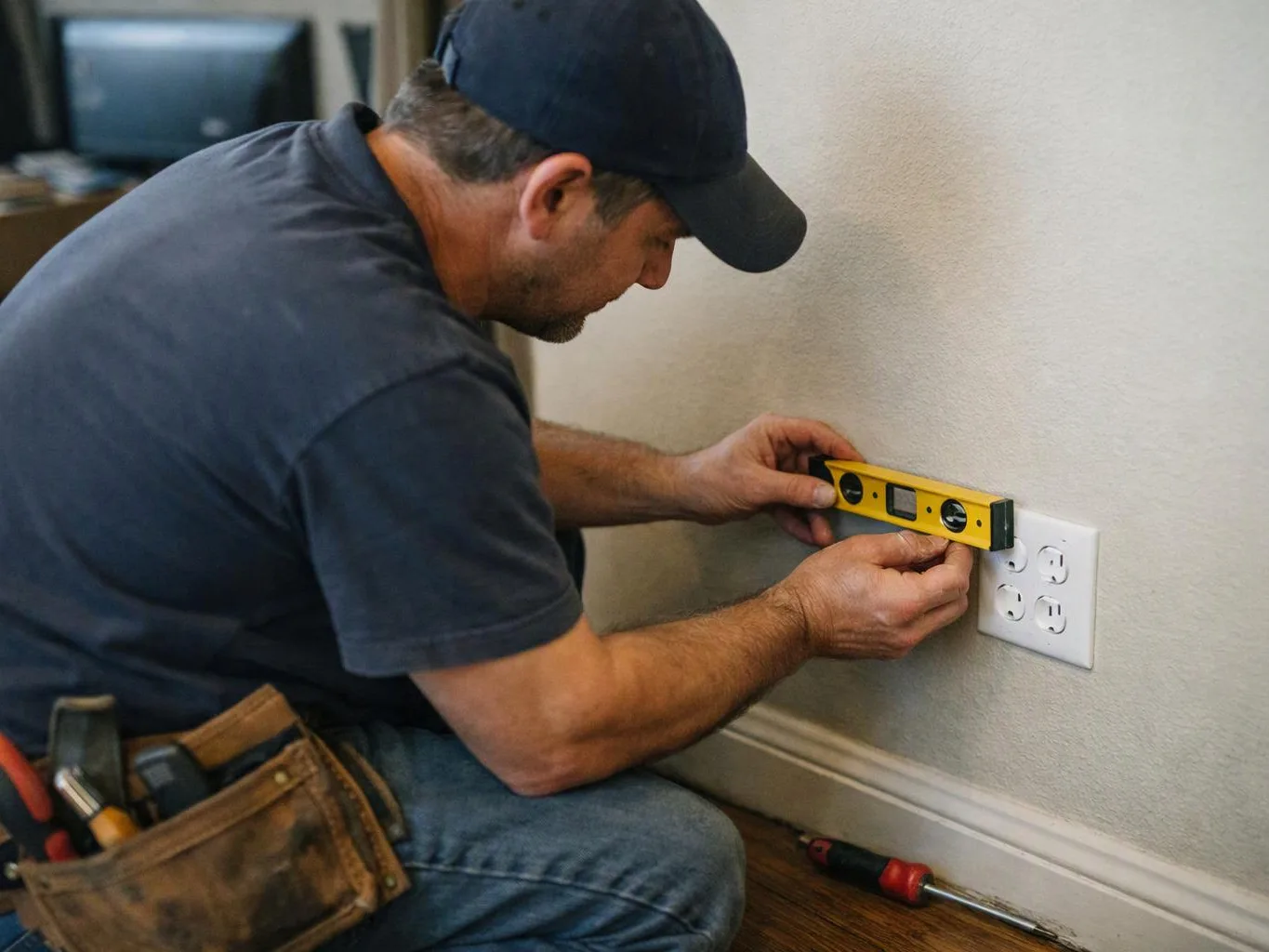
How is electrical rewiring completed safely?
Power isolation comes first, so Center Electric Service can trace circuits without energized conductors in the work area. We then test wires, inspect connections, place conduit where needed, review grounding and load, and verify the finished circuit. Customers should keep people away from damaged outlets, burning smells, buzzing panels, and exposed wiring until we assess the hazard.
What should be checked before rewiring is scheduled?
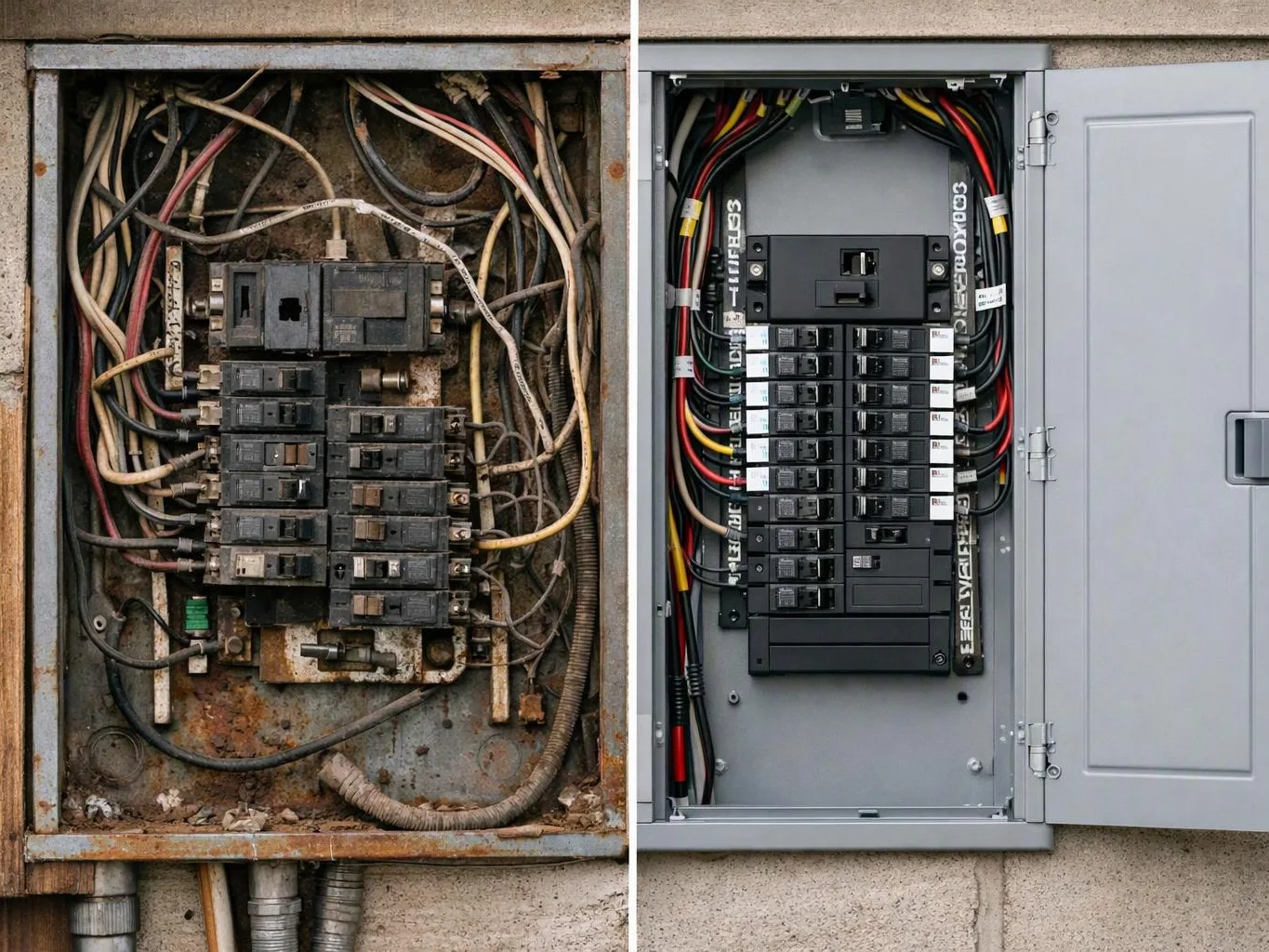
The affected circuit, panel condition, wire access, grounding, connected load, and visible damage should be checked first. We also need to know which outlets, lights, or equipment show symptoms. Photos of the panel and affected areas can help us understand access needs before the assessment.
Who is a good fit for electrical rewiring?
Electrical rewiring fits property owners with damaged wiring, repeated circuit faults, unsafe connections, or planned electrical changes. A single failed outlet or breaker may need a focused repair instead. We test the affected path before recommending broader work.
What happens at each stage of rewiring?
The rewiring process moves from circuit isolation to tracing, wire testing, protected wire placement, code review, and final verification. We document the affected path as the scope becomes clear. Customers receive an explanation of the work completed and any remaining electrical concern.
Which wiring symptoms call for urgent attention?
A burning smell, buzzing panel, sparking outlet, or warm switch plate calls for urgent electrical attention. These signs can point to unsafe heat or a failing connection. Turn off the affected circuit if it is safe to do so, keep clear, and request emergency service from our team.
Why does a breaker keep tripping after a repair?
A breaker can keep tripping when the circuit remains overloaded, a wire is damaged, a connection is loose, or equipment has a fault. We trace and test the full circuit before replacing parts. Repeated resets can hide the cause and should not replace a proper diagnosis.
What changes the scope of a rewiring estimate?
Access, circuit length, panel condition, grounding, conduit routes, connected load, and finish surfaces change the rewiring scope. We inspect these conditions and explain the work needed for the affected path. A free estimate follows the property assessment.