Can electrical rewiring fix recurring tripped breakers?
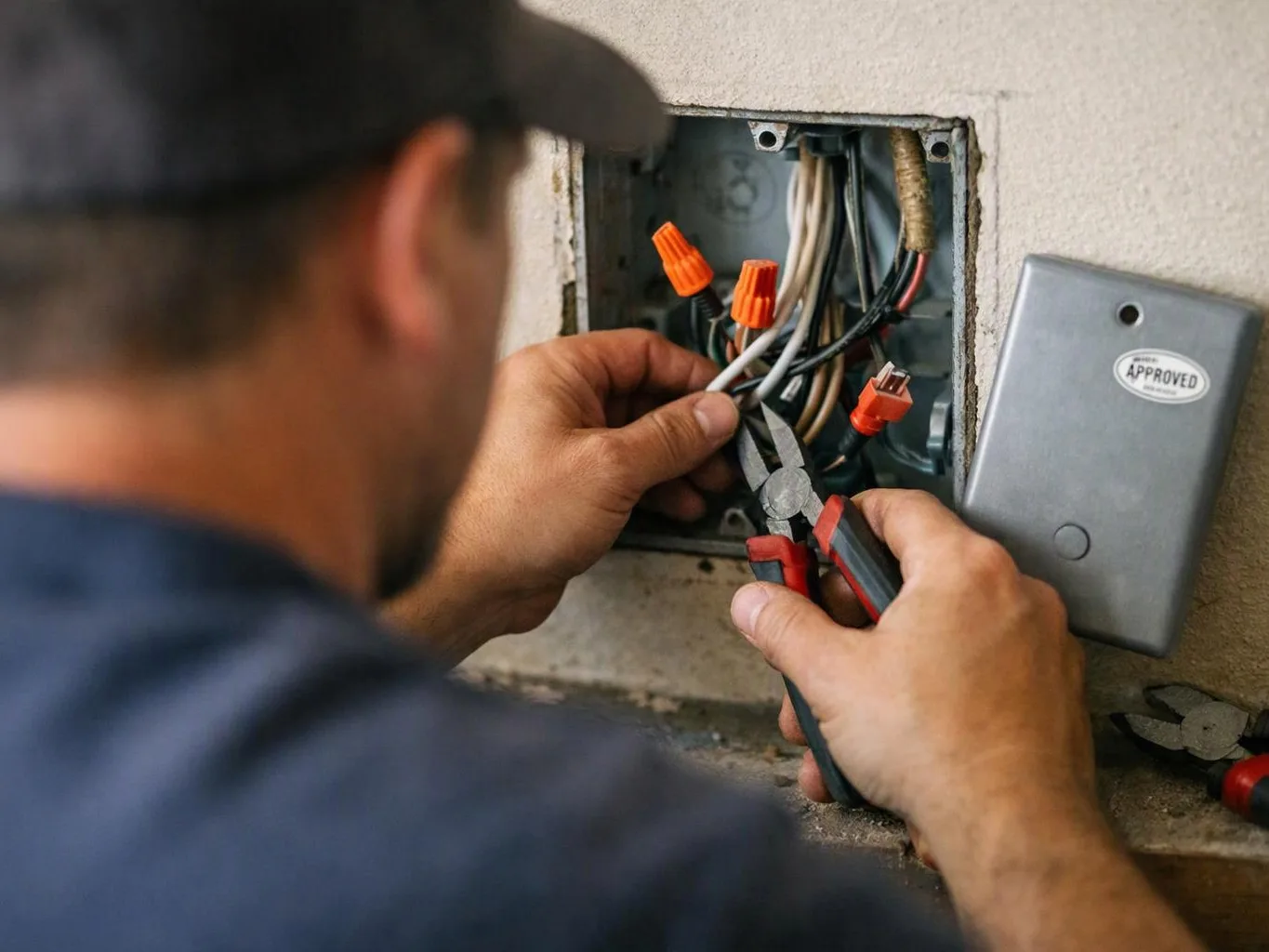
Yes, rewiring can fix recurring tripped breakers when damaged wiring or loose terminals causes the fault. Center Electric Service traces the circuit, checks the breaker and connections, and tests the wiring. A breaker replacement or device repair may fit when the wiring is sound. We explain that distinction before setting the work scope.
How can I tell whether rewiring fits my property?
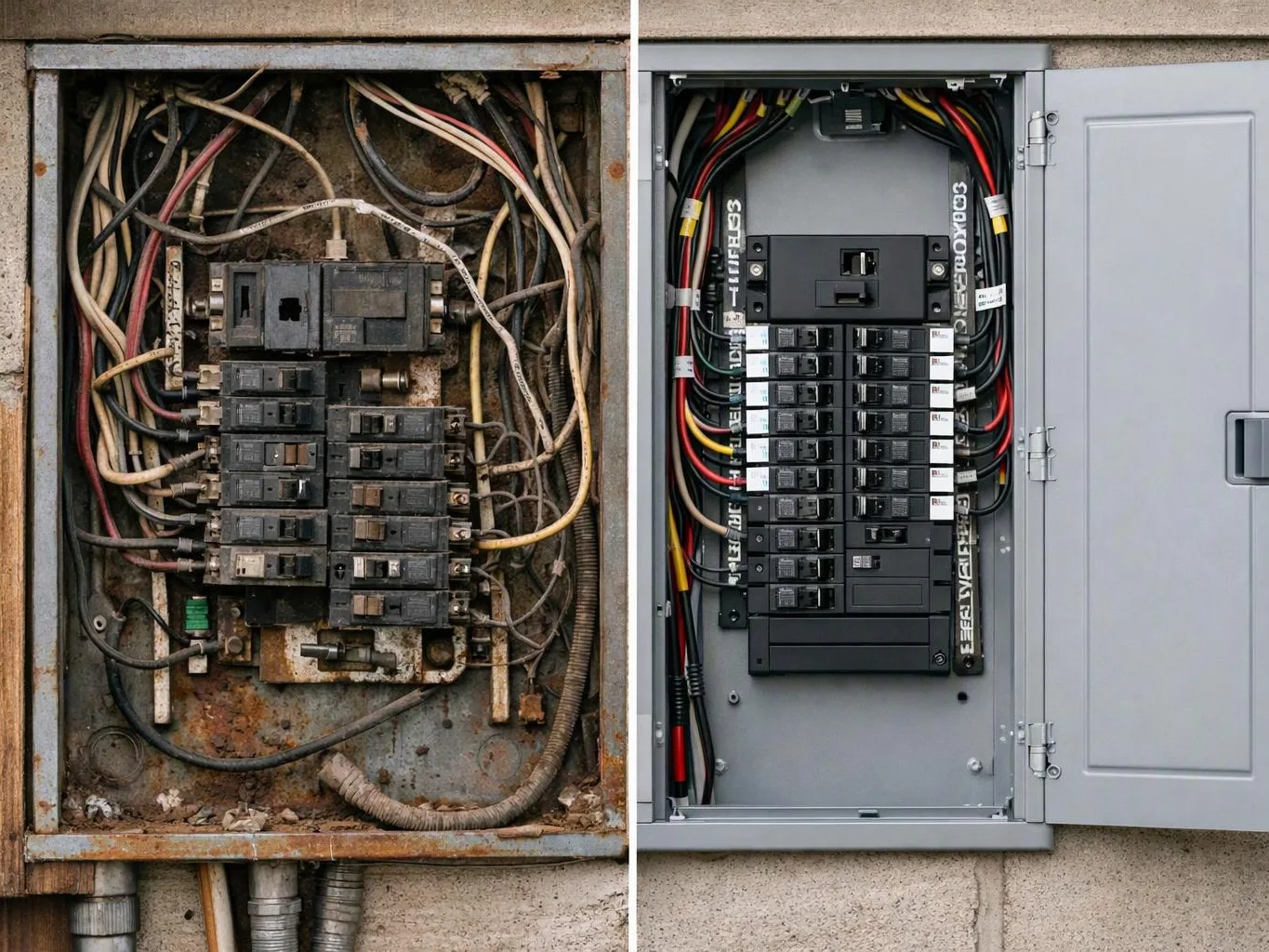
Repeated faults across several outlets, damaged insulation, warm plates, or unstable power can support a rewiring assessment. We inspect the circuit path, panel connections, and grounding before recommending replacement. One failed outlet or breaker may need a focused repair. The inspection separates a local device problem from a wider wiring issue.
Which part of the property decides the rewiring scope?
The affected circuit decides the rewiring scope because its wire path, panel connection, outlets, switches, and fixtures need inspection. We trace that path and identify damaged or loose sections. Access also matters because concealed wiring may require a different work plan. The estimate reflects the area that needs safe correction.
Which material changes how long rewiring takes?
Wire condition and access material change the work time because damaged insulation, concealed paths, and difficult connections require more inspection and replacement work. We review the existing wire, terminals, conduit, and panel connection before giving a job assessment. We do not promise a duration until the property and circuit scope are clear.
What should I do before the electrician checks the wiring?
Leave the affected breaker off if it trips repeatedly, and keep clear access around the panel and reported outlets. Do not open energized devices or handle damaged wire. Note which lights, switches, or outlets lose power. That information helps our team trace the circuit and plan a safe inspection.
When should flickering lights lead to a wiring inspection?
Flickering lights warrant a wiring inspection when they affect several fixtures, follow a power fault, or occur with buzzing, heat, or unstable outlets. We check the circuit, terminals, panel, and connected devices. Stop using a sparking outlet or one with a burning smell, and request urgent electrical help.
Why might a breaker repair fail to solve the power problem?
A breaker repair may not solve the problem when damaged wire, loose terminals, overload, or a faulty connected device causes the trip. We test the full circuit instead of judging the breaker alone. Circuit tracing shows whether the fault begins at the panel, along the wiring path, or at an outlet or fixture.