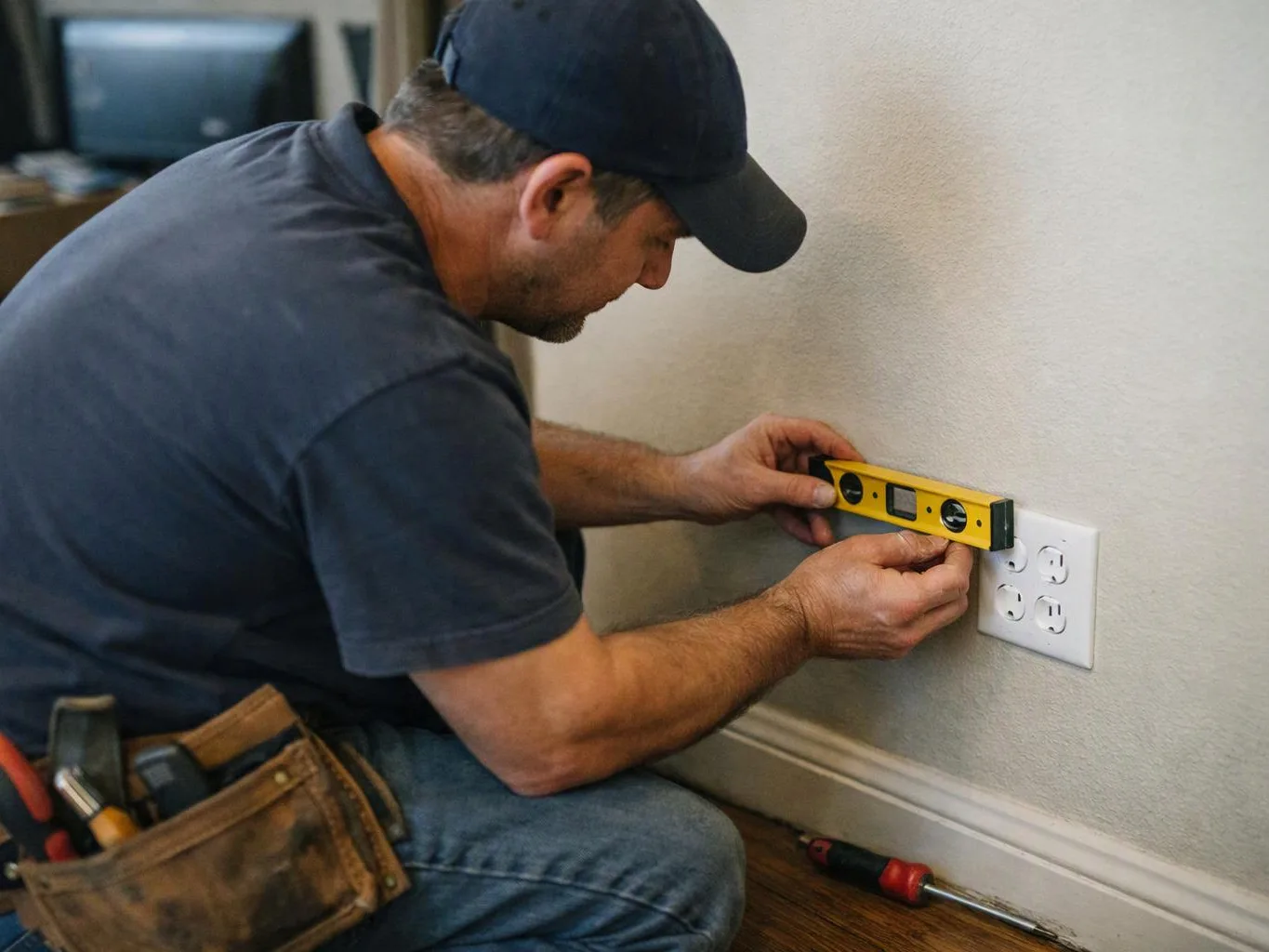
How is electrical rewiring completed safely?
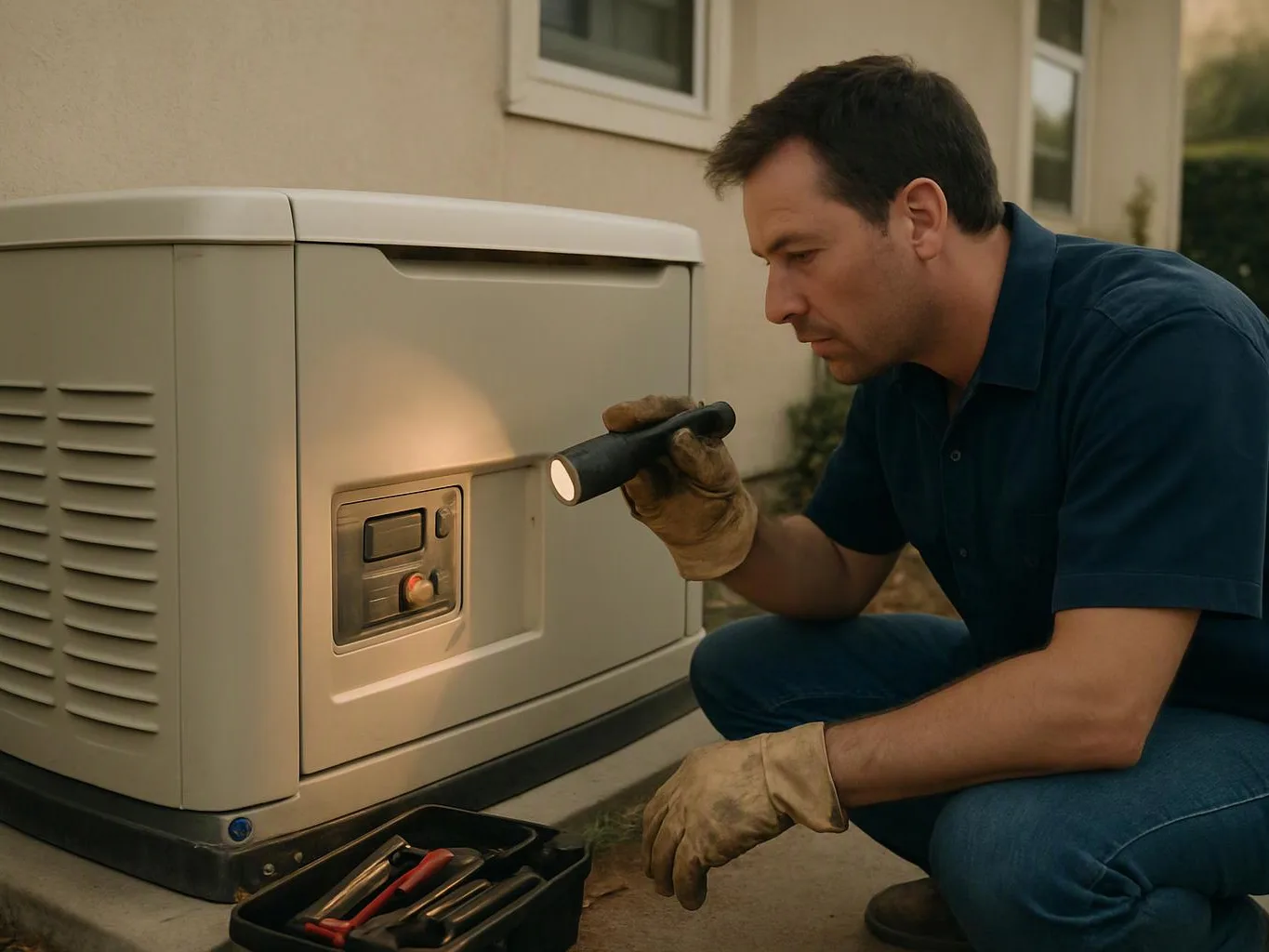
Power isolation comes first when wiring needs replacement or adjustment. Center Electric Service then traces the circuit, tests the wires, places conduit where needed, completes the wiring work, and verifies the finished circuit. We keep the scope tied to the affected conductors and connections, so a sound circuit does not automatically become a full rewiring project.
What should be checked before rewiring is scheduled?
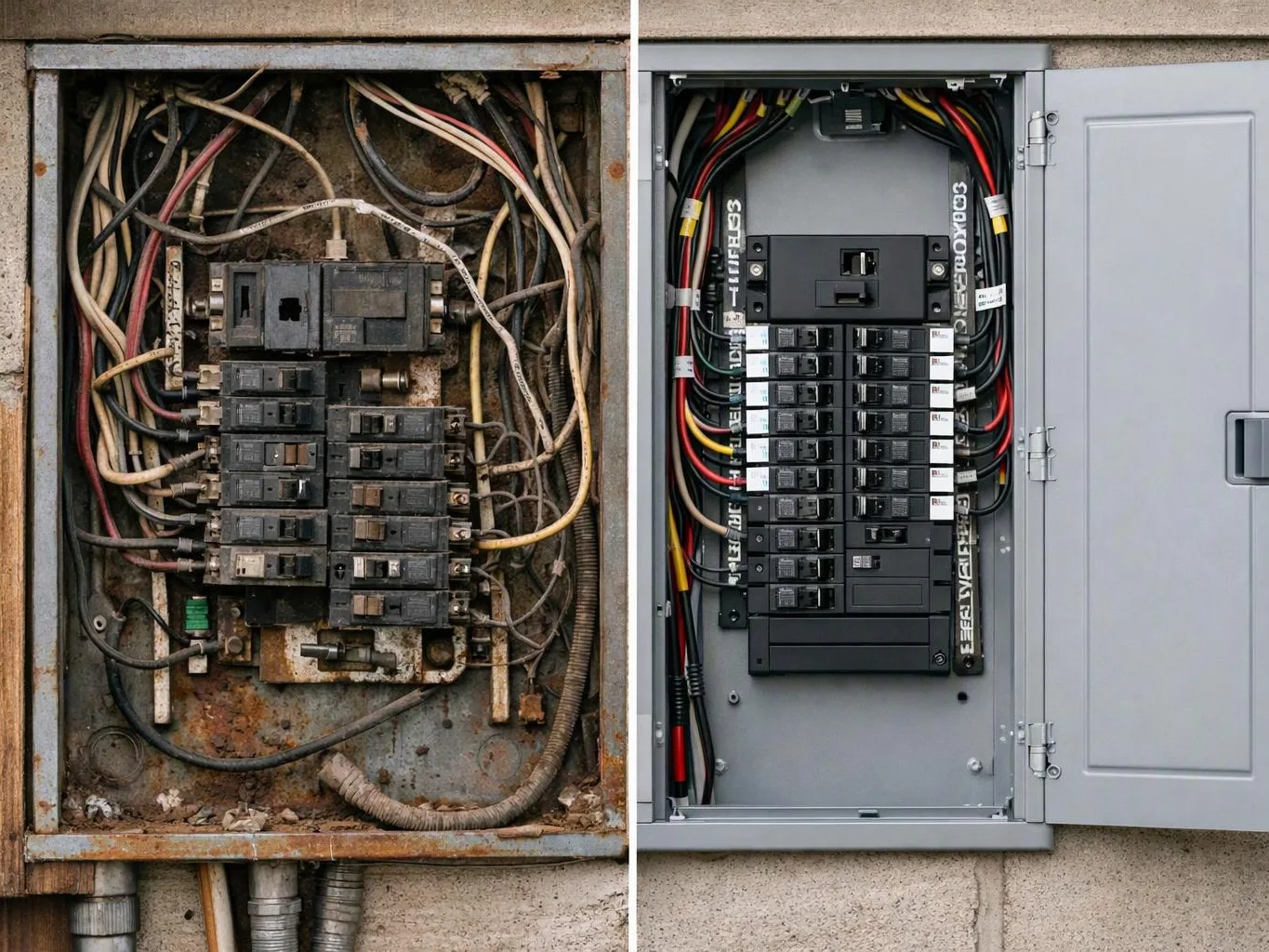
The affected circuit, wiring condition, access path, panel connection, and grounding should be checked first. We review flickering lights, dead outlets, warm switch plates, and repeated breaker trips during the assessment. Photos of the panel and affected outlets can help explain the issue, but they do not replace an on-site electrical inspection.
Which part of a rewiring job changes the estimate?
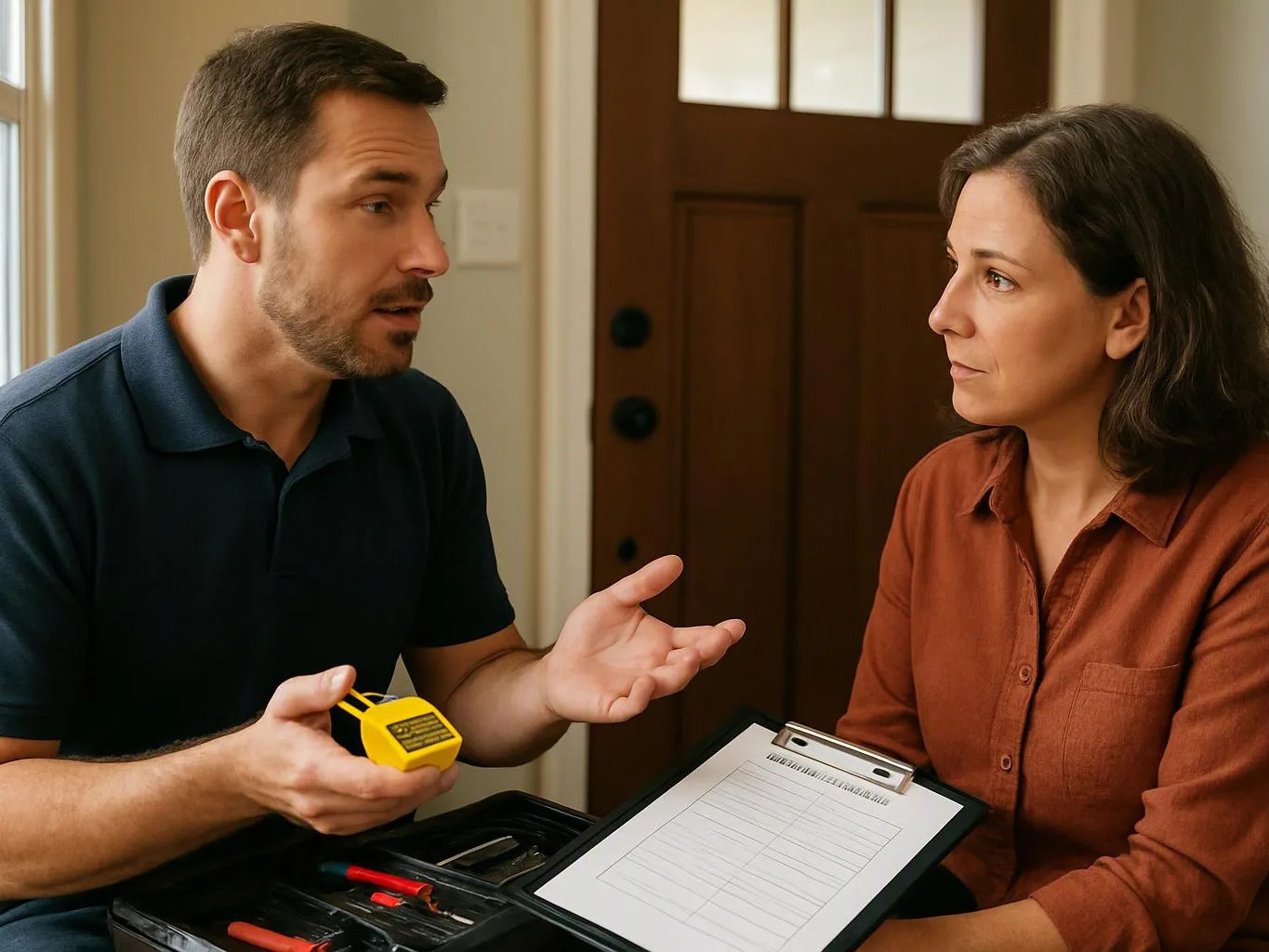
The wiring route and amount of conductor replacement change the estimate most. Access behind walls, conduit placement, circuit tracing, panel work, and grounding corrections also affect the scope. We review those factors before providing a free estimate, so the requested work matches the diagnosed electrical fault.
When is rewiring the wrong electrical service?
Rewiring is the wrong service when the conductors remain sound and the fault sits in one outlet, switch, breaker, or panel connection. We test the circuit before choosing the work. A focused repair, circuit breaker replacement, or panel upgrade may fit the finding better than replacing an entire wiring path.
Who is a good fit for electrical rewiring?
Homeowners and businesses with damaged wiring, repeated circuit faults, unsafe connections, or planned electrical changes are good fits. Center Electric Service serves both residential and commercial properties. A property with a sound wiring system but one failed outlet or breaker may need a smaller repair instead.
What happens at each stage of rewiring?
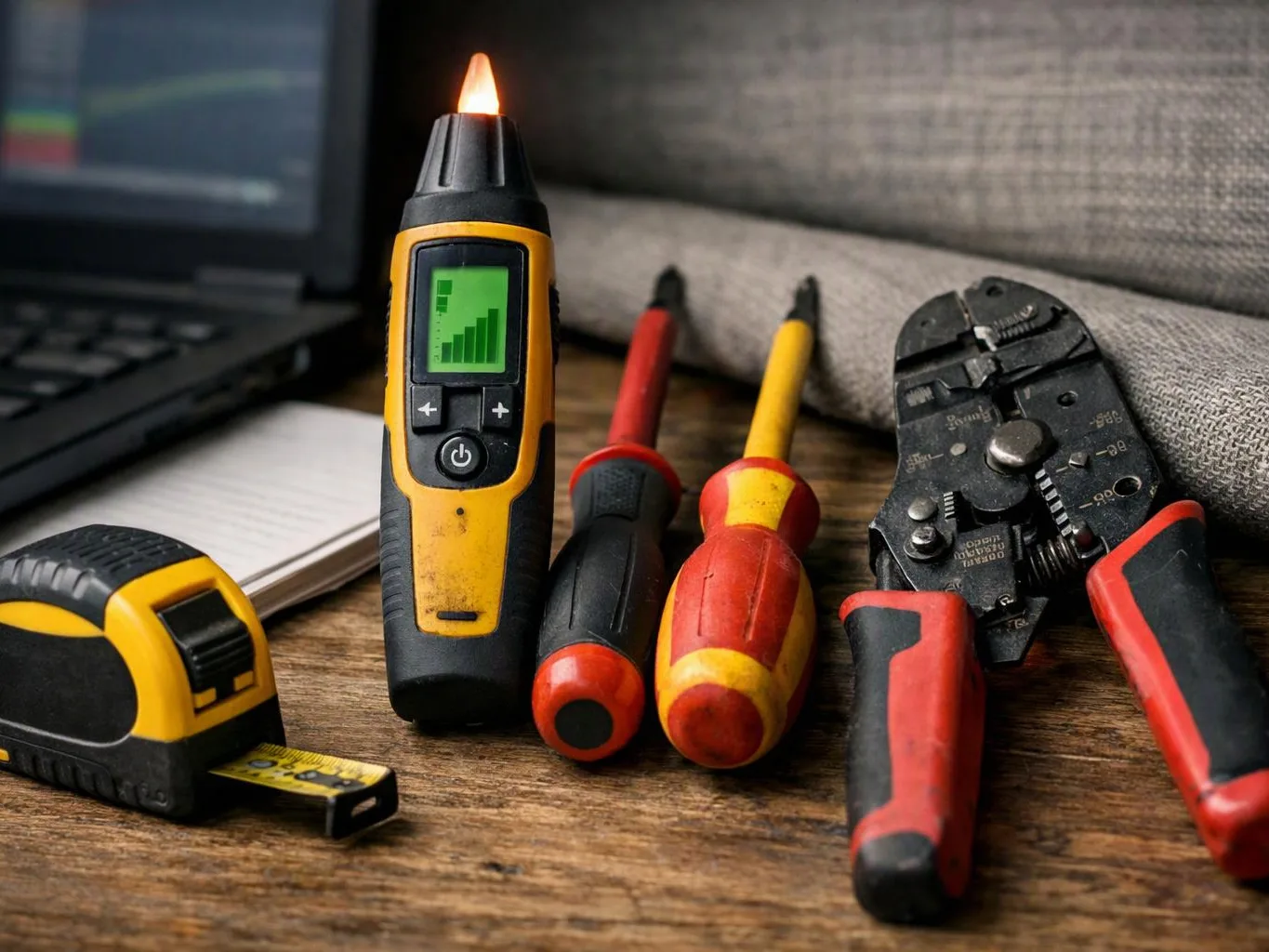
The work moves from inspection to power isolation, circuit tracing, wire testing, wiring, and final verification. We first identify the affected path and then set the replacement scope. Conduit placement and code compliance review follow the needs of the selected route and completed electrical work.
Why do breakers keep tripping after an outlet repair?
Repeated breaker trips can show an unresolved wiring fault, overload, damaged outlet, or problem farther along the circuit. We trace and test the circuit instead of treating the breaker as the whole issue. The finding determines whether the next step is rewiring, breaker replacement, panel work, or another electrical repair.