What does the crew look at first during an electrical safety inspection?
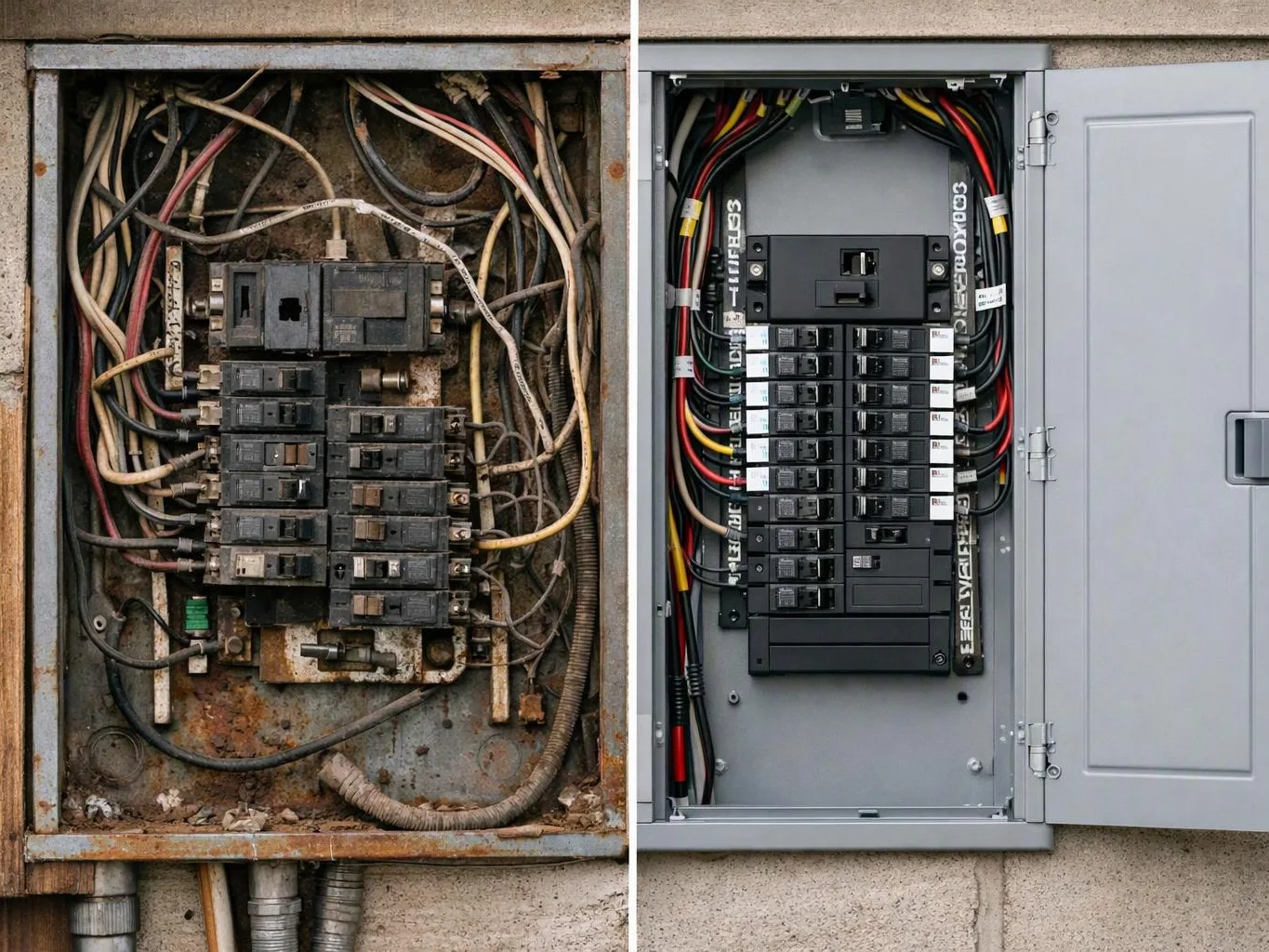
Panel inspection comes first because the panel connects the service to branch circuits. Center Electric Service checks visible breaker condition, labeling, heat marks, damage, and access. We then connect panel findings to the reported symptom. A breaker that keeps tripping may need circuit tracing, while a dead outlet may need outlet and wiring tests.
What should be checked before an electrical safety inspection is scheduled?
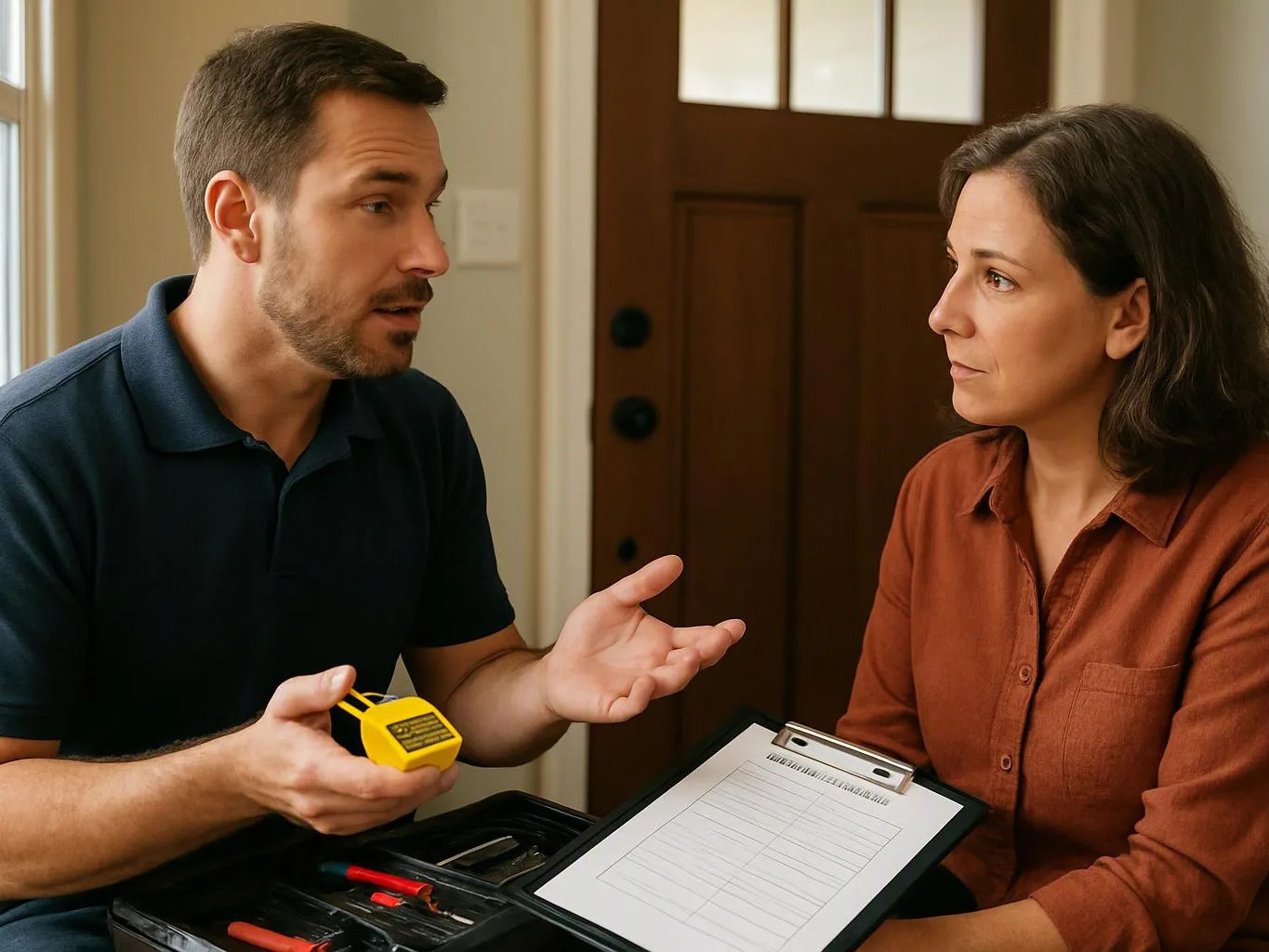
Property access, the reported symptom, and known electrical changes should be checked before scheduling. Note flickering lights, warm switch plates, buzzing, burning smells, dead outlets, or repeated trips. Keep the panel accessible and avoid opening electrical covers. Photos can help explain the concern, but they don't replace an on-site inspection.
Who is a good fit for an electrical safety inspection, and who needs a different service?
Homeowners, landlords, property managers, and businesses with safety concerns are good fits for an inspection. Center Electric Service also handles follow-up repairs when findings show a problem. A property with an active outage, sparking outlet, or burning smell may need urgent troubleshooting or repair first.
Which part of the job changes the inspection price?
The inspection price changes with property size, panel access, circuit count, testing needs, and follow-up repair scope. A focused review of one circuit differs from a broader property inspection. We explain the requested scope and provide free estimates when repair work is requested.
How does outlet testing support the inspection?
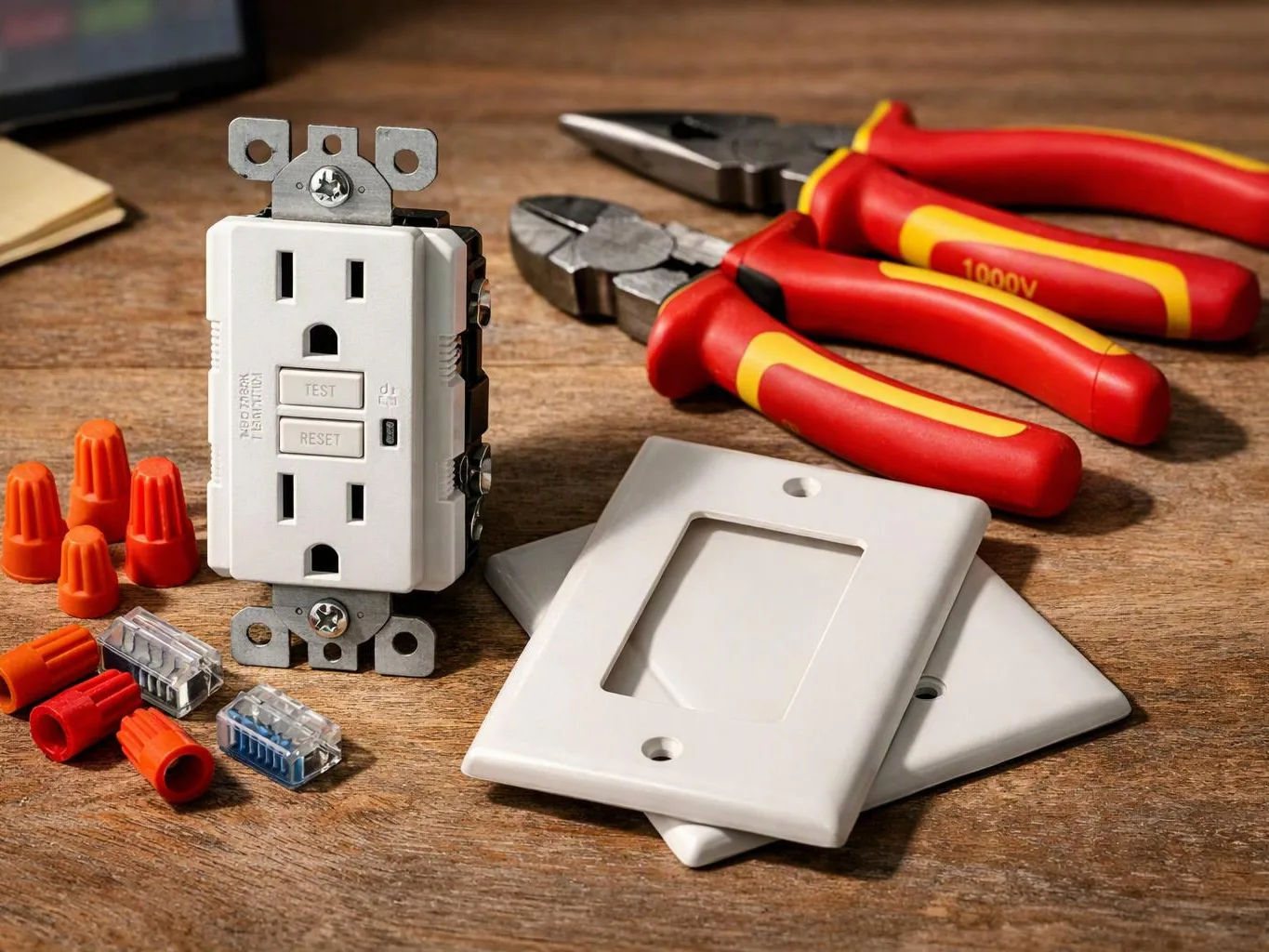
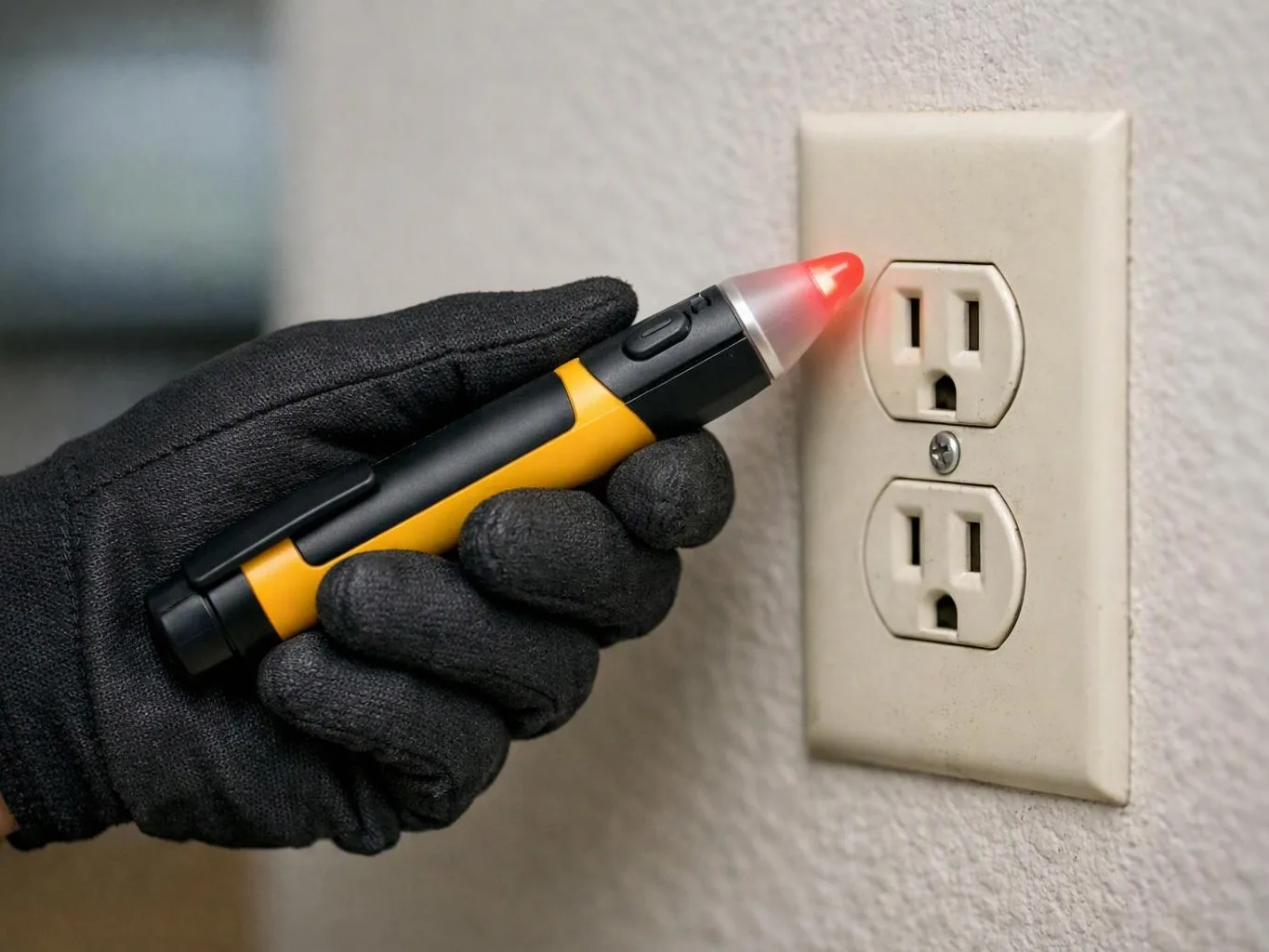
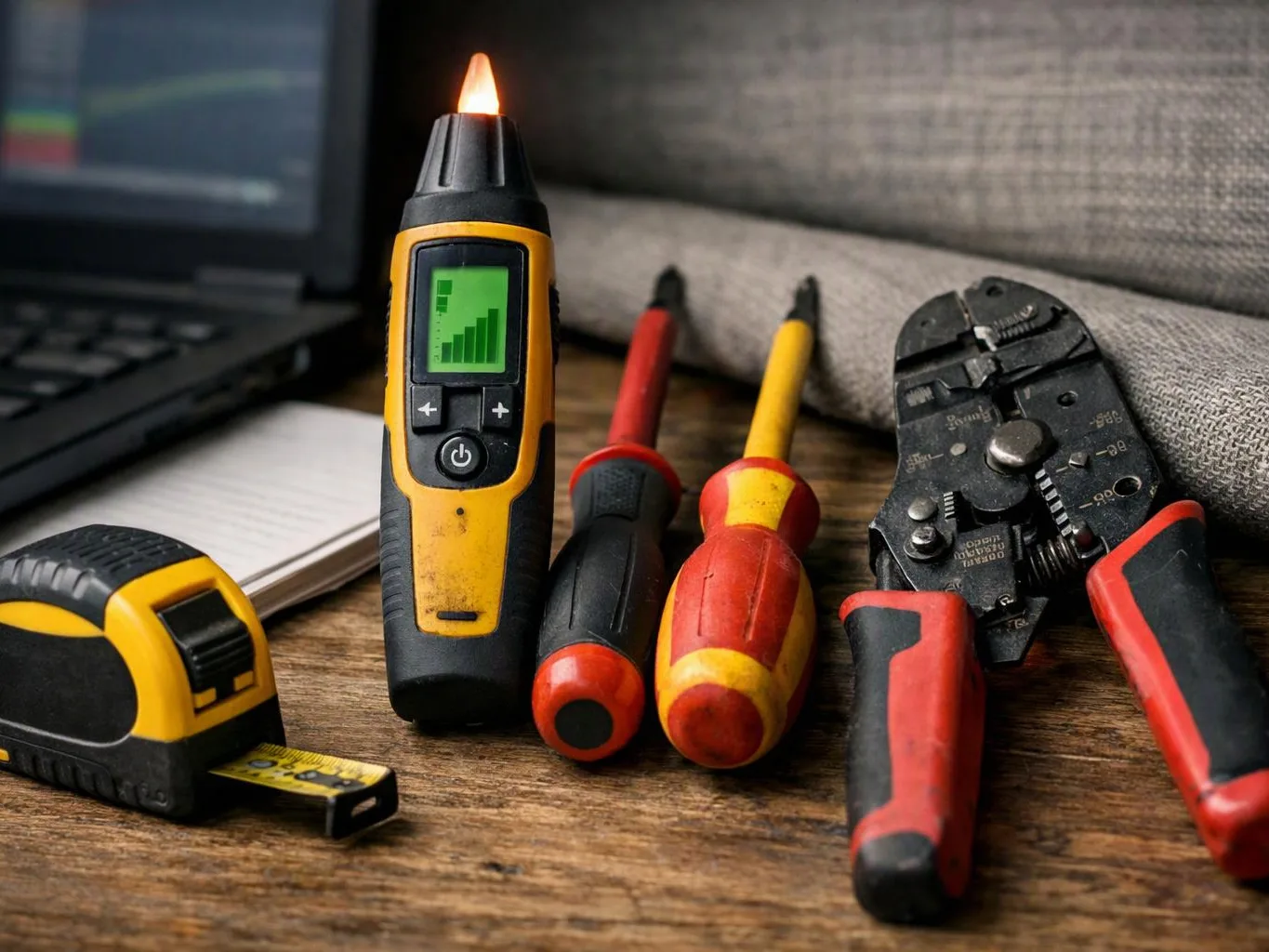
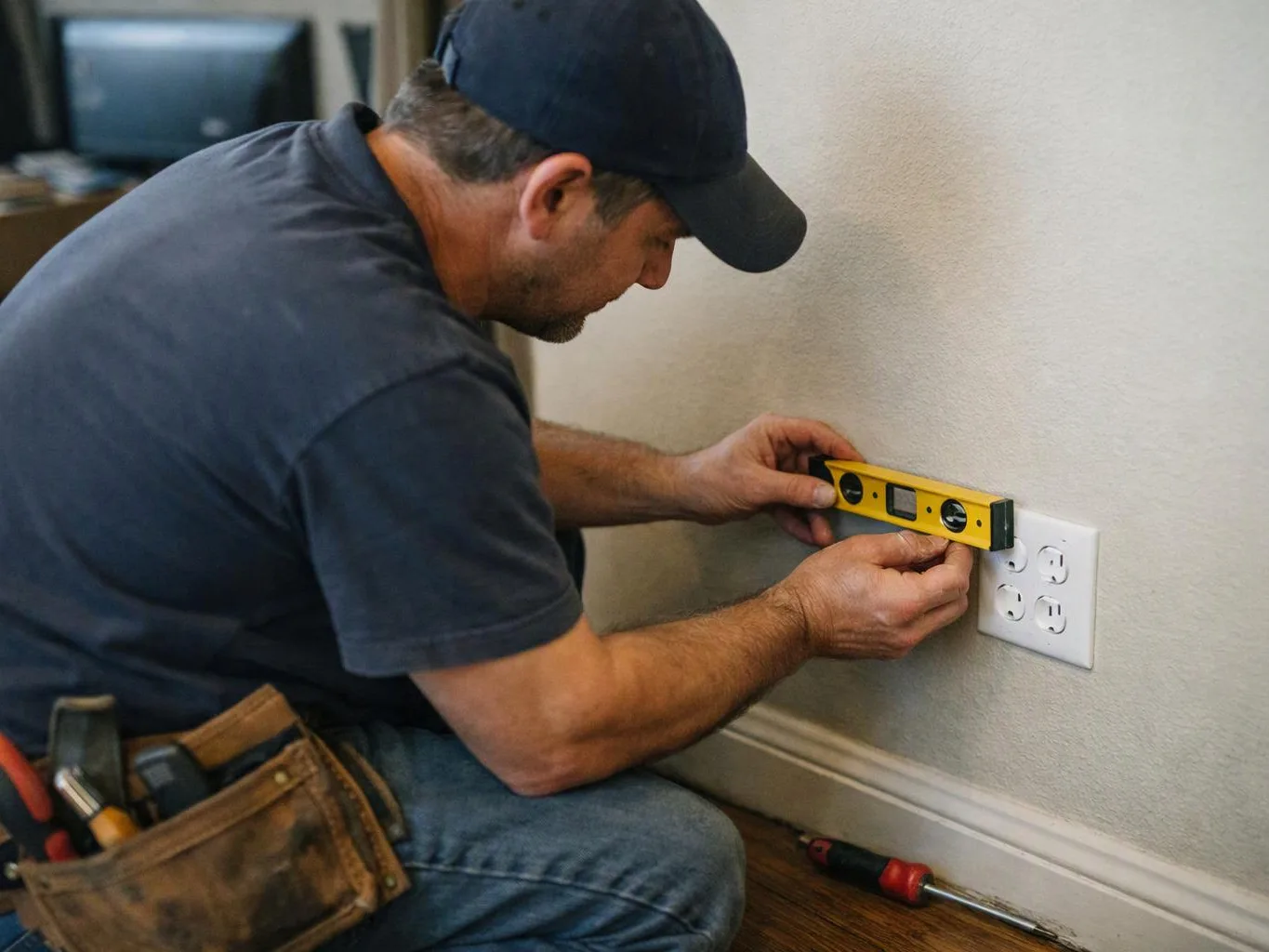
Outlet testing checks operation, polarity, grounding, and visible condition at accessible receptacles. The results help connect a dead outlet or warm plate to a circuit or wiring concern. We test GFCI protection where accessible and explain when hidden wiring needs more detailed testing.
When should a business request an electrical safety inspection?
A business should request an inspection before equipment changes, after repeated power issues, or when staff report unsafe electrical symptoms. The review covers accessible panels, circuits, outlets, grounding, and visible wiring. We explain which findings affect normal operations and which repairs should be planned next.
Why can a breaker keep tripping after it is reset?
A breaker can keep tripping because of overload, a wiring fault, connected equipment, or breaker damage. Our team traces the affected circuit and checks the panel, outlets, and visible wiring. Stop resetting the breaker repeatedly, especially if you notice heat, buzzing, smoke, or a burning smell.