How can an electrical inspection identify fire hazards from overheating wires?
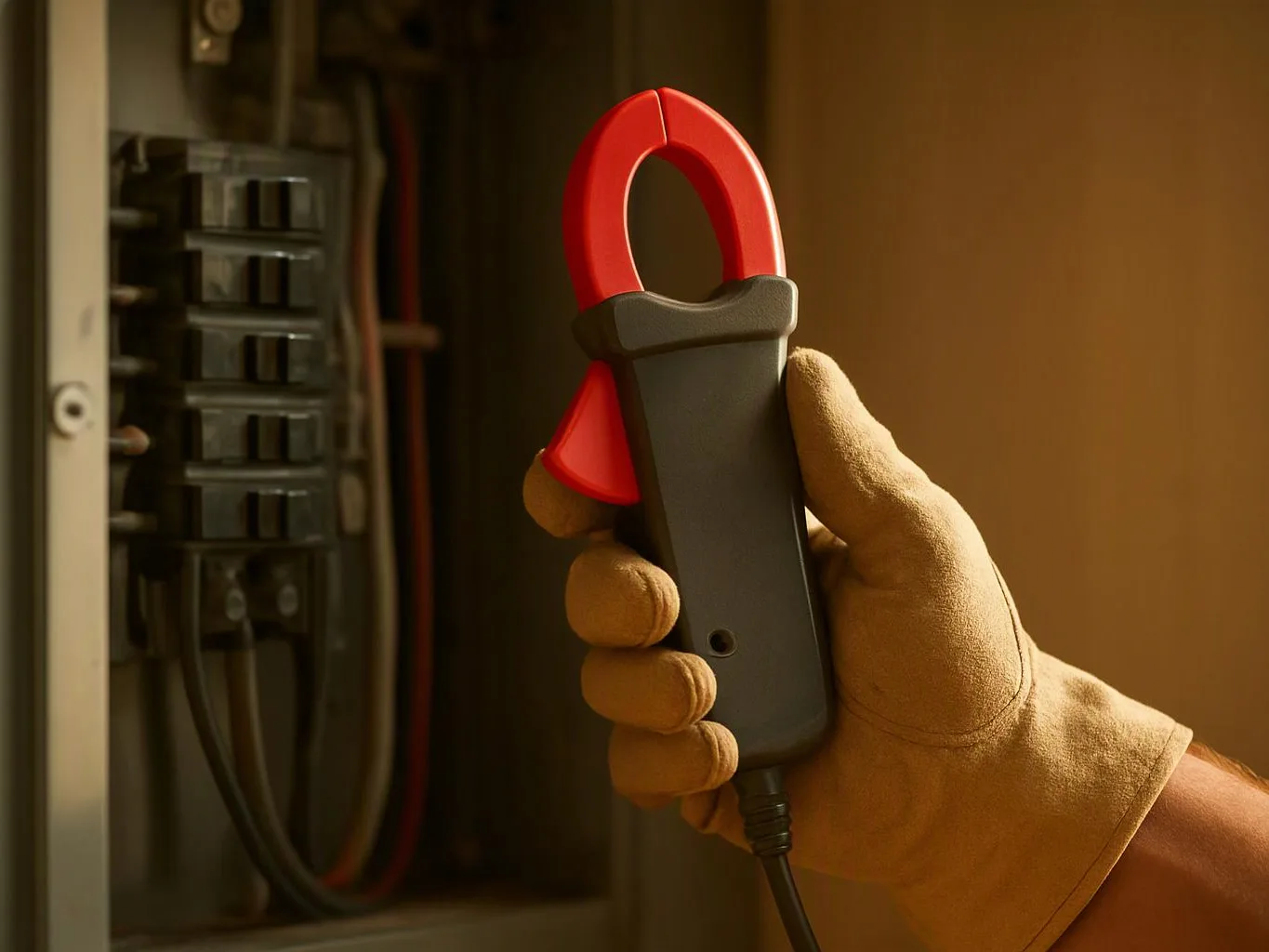
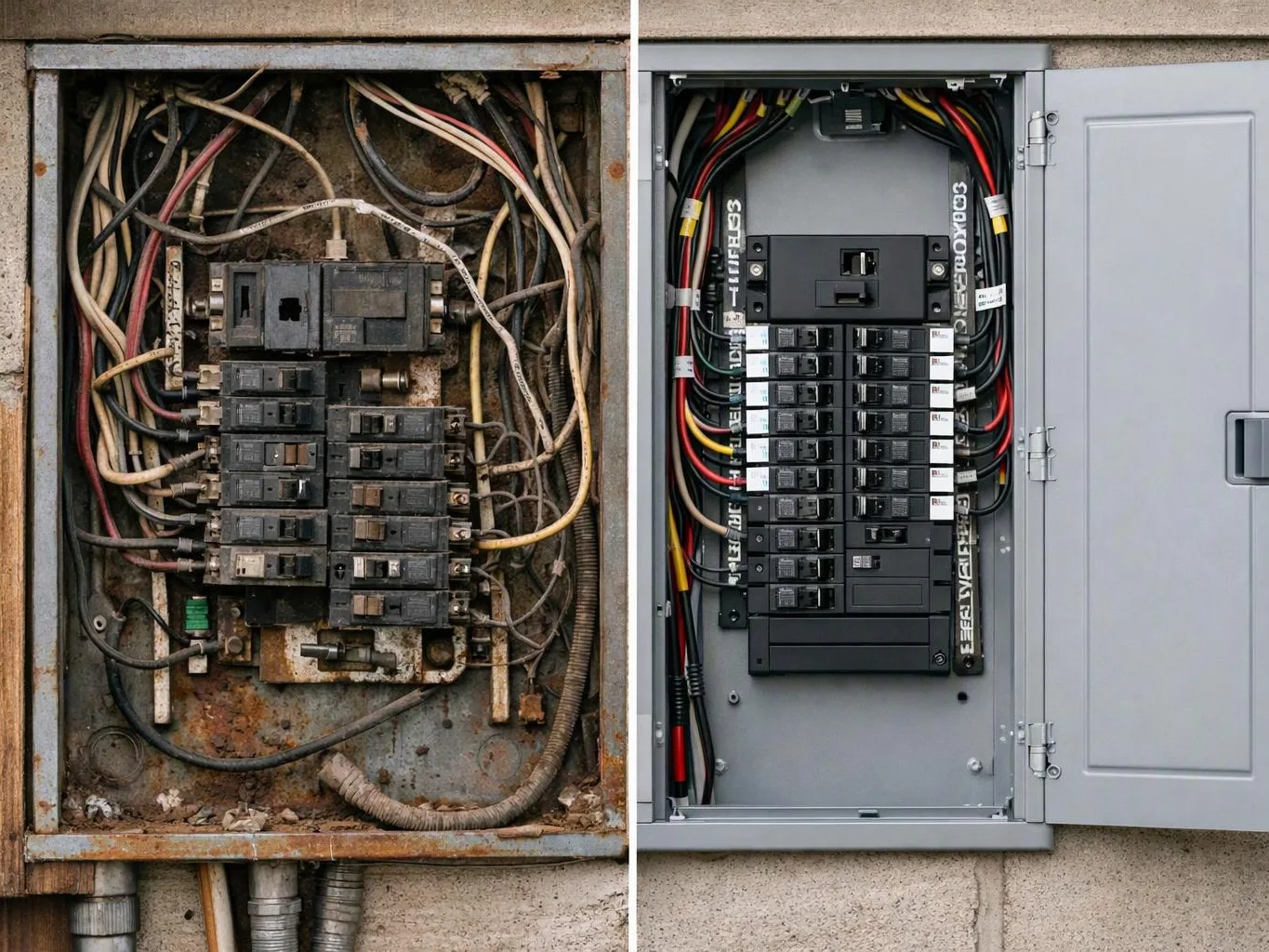
Overheating wires can reveal fire hazards through heat marks, damaged insulation, loose terminals, and overloaded circuits. We inspect the panel and affected circuit, then use circuit tracing and testing where access allows. A burning smell, buzzing panel, or visible damage calls for urgent attention, and repeated breaker resets should be avoided.
What should be ready before the inspection starts?
Property access and a list of known symptoms should be ready before the inspection starts. Please identify affected rooms, outlets, equipment, and recent electrical changes. Keep access open to the panel and reported devices when safe. We use that information to focus the inspection and explain any limits caused by blocked or concealed wiring.
Which electrical parts receive the closest review?
The panel, breakers, branch circuits, outlets, switches, grounding paths, and visible wiring receive the closest review. We look for loose connections, heat damage, arcing signs, damaged insulation, and circuit loading concerns. The inspection scope follows the reported symptom, property access, and the condition of accessible electrical parts.
When should a safety inspection become an urgent service request?
An inspection becomes urgent when electrical symptoms include a burning smell, sparking outlet, buzzing panel, exposed wiring, or repeated breaker trips. Stop using the affected device or circuit if it is safe to do so. Our 24-hour emergency electrician availability supports urgent calls, while the inspection determines the hazard and repair need.
Why does circuit tracing matter during an inspection?
Circuit tracing matters because the visible symptom may sit away from the fault. We follow the circuit from the outlet, switch, or equipment toward the panel and check related connections. This approach helps separate a failed device from a wiring, breaker, grounding, or load problem that needs different work.
How is the inspection matched to a property before work starts?
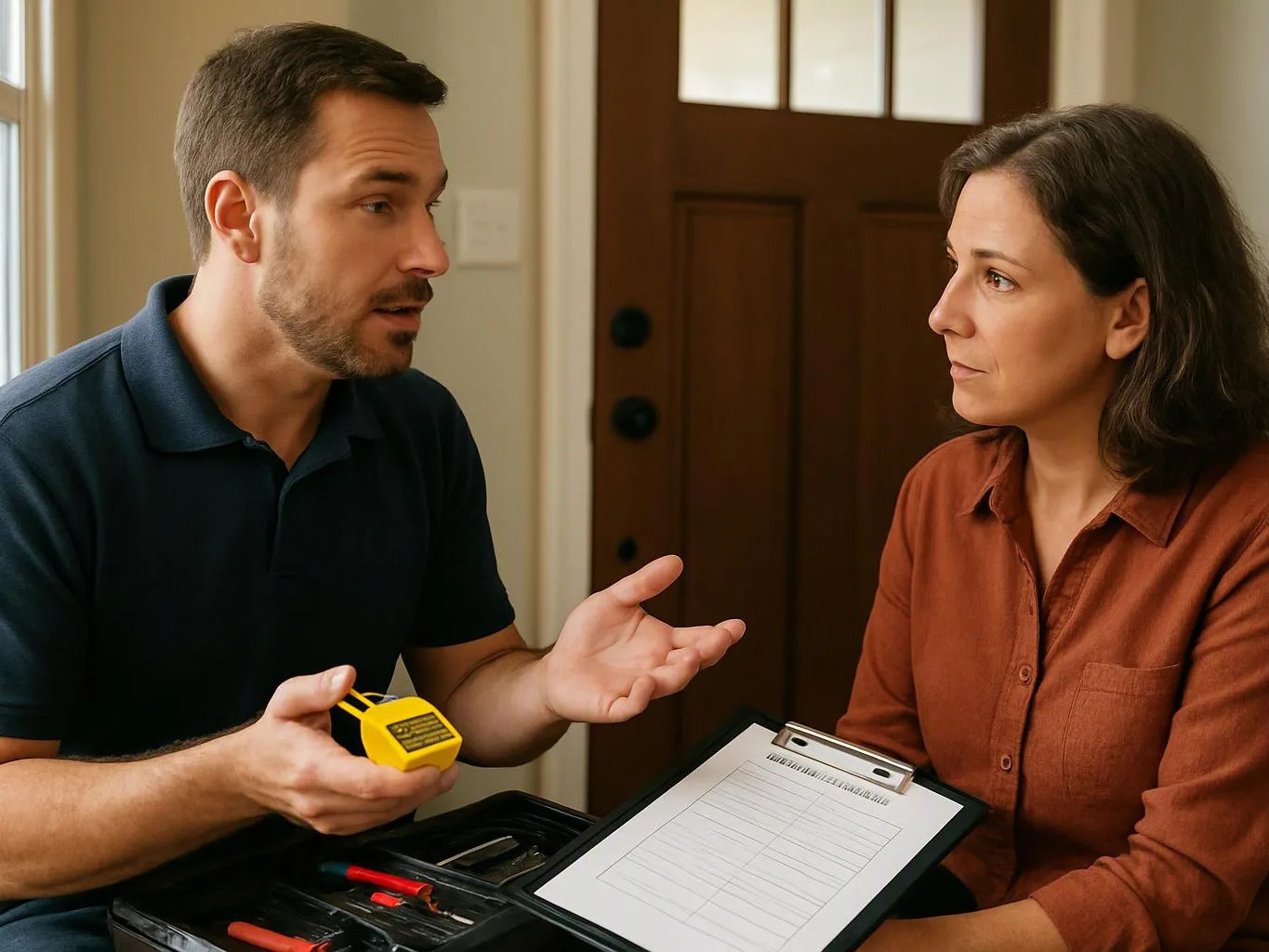
The inspection scope is matched to the property type, panel layout, reported symptoms, electrical equipment, and available access. Residential and commercial buildings may present different circuit paths and operating limits. We use the first discussion to identify the areas that need review and to set a focused assessment.
What should a customer ask before agreeing to the inspection?
Ask which areas and electrical parts the inspection will cover, what testing is included, and how findings will be explained. Confirm whether repairs are separate from the assessment and what access is needed. Center Electric Service provides clear answers about the proposed scope before work begins.