What problems can cause flickering lights?
An overloaded circuit, loose wiring, a faulty switch, voltage fluctuation, or a neutral fault can cause flickering lights. The location and pattern of the flicker help guide testing. We inspect the light, switch, circuit, and panel connections, then explain whether the issue calls for a repair, replacement, or broader check.
Which part of the property decides the troubleshooting scope?
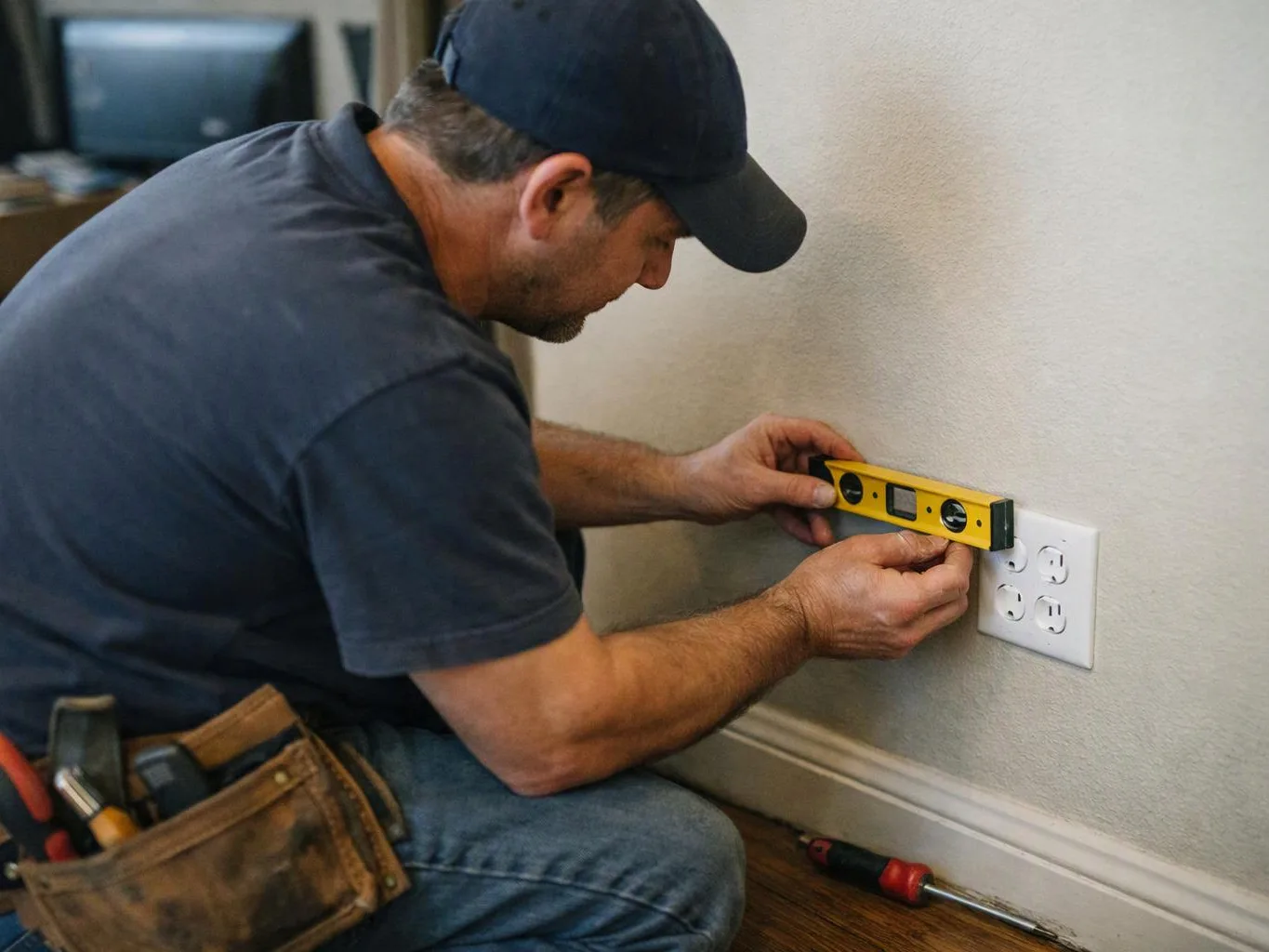
The affected circuit decides the troubleshooting scope because its panel, wiring, switches, outlets, and loads need review. A single fixture may require a focused check, while several rooms can point toward a branch circuit or panel issue. We map the symptom to the connected electrical parts before quoting the repair.
How does a troubleshooting visit move from the first call to the last step?
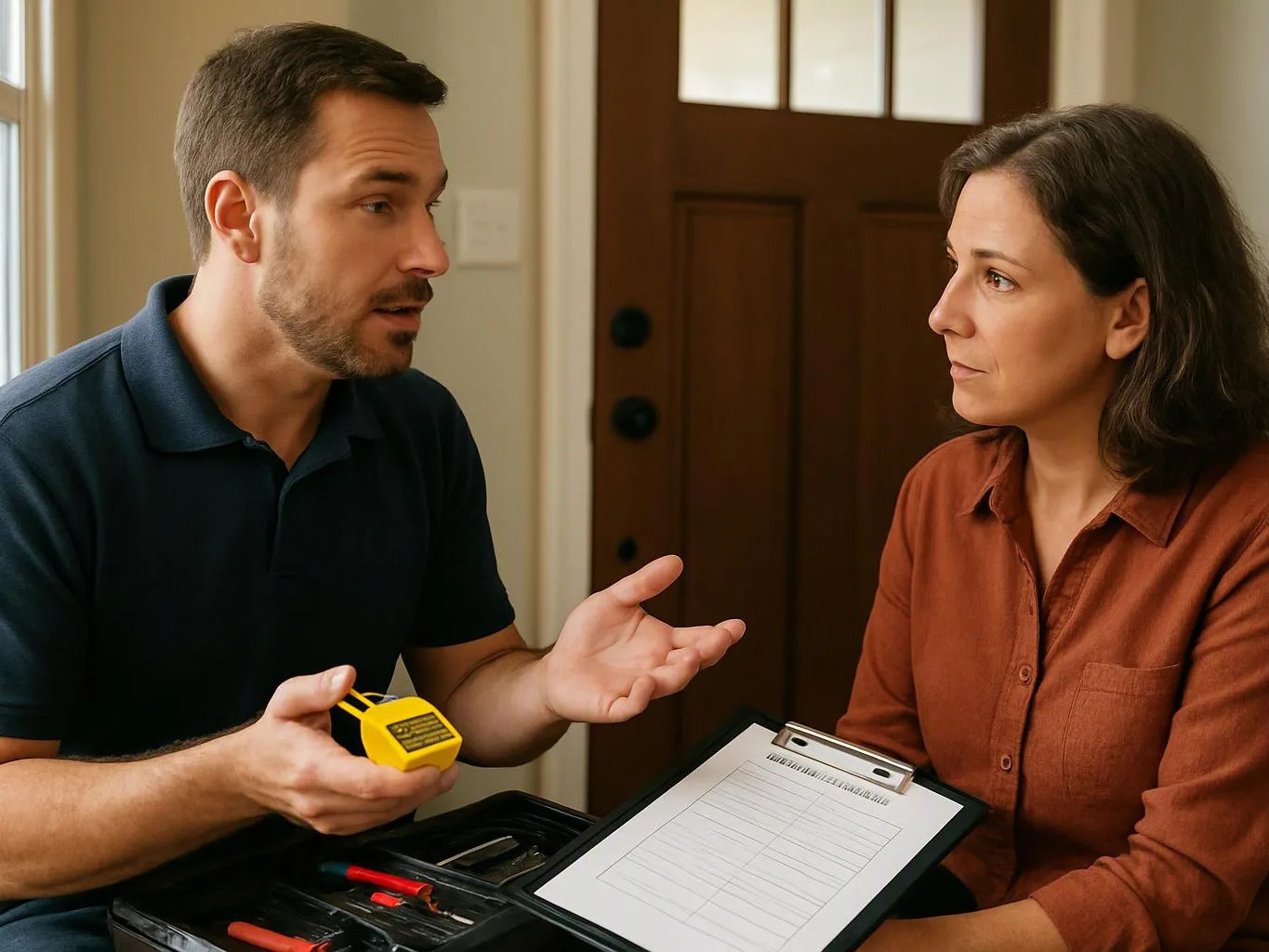
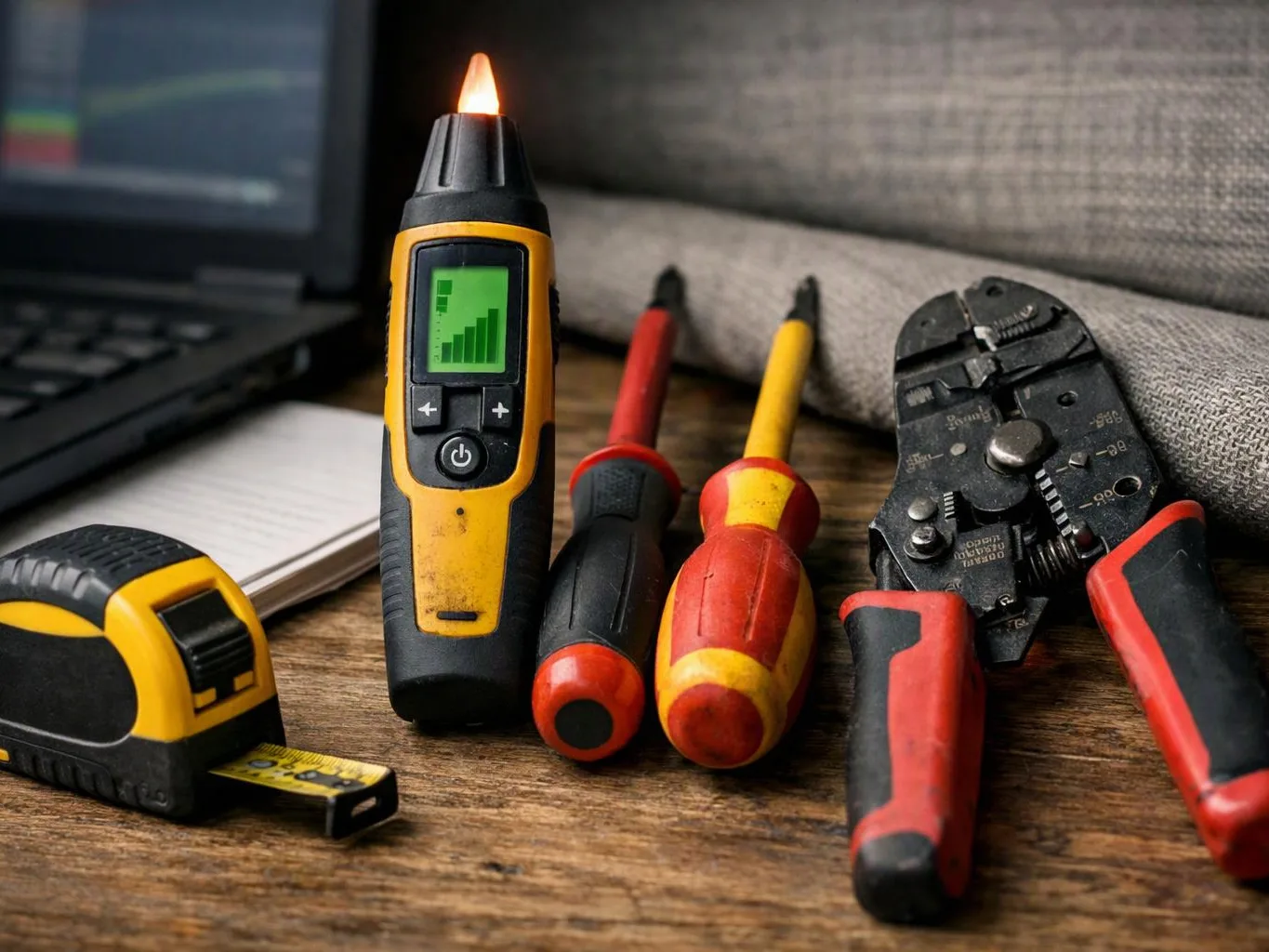
The visit moves from symptom review to inspection, circuit tracing, testing, repair planning, and final verification. We first record what is happening and where it occurs. Then we test the related parts, explain the findings, define the work, and verify the affected circuit after the repair.
Which material changes how long troubleshooting takes?
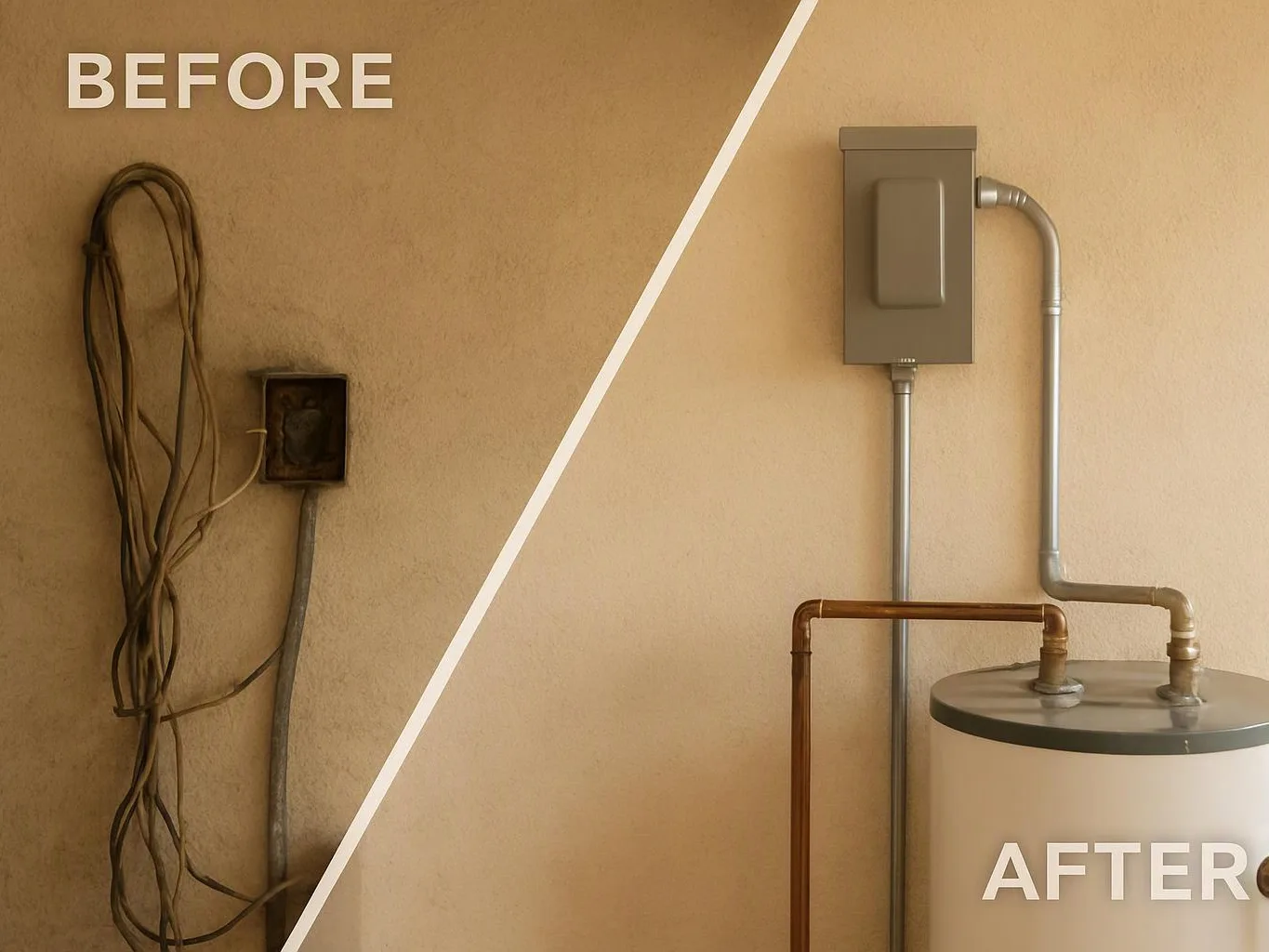
The wiring material and its condition can change the work needed to trace a fault. Copper, aluminum, damaged insulation, and older connections each require different checks. We identify the wiring at accessible points and explain how its condition affects the repair scope before work begins.
When should flickering lights become an urgent electrical call?
Flickering becomes urgent when it occurs with a burning smell, buzzing panel, warm switch plate, sparking, or repeated breaker trips. These signs can point to a dangerous electrical fault. Turn off the affected circuit if it is safe to do so, keep clear of damaged parts, and request emergency electrical service.
What should I check before requesting an assessment?
The symptom location, affected devices, breaker position, and timing give us useful starting information. Do not remove panel covers or open wiring yourself. Keep access clear, avoid touching hot or damaged parts, and tell us whether the problem changes when appliances, lights, or other loads operate.
Can troubleshooting lead to a panel upgrade?
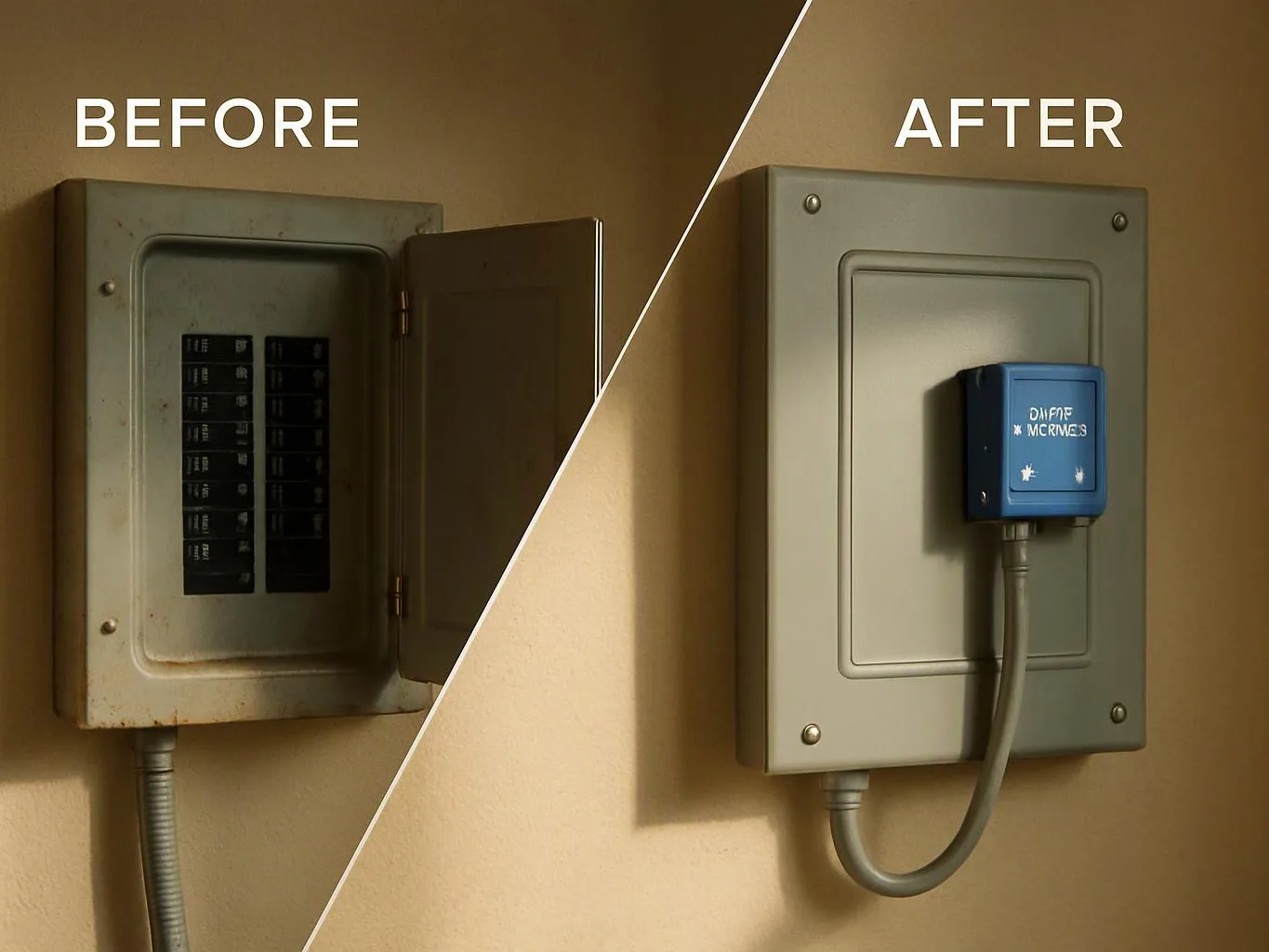
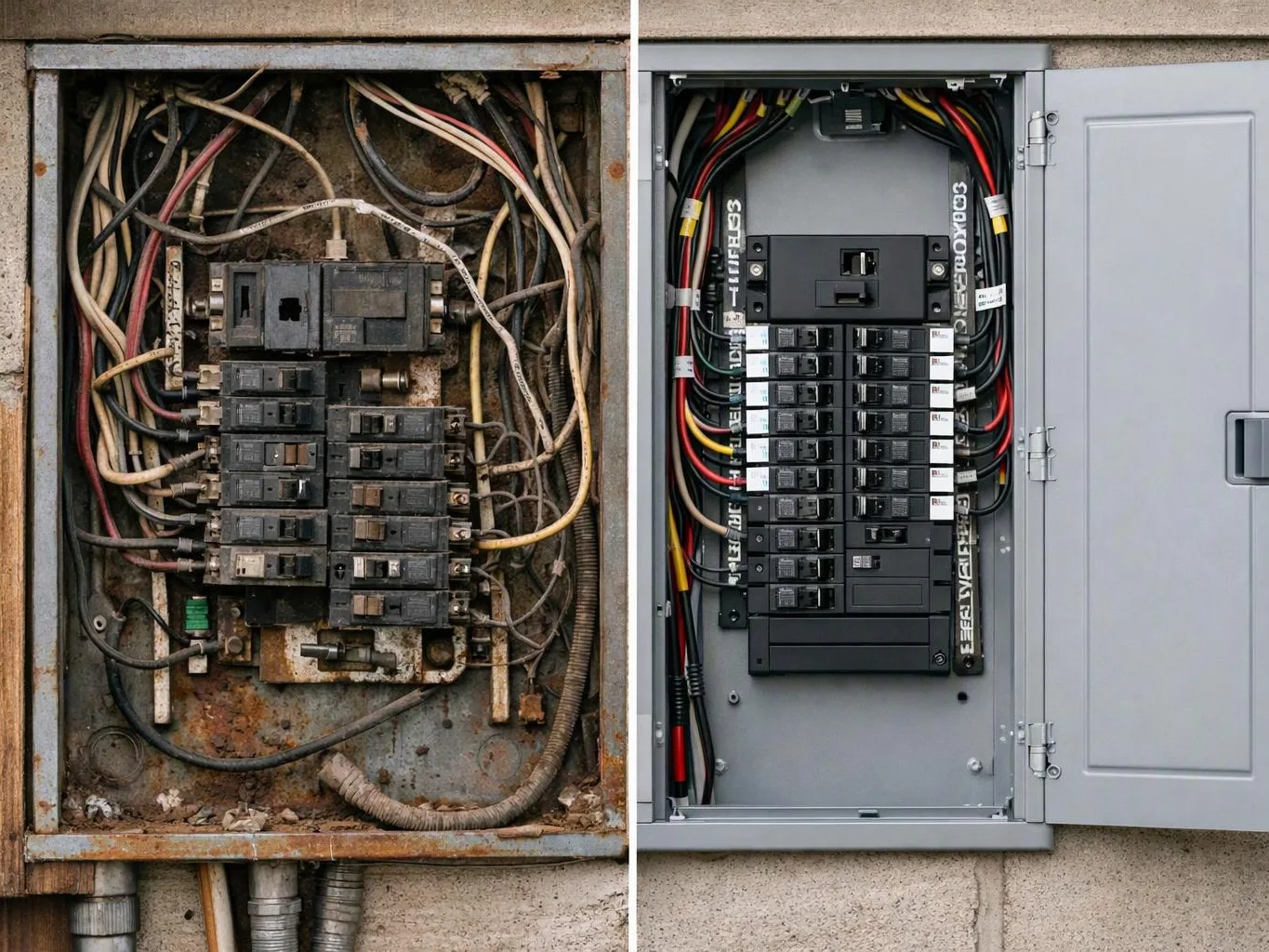
Yes, troubleshooting can show that a panel upgrade fits the electrical problem when the existing panel cannot support the property’s demand. Testing first helps separate a panel capacity issue from a branch circuit fault. We explain the findings and discuss the appropriate repair or installation scope.