How can I tell if an electrical fire is starting?
Flickering lights can warn of loose connections, overload, damaged wiring, or panel faults. Center Electric Service checks the affected circuit and related parts. Burning smells, hot outlets, smoke stains, and crackling sounds need prompt attention. Turn off the affected circuit if safe, keep clear of damaged parts, and request an electrical assessment.
What should I ask before agreeing to urgent electrical repair?
The repair scope should identify the fault, affected circuit, needed parts, and testing plan. Ask which condition caused the symptom and whether the work covers the panel, wiring, outlet, switch, or connected load. We explain the findings and provide a free estimate before you decide on additional planned work.
Which property condition changes the repair work?
Limited access, damaged wiring, an overloaded circuit, or an older panel can expand the repair scope. We inspect the affected path from the panel to the device. Customers should share any prior electrical work, repeated breaker trips, or signs of heat because those details guide circuit tracing.
When should I stop using an outlet or switch?
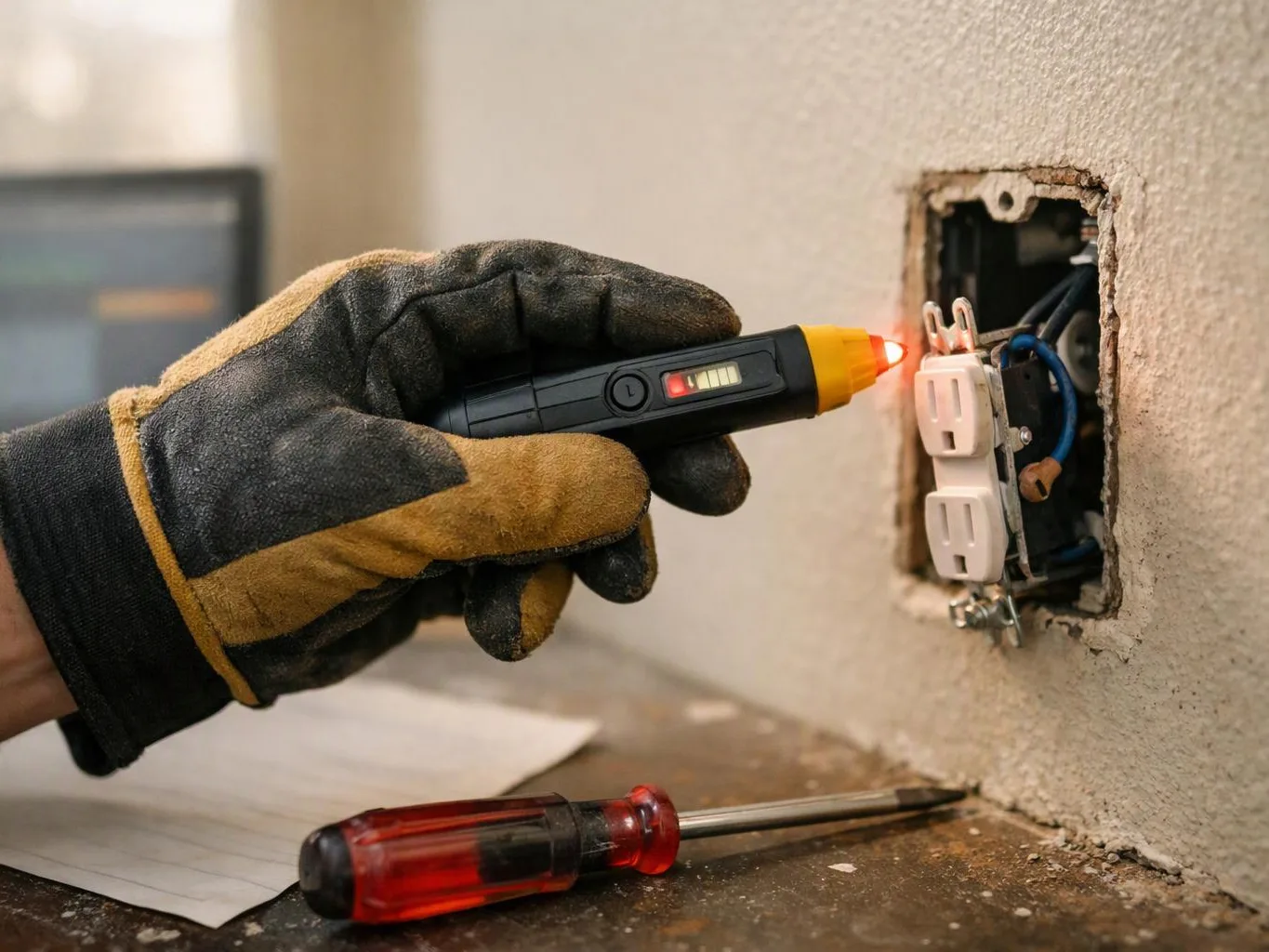
Stop using an outlet or switch when it sparks, feels hot, smells burned, smokes, or makes a crackling sound. We inspect the device, box, wiring, and circuit before recommending use. A breaker that trips again also calls for a check instead of repeated resets.
Why does a breaker keep tripping after a reset?
A breaker may keep tripping because of an overload, short circuit, damaged wiring, or a faulty connected device. We trace the circuit and inspect the breaker, panel connections, outlets, switches, and wiring. Repeated resets can leave the underlying fault active, so the circuit should be assessed.
How is urgent repair matched to the property before work starts?
The property type, affected electrical load, panel condition, circuit layout, and access guide the repair approach. We use the reported symptom as a starting point, then inspect the connected parts. Homes, businesses, and commercial properties may need different circuit checks because their electrical demands and layouts differ.
What should I photograph before requesting an electrical assessment?
Photograph the affected outlet, switch, panel label, breaker position, smoke stain, or visible wiring from a safe distance. Do not remove covers or touch damaged parts. We use the photos with your description of sounds, heat, smells, and breaker behavior to prepare for the assessment.