What should I do during an electrical emergency?
Center Electric Service recommends moving away from the hazard and contacting the utility company when outside power equipment is involved. Turn off the main disconnect only if you can do so safely. Do not touch sparking outlets, buzzing panels, or damaged wires. Leave the property if smoke or fire appears, and use emergency services for immediate danger.
What does the crew look at first during urgent electrical repair?
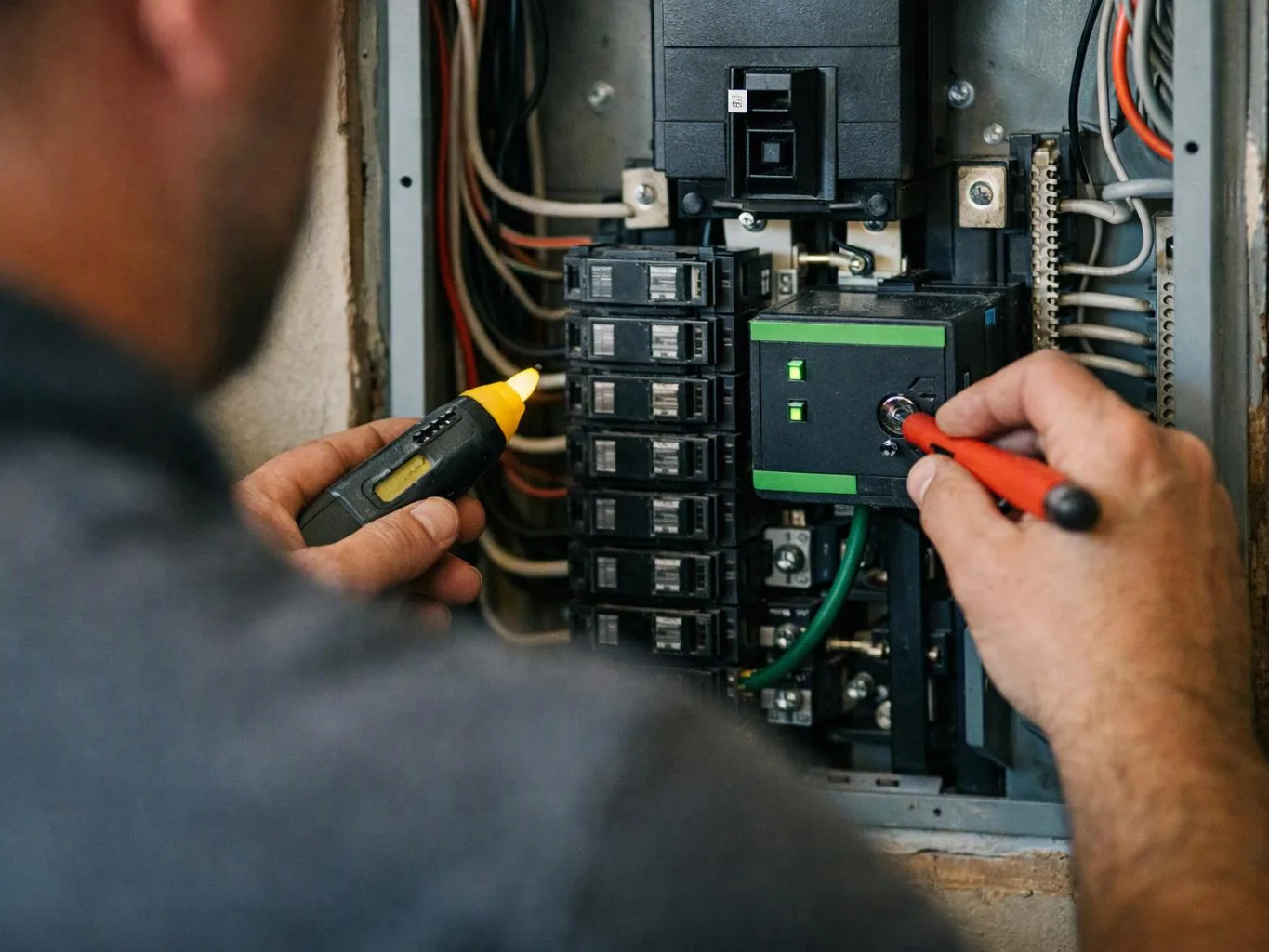
The first check covers visible hazards, the main disconnect, the circuit breaker, and the affected outlet or switch. We look for heat, arcing, loose connections, and damaged insulation. Circuit tracing then helps isolate the fault. A burning smell from an outlet or a buzzing panel calls for extra caution before any reset.
Who is a good fit for emergency electrical repair, and who needs a different service?
Emergency electrical repair fits homes, businesses, and commercial properties with an active electrical fault. We address dead outlets, sparking outlets, flickering lights, tripped breakers, and damaged wiring. Planned lighting upgrades, panel improvements, and new construction wiring need scheduled electrical work. Fire, smoke, or downed utility equipment also requires emergency services or utility assistance.
What happens at each stage of urgent electrical repair?
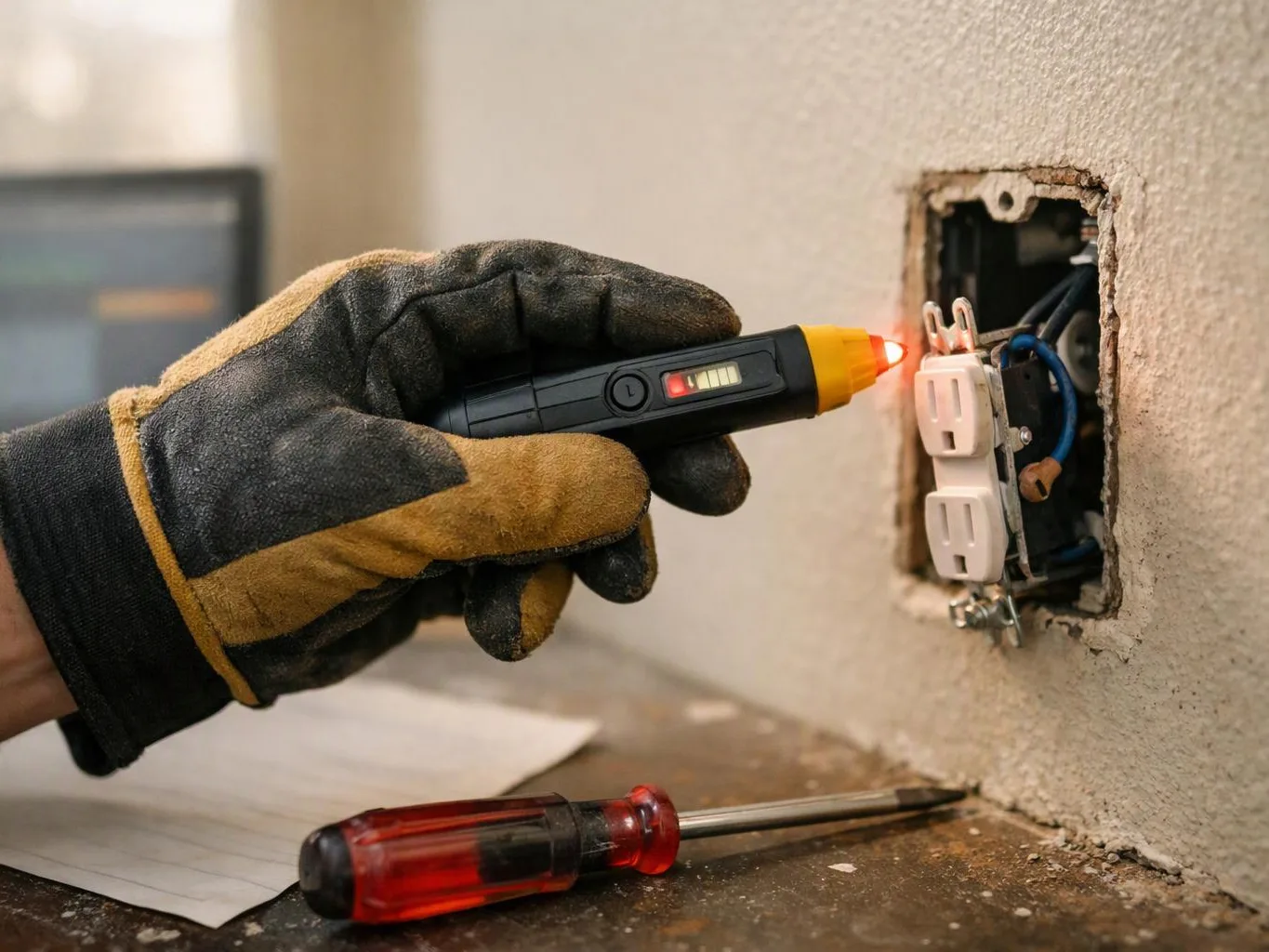
The repair follows a safety check, fault diagnosis, isolation, repair, and testing sequence. We inspect the affected area and trace the circuit before choosing the repair scope. The work may include replacing an outlet, switch, breaker, or damaged wire. Testing and verification follow the repair so the circuit is checked before normal use.
Which details change the price of an emergency electrical repair visit?
The fault location, access, damaged parts, wiring condition, and repair scope shape the estimate. A simple outlet replacement differs from circuit tracing, grounding correction, or a panel repair. We provide Free Estimates Available so you can review the recommended work before deciding. Hidden damage can expand the scope after safe access and testing.
Why does a breaker keep tripping after I reset it?
A breaker that keeps tripping points to an ongoing overload, short circuit, damaged device, or wiring fault. Repeated resets can increase risk, so leave the breaker off when the problem returns. We inspect the connected circuit, trace the fault, and test the affected equipment. The repair may require a circuit repair, outlet replacement, or panel work.