How can voltage testing make a damaged circuit safe?
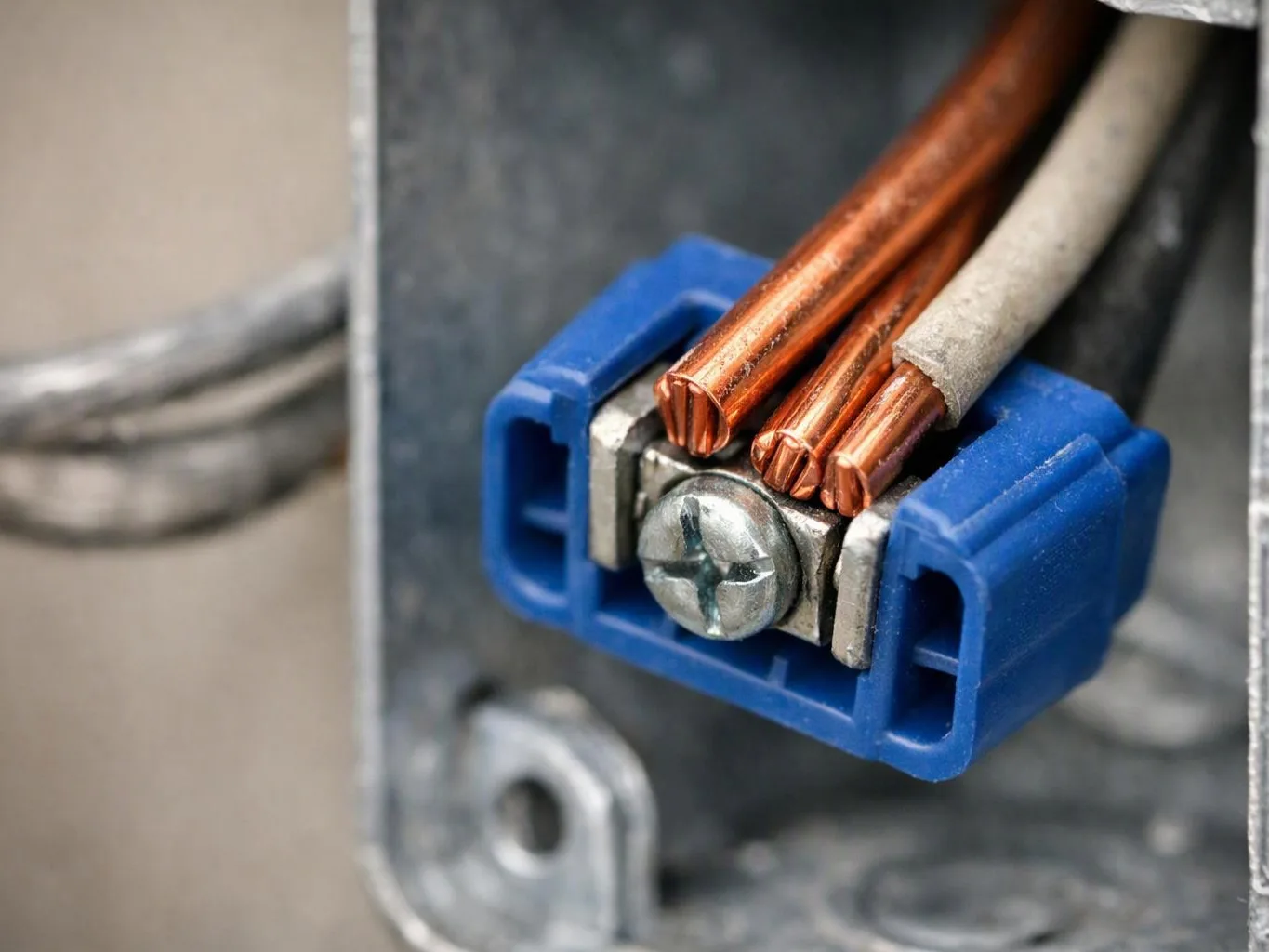
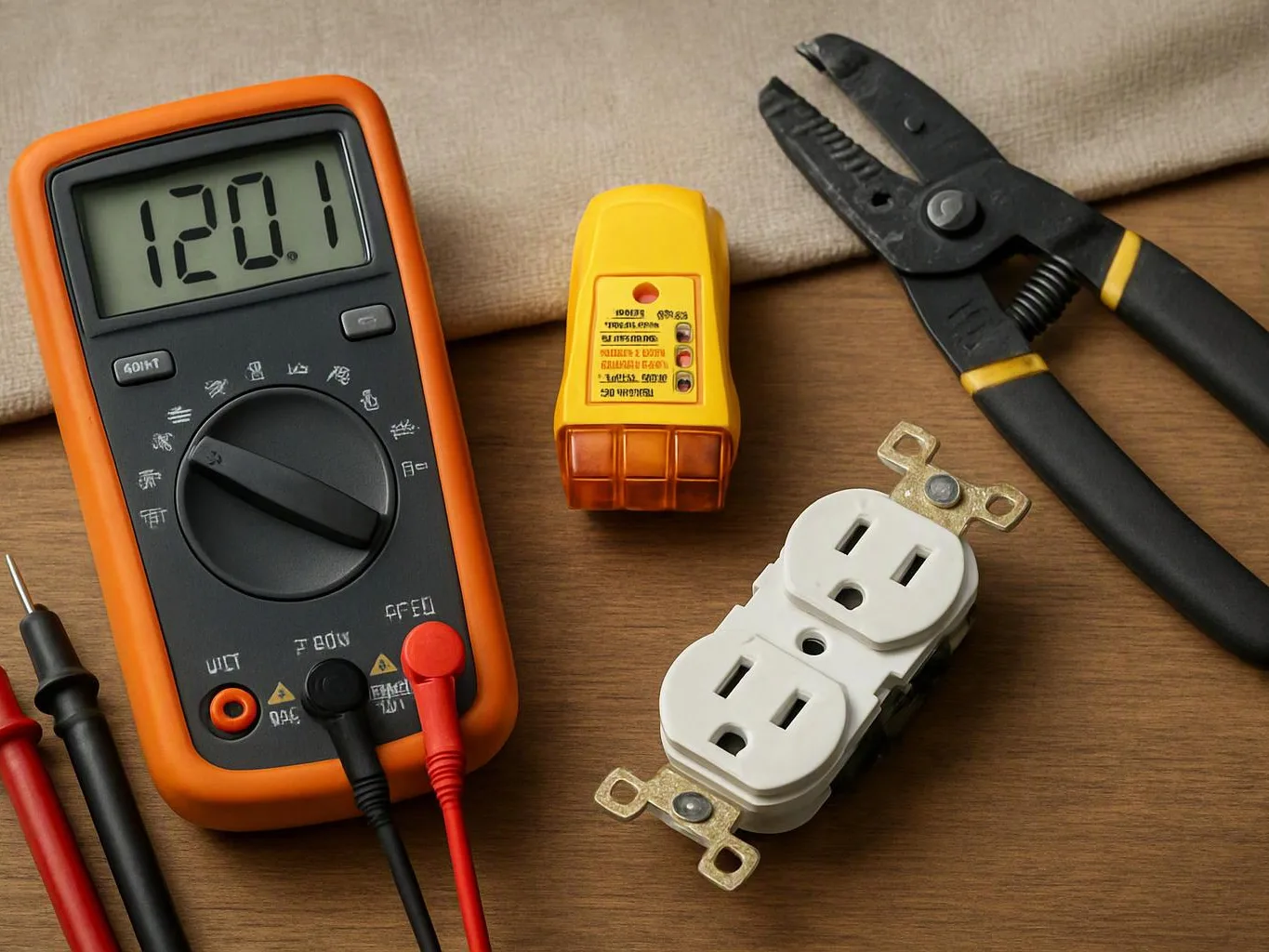
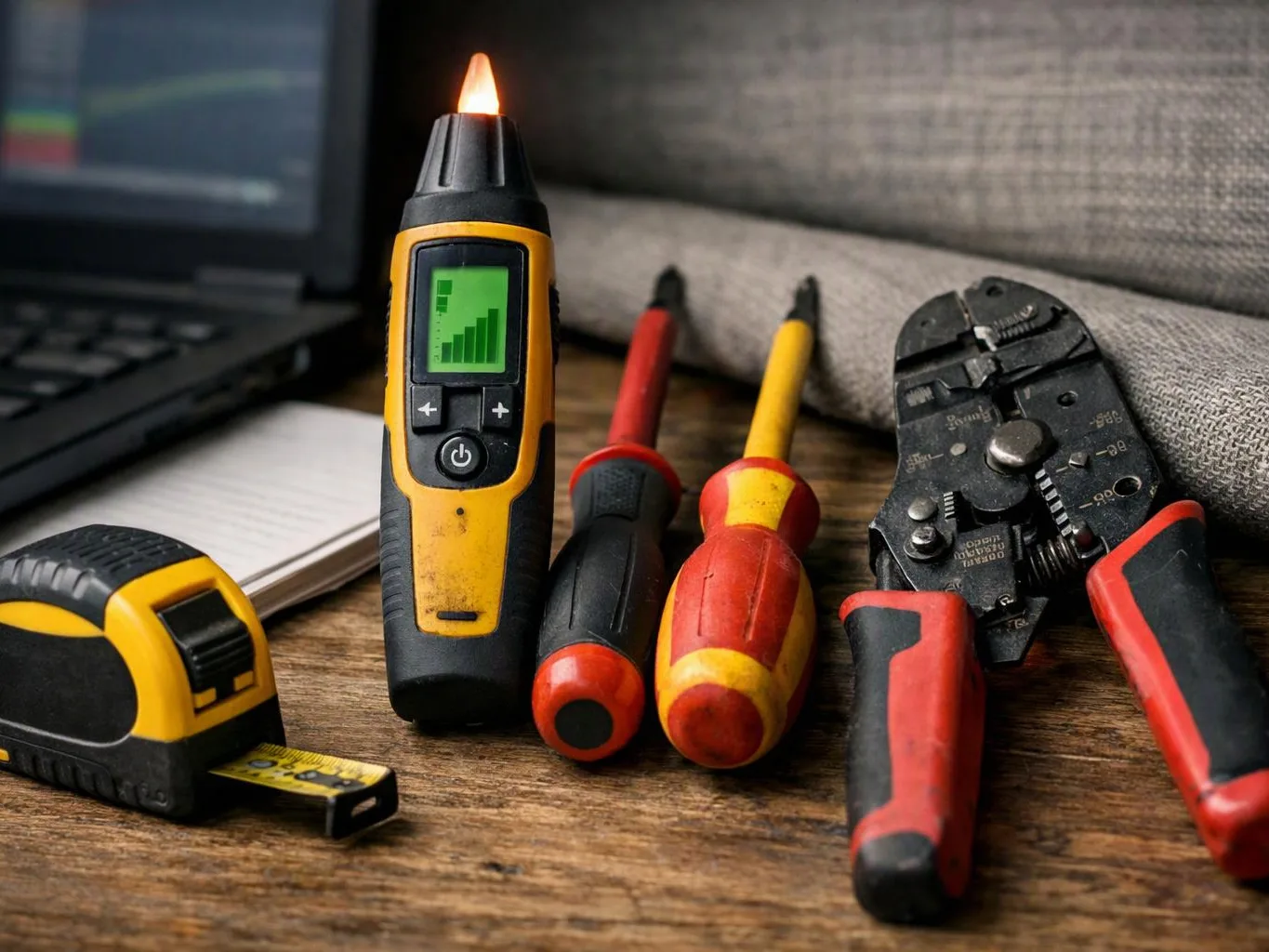
Voltage testing identifies whether a damaged circuit still carries power before repairs begin. Center Electric Service tests the circuit, isolates unsafe sections, and checks conductors before capping wires or replacing parts. The repair decision also considers the breaker, connected load, panel condition, and visible signs of heat or arcing.
What should I ask before agreeing to emergency electrical work?
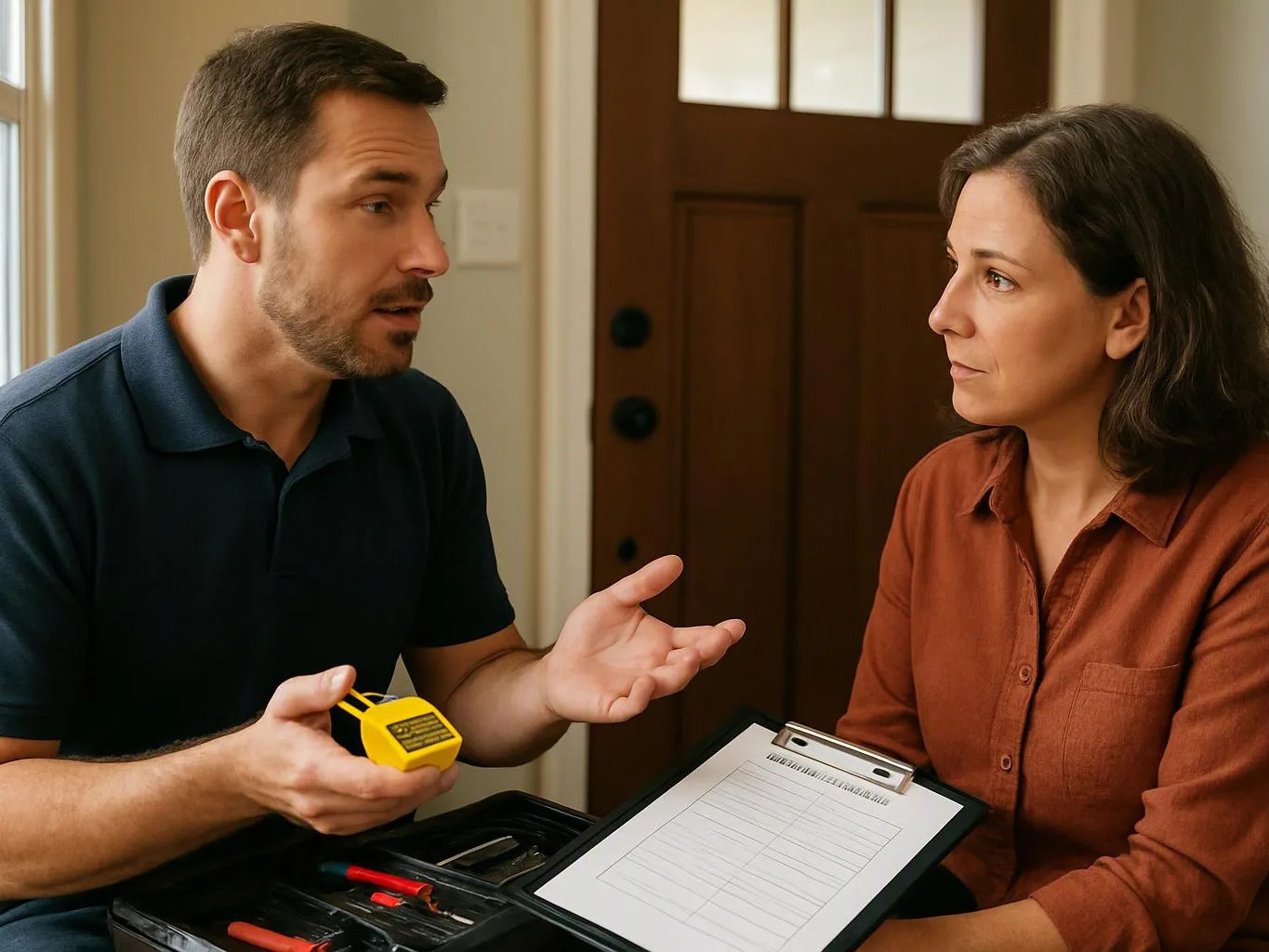
The customer should ask which circuit is affected, what caused the fault, and what work will control the immediate risk. We explain whether the recommendation is a temporary repair, part replacement, rewiring, or panel work. Ask what the estimate includes and what further inspection the property may need.
Which property condition changes the time needed for circuit repair?
Limited access to wiring, hidden damage, a crowded panel, or an unknown circuit path can add work before repairs are safe. We trace the circuit and inspect accessible connections first. A clear panel area and information about recent electrical changes help us assess the job.
When should a tripped breaker stay switched off?
A tripped breaker should stay off when it trips again, smells hot, makes noise, or connects to a sparking outlet or damaged device. We inspect the circuit before resetting it. Repeated resets can leave a short, overload, or failing connection unresolved.
Why do flickering lights need circuit tracing?
Flickering lights need circuit tracing because the fault may involve a loose connection, overloaded circuit, failing breaker, or damaged fixture. We follow the circuit from the panel to the affected lights and connected loads. That check helps separate a fixture problem from a wider wiring fault.
How is emergency electrical work matched to a property?
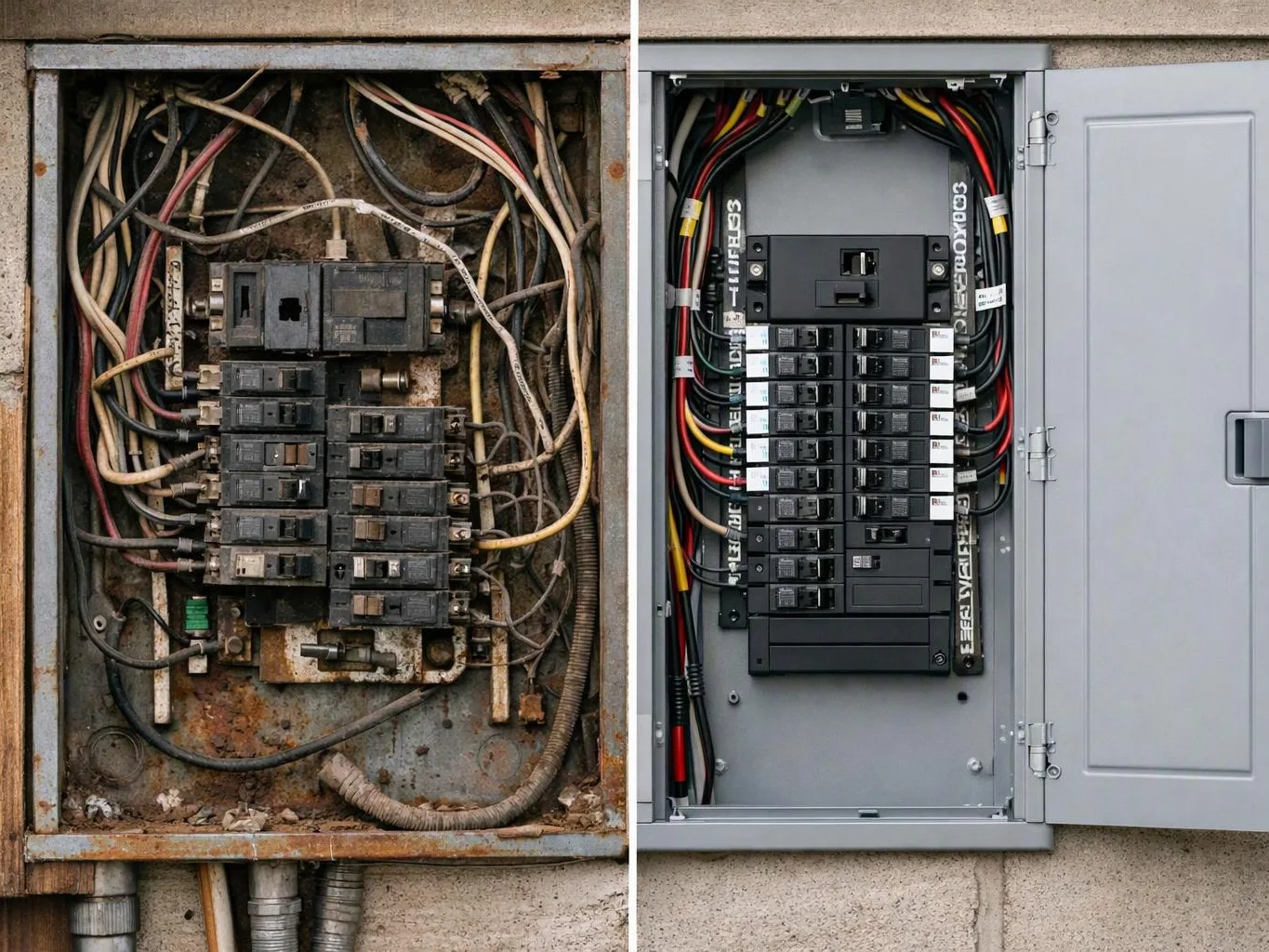
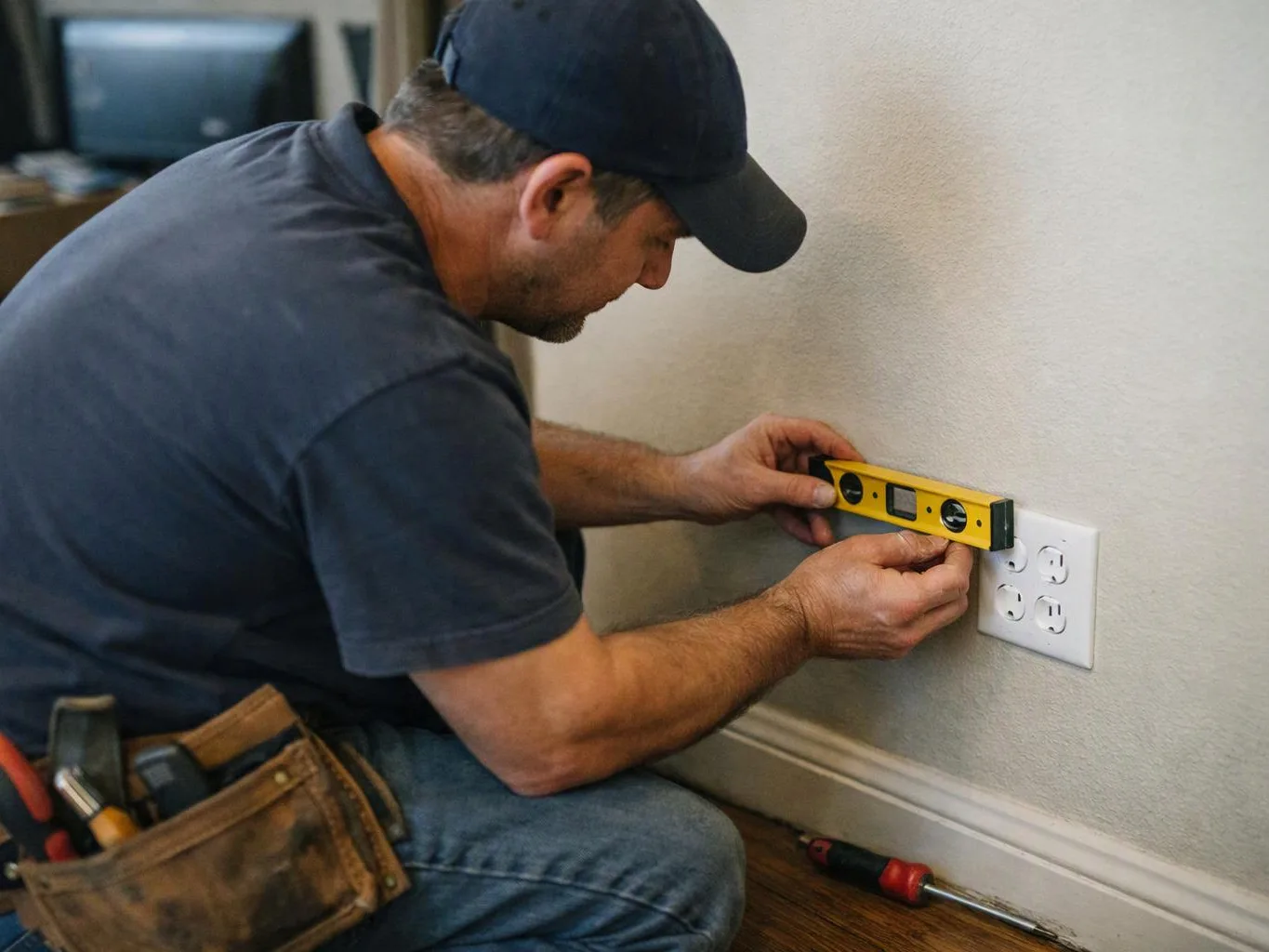
Emergency electrical work is matched to the property through its panel, circuit layout, wiring condition, connected loads, and access points. We inspect those factors before selecting a repair. Residential and commercial properties may need different circuit controls, equipment checks, and follow-up work.
What information helps with an urgent electrical assessment?
The most useful information includes the warning sign, affected room or equipment, breaker position, recent electrical work, and any smell, heat, smoke, or spark. We use those details to focus the inspection. Photos can help explain the symptom, but damaged equipment should not be handled for a photo.