
Skip to content

EV Charger Load-Management Installation in Jurupa Valley, California

Breaker tripping can point to a load-management problem in Jurupa Valley. We check the charger circuit, sensor placement, and settings before making safe corrections.

Licensed & InsuredFree EstimatesSame-Day ServiceServing 61 Communities

Quick Summary: EV Charger Load Management in Jurupa Valley, California

EV charger load-management installation in Jurupa Valley is provided by Center Electric Service for homes and businesses. The service covers sensor checks, communication testing, settings review, and related electrical work, with licensed and insured electricians available for residential and commercial projects.

  • What we do: Center Electric Service provides EV charger load-management installation for residential and commercial properties in Jurupa Valley, California.
  • What is included: Key capabilities include sensor placement checks, communication testing, load review, settings checks, circuit tracing, and related panel work.
  • What you get: The customer receives a load-management system that has been checked, adjusted where needed, and matched to the property's electrical needs.

Why does breaker tripping affect my EV charger load-management system in Jurupa Valley, California?

Breaker tripping can signal excess demand, sensor errors, communication loss, or incorrect system settings. We test the charger circuit and load controls to identify the cause.
EV Charger Load Management for Jurupa Valley Properties

EV charger load-management installation helps a property control charging demand when other electrical loads are active. The work can include a load calculation, sensor placement review, communication testing, and settings checks.

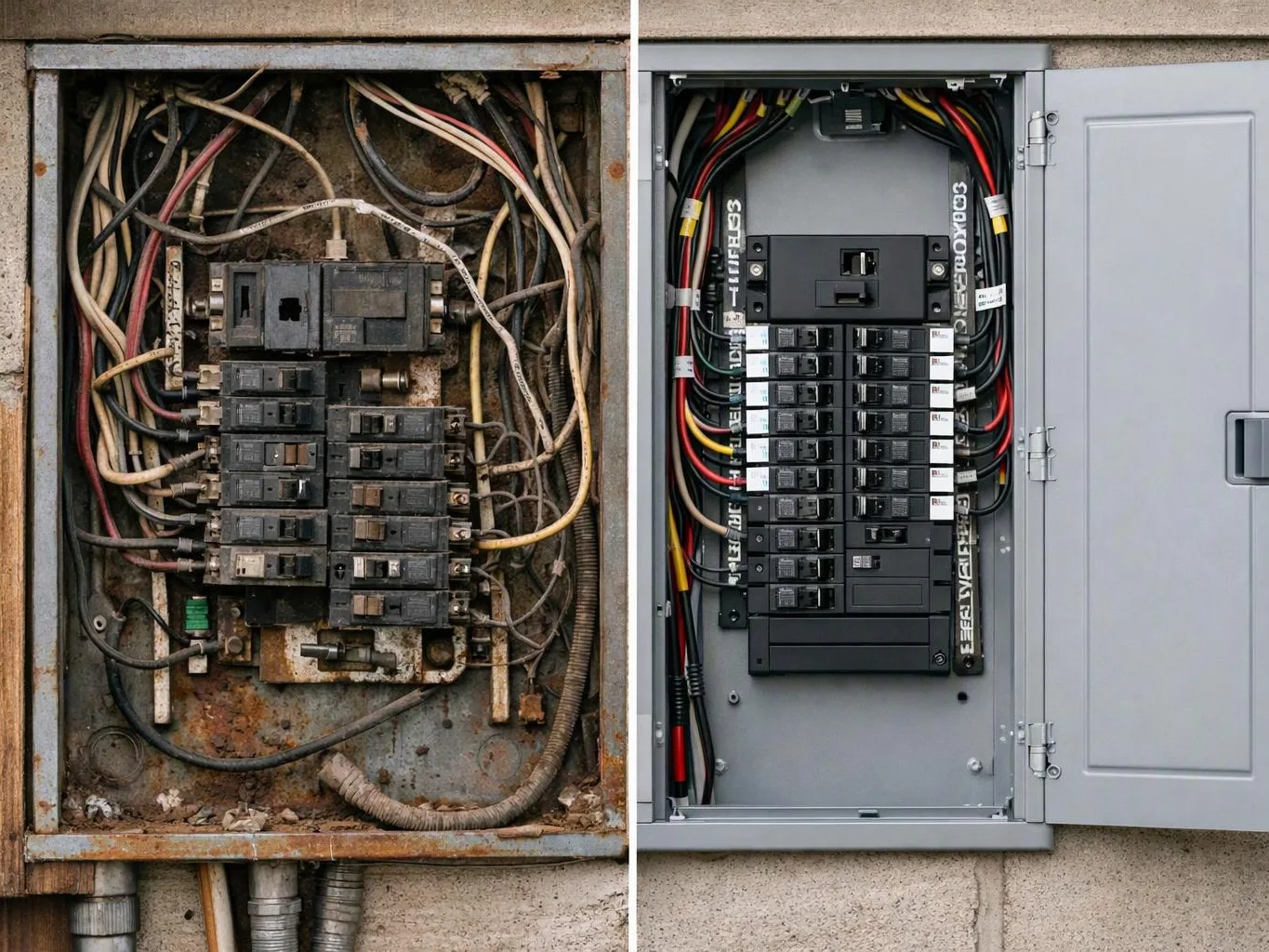
The key buyer decision is whether the issue sits in the charger circuit, the load sensor, the control settings, or the property's available capacity. We trace the fault before recommending changes, so a panel upgrade or subpanel installation is considered only when the existing system requires it.

This page focuses on performance problems that affect charging control. It is a better fit for customers dealing with breaker trips, charging interruptions, or unexplained load changes than for customers who only need a new outlet.

  • Check the EV charger circuit and related breakers.
  • Review sensor placement and the readings sent to the control system.
  • Test communication between the charger and load-management equipment.
  • Check settings against the property's active electrical loads.
  • Identify whether excess demand requires separate panel work.
A hand points a remote at a ceiling fan in a living room, with the light off above and on below

Service Overview

EV charger load-management installation is a service that controls charging demand across an electrical system.

  • Load management differs from basic EV charging installation because it also checks how the charger shares available power with other circuits.
  • Center Electric Service provides this work for homes and businesses in Jurupa Valley.

What Customers Get From This Charging Control Service

A fault-based work scope

We start with the symptom and test the parts that control charging. The service is the wrong job when the issue comes only from a utility outage or a charger that has no electrical connection.

A closer look at sensor readings

Sensor placement affects the information used by load-management controls. We check the sensor position, wiring, and readings before changing system settings.

Electrical work beyond the charger

Some properties need circuit tracing, grounding correction, a panel upgrade, or subpanel work after testing. We separate those needs from the control issue instead of combining every concern into one scope.

Licensed and insured electricians

Our licensed and insured electricians provide residential and commercial electrical service, including inspections, troubleshooting, and new installations.

A client scenario this service addresses

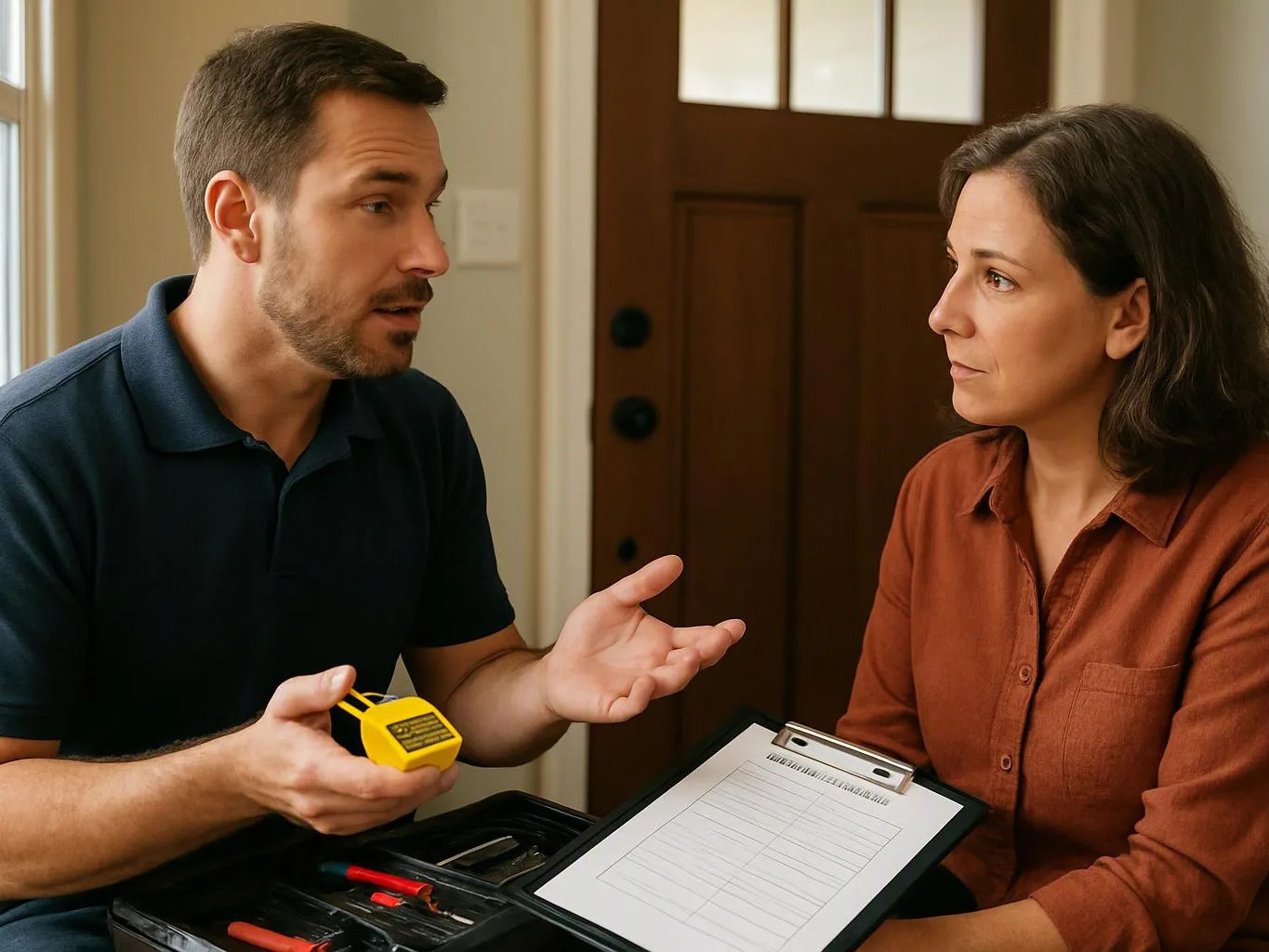
A homeowner or business may report charging interruptions after other large electrical loads turn on. We check the charger circuit, load sensors, communication path, and settings, then explain whether the control system needs adjustment or whether related panel work is required.

Process

How We Complete Charging Load-Control Work

1

Review the charging symptoms

We document when charging stops, which breakers respond, and what other electrical loads run at the same time.

2

Trace the charger circuit

Our team identifies the charger circuit, related panel equipment, and wiring that carries the charging load.

3

Check sensors and communication

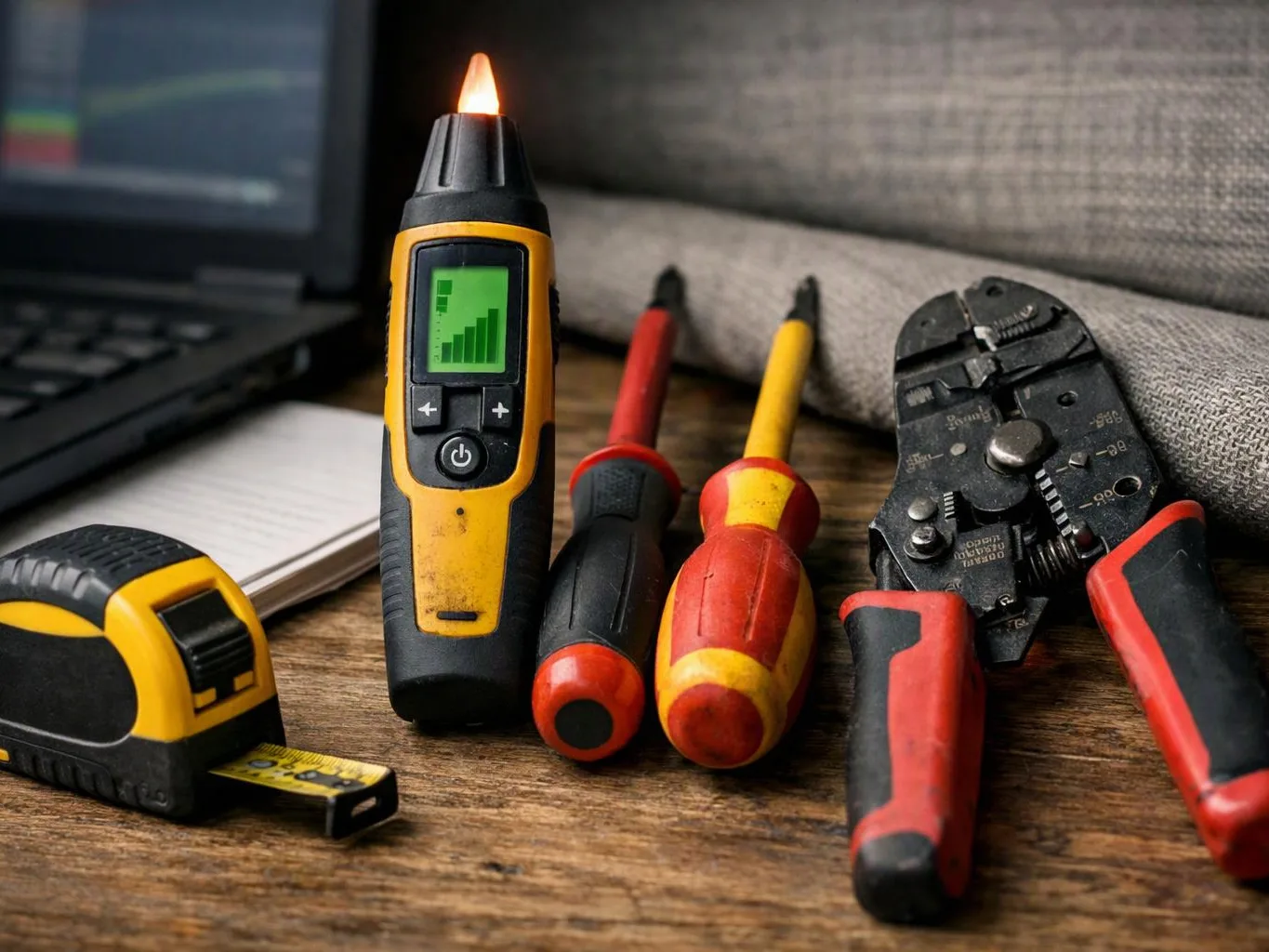
We inspect sensor placement and test the communication path between the charger and its load-management controls.

4

Review settings and demand

We compare the control settings with the property's active loads and check for excess demand.

5

Explain the recommended scope

We describe the needed adjustment or related electrical work, then provide a quote for the agreed project.

6

Test the completed work

Testing confirms that the charger, sensors, controls, and related circuit operate together as intended.

What Better Load Control Changes for Your Charger

Accurate sensor readings help the system respond to real electrical demand.

A settings review can reveal why charging stops when other circuits run.

Communication testing separates a control problem from a charger circuit problem.

Load checks give you a clearer choice between adjustment and added electrical work.

A documented inspection helps residential and commercial customers plan the next step safely.

What This EV Charging Control Work Includes

Center Electric Service provides comprehensive EV charger load-management installation in Jurupa Valley. Here's what you get:

  • We inspect the charger circuit and related electrical equipment.
  • We check sensor placement and confirm that the system receives useful load readings.
  • We test communication between the charger and its load-management controls.
  • We review settings that control charging during other electrical demand.
  • We trace breaker problems and identify related wiring or panel concerns.
  • We explain the recommended work and prepare a quote for the agreed scope.

Charging Control Problems and the Next Electrical Check

These common symptoms point to different checks before the work scope is set.

Problem typeWhat we checkPossible next scope
Sensor placementSensor position, wiring, and readingsCorrect sensor placement or related wiring work
Communication lossConnection between charger and control equipmentCommunication testing and equipment-related repair
Incorrect settingsCharging limits and active load settingsSettings adjustment and verification
Excess demandCharger load and other active circuitsLoad-management work or separate panel evaluation

The Center Electric Service Standard

  • Urgent Assistance
  • Issue Diagnosis
  • Safety First
  • Clear Recommendations

Questions About EV Charger Load-Control Problems

Why does breaker tripping affect EV charger load-management performance?

Breaker tripping can result from excess demand, sensor errors, communication loss, or incorrect settings. We test the charger circuit and related controls to find the cause. The inspection also checks whether another electrical load is competing with the charger. Our findings show whether the remedy involves settings, wiring, control equipment, or separate panel work.

How does an EV charger load-management visit move from the first call to the last step?

The visit moves from symptom review to circuit testing, control checks, scope approval, and final verification.

  1. We record the charging issue and active loads.
  2. We trace the charger circuit and inspect sensors.
  3. We test communication and review settings.
  4. We explain the quote and test the agreed work after completion.

How can I tell whether load management fits my property?

Load management fits a property when charging demand must be controlled alongside other active electrical loads. We review the charger circuit, panel capacity, sensor access, and control equipment. A property may need separate panel work when its electrical capacity or wiring cannot support the planned charger connection. The assessment identifies which path fits.

Which part of the property decides the scope of this work?

The electrical service, panel, charger circuit, sensor location, and access path decide the work scope. We inspect those parts together because a control fault may share symptoms with a wiring or capacity problem. The final scope also reflects whether the property needs circuit tracing, a subpanel installation, or a panel upgrade.

What makes the quote change for a charging control installation?

The quote changes with equipment access, circuit condition, sensor placement, communication faults, and related panel work. We review these items before preparing the estimate. A simple settings issue has a different scope from a job that needs circuit tracing or a service entrance upgrade. Free estimates are available for the planned work.

When should I request help with charging interruptions?

Request electrical help when charging stops repeatedly, a breaker trips, or the charger loses communication with its controls. We inspect the system before repeated resets create more confusion. Turn off equipment that shows signs of damage, heat, or burning, and describe the symptom when requesting an assessment.

What should I share before requesting an assessment?

Charger details, breaker information, warning messages, and the timing of interruptions help us prepare for the assessment. Photos of the charger, panel, and control equipment can also show access needs. We still test the system on site because a picture cannot confirm sensor readings or communication.
Contact

Request a Quote for EV Charger Load Management in Jurupa Valley

Are charging interruptions affecting your property? Request an estimate for the wiring, sensor, and control checks your job needs, and urgent requests get priority scheduling.

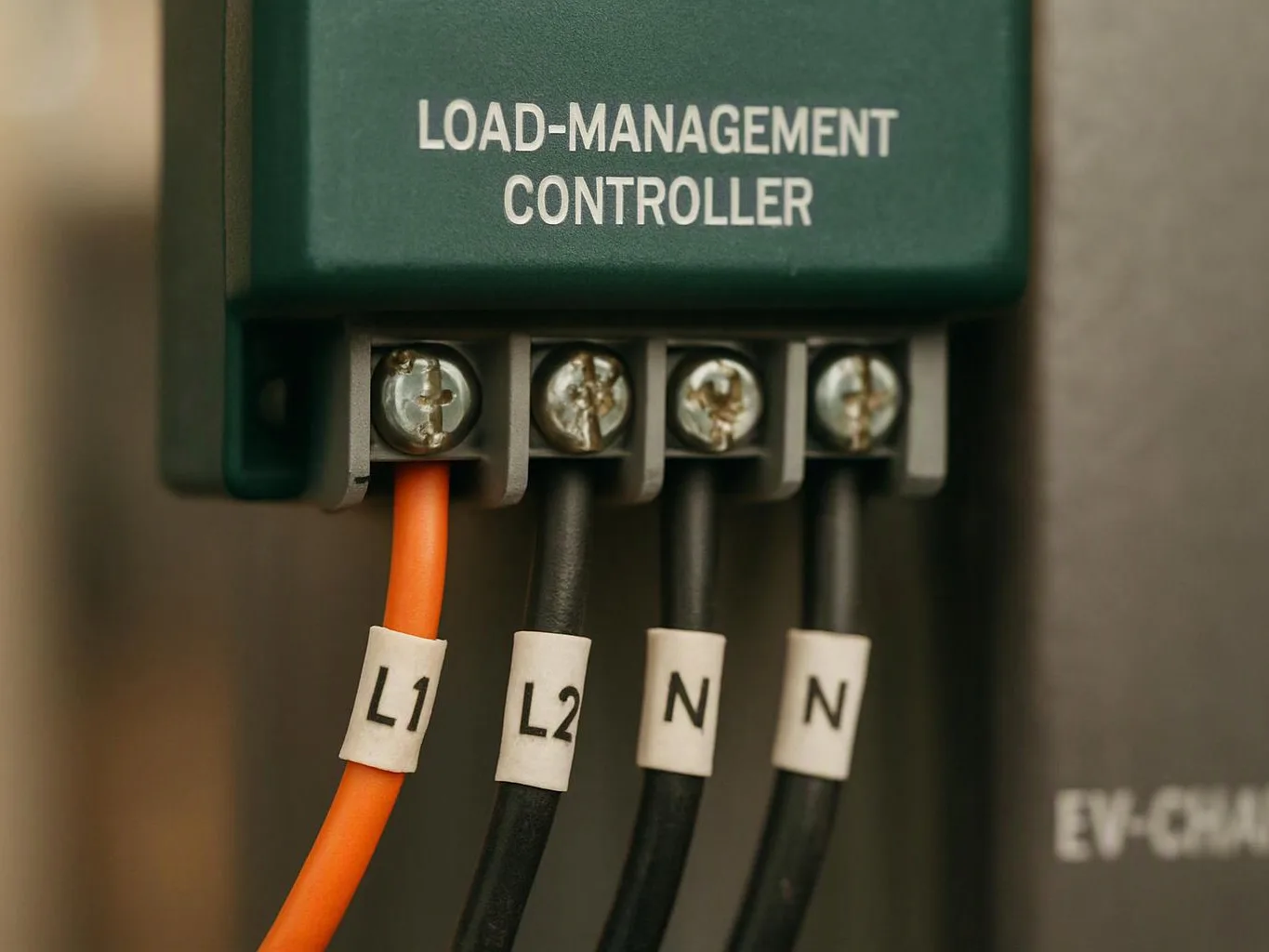
Close-up of a load-management controller with four wired terminals labeled L1, L2, N, and N

EV charger load-management installation in Other Areas

(951) 577-3540