
Skip to content

EV Charger Load-Management Installation in Lake Elsinore, California

A control module warning can point to a load-management issue in Lake Elsinore. We check the panel, sensors, and wiring before setting the work scope.

Licensed & InsuredFree EstimatesSame-Day ServiceServing 61 Communities

Quick Summary: EV Charger Load Management in Lake Elsinore, California

EV charger load-management installation in Lake Elsinore is provided by Center Electric Service for homes and businesses. The work covers panel checks, current-sensor placement, communication wiring, and testing, with 24-hour emergency electrician availability for urgent electrical issues.

  • What we do: Center Electric Service installs and checks EV charger load-management equipment for residential and commercial properties in Lake Elsinore, California.
  • What is included: panel inspection, load calculation, current-sensor checks, communication wiring, disconnect switch installation, and testing.
  • What you get: The EV charger receives controlled power without placing the connected electrical system outside its working limits.

Why does an EV charger keep stopping during a charging session?

An EV charger can stop when the load-management system receives incorrect current data or loses communication with its control equipment. We inspect the panel, sensors, wiring, and disconnect switch to find the fault. A burning smell, buzzing panel, or repeated breaker trips calls for immediate electrical attention.

EV Charger Load Management for Lake Elsinore Properties

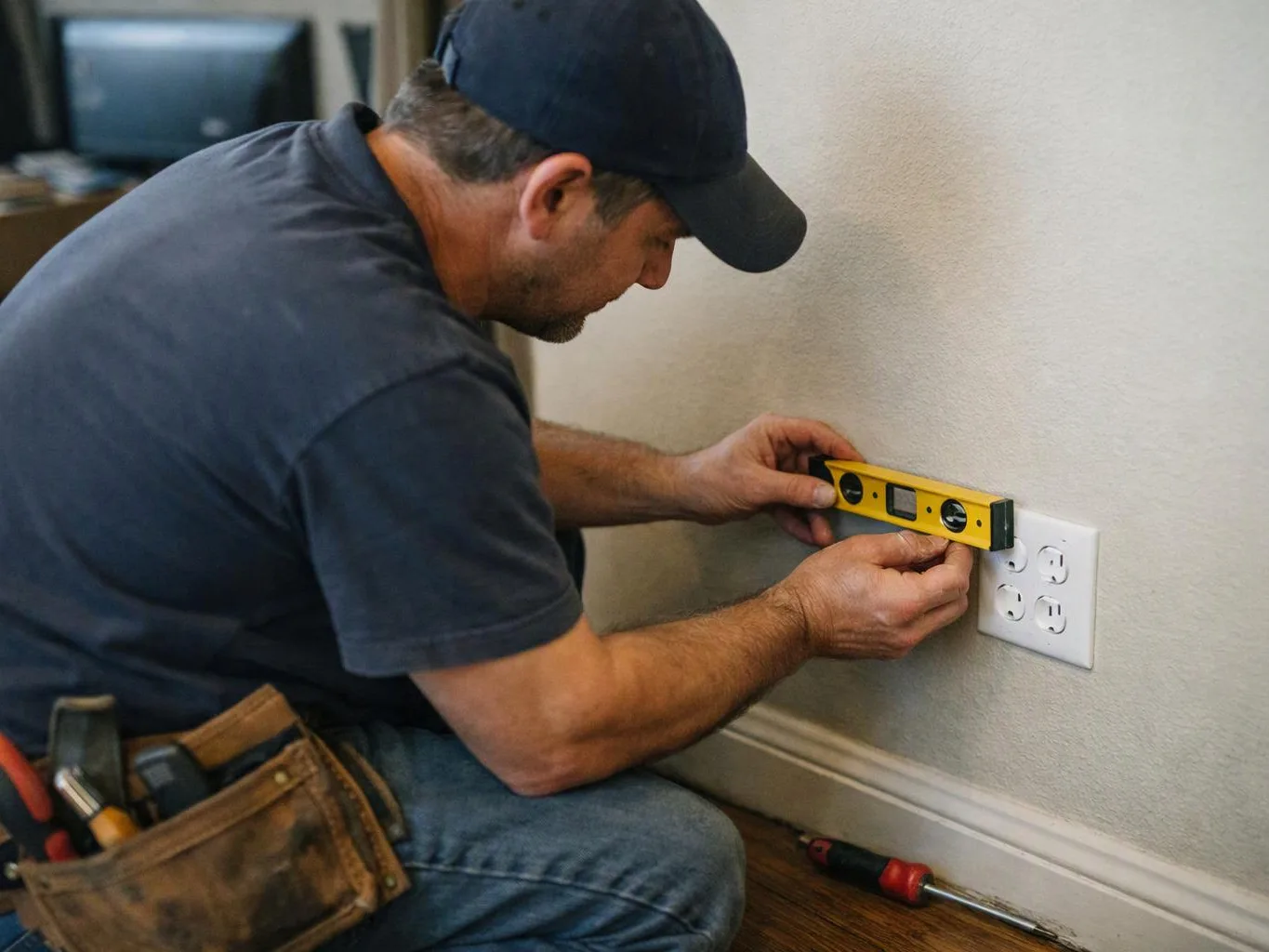
This service fits a property where an EV charger shares power with other large electrical loads. The job focuses on the control path, not just the charger connection. We inspect the electrical panel, check available capacity, and trace the wiring that carries sensor readings and control signals.

The buyer's key decision is whether the existing system needs load management, a broader panel upgrade, or a separate electrical repair. Our team explains that choice after checking the panel and charger circuit. A load-management installation won't correct a damaged panel, unsafe wiring, or a failed charger by itself, so we address those conditions as separate work when needed.

  • Check the electrical panel and charger circuit for available capacity.
  • Confirm that current sensors can read the property's electrical demand.
  • Trace communication wiring between the sensors, control equipment, and charger.
  • Test the system after installation and explain any separate electrical repairs.
Two men talk beside a white work van outside a house at sunset

Service Overview

EV charger load-management installation is electrical work that measures site demand and controls charger power.

  • It differs from basic EV charging installation because it adds load sensing and control between the charger and the property's electrical system.
  • We provide this service for residential and commercial properties in Lake Elsinore.

What This Installation Helps You Decide

Match the equipment to the panel

The panel and charger circuit determine whether load management fits the property. We begin with those checks, then set the scope from the actual electrical layout.

Trace the control signal

Current sensors and communication wiring must send accurate information to the control equipment. We trace those connections and test them after the work.

Know when another repair is needed

Load management is the wrong job when the main issue is a damaged panel, unsafe wiring, or a failed EV charger. We identify that limit before quoting related work.

Process

How We Complete This Charger Control Work

1

Inspect the electrical panel

We inspect the service panel, charger circuit, breakers, grounding, and available capacity before setting the installation scope.

2

Complete the load calculation

We review the property's connected electrical loads and determine how the EV charger fits with existing demand.

3

Check sensor and control locations

We identify suitable locations for current sensors, communication wiring, the control equipment, and a disconnect switch when required.

4

Install and connect the equipment

We install the supported wiring and electrical parts, then connect the load-management controls to the charger circuit.

5

Test charging control

We test sensor readings, communication, charger response, and disconnect operation before explaining the completed work.

What This EV Charger Load-Management Work Includes

Center Electric Service provides comprehensive EV charger load-management installation in Lake Elsinore. Here's what you get:

  • We inspect the electrical panel and the circuit serving the EV charger.
  • We complete a load calculation to understand how the charger shares power with other equipment.
  • We check current sensors and their connection to the load-management controls.
  • We install or repair communication wiring when the control path requires it.
  • We install a disconnect switch when the planned electrical layout calls for one.
  • We test the system and explain the completed work and any separate repair needs.

What Controlled EV Charging Changes for You

Load management helps the charger respond to changing electrical demand at the property.

A checked control path gives you a clearer answer when charging stops or shows a warning.

Testing links the charger, current sensors, panel, and communication wiring as one working system.

The inspection can show whether the property needs load management or a larger electrical upgrade.

Choosing the Right Electrical Work for EV Charging

These options address different electrical conditions around an EV charger.

Work typeBest fitMain check
Load-management installationA charger shares power with other property loadsPanel capacity, sensors, communication, and charger response
Panel upgradeThe existing panel cannot support the planned electrical demandService equipment, panel capacity, and connected circuits
EV charger circuit repairThe charger circuit has a fault or damaged connectionBreakers, wiring, terminations, and testing

The Center Electric Service Standard

  • Urgent Assistance
  • Issue Diagnosis
  • Safety First
  • Clear Recommendations

Questions About EV Charger Load Management

Where is the load-management device installed?

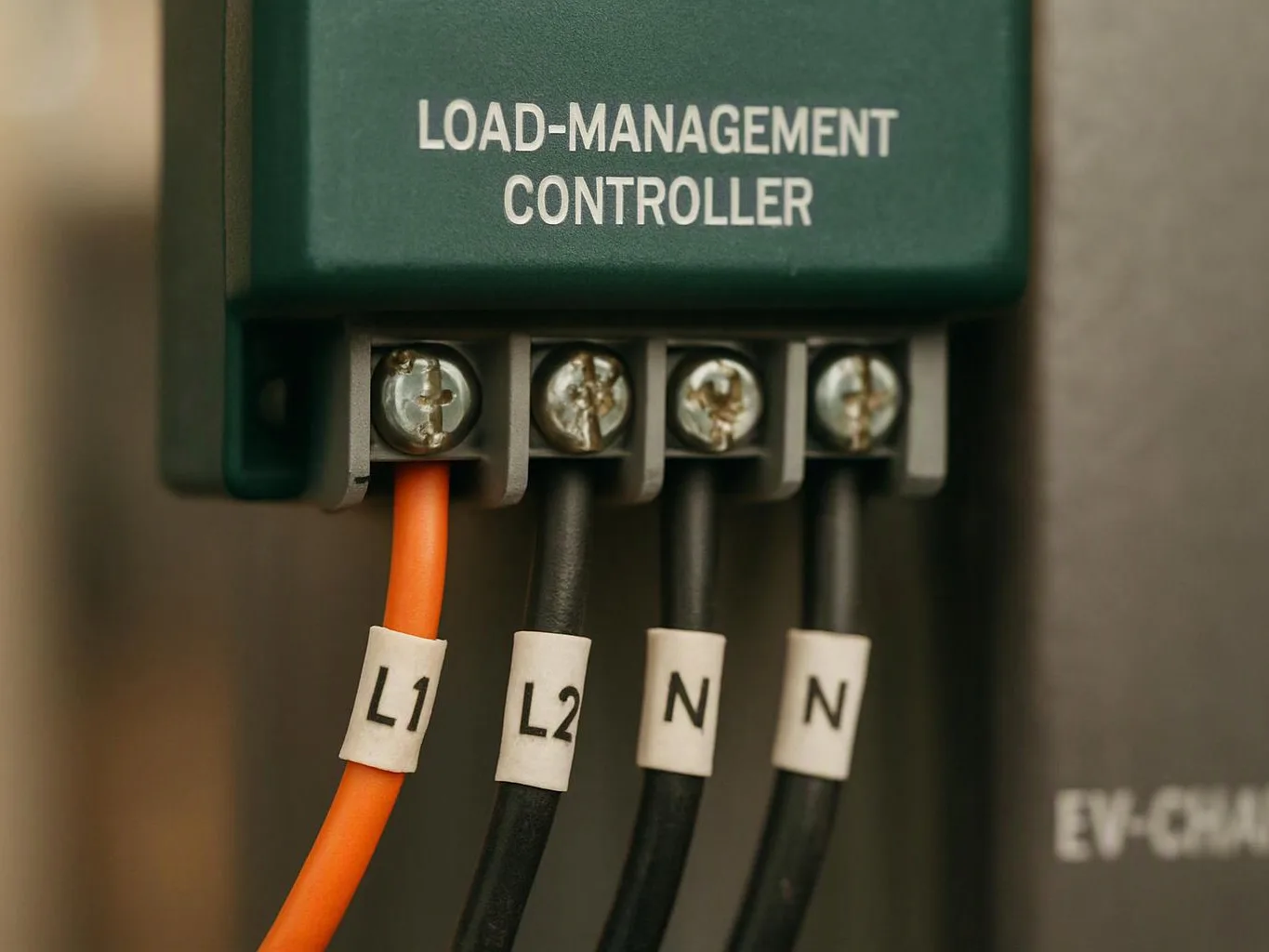
The control module is installed near the electrical panel or another approved location that connects it to the panel, sensors, and charger. Center Electric Service checks access, wiring paths, and service conditions before choosing the location. The final placement depends on the property's layout and the equipment's connection requirements.

What should be checked before this work is scheduled?

The electrical panel, charger circuit, available capacity, sensor locations, and communication path should be checked first. We also review warning messages and recent electrical changes. A clear panel area and access to the charger help us inspect the complete control path before we provide a quote.

Who is a good fit for load-management installation?

Homes and businesses that need an EV charger to share electrical capacity with other loads are good fits. The work is not the right first step for a damaged panel, unsafe wiring, or a failed charger. We inspect those conditions and explain whether repair, panel work, or load management fits the issue.

What happens at each stage of the installation?

The installation follows a panel review, load calculation, sensor check, wiring connection, and system test.

  1. We inspect the panel and charger circuit.
  2. We check sensor and communication paths.
  3. We install the planned parts.
  4. We test charger response and explain the result.

Which part of the job changes the quote?

The panel layout and communication path often shape the quote because they determine the wiring and access work. Sensor placement, a disconnect switch, circuit repairs, and a panel upgrade can also change the scope. We review those items before giving a free estimate.

How does a panel upgrade differ from load management?

A panel upgrade changes the property's electrical distribution equipment, while load management controls charger demand within the existing system. We inspect the panel and complete a load calculation before recommending either job. Some properties need one service, while others need both.

Why does the charger need current sensors?

Current sensors measure electrical demand so the control system knows when charger power must adjust. We check sensor placement, connections, and readings during testing. Incorrect readings can point to a wiring fault, a sensor issue, or a control problem that needs diagnosis.
Contact

Get a Free Estimate for EV Charger Load Management

Request a quote for EV charger load-management installation in Lake Elsinore, and urgent requests get priority scheduling.

Close-up of a load-management controller with four wired terminals labeled L1, L2, N, and N

ZIP Codes We Serve in Lake Elsinore, California

925309253192532

EV charger load-management installation in Other Areas

(951) 577-3540