Why does breaker tripping affect charging control performance?
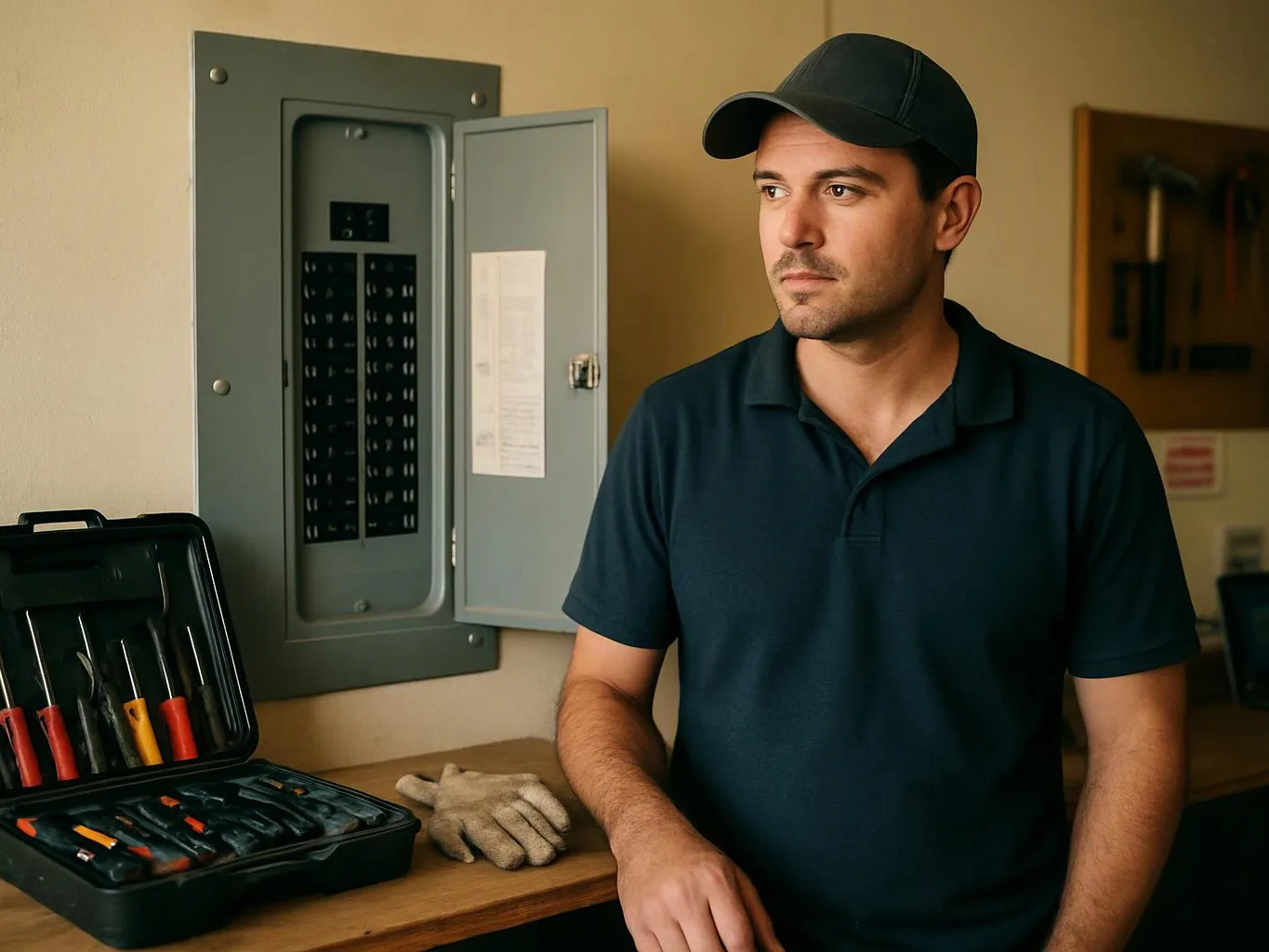
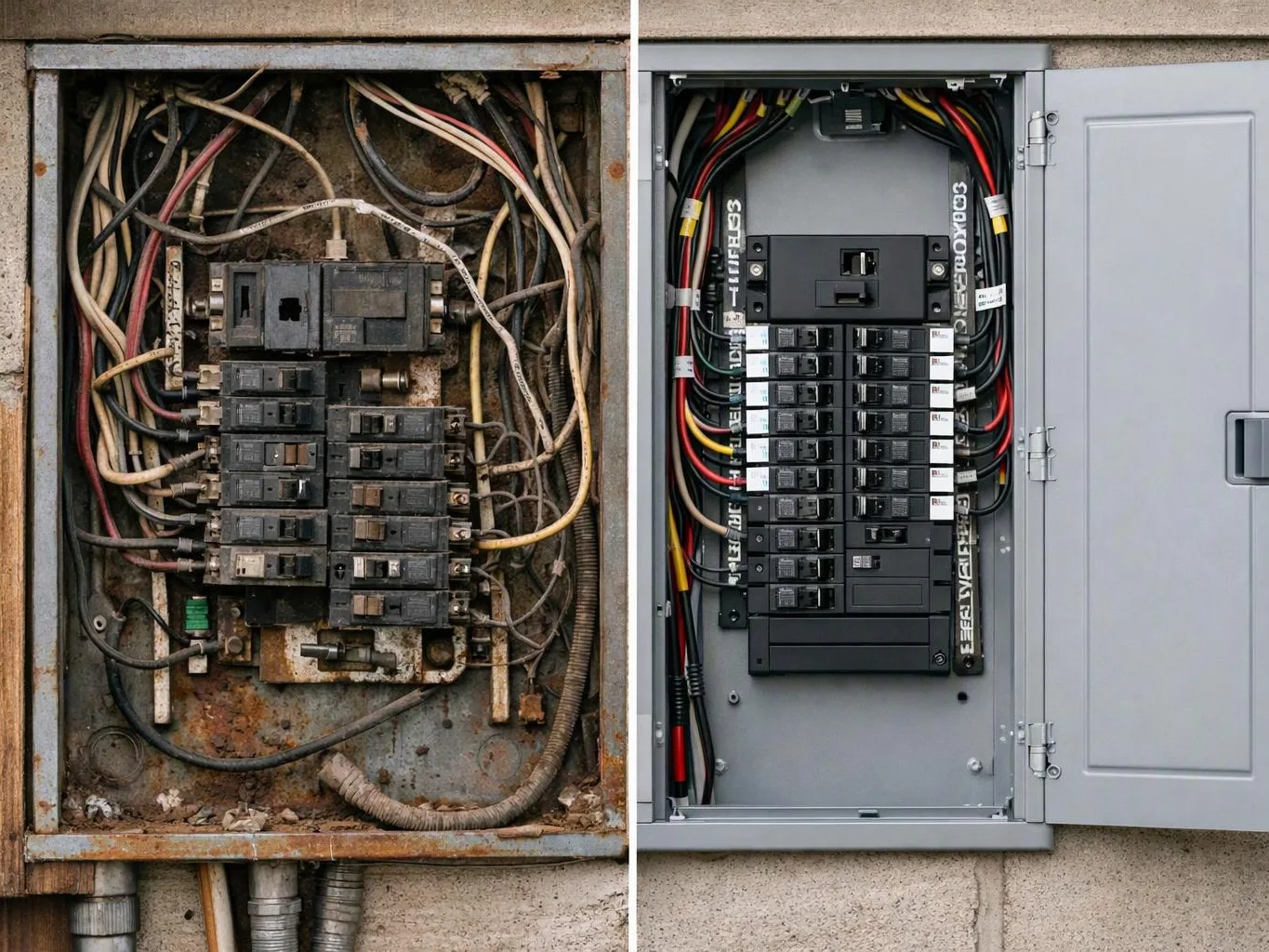
Breaker tripping can show excess demand, poor sensor placement, communication loss, or incorrect settings. Center Electric Service checks the panel, charger circuit, controls, and load readings. We then separate a control fault from a capacity problem. Repeated resets can hide the cause, so stop using the affected circuit if it shows signs of overheating or damage.
How does a charging load-control visit move from the first call to the last step?
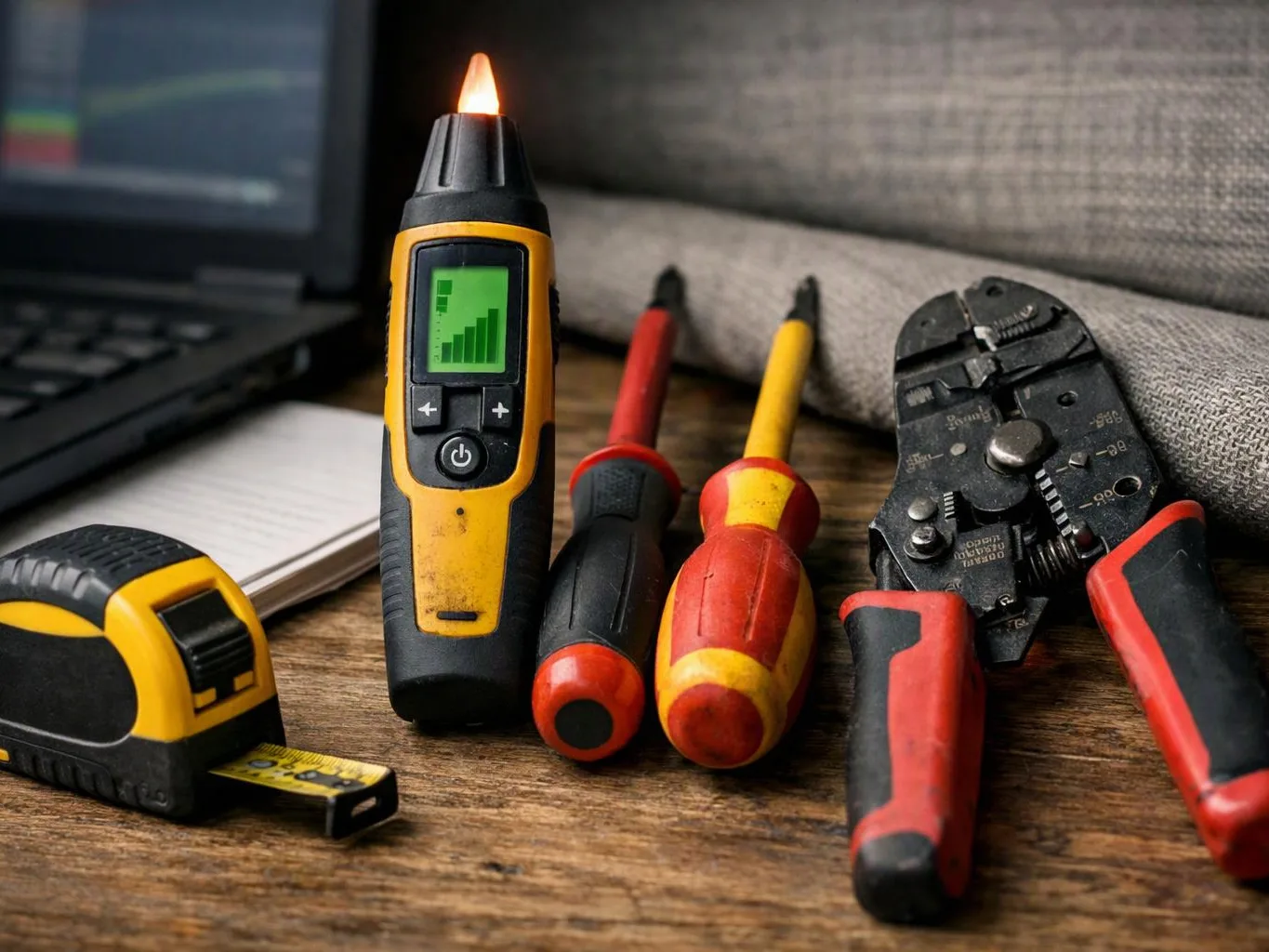
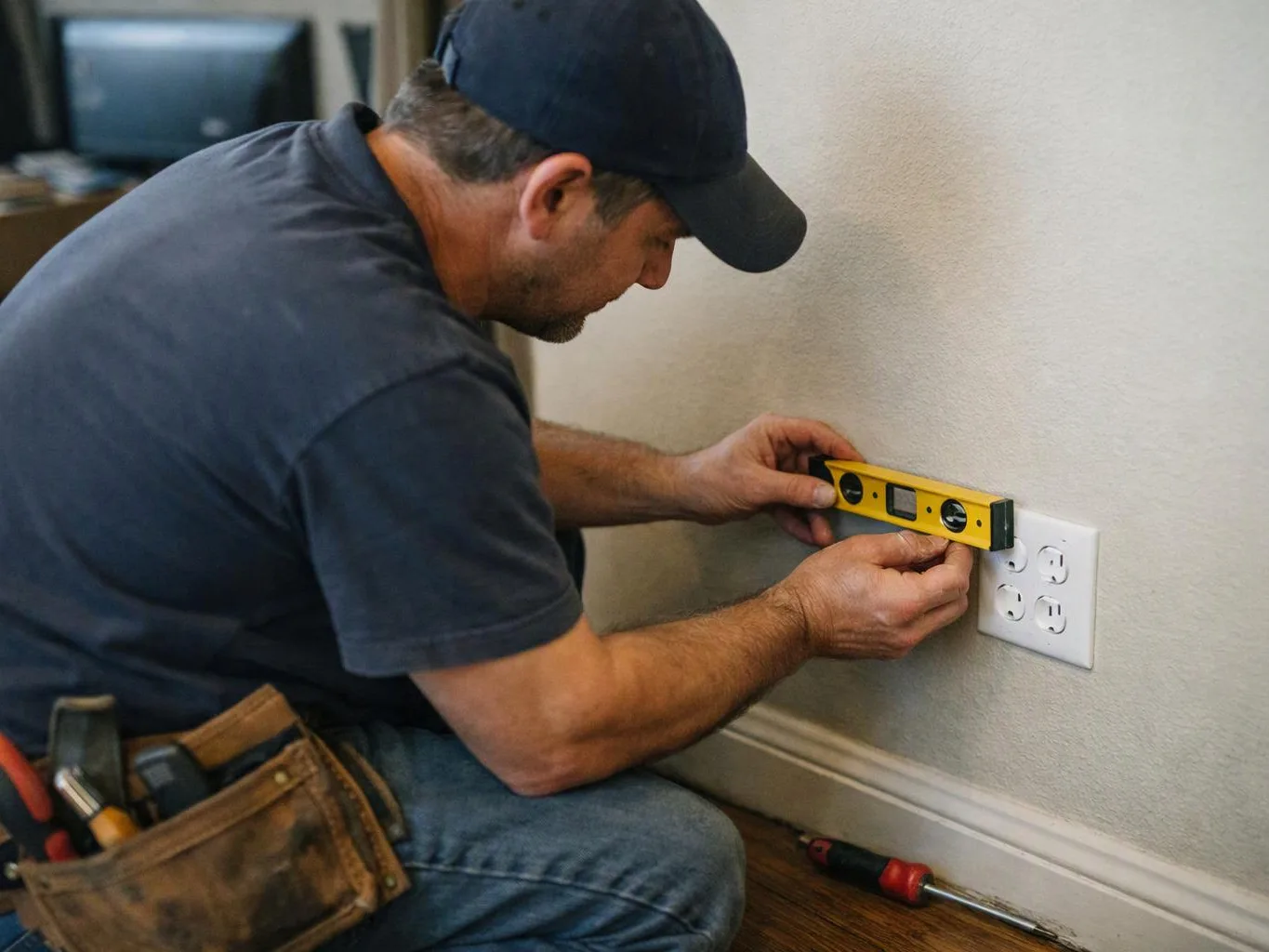
The visit moves from an electrical assessment to load review, control checks, adjustments, and testing. We begin with the panel and charger circuit. Next, we check sensors, communication, and settings. The final step is testing and verification, followed by a clear explanation of any separate panel or wiring work.
Which material changes the time needed for charging control work?
Copper or aluminum conductors can change the work needed because each material calls for different connection checks. We inspect conductor condition, terminals, panel space, and the circuit path. The material is only one factor, since access, sensor wiring, communication faults, and required electrical repairs also shape the job.
How can a customer tell whether load management fits the property?
Load management fits when the property has a usable charging circuit and needs charging controls to manage competing electrical demand. We review the panel, load calculation, charger circuit, and connected loads. A panel upgrade or service entrance upgrade may fit better when the available electrical capacity is too limited.
What information helps explain a charging control problem?
The charger model, panel location, warning message, recent electrical changes, and times when charging stops help define the problem. Photos of the panel and charger can support the initial discussion when they are safe to take. We still verify the circuit and controls on site before recommending work.
Which electrical services may be needed with load-management installation?
Panel upgrades, subpanel installation, circuit tracing, grounding correction, and surge protection may be related services. We recommend them only when the inspection shows a need. Load management itself does not repair damaged wiring or replace an undersized service. Those conditions require their own electrical scope.
When should a customer stop using an affected charging circuit?
A customer should stop using the circuit when it trips repeatedly, smells hot, sparks, or shows heat damage. We treat those signs as electrical safety concerns and inspect the circuit before further charging. Do not remove panel covers or handle damaged wiring while trying to reset the system.