Can a new fuse box improve electrical safety?
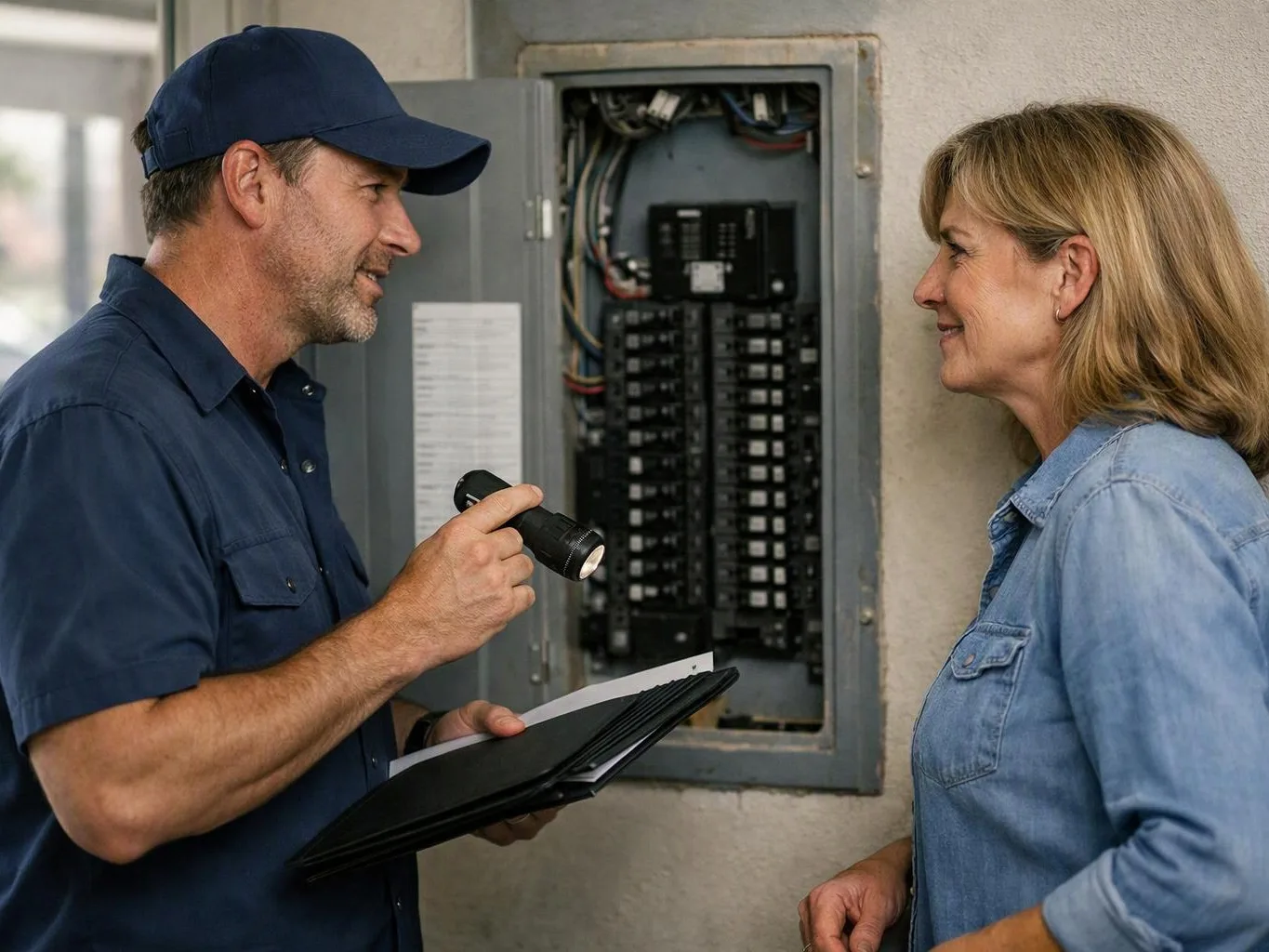
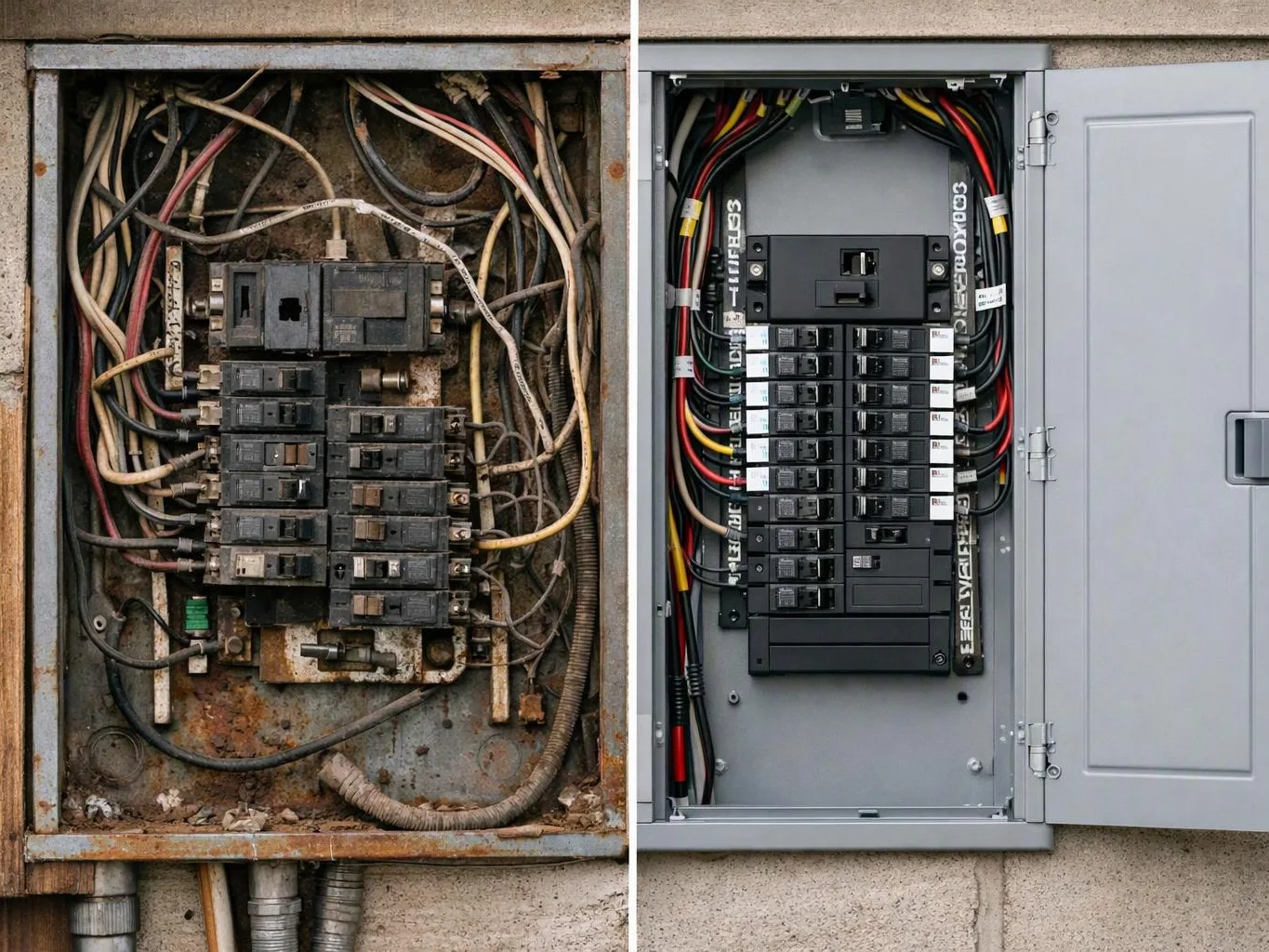
Overload protection can improve when a new fuse box matches the property's circuits and connected loads. Center Electric Service checks circuit capacity, wiring, grounding, and fuse connections before recommending replacement. We also look for arc hazards and heat damage, because replacing the box alone won't correct a fault in a branch circuit or service entrance.
What should I ask before agreeing to fuse box replacement?
The work scope should state what equipment will be replaced and which related repairs are included. Ask whether circuit tracing, grounding checks, load review, connection testing, and any service entrance work are part of the assessment. We explain those items in plain language and provide a free estimate before planned replacement work.
Which property condition changes the time needed for this work?
Damaged wiring, restricted access, poor circuit labeling, and service entrance problems can change the work time. We first inspect the box and trace the affected circuits. Clear access to the equipment and useful information about blown fuses or dead outlets helps us set a more accurate scope.
How is a replacement matched to the property before work starts?
Circuit capacity, connected loads, wiring condition, grounding, and service entrance details guide the replacement approach. We review those points before equipment is installed. A box that suits the existing circuits may still need related corrections when the inspection finds heat damage, loose connections, or unsafe wiring.
Why does a fuse keep blowing after it is replaced?
A repeatedly blown fuse often points to an overload, short circuit, damaged wiring, or a faulty connected device. We isolate the circuit and trace its outlets, lights, and equipment to find the cause. Do not install a larger fuse, because the circuit wiring may not be protected for that load.
Which warning signs make a fuse box issue urgent?
A burning smell, buzzing box, visible heat damage, or sparking connection makes the electrical issue urgent. We isolate the affected supply and inspect the box, wiring, and nearby circuits. Keep clear of the equipment and avoid touching damaged parts while waiting for an electrical assessment.
How do residential and commercial fuse box jobs differ?
Residential work often centers on household circuits, while commercial work can include lighting, outlets, and equipment loads that affect business operations. We review the property's connected circuits and access needs in either setting. The approved scope follows the equipment condition and the electrical demands we find.