What problems can occur with an incorrectly installed backup panel?
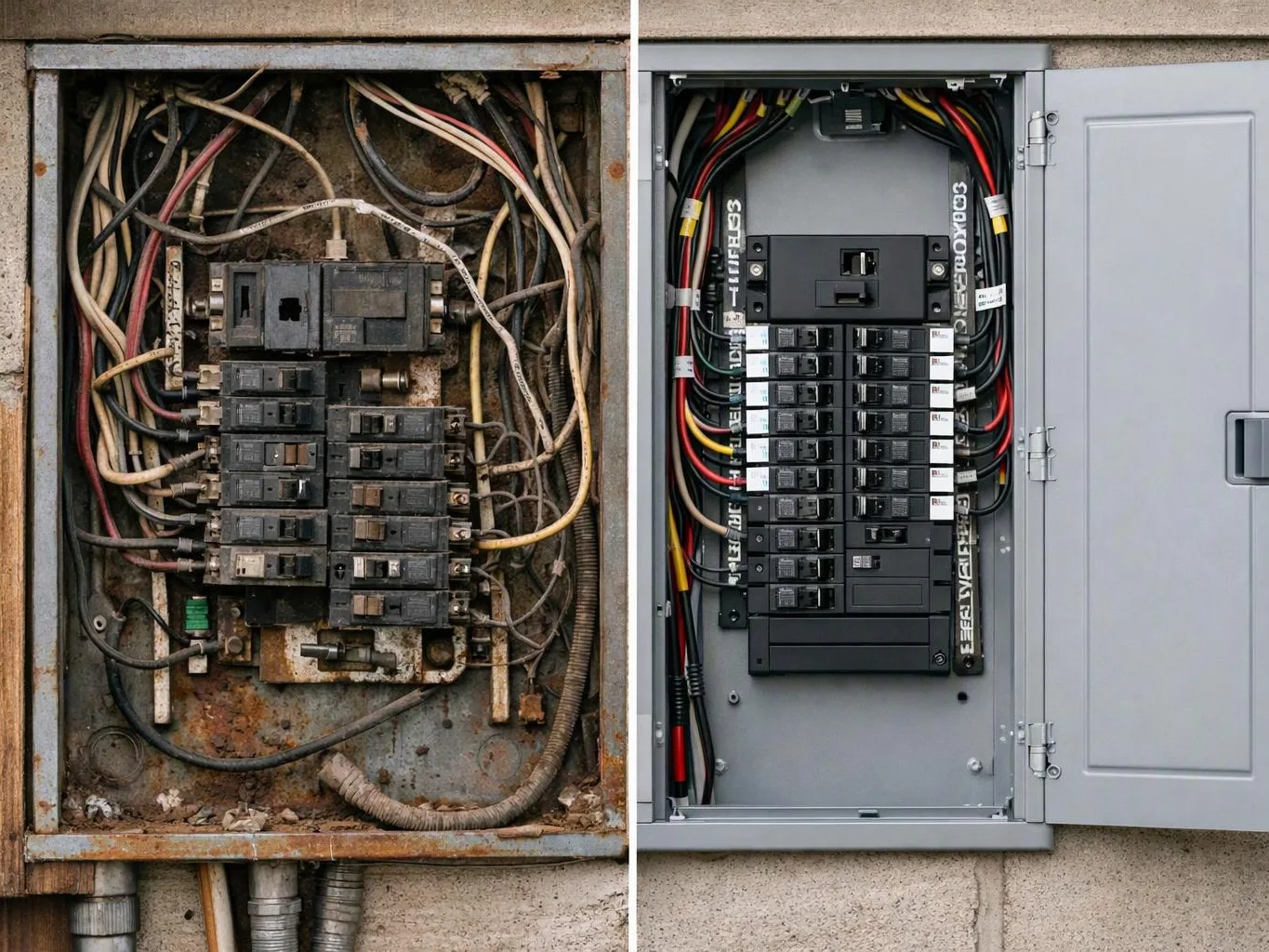
Voltage imbalance can cause unstable circuit performance, while poor panel work can create overloaded circuits, improper bonding, nuisance tripping, or unsafe backfeed. Center Electric Service inspects the panel, traces the selected circuits, and tests the backup connection. We then explain whether the work needs an adjustment, repair, or panel replacement.
Which material changes how long backup panel installation takes?
Copper or aluminum wiring can change the inspection and connection work required for a backup panel. Existing conductor condition, panel space, breaker type, and access also affect the job. We inspect the wiring and panel first, then set the work scope from those conditions instead of assuming the materials are ready.
How does a backup panel visit move from the first call to the last step?
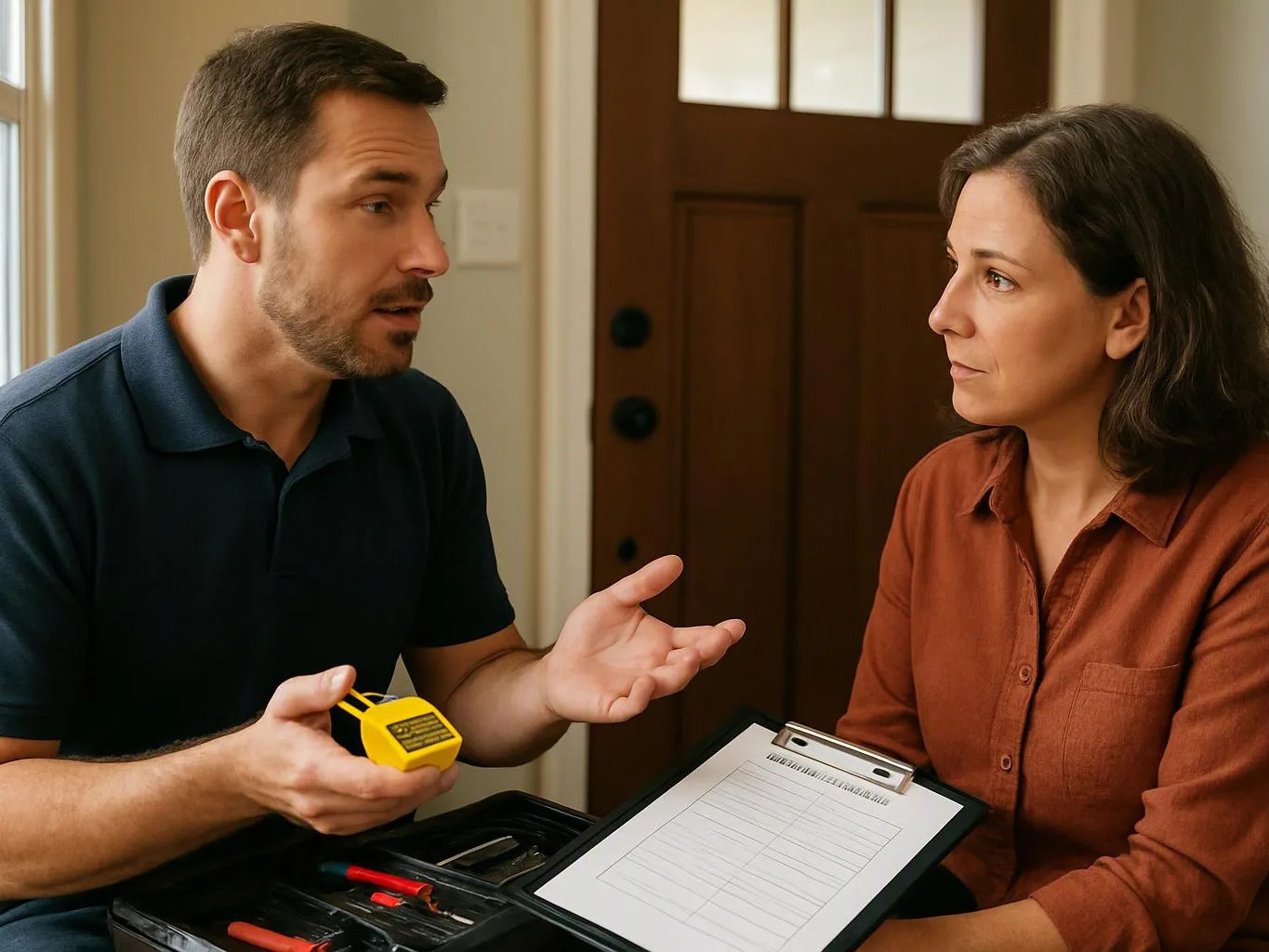
The visit moves from an electrical assessment to circuit mapping, panel connection, and testing. We review the battery equipment and selected loads, trace each circuit, check grounding and bonding, then verify the completed connection. The final discussion covers which circuits the panel serves and any further electrical work needed.
How can a customer tell whether backup panel installation fits the property?
Backup panel installation fits a property that needs selected circuits connected to battery power during outages. The existing panel must also support the planned work, or the scope may include a separate panel upgrade. We check the service panel, circuit loads, wiring, and available connection points before recommending the work.
Who installs a home battery backup critical-load panel?
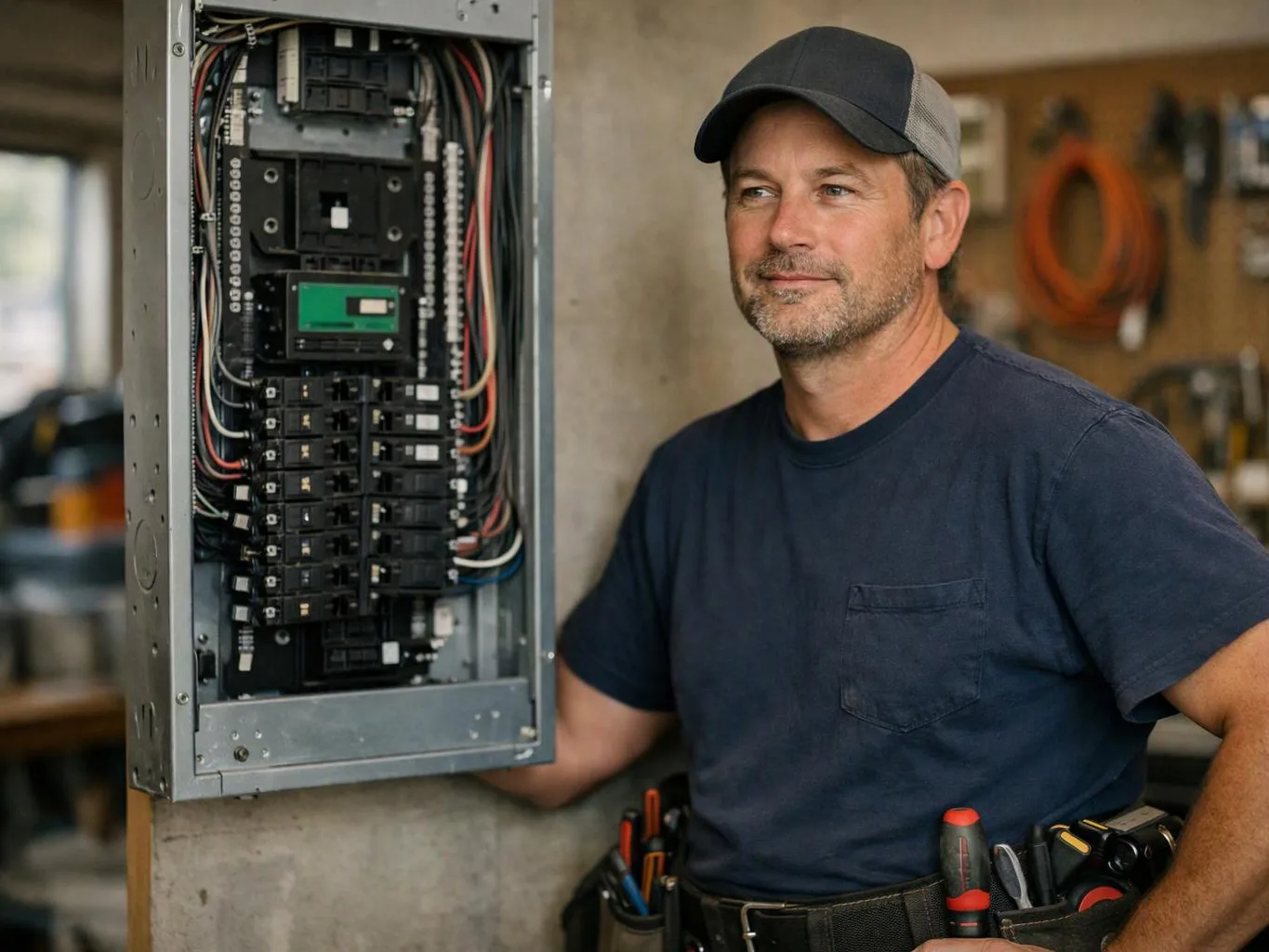
Center Electric Service installs home battery backup critical-load panels for residential and commercial properties. Our licensed and insured electricians trace circuits, inspect panel connections, and test the completed electrical work. The installation scope covers selected backup loads, not every circuit in the property by default.
What should I do if the backup panel keeps tripping?
Nuisance tripping means the backup circuit needs an electrical check before repeated resets. We inspect the breaker, trace the connected load, and look for overloads, wiring faults, or an incorrect connection. Stop using the affected circuit if you notice burning smells, sparking, or a buzzing panel, and request electrical service.
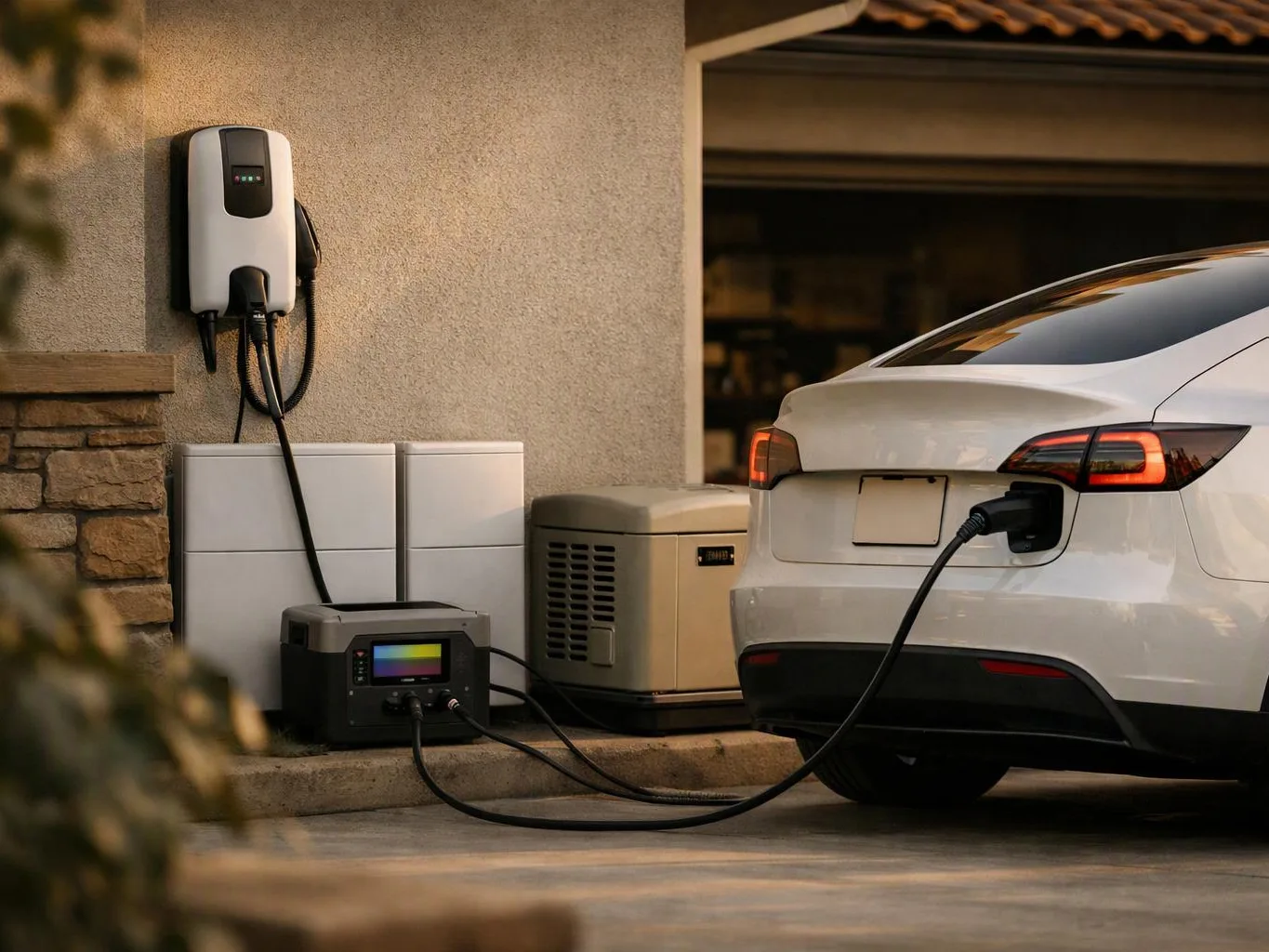
Why does a battery system need a separate critical-load panel?
A separate critical-load panel identifies which circuits receive battery power during an outage. The arrangement helps divide essential loads from circuits that remain on utility power. We review the household priorities, trace the circuits, and test the source separation so the panel matches the intended backup plan.