
Skip to content

Home Battery Backup Critical-Load Panel Installation in Woodcrest

A buzzing panel or flickering lights can point to a grounding electrode issue in Woodcrest. We check the electrical path before backup panel work begins.

Licensed & InsuredFree EstimatesSame-Day ServiceServing 61 Communities

Quick Summary: Home battery backup panel installation in Woodcrest, California

Home battery backup critical-load panel installation in Woodcrest is completed by Center Electric Service for homes that need selected circuits connected to battery backup. Our licensed and insured electricians also provide 24-hour emergency electrical service across Riverside and the Inland Empire.

  • What we do: Center Electric Service installs home battery backup critical-load panels for Woodcrest, California homes and checks the grounding electrode, panel capacity, conduit route, and disconnect switch.
  • What is included: We assess service capacity, panel compatibility, critical-load circuits, conduit routing, grounding, disconnect placement, testing, and electrical safety.
  • What you get: The finished work gives the home a defined critical-load panel connection for selected backup circuits.

Why can a grounding electrode affect home battery backup installation in Woodcrest, California?

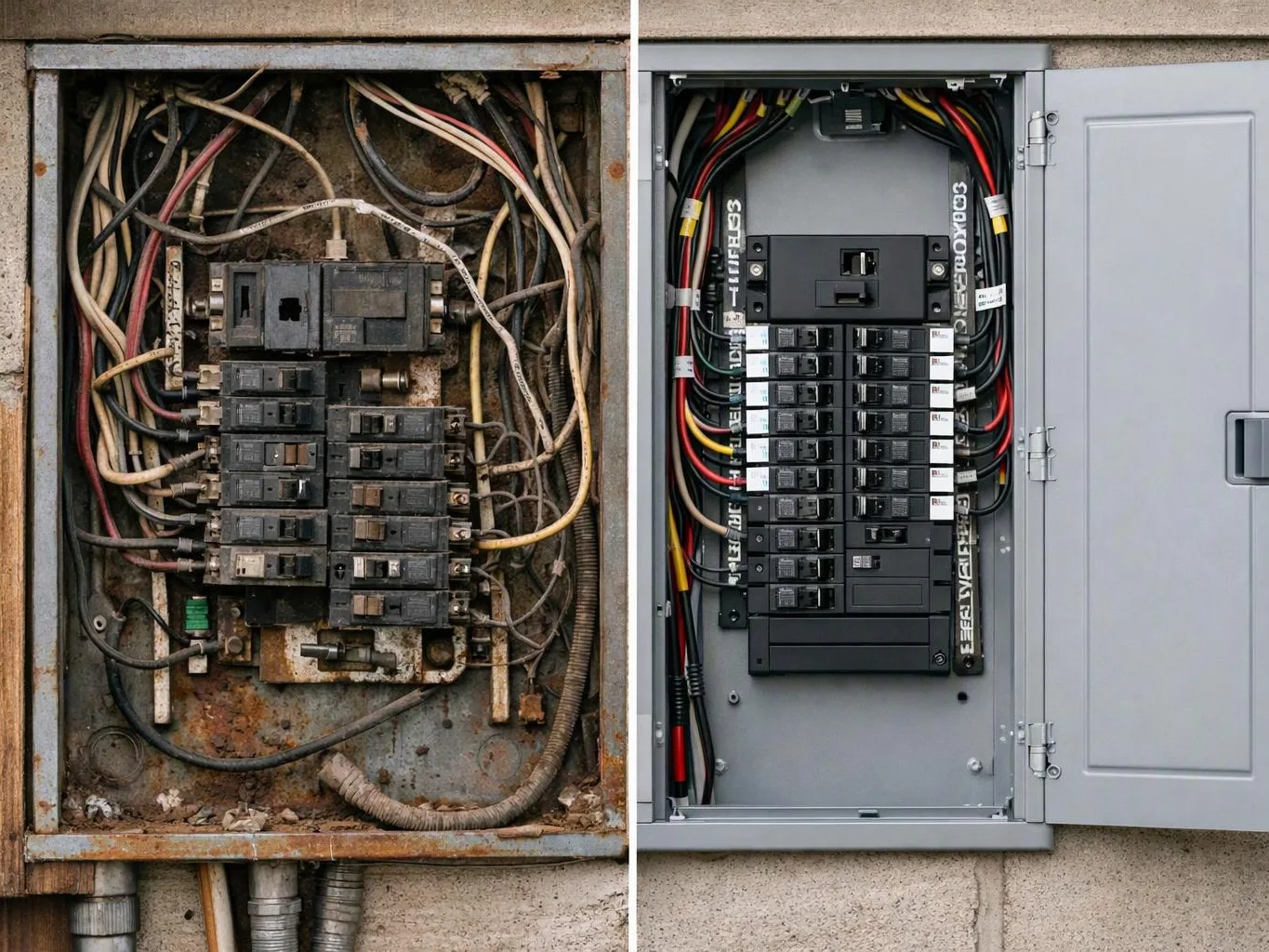
A grounding electrode affects how the backup system connects to the home's electrical grounding path. We inspect the electrode, service panel, bonding, and disconnect arrangement before selecting the installation approach. A warning sign such as a buzzing panel or flickering lights calls for electrical diagnosis before backup equipment is connected.
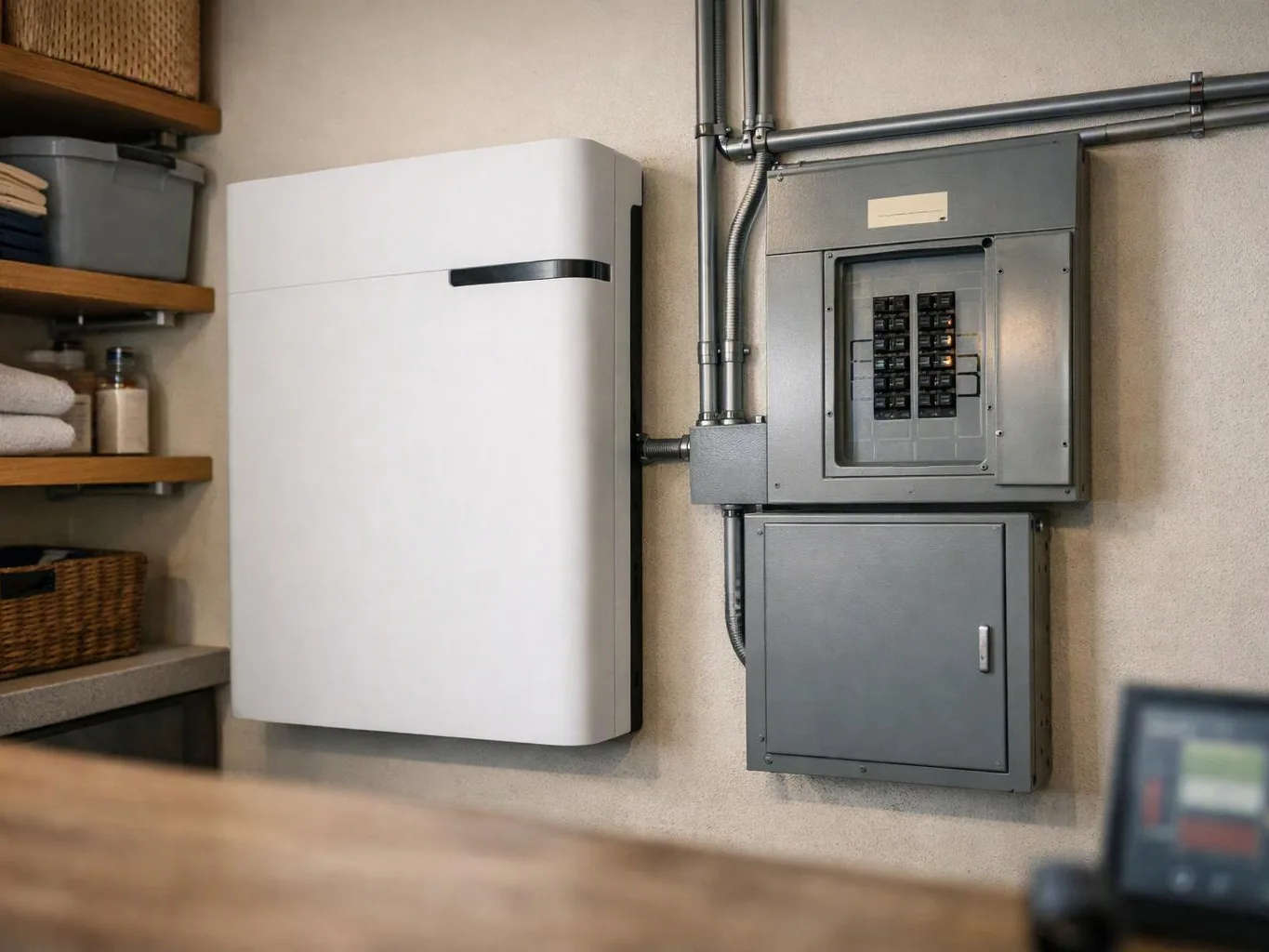
Home battery backup panel installation for Woodcrest properties

Home battery backup critical-load panel installation gives a property a defined group of circuits for backup power. The work suits owners who want selected loads reviewed and connected, such as essential lighting, refrigeration, or other agreed circuits.

The buyer's key decision is which circuits belong on the critical-load panel. We assess service capacity, panel compatibility, conduit routing, and disconnect placement before we set the work scope. A battery system cannot support every load automatically, so the selected circuits must match the system and the property's electrical layout.

Grounding electrode condition matters when the backup equipment joins the existing electrical system. We inspect the grounding path and related connections, then explain any needed correction before installation proceeds.

  • Confirm which household circuits need backup power.
  • Review service capacity and panel compatibility.
  • Inspect the grounding path and disconnect location.
  • Plan conduit routing from the battery equipment to the panel.
  • Test the completed connection and verify the selected circuits.
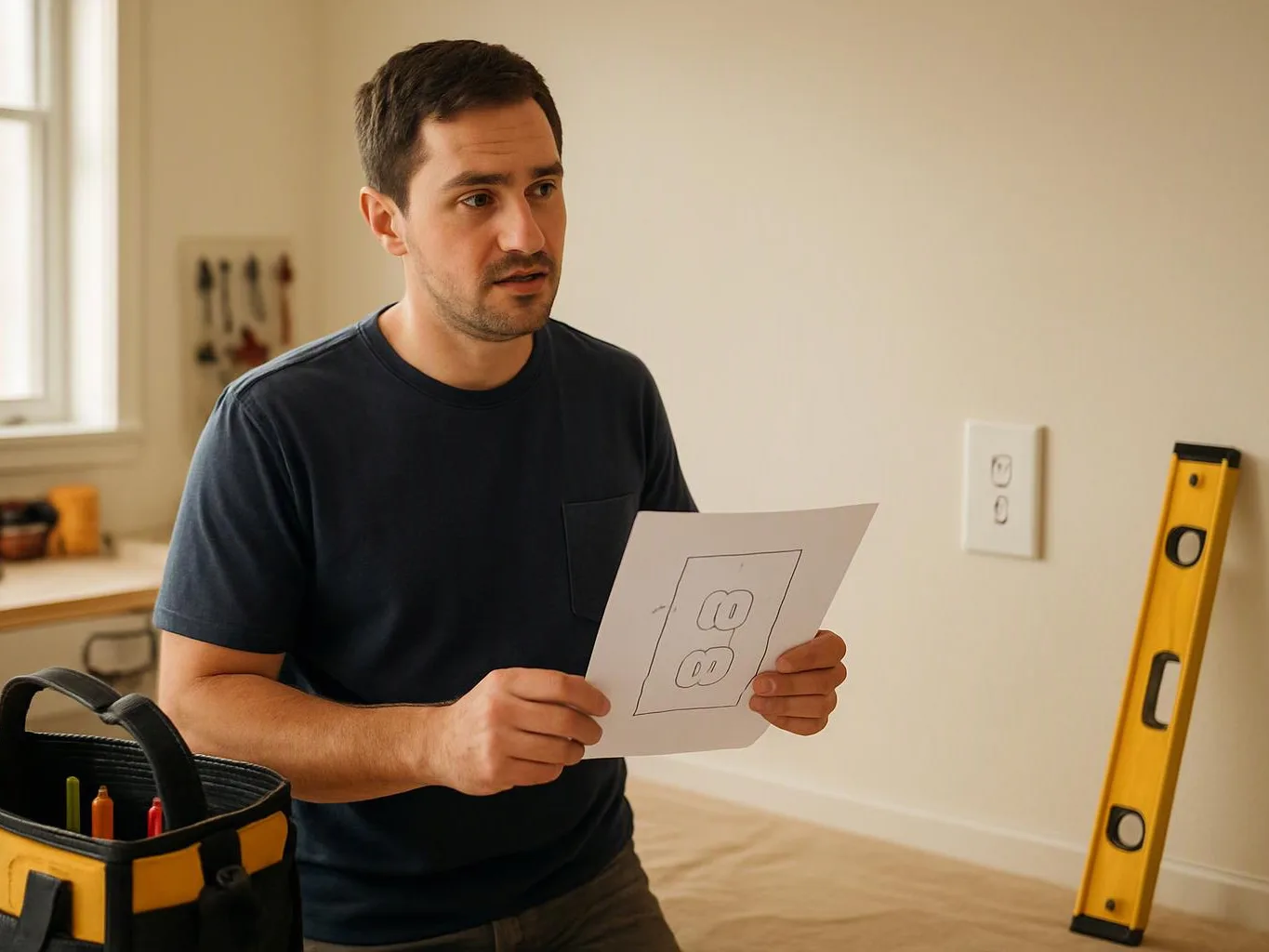
A man holds a paper outlet sketch in a partly finished room with tools and a level nearby

Service Overview

Home battery backup critical-load panel installation is an electrical service that connects selected home circuits to battery backup through a dedicated critical-load panel.

  • A critical-load panel differs from a full service panel upgrade because it separates chosen backup circuits from circuits that remain outside the backup supply.
  • We provide this installation in Woodcrest as part of residential and commercial electrical service.

What this backup panel work changes for your home

Selected circuits have a defined connection to the battery backup system.

The critical-load layout makes it easier to understand which circuits receive backup power.

A service capacity review helps match the installation to the home's electrical demand.

Planned conduit routing keeps the connection organized and accessible for inspection.

Testing verifies the selected circuits after the panel work is complete.

What the home battery backup panel installation includes

Center Electric Service provides comprehensive Home battery backup critical-load panel installation in Woodcrest. Here's what you get:

  • We review the service panel and identify the circuits that belong on the critical-load panel.
  • We check service capacity before connecting battery-backed loads.
  • We assess panel compatibility and plan the new panel connection.
  • We plan conduit routing between the battery equipment and electrical panels.
  • We install or connect the disconnect switch as required by the system layout.
  • We test the completed installation and verify the selected circuits.

How we approach this backup panel decision

Match loads to service capacity

Service capacity determines which circuits fit the backup plan. We review the panel and load needs before setting the critical-load scope.

Check panel compatibility

Panel design affects how the critical-load panel connects. We inspect the existing equipment and explain the compatible connection path.

Know when this is the wrong job

A critical-load panel installation is not the right first step for an active burning smell, sparking outlet, or unsafe panel condition. We address the electrical hazard before planning backup connections.

Process

How we complete the home battery backup panel work

1

Review service capacity

We inspect the main panel and review the electrical demand before selecting circuits for backup.

2

Check panel compatibility

We examine the existing panel, breaker layout, grounding connections, and available connection points.

3

Choose critical-load circuits

We work through the circuits that need backup and define the panel scope with the property owner.

4

Plan conduit routing

We map the conductor path between the battery equipment, critical-load panel, and disconnect switch.

5

Install and test the connection

We complete the panel work, connect the selected circuits, and perform testing and verification.

Backup panel choices for different electrical conditions

The suitable approach depends on the existing panel and the circuits selected for backup.

Electrical conditionWhat we reviewPlanning result
Compatible existing panelBreaker layout and available capacityConnect selected circuits through the planned critical-load panel
Limited panel capacityService capacity and load calculationAdjust the scope or plan related panel work before connection
Unsafe electrical conditionGrounding, wiring, breakers, and panel connectionsAddress the electrical issue before backup installation

The Center Electric Service Standard

  • Urgent Assistance
  • Issue Diagnosis
  • Safety First
  • Clear Recommendations

Questions about home battery backup panel installation

What electrical requirements affect home battery backup installation?

The grounding electrode, service capacity, panel compatibility, conduit route, and disconnect switch affect the installation. We inspect each item before connecting the critical-load panel. The selected circuits must match the available electrical capacity and the battery system's connection needs. We explain any correction needed before work begins.

How is the backup panel matched to the property before work starts?

The property assessment matches the backup panel to the service capacity, existing panel, selected circuits, and equipment location. We review the panel layout and trace the circuits that matter to the owner. Conduit routing and disconnect placement then shape the installation plan.

What should be ready before the installation starts?

The selected critical-load circuits and equipment location should be ready for review before installation starts. We need access to the electrical panels and the areas where conduit will run. Photos or panel details can help us understand the existing layout, but an on-site inspection sets the work scope.

Which part of the job changes the estimate?

Service capacity and panel compatibility often shape the estimate because they determine the required connection work. Conduit distance, disconnect placement, circuit changes, and electrical corrections also affect the scope. We provide a free estimate after reviewing these conditions.

When should a homeowner request this panel installation?

A homeowner should request an assessment when selected circuits need battery backup and the existing panel arrangement must be reviewed. Flickering lights, a buzzing panel, or repeated breaker trips should be diagnosed first. We address unsafe electrical conditions before planning the backup connection.

Why does conduit routing matter for battery backup work?

Conduit routing matters because conductors need a protected path between the battery equipment and the critical-load panel. We review the equipment location, panel position, access, and disconnect placement before choosing the route. A clear route supports testing and future service.

What should a customer ask before agreeing to the installation?

A customer should ask which circuits will receive backup power and how the existing panel will connect. We also explain service capacity, disconnect placement, conduit routing, testing, and any needed electrical correction. Those answers define the scope before the customer accepts an estimate.
Contact

Get a Free Estimate for Home Battery Backup Panel Installation in Woodcrest

Request a free estimate for the specific circuits and panel work your property needs, and urgent requests get priority scheduling.

A wall-mounted white battery unit sits beside gray electrical panels in a tidy utility room

Home battery backup critical-load panel installation in Other Areas

(951) 577-3540