What causes a faulty fixture to trip a circuit breaker?
A faulty fixture trips a circuit breaker when it creates a short circuit, ground fault, or unsafe current draw. Center Electric Service isolates the fixture and tests its wiring, switch, and circuit. We also check whether the circuit carries too much connected load. Leave the breaker off if the fixture causes repeated trips.
What does the crew look at first during lighting repair?
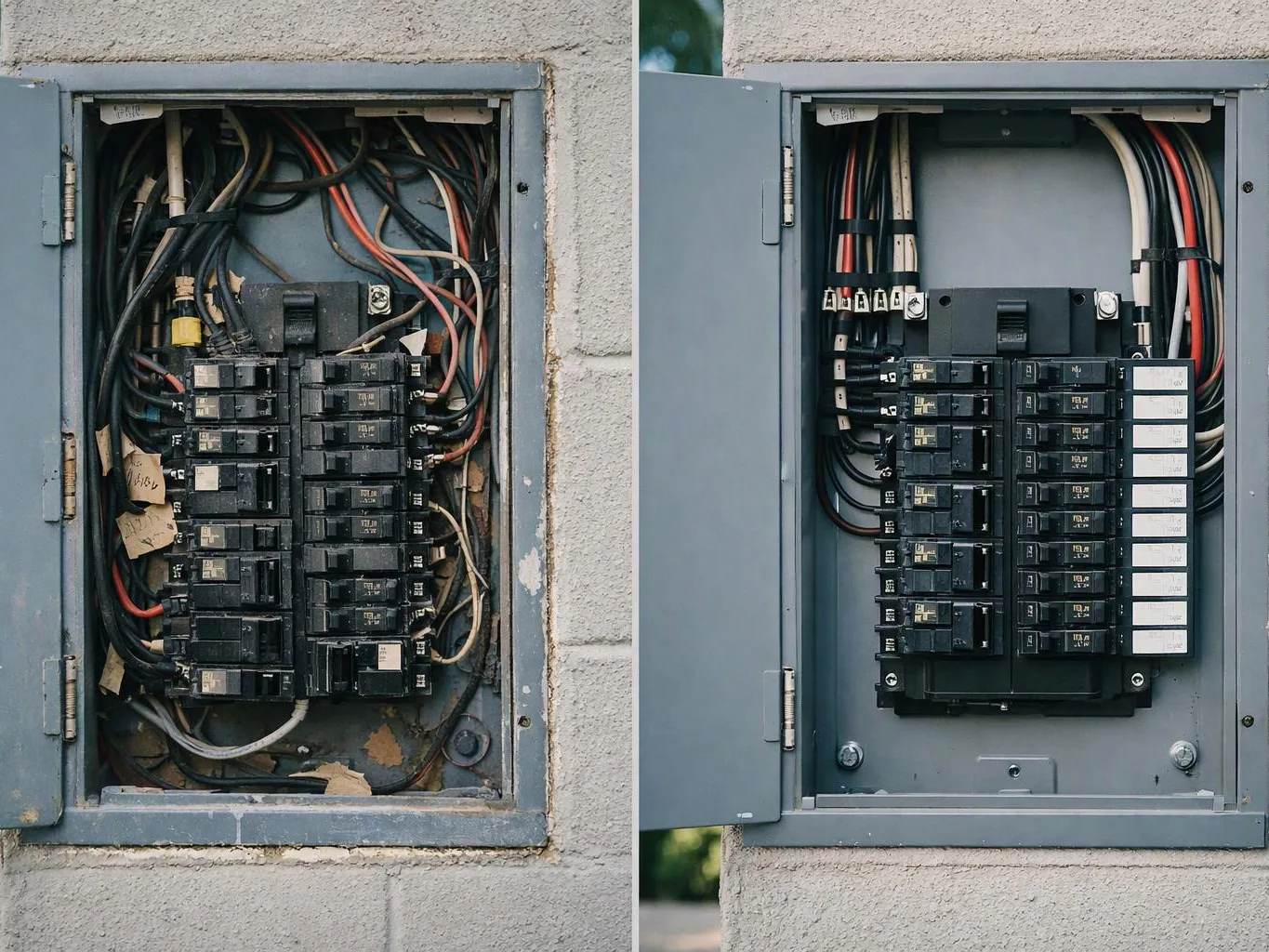
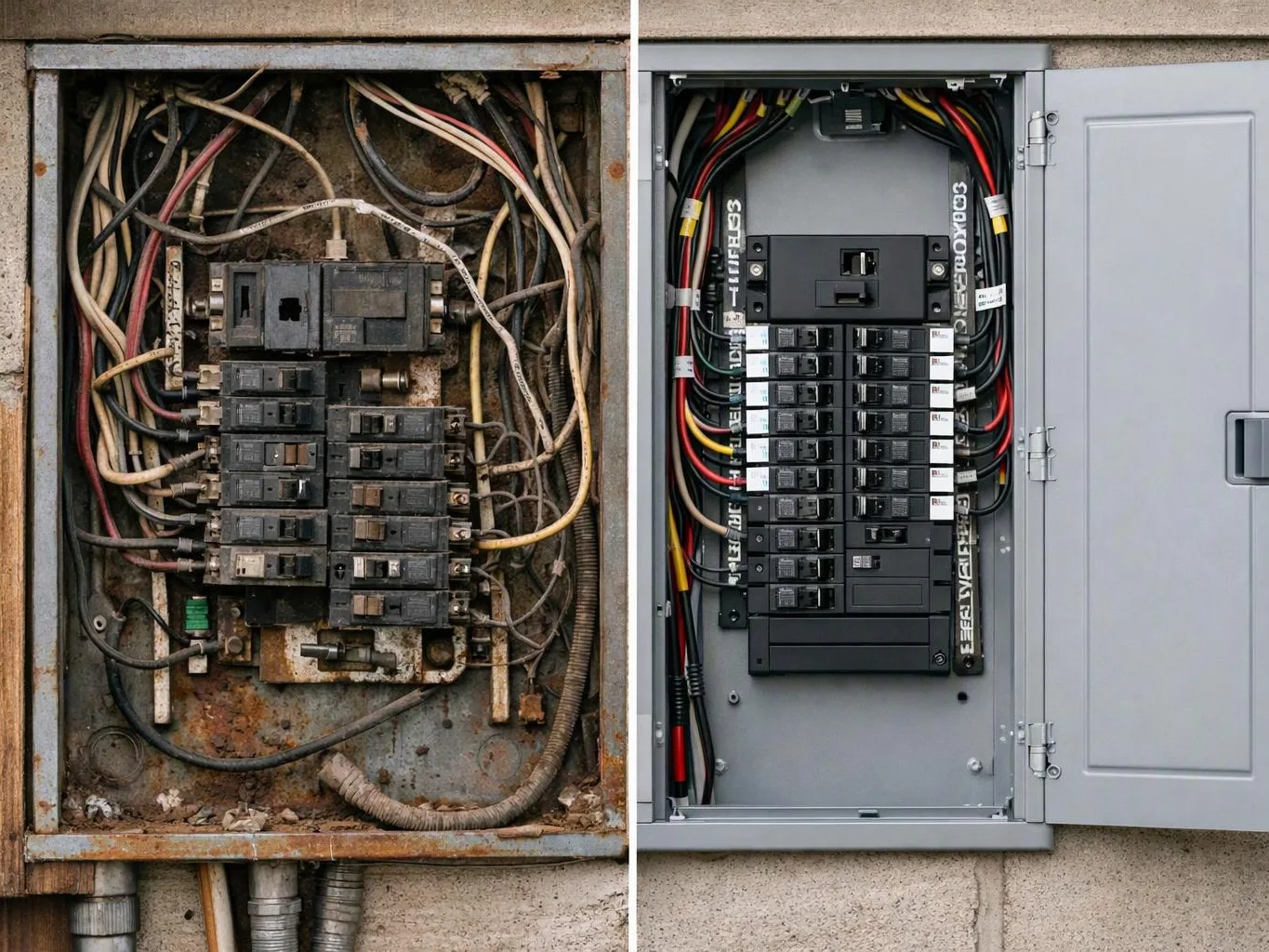
The first check covers the fixture, switch, breaker, and visible wiring. We look for loose connections, heat marks, damaged insulation, and signs of a short. The circuit is then isolated before deeper testing begins. This helps separate a fixture problem from a fault elsewhere on the branch circuit.
How does lighting repair move from diagnosis to testing?
Lighting repair moves from inspection to circuit isolation, fault testing, repair, and final verification.
- We inspect the fixture and switch.
- We isolate the breaker and trace the circuit.
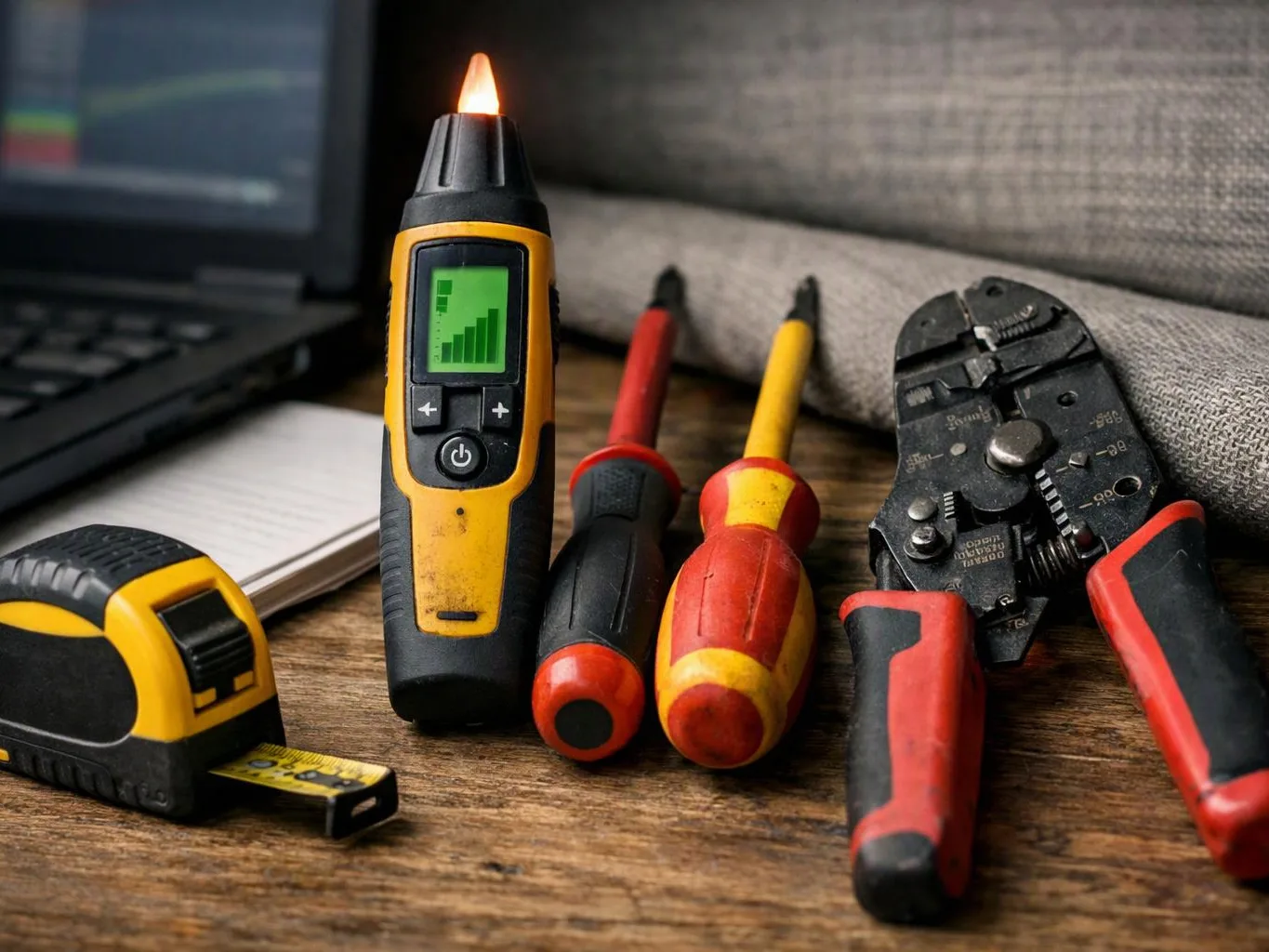
- We test for overloads, shorts, ground faults, and damaged wiring.
- We complete the supported repair and test the lighting again.
Which part of this repair changes the quote?
The fault location and access usually shape the quote most. Fixture connections, switch parts, breaker work, and exposed wiring differ from wiring inside a wall. We inspect the circuit and explain the repair scope before preparing a free estimate. The quote reflects the parts, access, testing, and work required.
When should a customer stop using a light?
Stop using a light when it causes repeated breaker trips, sparks, a burning smell, or a warm switch plate. Turn off the affected circuit if it is safe to reach the panel. Our team can inspect the fixture, switch, wiring, and breaker to find the hazard before normal use resumes.
Why do several lights lose power together?
Several lights lose power together when they share a tripped breaker, damaged connection, or interrupted branch circuit. We check the panel and trace the affected circuit to find where power stops. The repair may involve the fixture, switch, wiring, or breaker, so replacing one bulb may not solve the fault.
What should be checked before lighting repair is scheduled?
The affected fixture, switch, breaker, and recent symptoms should be noted before scheduling. Tell us whether the breaker trips, other outlets lose power, or you notice heat, sparks, or a burning smell. Photos of the fixture and panel can help describe the issue, but do not remove covers or open energized equipment.