Why does a light switch feel hot?
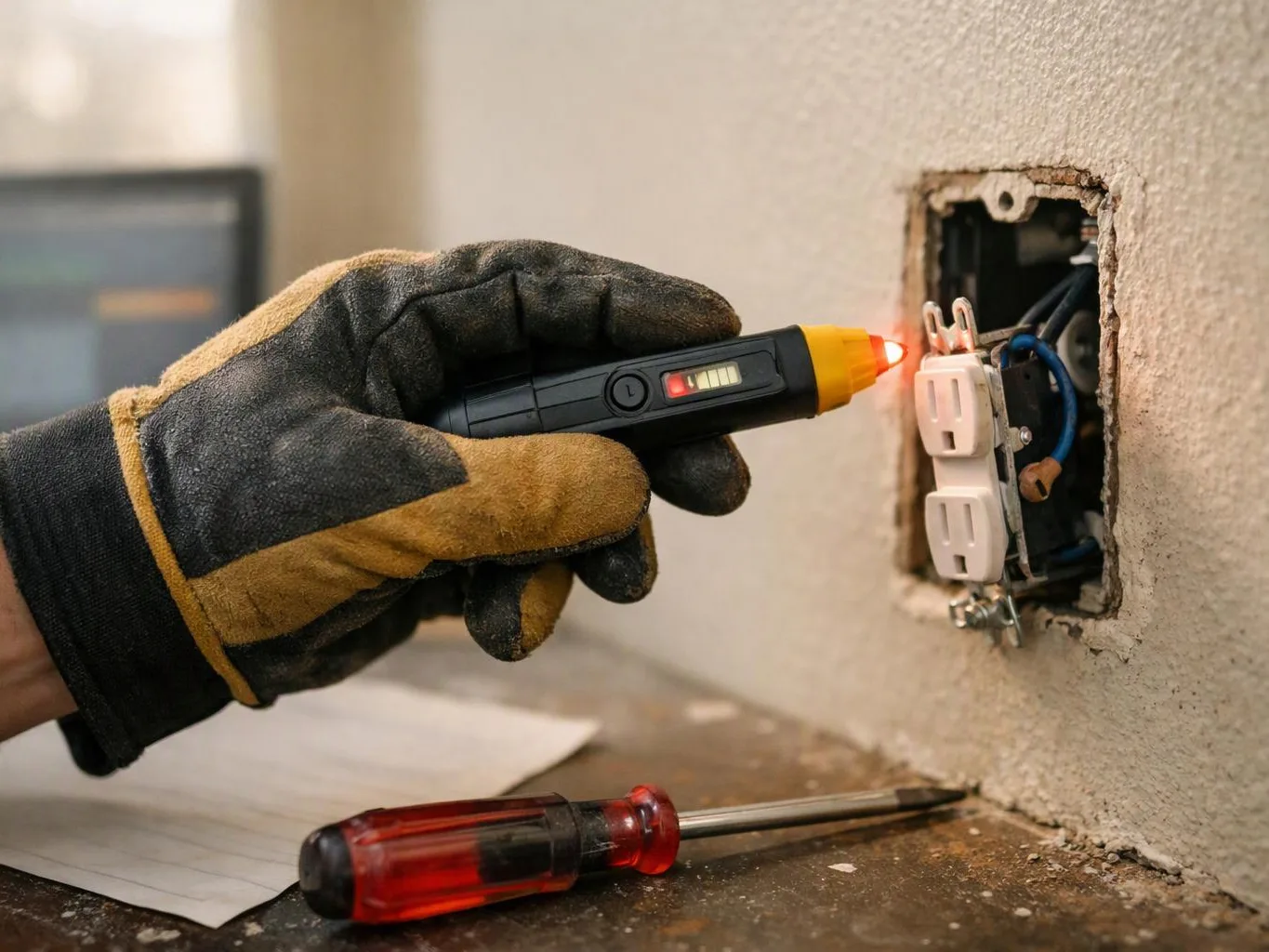
A loose terminal is a common cause of a hot light switch, and Center Electric Service checks that connection first. We also inspect the switch, wiring, and circuit load for heat or damage. Turn off the breaker if you notice a burning smell, buzzing, or discoloration. The repair may involve securing the connection, replacing the switch, or tracing a wider wiring fault.
How can I tell whether switch repair fits my property?
Switch repair fits when one switch feels hot, buzzes, sticks, or fails to control its light. A warm plate with a burning smell needs prompt electrical attention. We inspect the switch box, terminals, wire insulation, and breaker connection. A panel upgrade or circuit repair fits better when the problem affects several rooms or the breaker keeps tripping.
Which part of the property decides the repair scope?
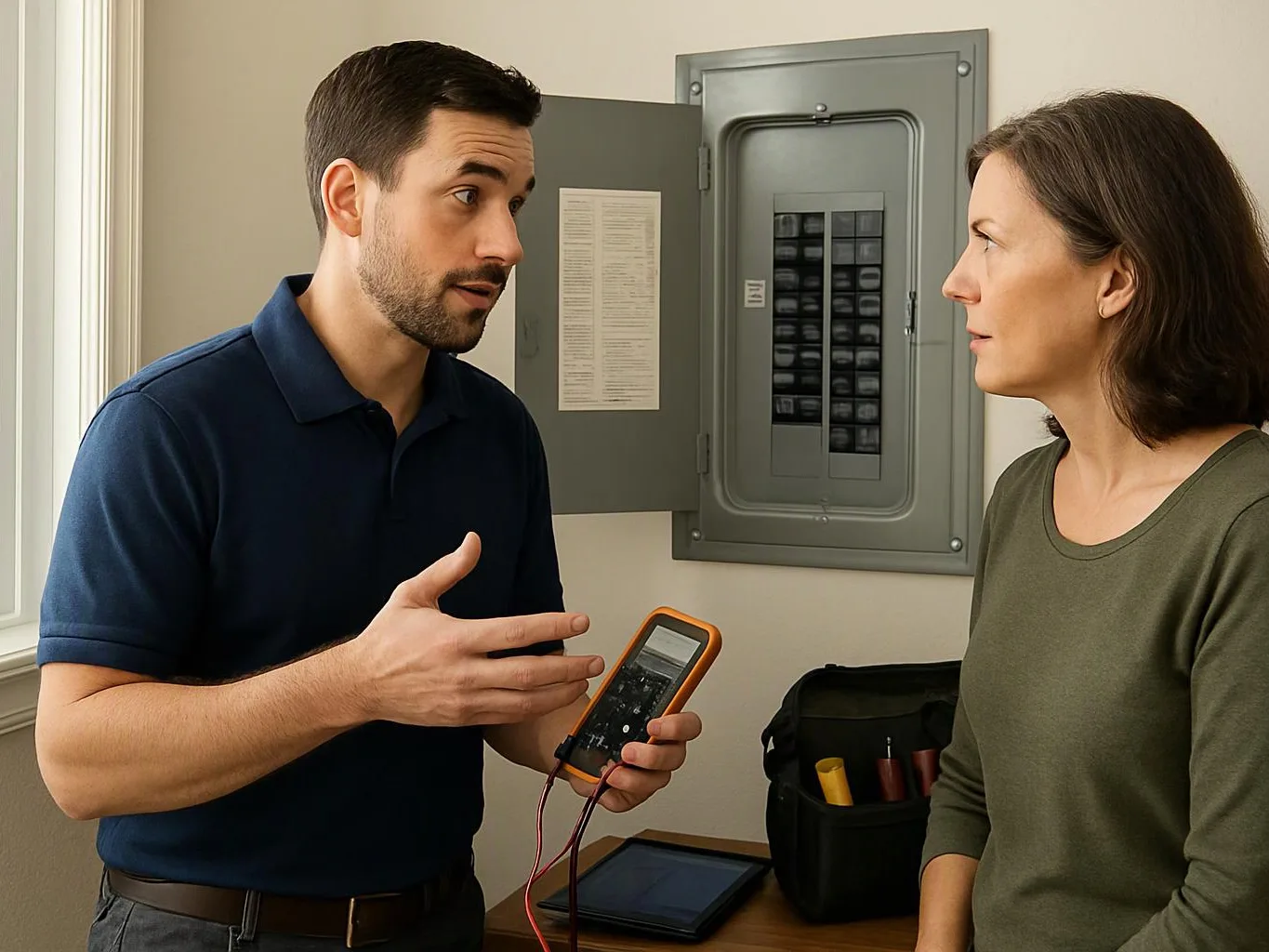
The switch box and the circuit feeding it decide the repair scope. We check the box depth, wire type, grounding, connected lights, and breaker. A single damaged switch may need focused repair. Multiple affected fixtures can point to circuit tracing, improper wiring, or a broader panel concern.
Which material changes how switch repair is handled?
The wire material changes how switch repair is handled because aluminum and copper connections need different checks. We identify the wire type, inspect the terminal fit, and look for heat damage. Older or damaged insulation can expand the work. We explain the needed repair after checking the box and connected circuit.
What should I do before requesting a switch assessment?
A clear symptom note helps us plan the assessment. Record which switch feels warm, whether the light flickers, and whether the breaker trips. A photo of the switch plate and breaker panel can also help. Do not remove the cover or handle exposed wiring, especially if you see scorching, sparks, or a burning smell.
When does a hot switch need urgent attention?
A hot switch needs urgent attention when it smells burned, sparks, buzzes, or shows dark marks. Turn off the related breaker if you can identify it safely. We check for heat damage, arcing contacts, loose connections, and an overloaded circuit. Continued use can worsen the fault and damage the switch box or wiring.