How can I make outlets safer for children?
GFCI protection is the first safety choice for outlets in areas where shock risk matters. Center Electric Service checks the outlet, wiring, grounding, and connected devices before recommending a repair. Tamper-resistant outlets can help block objects from entering the slots. Childproof covers may suit unused outlets, but they must not hide damage, heat, sparking, or loose connections.
What does the crew look at first during outlet repair?
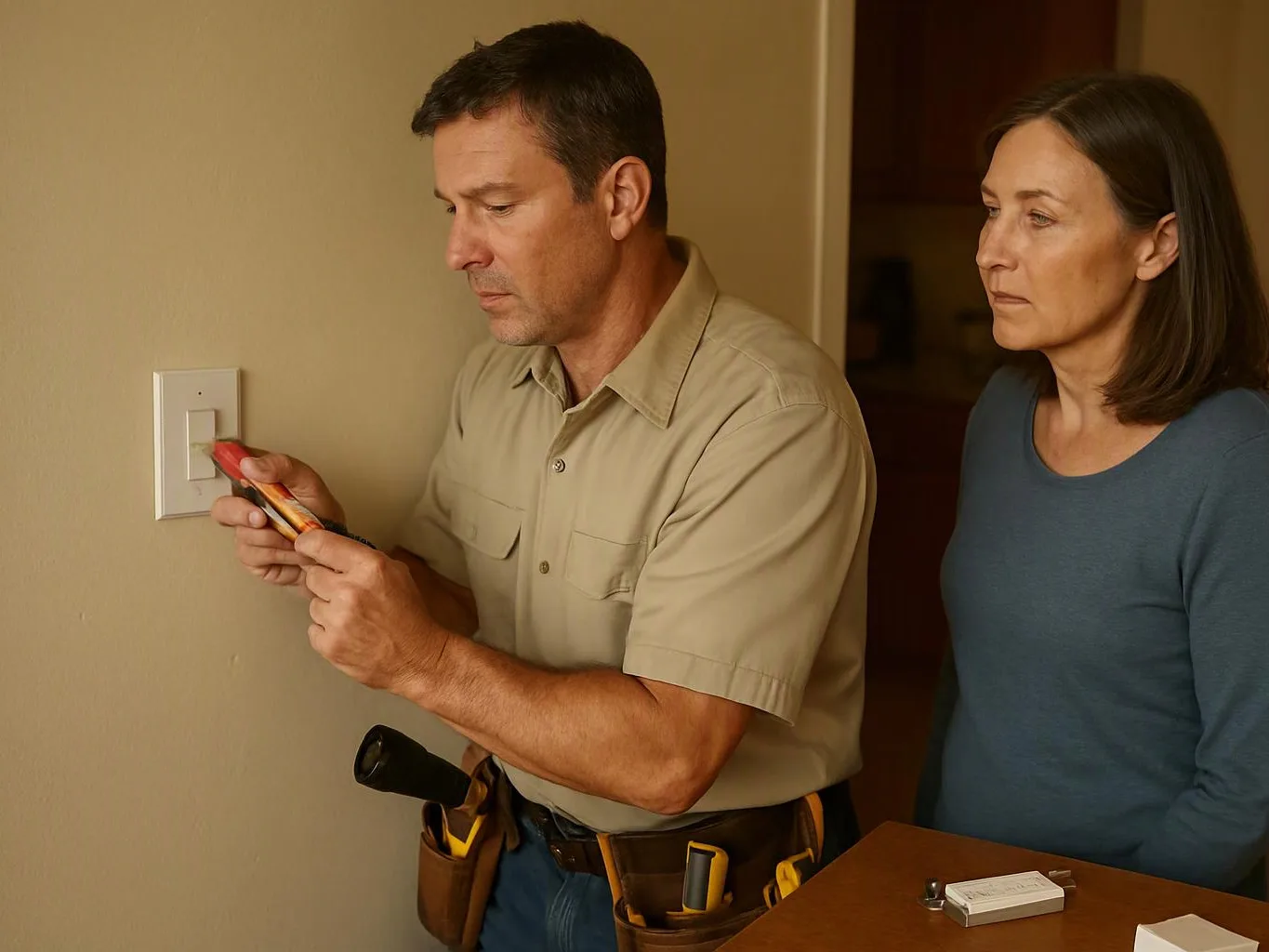
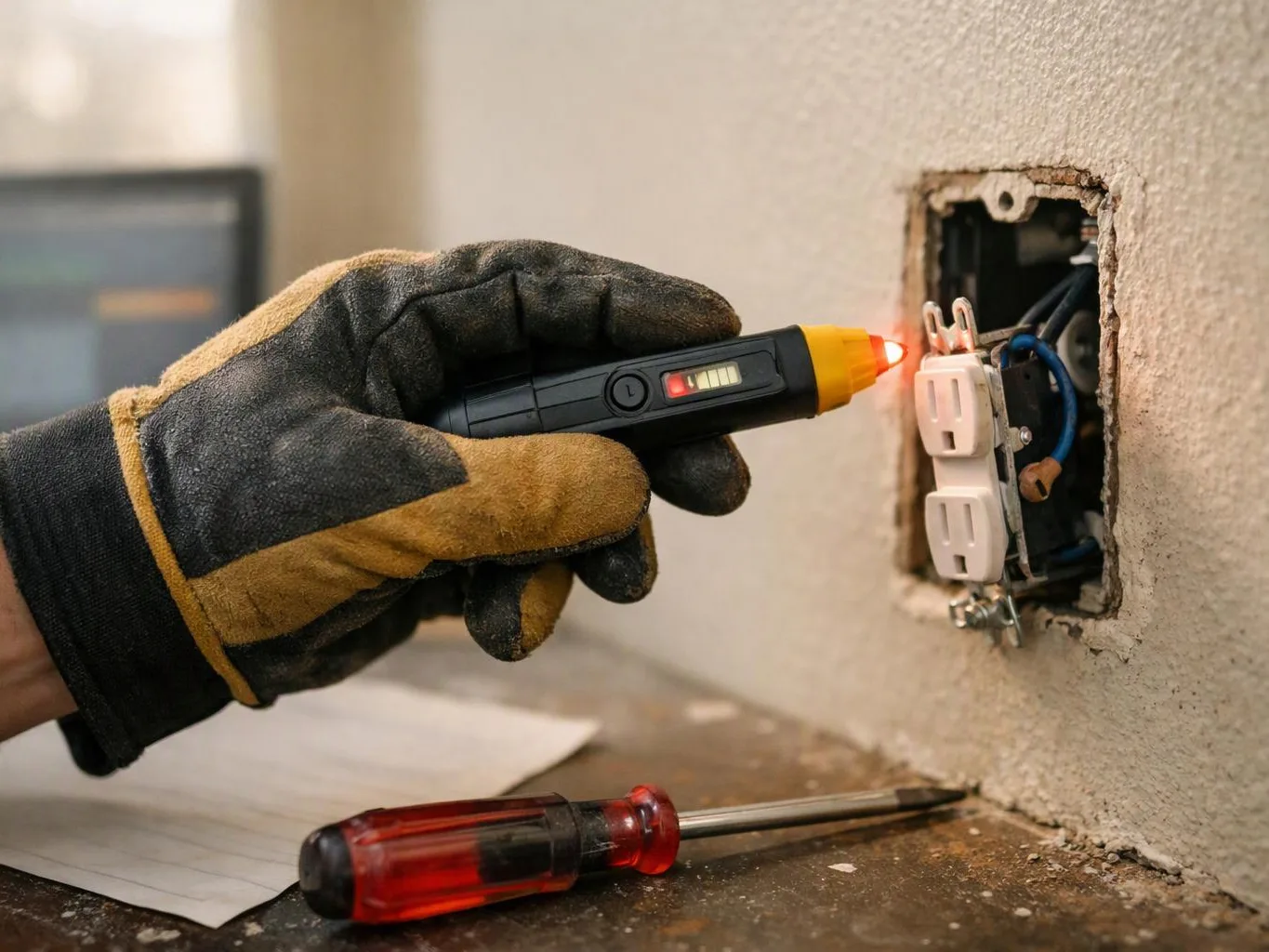
The outlet condition comes first, including loose terminals, burn marks, broken parts, and signs of heat. We then trace the circuit and check the breaker, grounding, and nearby connections. A dead outlet may have a fault upstream, so replacing the visible device alone may not solve the problem.
Which outlet parts change the repair scope?
The wiring condition and outlet type usually decide the repair scope. We check whether the device needs a standard replacement, tamper-resistant design, GFCI protection, or a weatherproof cover. Two-prong wiring, damaged insulation, poor grounding, or a breaker that keeps tripping can point to circuit work beyond the outlet itself.
When should I stop using a switch or outlet?
Stop using an outlet or switch when it sparks, smells like burning, feels warm, or shows black marks. We inspect the device and isolate the affected circuit before setting the repair scope. Frequent breaker trips also need attention because they can signal a fault, overload, or damaged connection.
Why does a replacement outlet still need circuit tracing?
Circuit tracing shows how the outlet connects to the breaker and other devices. We use it when a replacement outlet remains dead, shares a fault, or has an unclear feed. The check can find a loose upstream connection, reversed wiring, missing ground, or another device affecting power at the outlet.
Who is a good fit for outlet and switch repair?
Center Electric Service repairs outlets and switches for homes, businesses, and commercial properties. Our work fits damaged devices, loose connections, dead outlets, worn switches, and safety upgrades. A panel upgrade, service entrance upgrade, or full rewiring is a different scope, so we assess the circuit before recommending the next step.