What electrical components are needed for pool wiring?
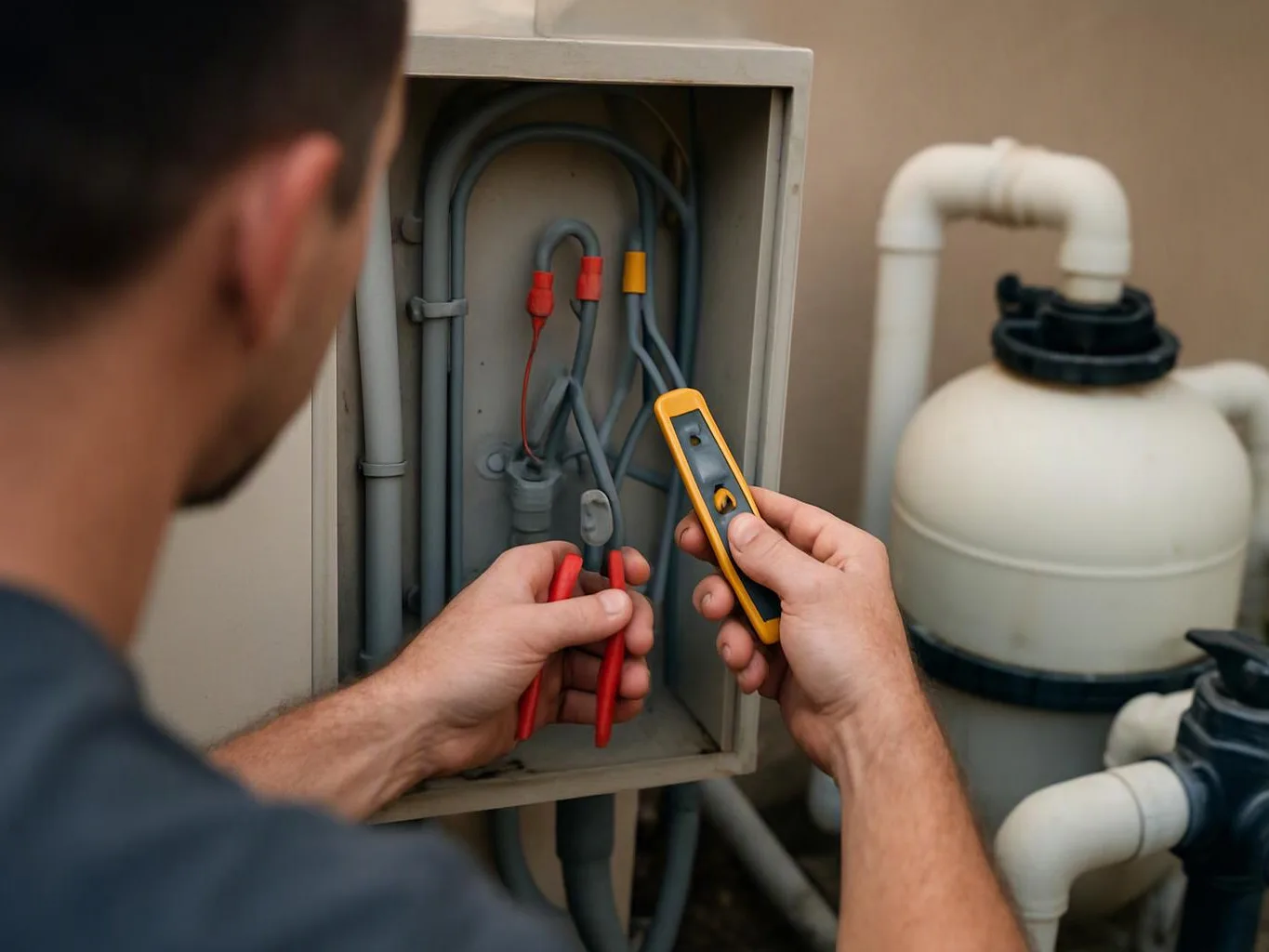
GFCI protection, a bonding grid, conduit, and a disconnect switch are key pool wiring components. The circuit also needs proper grounding and secure equipment connections. Center Electric Service checks the panel, wiring path, and pool equipment before confirming the required parts. The final component list depends on the existing installation and planned equipment.
What does the crew look at first during pool wiring?
The existing circuit and pool equipment come first during a wiring assessment. We identify the equipment load, trace the circuit from the panel, and locate the disconnect. Customers should point out dead equipment, tripped breakers, warm outlets, or recent changes. We then check bonding, grounding, conduit, and visible wiring damage.
What should be checked before pool wiring is scheduled?
Equipment details, panel access, and the current wiring condition should be checked before pool wiring is scheduled. We need to know which pump, light, heater, or control needs power. Customers should share photos of the panel and equipment when safe. We use that information to plan the assessment and identify access needs.
Who is a good fit for pool wiring, and who needs a different service?
Homeowners, businesses, and property managers needing pool equipment power are good fits for pool wiring. Center Electric Service handles circuit connections, conduit, bonding, disconnects, and related electrical checks. A utility outage, major service entrance problem, or unrelated indoor fault needs a separate electrical repair assessment. We can identify that boundary during the visit.
Which pool wiring part changes the project cost most?
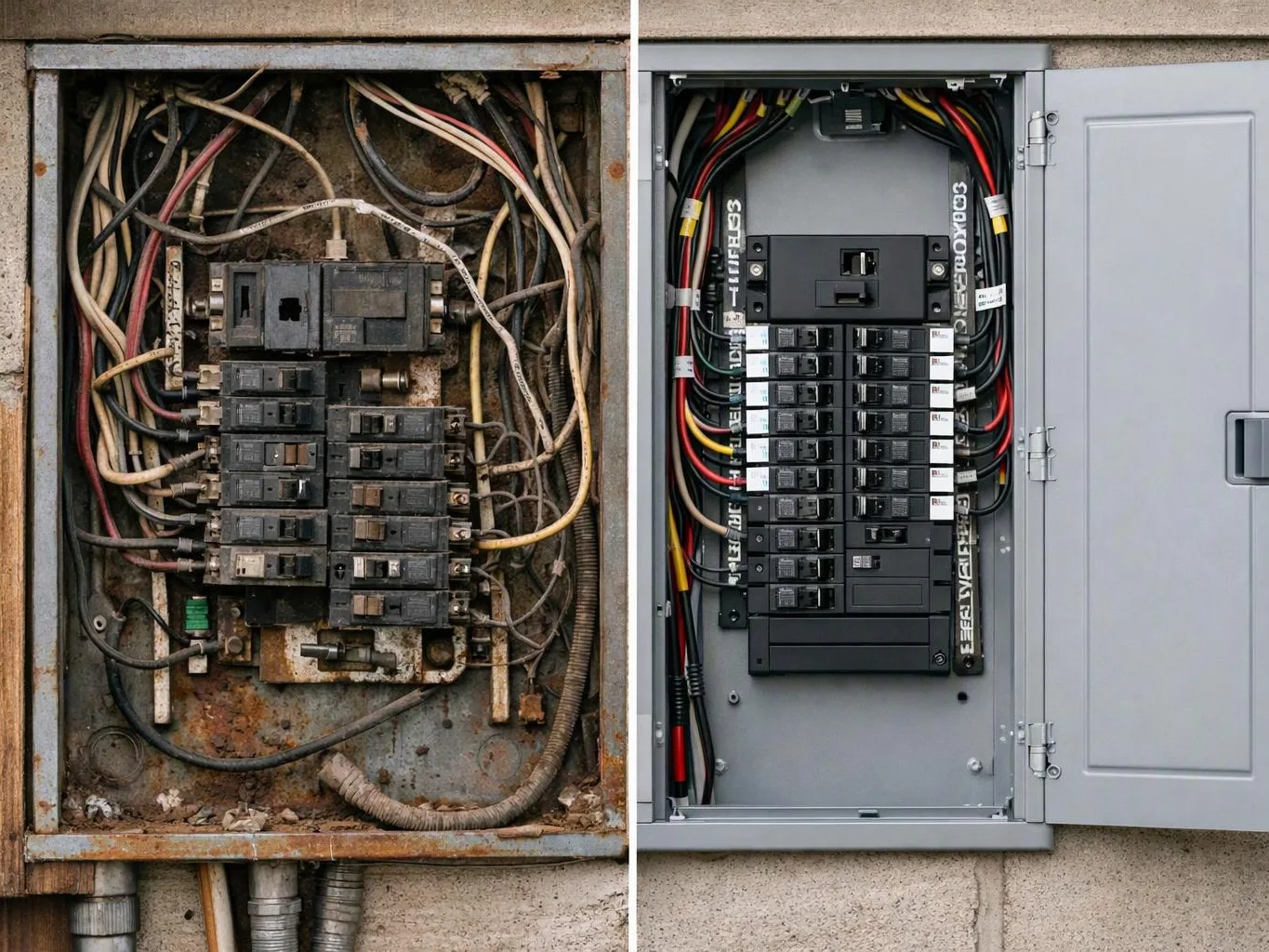
The circuit route and panel condition often change the pool wiring scope most. Long or difficult conduit routes, limited panel capacity, damaged bonding, and a missing disconnect can add work. We inspect those parts before preparing the estimate. The estimate reflects the actual equipment and wiring required for the property.
Why does pool equipment keep tripping the breaker?
A tripping breaker can point to a circuit fault, damaged equipment, moisture at a connection, or insufficient electrical capacity. We isolate the affected circuit and test the panel, wiring, disconnect, and equipment connection. Customers should stop resetting the breaker repeatedly, especially if they notice heat, sparks, or a burning smell.
How does a disconnect switch help pool equipment service?
A disconnect switch gives pool equipment a defined point for electrical isolation during service. We check that the switch connects correctly and sits where the equipment setup allows safe access. Customers should keep the area clear so the disconnect and equipment can be reached for inspection or repair.