What type of bulbs work with recessed lighting?
Color temperature helps choose LED bulbs that suit the room's use and fixture. Center Electric Service checks the bulb size, trim fit, lumen rating, and dimming compatibility before installation. The correct bulb must match the housing and control, or the light may flicker, dim unevenly, or fail to fit.
What does the crew look at first during recessed lighting installation?
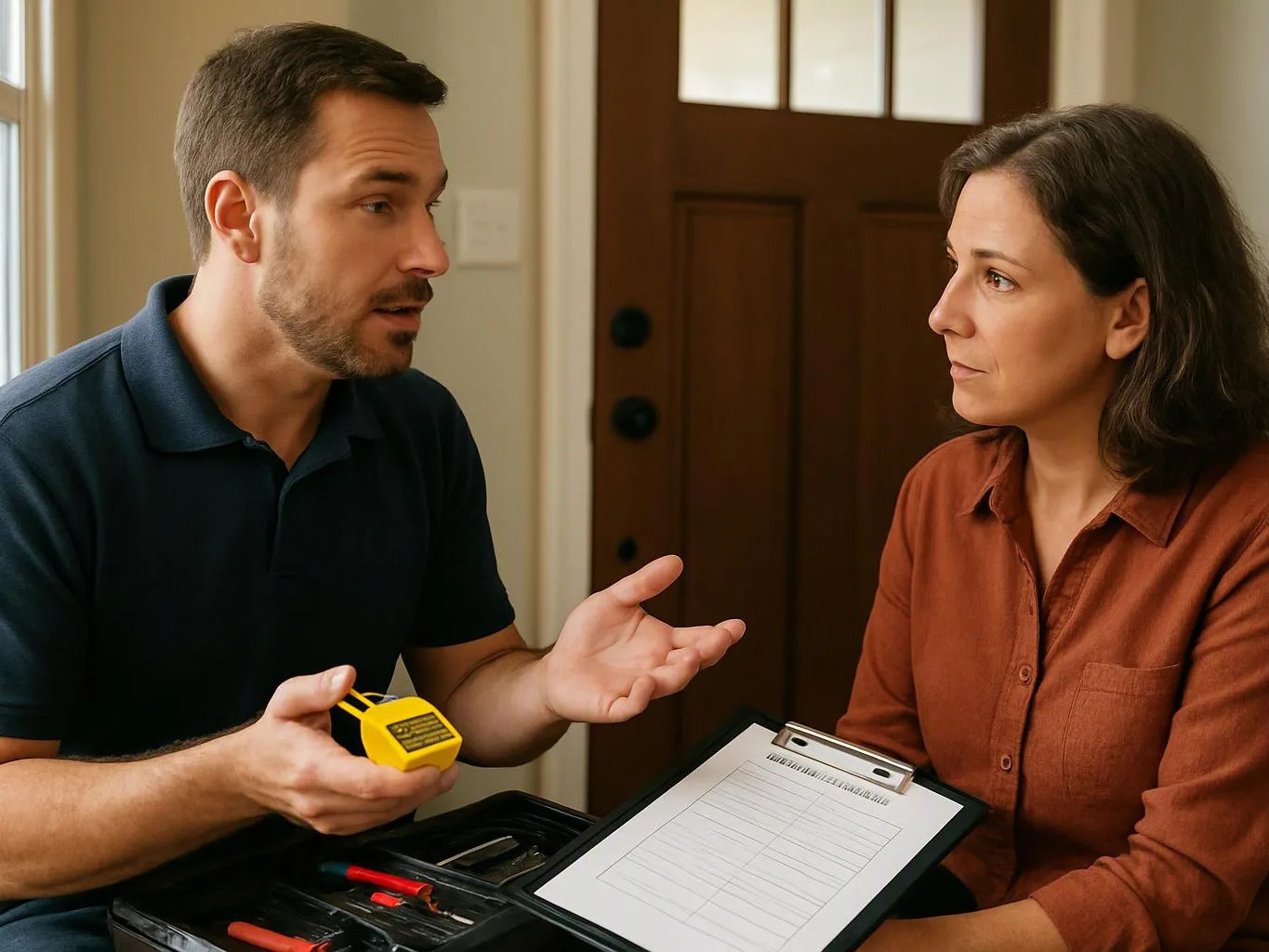
The ceiling, existing circuit, access path, and room purpose guide the first inspection. We look for usable wiring, suitable fixture locations, and any condition that could affect the layout. That review sets the installation scope before we cut openings or connect new fixtures.
What should be checked before recessed lighting is scheduled?
The planned layout, ceiling access, circuit capacity, fixture type, and switch controls should be checked first. We also review the LED bulb and trim combination. These details help identify whether the project needs only lighting work or also circuit repair, switch installation, or other electrical service.
Who is a good fit for recessed lighting installation, and who needs a different service?
Center Electric Service installs recessed lighting for homeowners and businesses that need focused ceiling light. A property with flickering, dead outlets, burning smells, or repeated breaker trips needs electrical diagnosis first. We check the hazard and explain whether lighting installation can proceed safely.
Which part of the lighting job changes the estimate?
Ceiling access and wiring needs often change the estimate more than the trim style alone. We also review fixture type, circuit capacity, controls, and the selected LED bulbs. A free estimate follows that review, so the scope reflects the actual property and lighting plan.
When should a dimmer be checked before new ceiling lights?
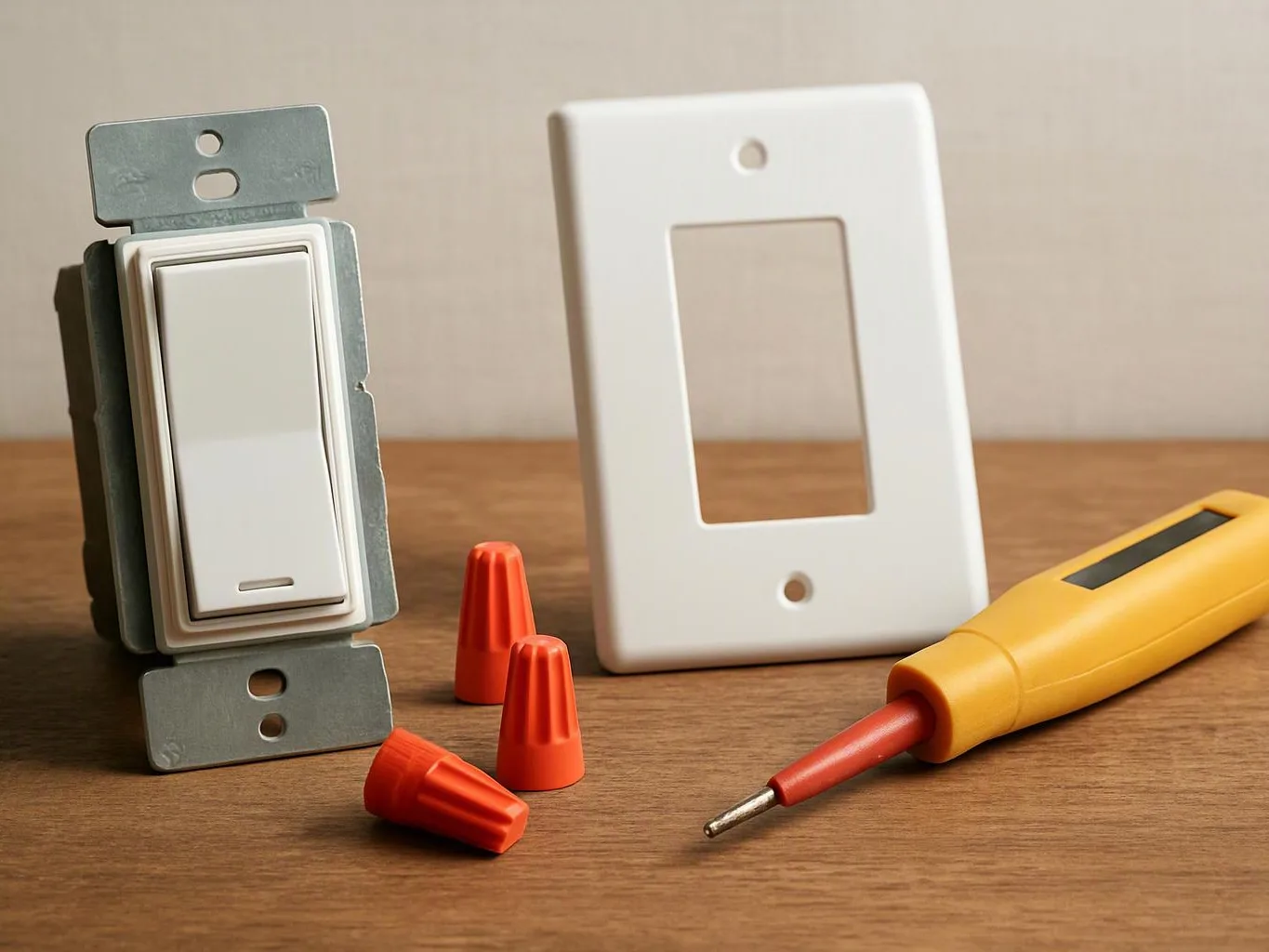
A dimmer should be checked before installation whenever the new fixtures will use LED bulbs. We test whether the control matches the bulb and fixture, then identify any flicker or uneven dimming risk. The check is useful for both new controls and existing switches.
Why do recessed lights need a circuit check?
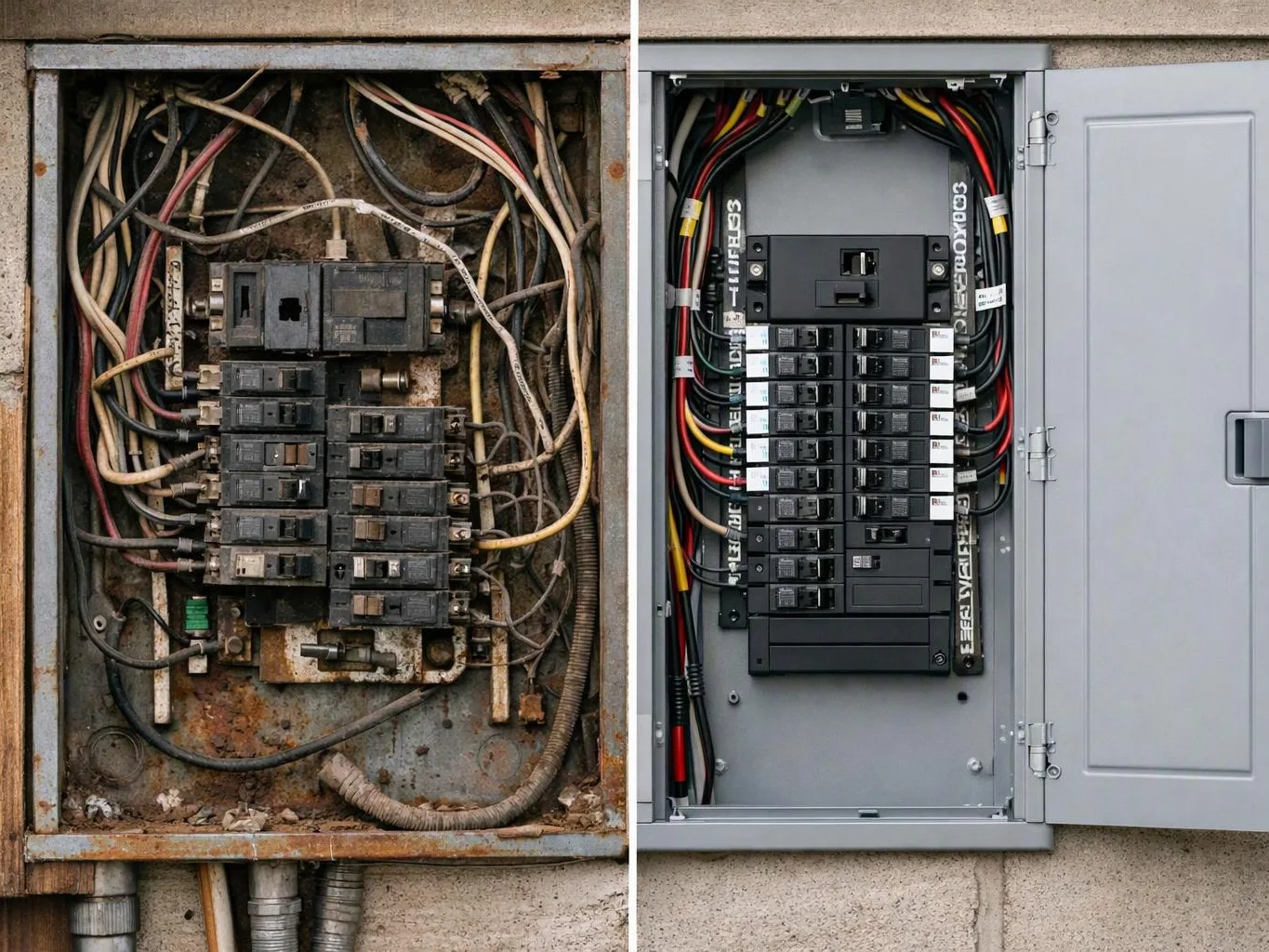
A circuit check confirms that the planned fixtures have a suitable electrical supply. We inspect connections, identify related loads, and test the circuit before final connection. The check matters when existing lights flicker, breakers trip, or the room already has several electrical devices.