What causes false alarms after a smoke detector is installed?
False alarms often come from dust buildup, dead batteries, loose wiring, or a failing detector. We inspect the sensing area, battery, terminals, and power connection to identify the cause. Cleaning may address surface dust, but a wiring fault needs electrical testing. We explain whether the unit needs service, replacement, or a separate circuit repair.
Who installs smoke detectors for homes and businesses?
Center Electric Service installs smoke detectors for residential and commercial properties. Our licensed and insured electricians check the mounting point, power source, wiring, and alarm response. We also handle related electrical services when testing finds a circuit, outlet, or wiring problem. The quote identifies the detector work and any separate repair scope.
How can I tell whether smoke alarm installation fits my property?
Smoke alarm installation fits a property when detectors need new placement, replacement, wiring checks, or testing. We review the current alarms and the condition of their connections before setting the scope. A property with a wider electrical hazard may need troubleshooting or repair as well. We explain that distinction before work starts.
Which part of the property decides the installation scope?
The detector location and its access decide much of the installation scope. Mounting surfaces, nearby electrical boxes, visible wiring, battery access, and the distance to the service point all matter. We inspect those conditions at the property and identify whether the job needs simple mounting, wiring work, or a broader electrical repair.
Which material changes how long smoke alarm installation takes?
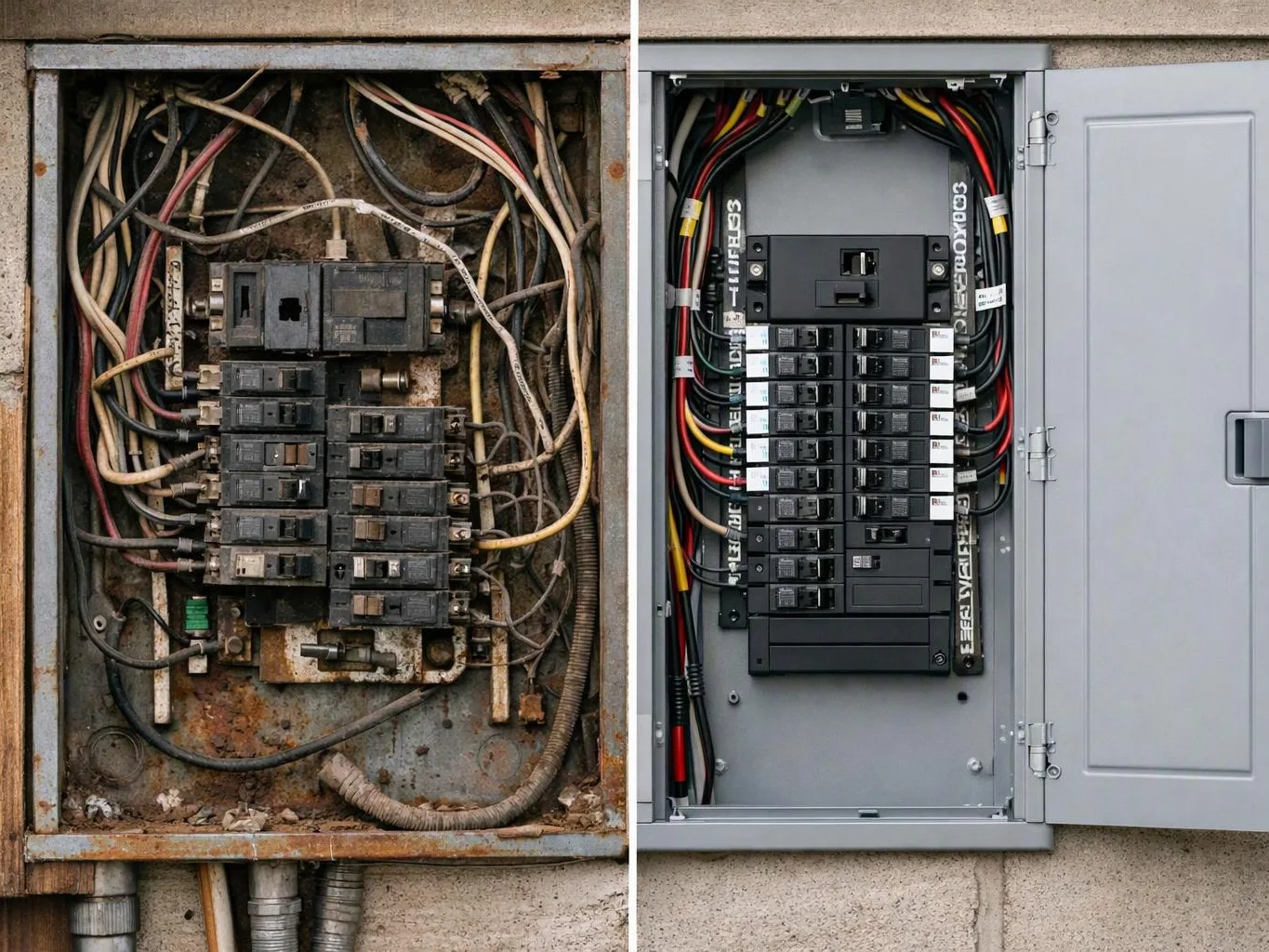
Existing wiring changes the work time more than the detector casing or trim. Secure wiring supports a direct connection, while damaged, loose, or inaccessible wiring needs added diagnosis. We inspect the connection before quoting the work, and we explain any separate repair that affects the installation scope.
Why does one smoke detector keep failing its test?
A failed test can indicate a dead battery, loose wiring, a missing power source, or a defective detector. We test the battery and connection, then inspect the device and mounting point. Replacing the alarm alone will not solve a circuit fault, so we identify the cause before completing the work.
What should a business prepare before detector installation?
A business should provide access to the rooms, detector locations, electrical boxes, and any alarm that has failed. We check those areas before setting the work scope. Staff can also note which devices sound, stay silent, or trigger false alarms. That information helps us separate detector work from wider electrical troubleshooting.