
What Is a Transformer?
A transformer is an electrical device that changes alternating-current voltage from one level to another through electromagnetic induction. Transformers can raise voltage, lower voltage, or provide electrical isolation between circuits. In lighting installation, a transformer may adapt building power for low-voltage fixtures, landscape lights, or specialized lighting equipment.
Quick Facts About Transformer
Category
Voltage conversion device
Used for
Matching power to lighting equipment
Common confusion
Often confused with an LED driver
Also called
Lighting transformer, Voltage transformer
Often discussed with
Lighting installation
Key Takeaways About Transformer
- Transformers change voltage without changing the electrical frequency.
- Low-voltage lighting often depends on a correctly sized transformer.
- A transformer is not the same component as an LED driver.
How Transformer Works
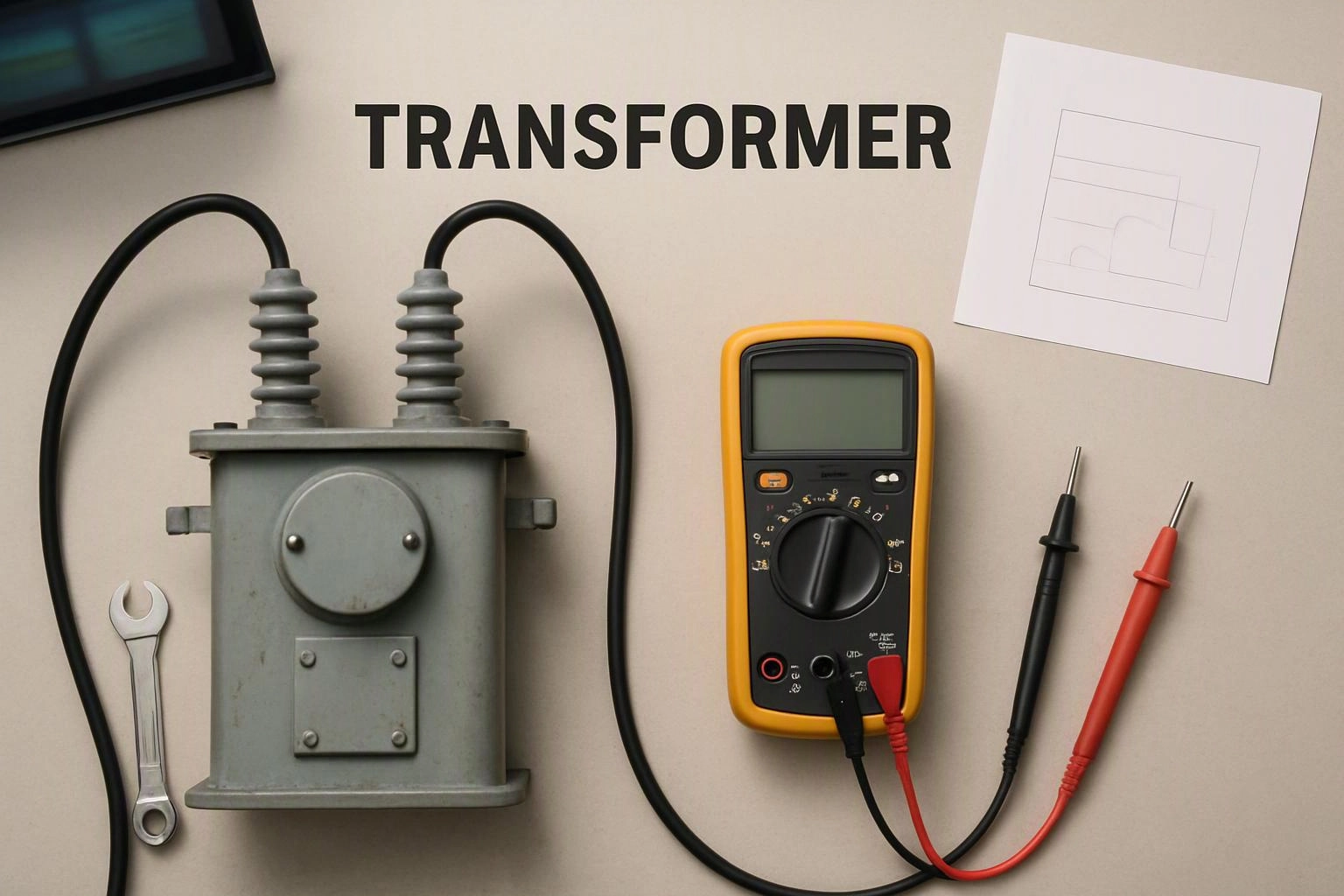
A transformer transfers electrical energy between coils through a changing magnetic field. The input coil receives alternating current, and the magnetic field induces voltage in the output coil. The relationship between the coils changes the output voltage while preserving the system's operating frequency.
Related glossary terms: LED driver, Voltage drop, Wire gauge.
Lighting systems use transformers when fixtures need a different voltage from the building supply. A low-voltage lighting transformer lowers voltage for compatible fixtures, while other transformer types serve different equipment. The installation must match the fixture voltage, total connected load, wiring method, and environmental conditions.
Transformer and LED Driver
An LED driver regulates power for LED components and may convert current as part of that process. A transformer primarily changes voltage through magnetic coupling. Some lighting products combine both functions, so the fixture instructions and electrical design determine the correct component.
From the Center Electric Service team
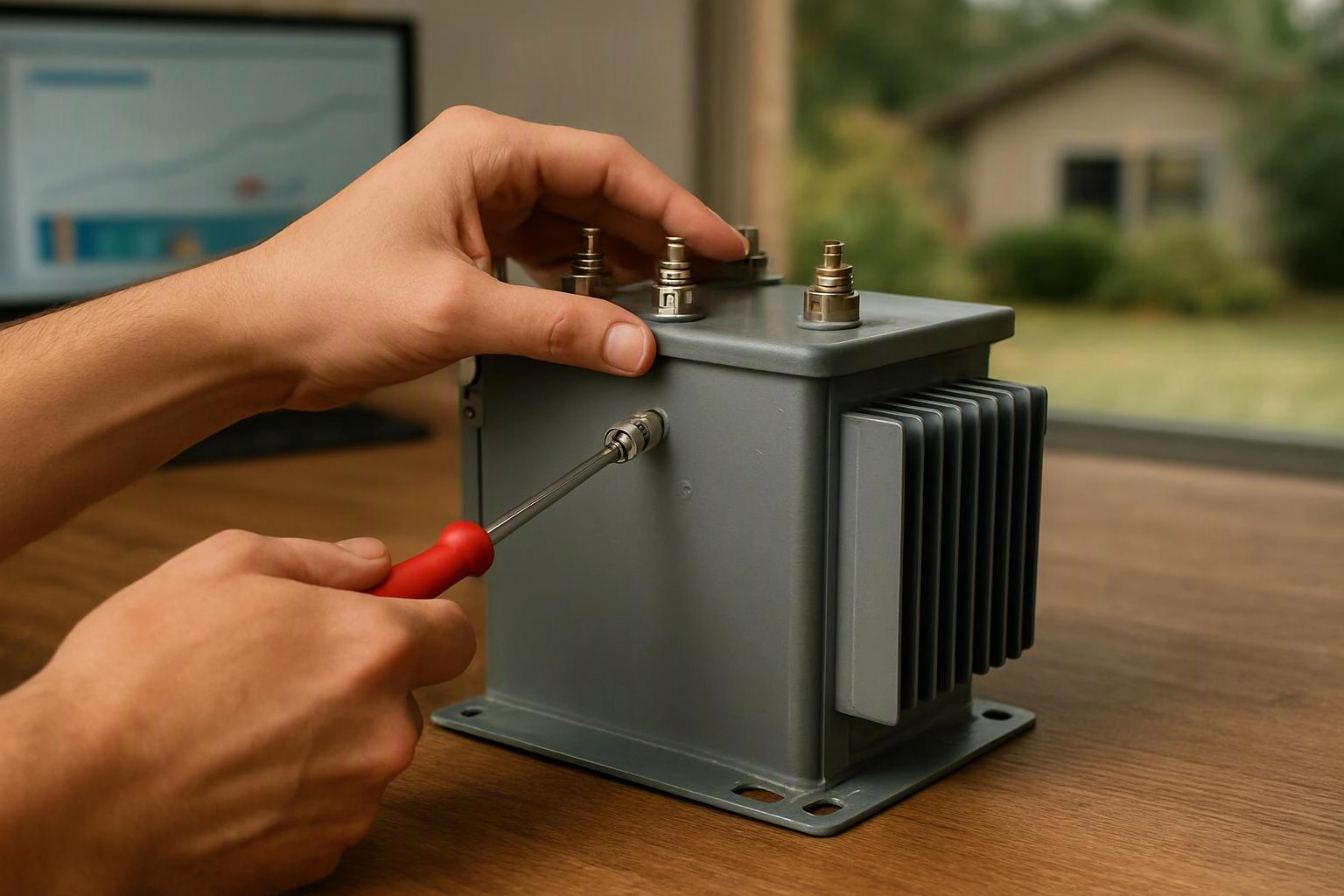
When we plan lighting installation, we check the fixture requirements, available supply voltage, connected load, and transformer location. We also inspect wiring connections and confirm that the selected component matches the lighting system. Our team treats transformer selection as part of the complete lighting design, not as an isolated component choice.
Transformer in Practice: A Real-World Example
A homeowner adds low-voltage pathway lights to a property. The lighting installation uses a transformer that lowers building voltage to the level required by the fixtures, then connects the lights through suitable outdoor wiring.
Related Services
Related Terms
LED driver
An LED driver is an electronic power supply that converts incoming electrical power into the controlled…
Voltage drop
Voltage drop is the reduction in electrical potential that occurs as current travels through a conductor…
Wire gauge
Wire gauge is a standardized system for describing a conductor's diameter and current-carrying capacity. Gauge numbers…
Photocell
Photocell is a light-sensitive electrical control that switches a lighting circuit on when surrounding light becomes…
Center Electric Service
Have Questions About Transformer?
Contact Center Electric Service for practical guidance on Transformer and related electrical services work in Riverside.