Safe Electrical Troubleshooting for Homeowners
Basic electrical troubleshooting steps for homeowners start with staying clear of exposed wiring, identifying the affected circuit, checking for simple causes, and stopping when a fault persists or creates danger; Center Electric Service handles electrical troubleshooting, circuit breaker repair, and outlet repair when the issue is beyond a safe homeowner check. Free Estimates Available.
Get a Free EstimateWhat Should Homeowners Check Before Troubleshooting Electrical Problems?
Homeowners should first protect people from electrical contact, identify the affected area, and avoid opening electrical equipment or touching damaged wiring.
Electrical safety starts with keeping hands dry, moving people away from danger, and leaving the electrical panel closed if the area is wet or damaged. Do not touch exposed wiring, remove an outlet cover, or open an appliance to investigate a power issue.
Check which rooms, outlets, or appliances have lost power. Note whether the issue affects one electrical outlet or several areas, then look for simple signs such as a disconnected plug or a tripped circuit breaker. We use these observations to guide safe electrical problem diagnosis.
How Can You Troubleshoot a Tripped Circuit Breaker Safely?
A tripped circuit breaker can be reset only after you disconnect or switch off the affected loads and confirm there is no visible damage, burning smell, moisture, or unusual heat.
A circuit overload can result from too much appliance load on one circuit. A short circuit or ground fault can indicate a more serious problem in the electrical wiring or connected equipment. We perform circuit diagnosis to determine why the breaker operates.
How Can You Check a Nonworking Outlet Without Opening It?
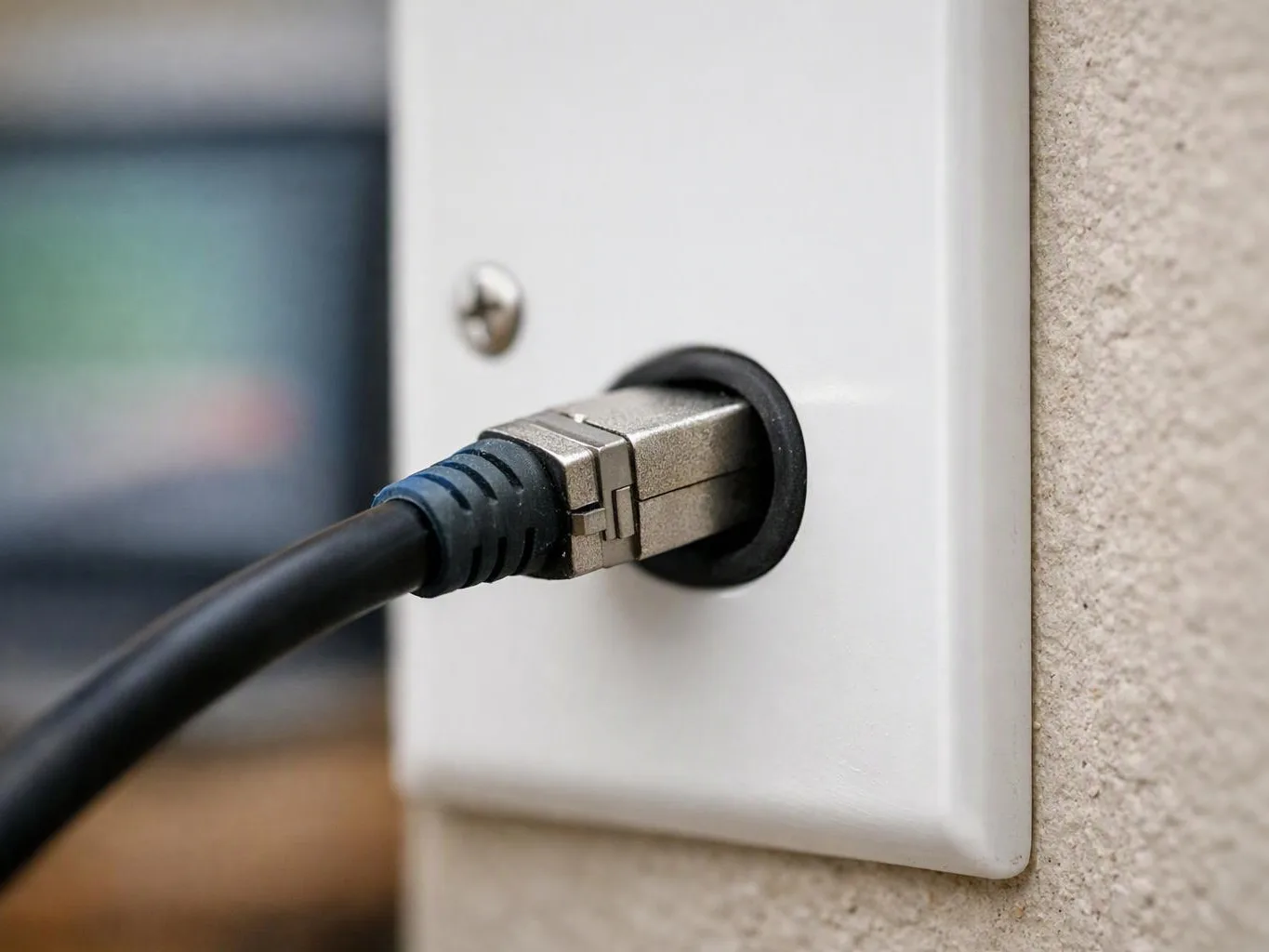
A nonworking outlet can be checked from the outside by testing the connected device, checking nearby GFCI reset buttons, and confirming the related breaker has not tripped.
A GFCI outlet may not reset when it still detects a fault, has no incoming power, or has internal damage. Our team checks the circuit and outlet condition to identify the cause safely.
When Should You Stop DIY Electrical Troubleshooting?
You should stop DIY electrical troubleshooting when you see smoke, sparks, burn marks, exposed conductors, water near electrical equipment, repeated breaker trips, or any condition that feels unsafe.
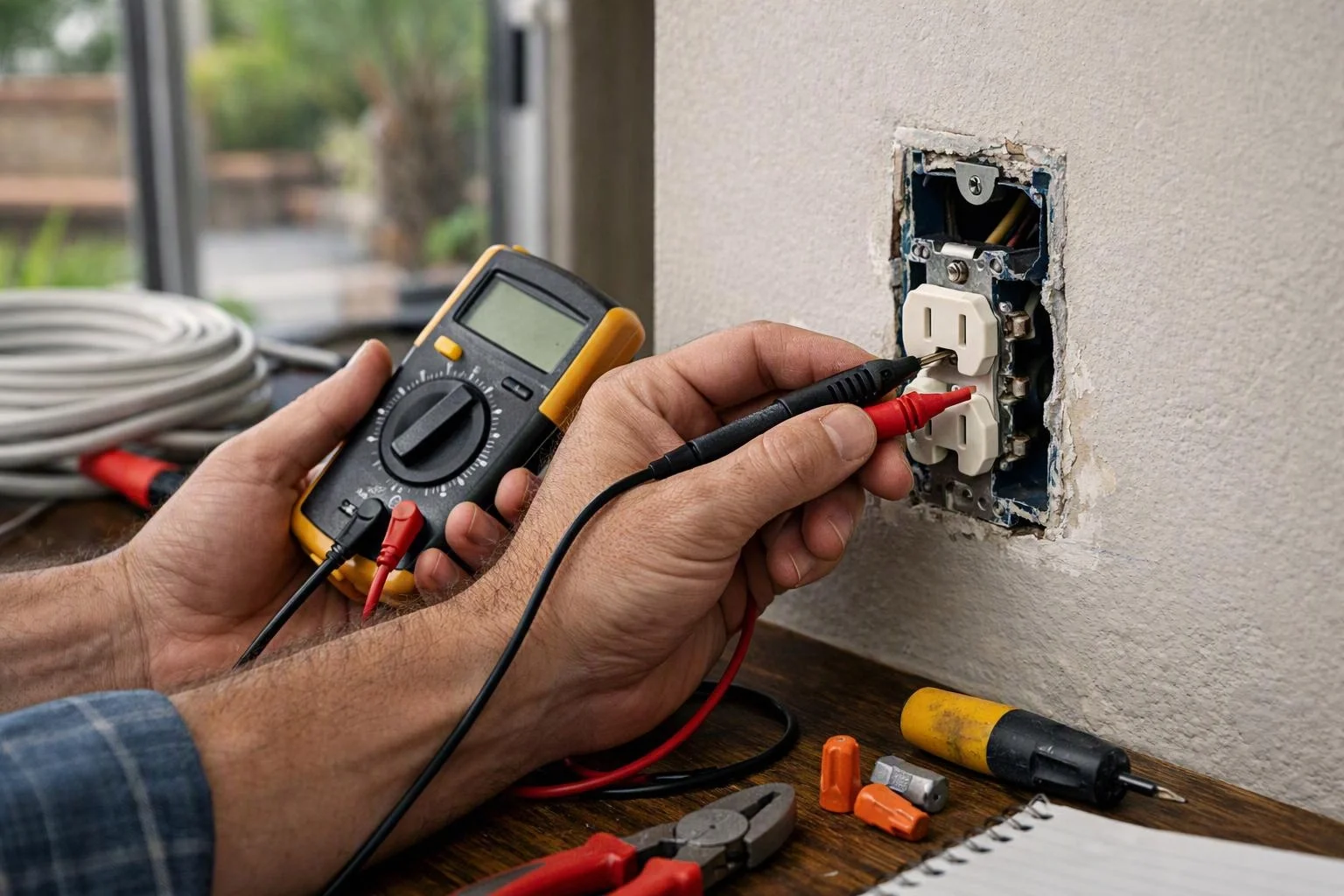
Electrical shock hazard can exist even when an outlet, panel, or appliance appears inactive. Do not touch damaged electrical wiring, investigate arcing, or handle equipment affected by water exposure.
Turn off power only when you can do so without approaching a dangerous area. Leave the space and contact Center Electric Service when there is sparking, smoke, a burning smell, heat, or repeated breaker trips. We inspect the electrical hazard and determine the safe repair path.
What Information Helps Center Electric Service Diagnose the Problem?
An electrical troubleshooting service call is easier to prepare for when you record what stopped working and what happened before the power loss. Avoid opening equipment or taking apart an outlet to collect information.
Share these observations with our team before we begin. We use them to plan an electrical inspection, narrow the circuit diagnosis, and determine whether circuit breaker repair or outlet repair is needed.
How We Approach Electrical Troubleshooting and Repairs
Center Electric Service approaches electrical troubleshooting by separating safe observations from repair work and checking the complete affected circuit. Our team looks for the source of the power issue instead of treating only the visible symptom.
We inspect the electrical panel, circuit connections, outlets, GFCI protection, appliance load, and accessible electrical wiring. We also look for signs of a circuit overload, short circuit, ground fault, heat, or other electrical hazard.
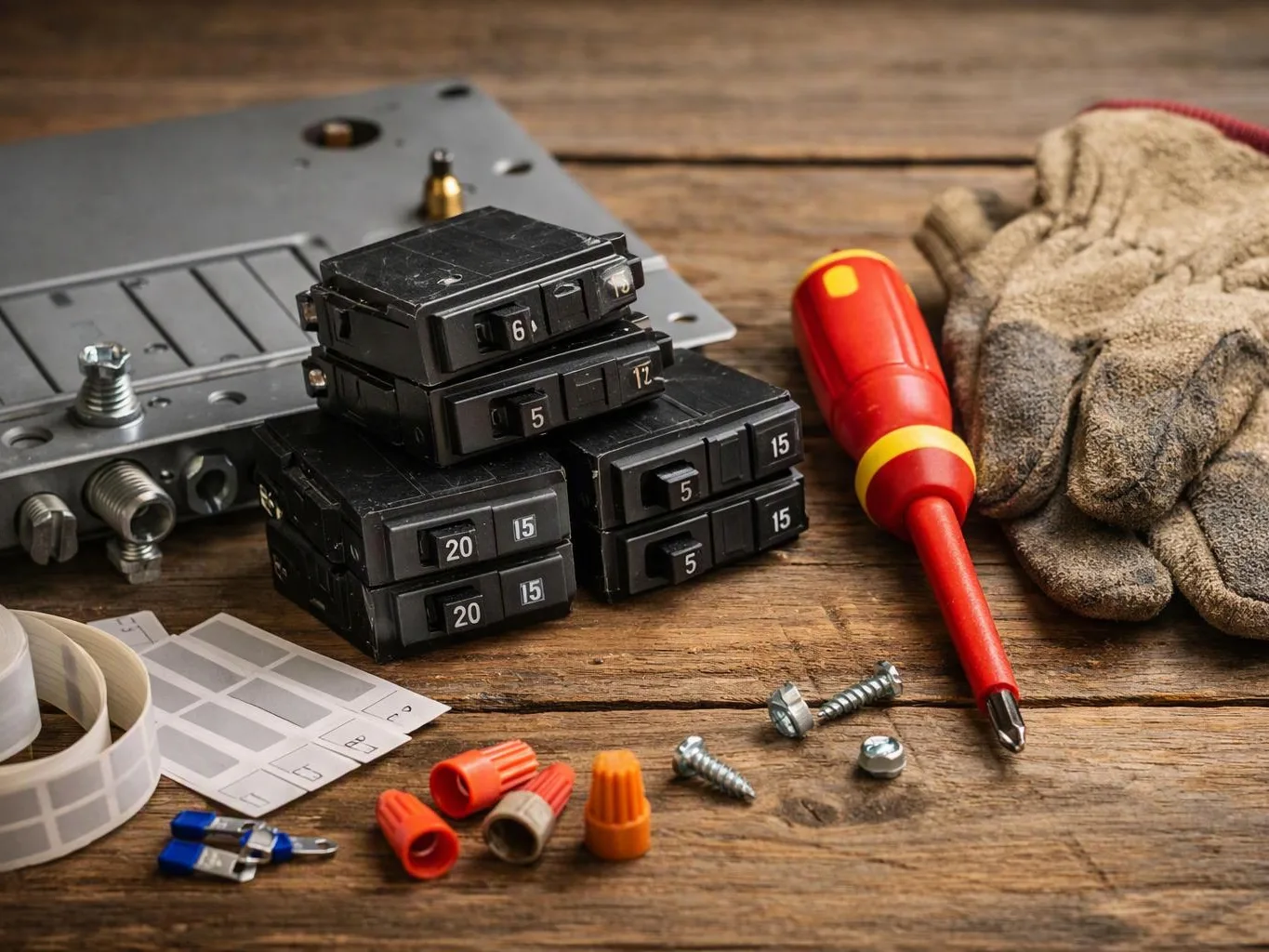
When the issue involves a breaker, we provide Circuit Breaker Repair after identifying why the breaker operated. When the issue is at a receptacle, we assess the outlet condition and complete outlet repair as needed.
Our electrical inspection focuses on safe operation and clear findings. If the problem requires repair beyond a homeowner check, we explain the condition and the work our crew recommends. Free Estimates Available.
Questions About Home Electrical Troubleshooting
Why does a circuit breaker keep tripping after I reset it?
Center Electric Service checks a breaker that keeps tripping for an overload, short circuit, ground fault, damaged wiring, or a problem with a connected appliance. Disconnect the affected loads and stop resetting the breaker when it trips again.
Can a tripped breaker indicate a short circuit?
Yes, a tripped breaker can indicate a short circuit, although an overload, ground fault, appliance fault, or wiring problem can cause similar symptoms. We test the affected circuit to identify the actual source.
What should I do if only one outlet has no power?
Check the connected device, nearby GFCI reset buttons, and the related breaker without opening the outlet. Stop if the outlet has heat, burn marks, a loose cover, smoke, or a burning smell.
Why is a GFCI outlet not resetting?
A GFCI outlet may not reset because it detects a continuing fault, has no incoming power, or has internal damage. Keep the area dry and contact us when the reset button will not stay engaged.
Can I troubleshoot an outlet that smells burnt?
No, a burnt smell is a stop condition. Turn off power only when it is safe to reach the correct breaker, keep away from the outlet, and contact us for an electrical inspection.
What should I tell Center Electric Service before an electrical service call?
Tell Center Electric Service which circuit or outlet is affected, what appliances were running, whether the breaker tripped, and whether you saw smoke, sparks, heat, water exposure, or visible damage. These details help our team prepare for circuit diagnosis.
Get Help With an Electrical Problem
Electrical troubleshooting should stop when a fault repeats or creates a shock, fire, or water-related hazard. Contact Center Electric Service for an electrical inspection, circuit diagnosis, circuit breaker repair, or outlet repair when the issue is beyond a safe homeowner check.
Contact Center Electric Service to request service and discuss the symptoms you observed.
Related Resources
Emergency Electrician or Regular Electrician: Which Service Fits?
Compared ToCircuit Breaker Repair and Replacement: Signs and Options
Brand vs BrandElectrical Troubleshooting Providers Worth Comparing in Riverside (2026)
Brand vs BrandCircuit Breaker Repair Companies Worth Comparing in Riverside (2026)