Electrical Panel Upgrade Mistakes: Common Sizing, Scope, and Safety Errors
Electrical panel upgrade mistakes include choosing the wrong capacity, overlooking wiring or load requirements, and skipping safety checks; Center Electric Service reviews the electrical system, defines the scope, and corrects the work safely.
Get a Free Estimate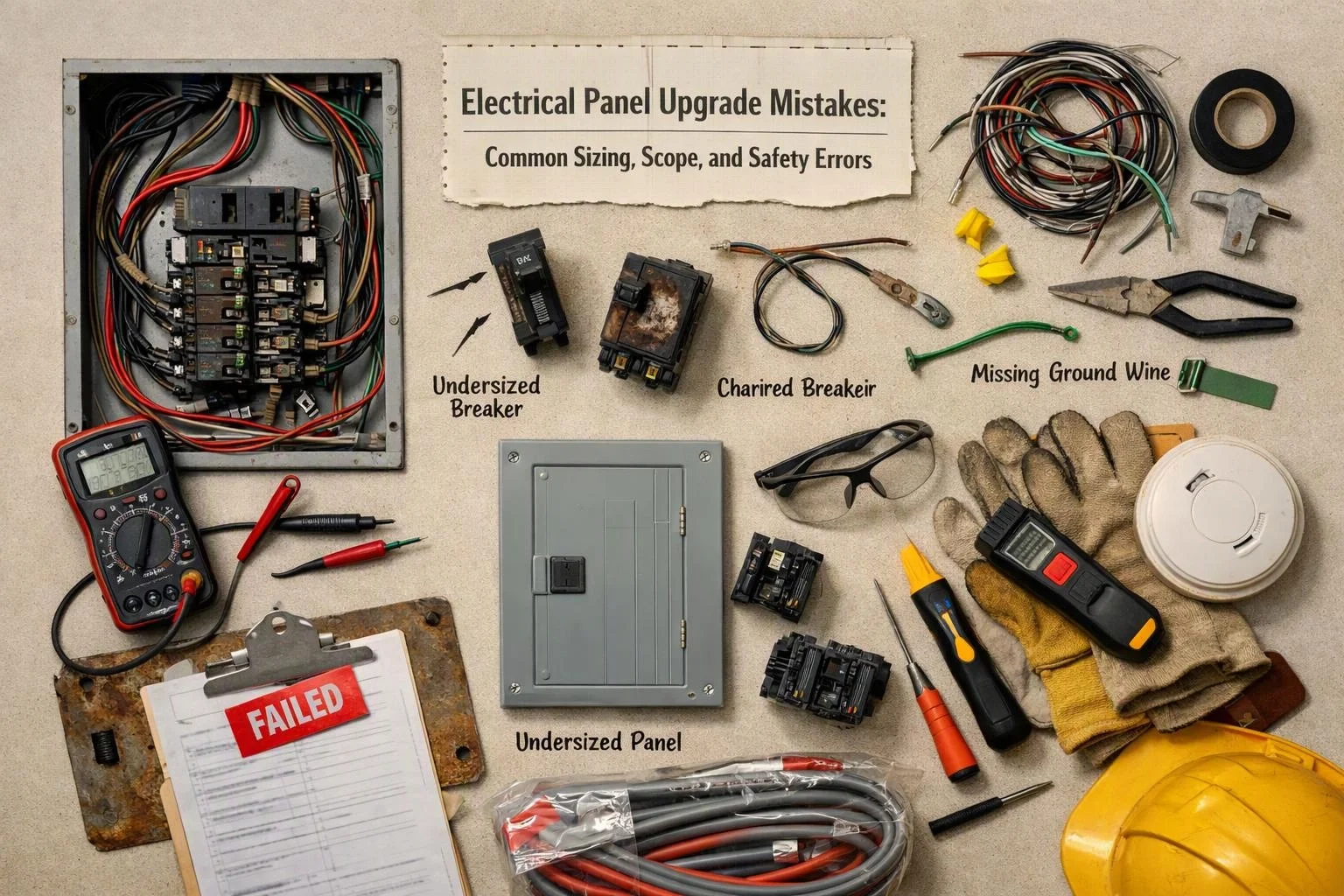
What Makes an Electrical Panel Upgrade Go Wrong?
Electrical panel upgrades go wrong when the work addresses the panel alone without matching the service capacity, connected loads, wiring condition, and required safety corrections.
We review the electrical load, service entrance, branch circuits, and electrical safety details before deciding whether the right solution is panel replacement, repair, or a broader service upgrade.
Mistake 1: Choosing Panel Size Without a Load Review
An electrical load calculation shows whether the service capacity and panel rating can support the connected load, including continuous loads.
Choosing a panel without that review can leave the main breaker, service conductors, or overcurrent protection mismatched to the system. We calculate the load, compare it with the available capacity, and specify equipment that fits the actual demand.
The correction cost depends on whether the issue needs panel replacement, service entrance work, or changes to branch circuits. Our scope identifies those needs before work begins.
Mistake 2: Treating a Larger Panel as More Usable Capacity
A larger panel enclosure does not automatically increase the capacity supplied by the utility service or protected by the main breaker.
This mistake happens when physical space is confused with electrical capacity. We verify the utility service, main breaker, service conductors, panel rating, and available capacity before selecting equipment.
The correction cost changes when the work requires a service upgrade or new overcurrent protection. We explain the needed scope in the estimate.
Mistake 3: Replacing the Panel Without Checking Existing Wiring
Branch-circuit wiring must match the circuit protection and remain in suitable condition after a panel replacement.
Damaged insulation, incorrect wire size, loose connections, and deteriorated junction boxes can create heat or shock hazards. We inspect conductors, wire size, insulation condition, and accessible junction boxes before reconnecting circuits.
The correction cost depends on the number and condition of branch-circuit conductors that need repair. We separate panel work from branch-circuit repairs so the scope remains clear.
Mistake 4: Leaving Out Circuits and Future Electrical Loads
A complete panel scope accounts for existing branch circuits, electrical appliances, and known future loads.
An incomplete circuit directory can hide an omitted circuit or make future service unsafe. We identify each branch circuit, update the directory, and discuss whether the available capacity supports planned equipment or a subpanel.
The correction cost changes with the number of circuits, the wiring access, and the need for additional equipment. We include those factors in the proposed scope.
Mistake 5: Ignoring Grounding and Bonding Details
Grounding and bonding connect electrical equipment to an effective fault path and help protective devices operate as intended.
Problems can involve the grounding electrode system, grounding conductor, neutral conductor, grounding bus, or bonding jumper. We inspect these connections and confirm that service equipment is arranged correctly for the electrical system.
The correction cost depends on access to the grounding electrode system and the condition of existing conductors. We identify grounding repairs before closing the panel.
Mistake 6: Failing to Correct Panel Location and Clearance Problems
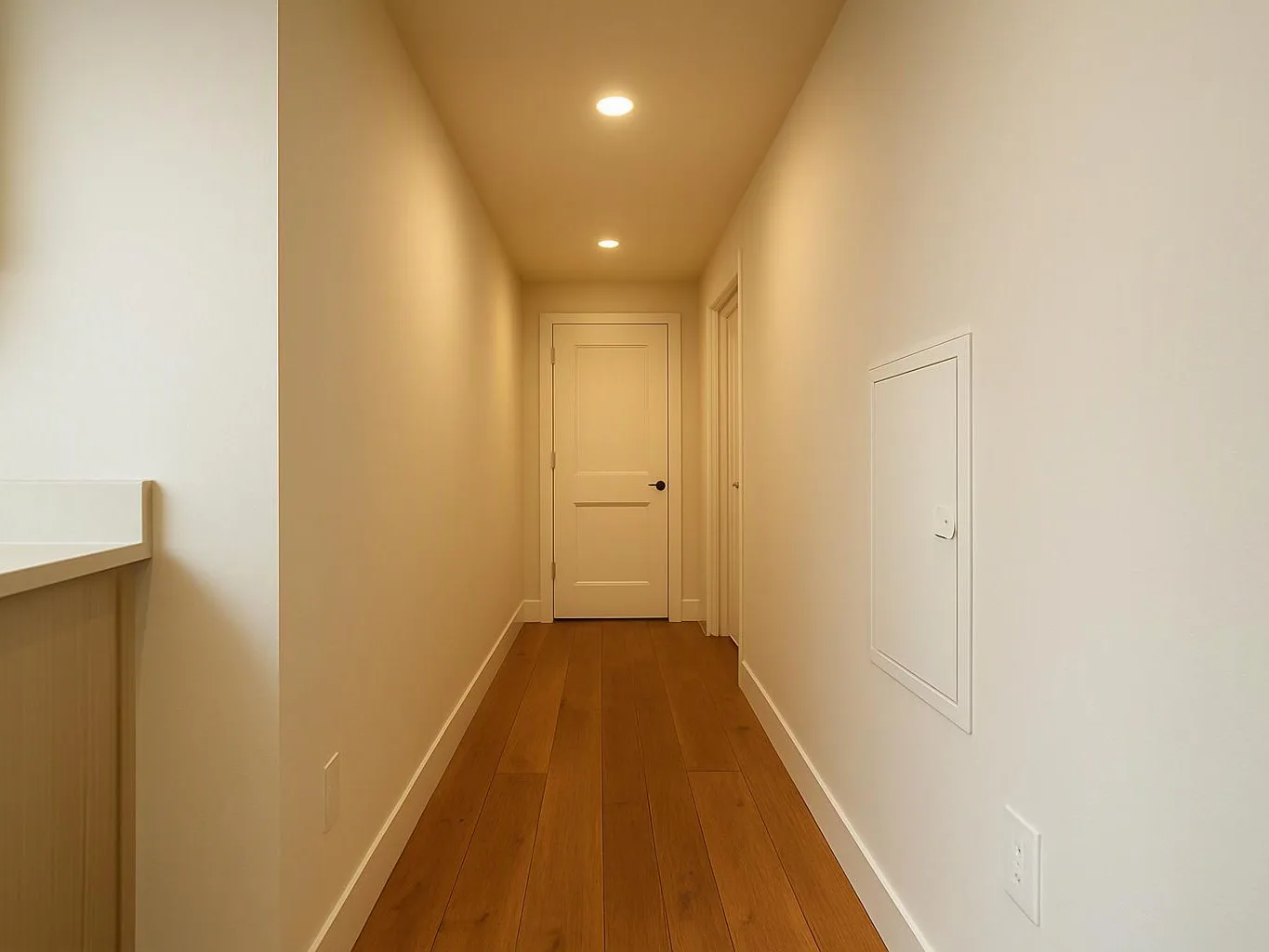
An electrical panel location must allow safe access, suitable working clearance, and protection from damaging moisture exposure.
Blocked access, damp conditions, or inadequate working space can make safe operation and future maintenance difficult. We assess accessibility, clearance, enclosure condition, and the surrounding location before completing the upgrade.
The correction cost changes when the panel must be relocated, protected, or supported by additional wiring work. We explain access-related changes as part of the scope.
Mistake 7: Reusing Incompatible Breakers or Mixing Panel Components
A circuit breaker must be listed and compatible with the panelboard and the required overcurrent protection.
Mixed components can affect breaker operation and may leave arc-fault protection or ground-fault protection improperly applied. We match breakers, bus connections, panel components, and protection requirements before energizing circuits.
The correction cost depends on the components that must be replaced and the circuits that need additional protection. We include compatible equipment in the planned work.
Mistake 8: Treating Code Corrections as Optional Scope
An electrical code correction addresses unsafe or noncompliant conditions that affect the panel, service equipment, or connected circuits.
Skipping a required permit, inspection, or correction can leave known safety issues unresolved. We identify code compliance concerns, coordinate the required permit and inspection process, and include necessary corrections in the work plan.
The correction cost depends on the condition discovered and the scope required by the inspection. We explain those requirements before proceeding.
Mistake 9: Skipping Testing and Circuit Identification After the Upgrade
Electrical testing and accurate circuit labeling confirm that the upgraded panel is connected and identified correctly.
We check polarity, voltage, breaker operation, circuit identification, and visible connections after the work. We also update the circuit directory so future shutoffs and repairs are easier to manage.
The correction cost depends on the testing results and any circuit that needs troubleshooting. We complete the required corrections before considering the panel ready for use.
How We Define the Correct Electrical Panel Upgrade Scope
The correct electrical panel upgrade scope comes from reviewing the existing equipment, connected loads, wiring, grounding, panel location, and required code corrections before work begins.
We can also review our Electrical Panel Upgrade service when the system needs a planned capacity or equipment change.
What Changes the Cost of Correcting an Electrical Panel Upgrade Mistake?
The cost of correcting an electrical panel upgrade mistake depends on the panel condition, service capacity, wiring repairs, grounding work, access, code corrections, and the final scope confirmed during inspection.
Panel replacement may be limited to equipment and reconnection when the surrounding system is suitable. A service upgrade, branch-circuit repair, grounding correction, relocation, or permit and inspection requirement can expand the work.
We review those factors during the electrical panel inspection and explain what the estimate includes. Free Estimates Available for planning the required electrical panel repair or upgrade.
What You Can Safely Check Before Electrical Panel Work
You can gather basic information without opening the panel or touching wiring. These observations help us understand the electrical system before the inspection.
Do not remove the panel cover, test exposed conductors, or reset a breaker that trips repeatedly. We handle those checks as part of electrical testing and repair.
When to Call Center Electric Service for an Electrical Panel Problem
Call Center Electric Service when the panel shows heat damage, exposed conductors, repeated breaker trips, unsafe access conditions, or requires capacity and code decisions.
These conditions can point to loose connections, overloaded circuits, damaged conductors, or protection problems. Our crew evaluates the electrical panel repair or upgrade scope before making the system safe.
How We Confirm the Upgrade Is Ready for Use
The electrical panel upgrade is ready when connections, protection devices, grounding and bonding, circuit identification, panel access, and the completed scope have been checked.
We test breaker operation, polarity, voltage, and grounding continuity as appropriate to the work. Our team also confirms that the panel cover is secure, the circuit directory is clear, and required code correction has been addressed.
Inspection requirements are handled according to the approved scope. We explain any remaining correction before the system is placed into normal use.
How to Request an Electrical Panel Upgrade Review
Center Electric Service reviews the panel condition, electrical scope, safety issues, and required corrections, with Free Estimates Available for planning the work.
Tell us whether you need an electrical panel upgrade, electrical panel repair, or electrical code correction. Share the panel location, visible concerns, recent electrical changes, appliance information, and any breaker behavior you have observed.
We use that information to plan the inspection, explain the service capacity and wiring findings, and prepare an estimate for the confirmed scope. Contact Center Electric Service to request a review.
Questions About Electrical Panel Upgrade Mistakes
Can an electrical panel be upgraded without replacing all the wiring?
Yes, an electrical panel can be upgraded without replacing all the wiring when the existing branch-circuit wiring is suitable, correctly sized, accessible, and compatible with the new protection devices. Center Electric Service inspects the conductors, insulation, connections, and circuit protection before reconnecting each circuit.
Can a new panel fix frequently tripping breakers?
Sometimes, a new panel can fix frequently tripping breakers when the existing panel or protection device is the cause. We test the affected circuit and review the load, wiring, breaker compatibility, and connected equipment before recommending panel replacement.
What should be included in an electrical panel upgrade scope?
An electrical panel upgrade scope should include the load review, service entrance, panel equipment, branch circuits, grounding and bonding, panel location, protection devices, circuit directory, testing, permit, inspection, and required code correction.
Why does an electrical panel upgrade need grounding and bonding checks?
An electrical panel upgrade needs grounding and bonding checks because fault current must have an effective path so protective devices can operate as intended. We inspect the grounding electrode system, grounding conductor, neutral arrangement, bonding jumper, and grounding bus.
What information should I provide when requesting an electrical panel review?
Provide the panel location, visible damage, circuit-label concerns, repeated breaker trips, recent electrical changes, and major appliances connected to the system. Center Electric Service uses those details to plan the inspection and estimate the required work.