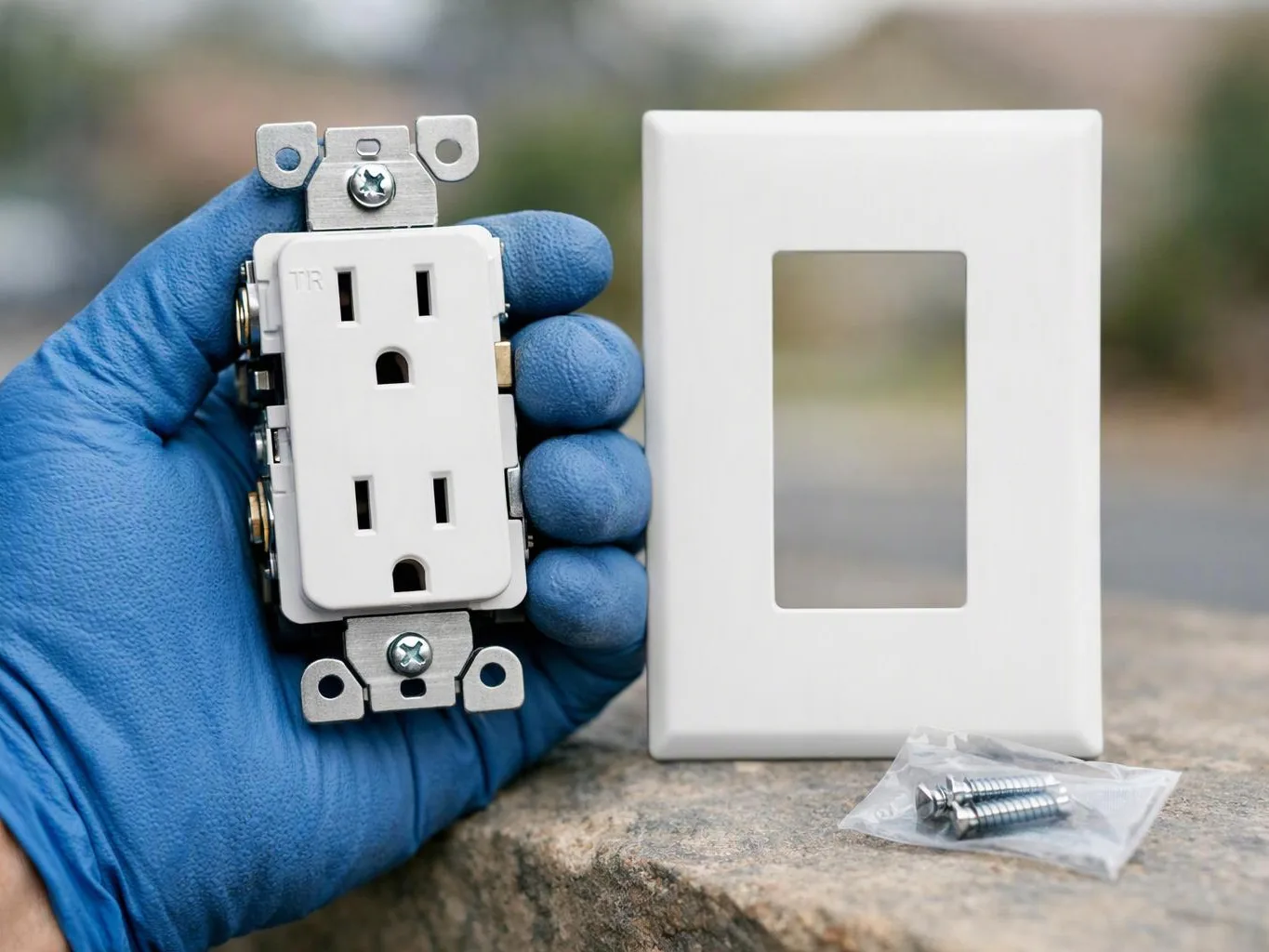
EV Charger Installation Process: Home Assessment to Final Testing
EV charger installation moves from a home electrical assessment through charger selection, permitting, wiring, installation, and final testing; Center Electric Service handles the electrical work and verifies that the completed system operates safely.
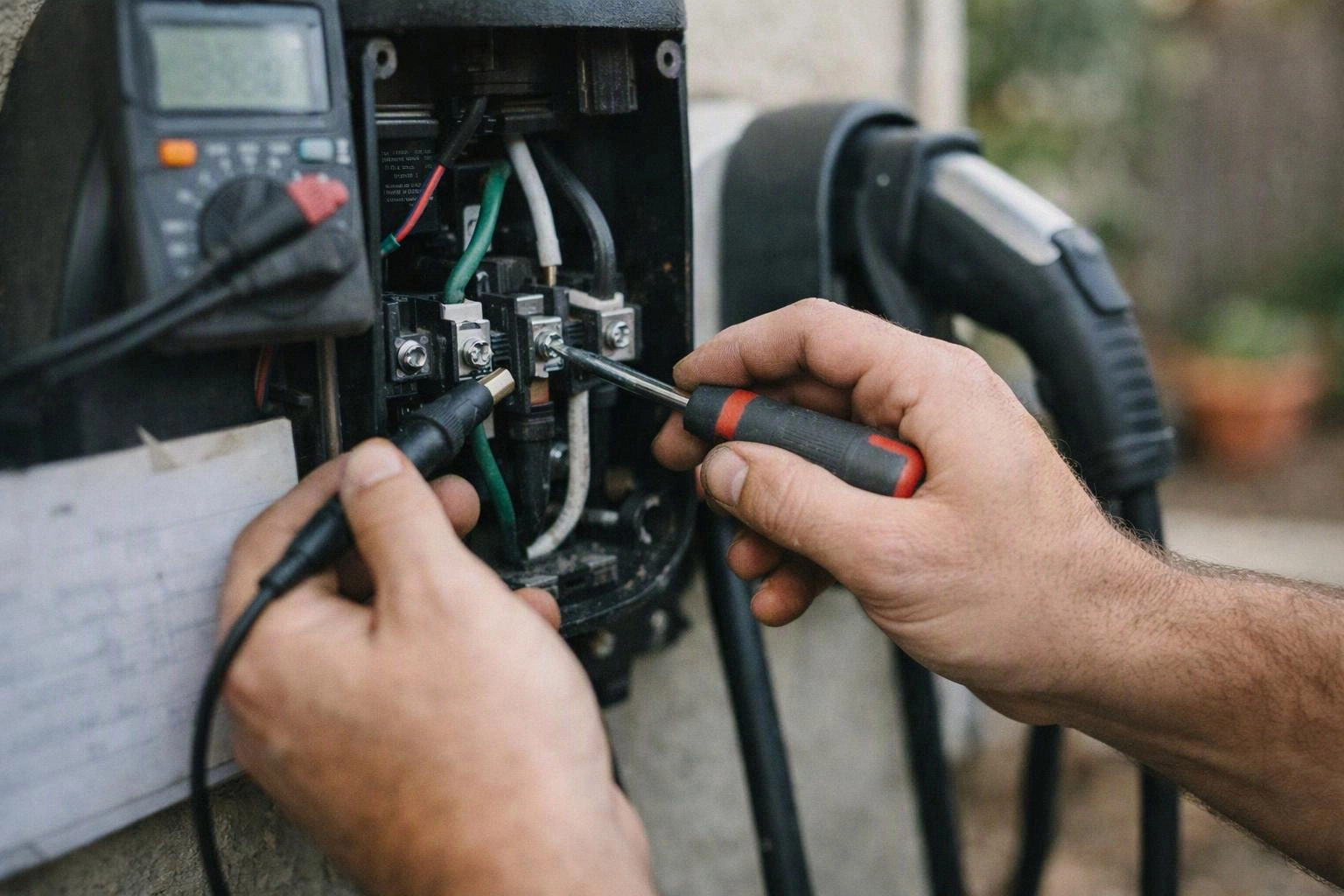
What Happens During an EV Charger Installation?
EV charger installation connects charging equipment to a suitable home electrical circuit after we assess the property, plan the installation, complete the electrical work, and test the system.
An electric vehicle charger draws power through the home electrical system. We review the charging equipment, confirm the circuit design, and connect the system according to the planned scope.
For help with the complete electrical work, see our EV charger installation service.
How We Assess Your Home for an EV Charger
A home assessment determines whether the electrical service, panel, circuit path, and proposed charger location can support the installation.
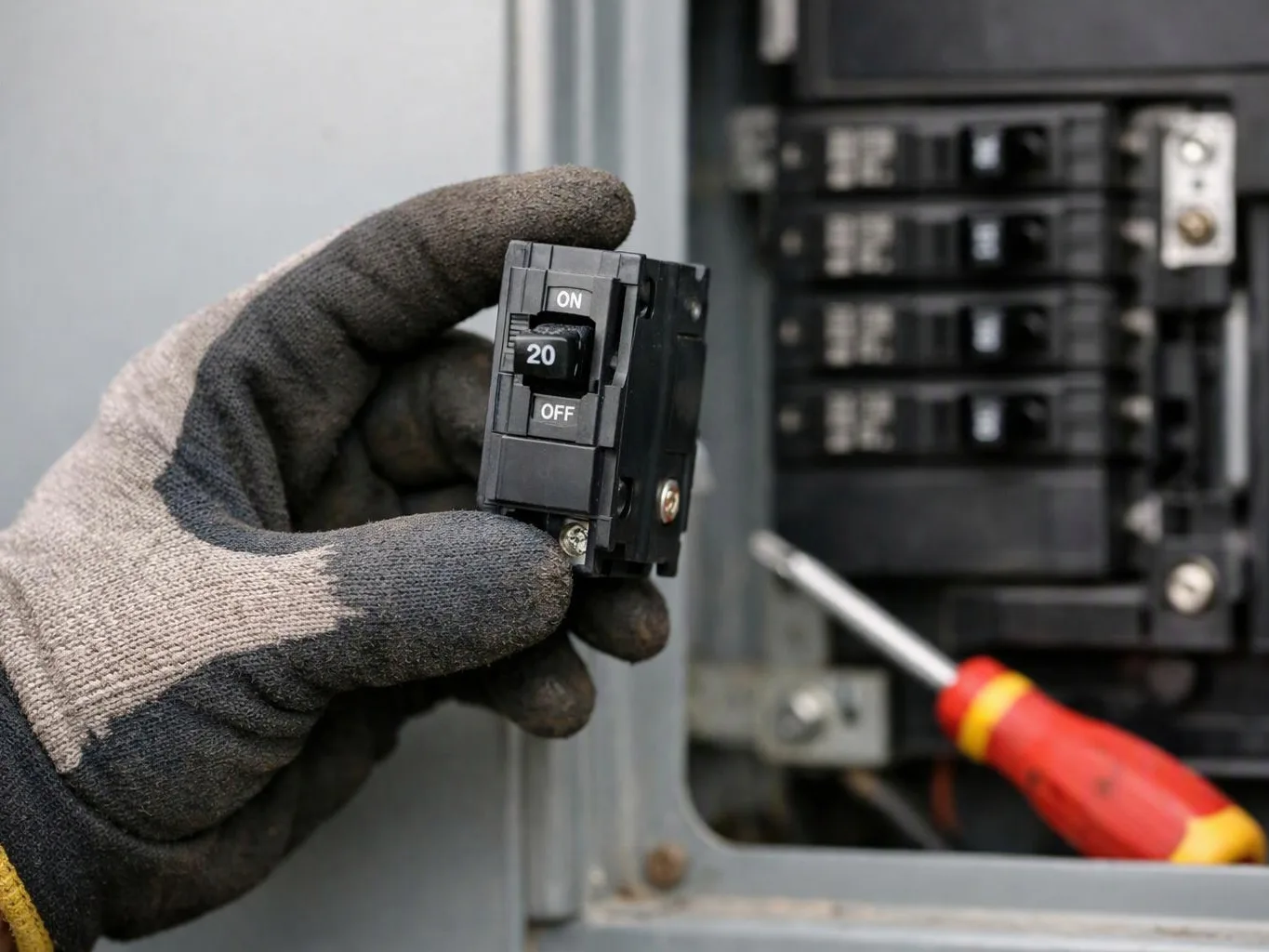
We inspect the electrical panel and review service capacity, available breaker space, and the existing electrical load. We complete a load calculation to determine whether the home can support the planned charger.
We also review the charger location, conduit route, grounding, and access conditions. These details help us plan a safe dedicated circuit and identify work that may be needed before installation.
When Does an Electrical Panel Upgrade Become Necessary?
An electrical panel upgrade becomes necessary when the existing panel or service cannot safely accommodate the charger's electrical demand.
We evaluate the main service, breaker space, electrical load, and service equipment before recommending panel work. An electrical panel upgrade may be part of the plan when the existing equipment lacks capacity or suitable space for the required circuit.
What Should You Prepare Before Installation Begins?
Preparing the charger details and work area helps us confirm the installation scope before electrical work begins. Keep the following information ready for the home assessment.
Clear information about the charger location and property access lets our team review the route without avoidable changes. We can then align the electrical planning with the way you intend to use the charging equipment.
What Does the EV Charger Installation Process Include?
The EV charger installation process includes assessment, electrical planning, permit coordination, circuit work, charger mounting, connections, and system testing.
Our crew keeps the work aligned with the assessment and approved installation scope. If site conditions change, we explain the electrical effect before completing additional work.
How Do We Plan the Electrical Work and Project Quote?
The project quote reflects the equipment connection, wiring route, panel work, access conditions, and other electrical requirements identified during the assessment; Center Electric Service provides Free Estimates Available.
We use the assessment to define the installation scope and explain which parts of the work affect the project quote. The table shows the main planning factors we review.
| Planning factor | What we review |
|---|---|
| Charger location | Distance from the panel, mounting surface, cable access, and indoor or outdoor conditions. |
| Wire routing | The path for conductors and conduit through accessible areas and building surfaces. |
| Panel capacity | Available breaker space, service capacity, and the result of the load calculation. |
| Electrical panel upgrade | Whether existing service equipment can support the charger safely. |
| Permit requirements | Documents, inspections, and approvals connected with the planned electrical work. |
To obtain an exact quote, we assess the home and review the charger specifications, panel capacity, wire routing, and permit requirements. Our quote explains the planned electrical work and any panel changes identified during that assessment.
How Is the Charger Installed and Connected?
A dedicated circuit supplies the EV charger through the planned protective equipment and wiring system.
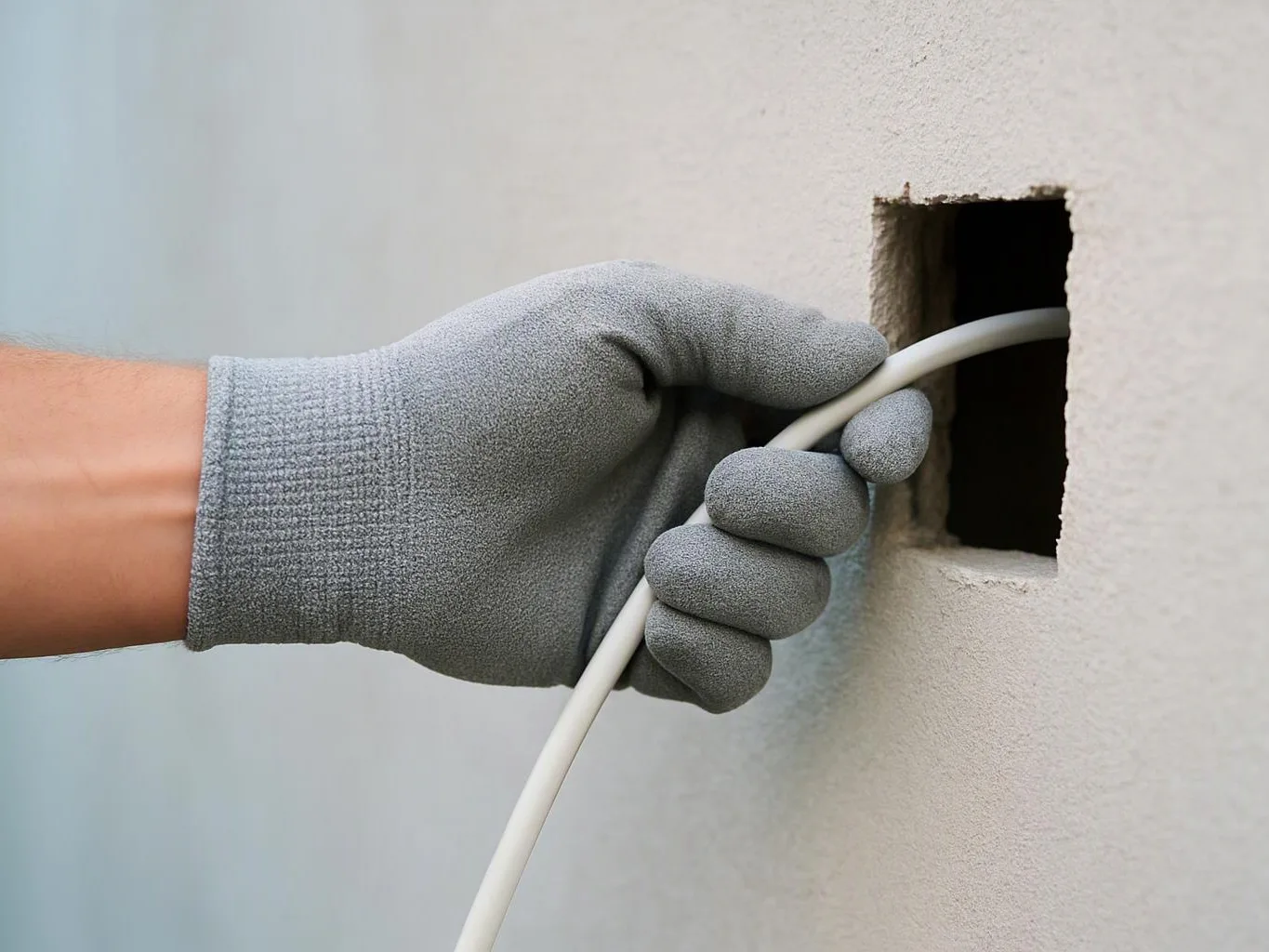
We install the circuit breaker, route the conductors through conduit where required, and provide the planned disconnecting means. We then complete the electrical connections at the panel and charger.
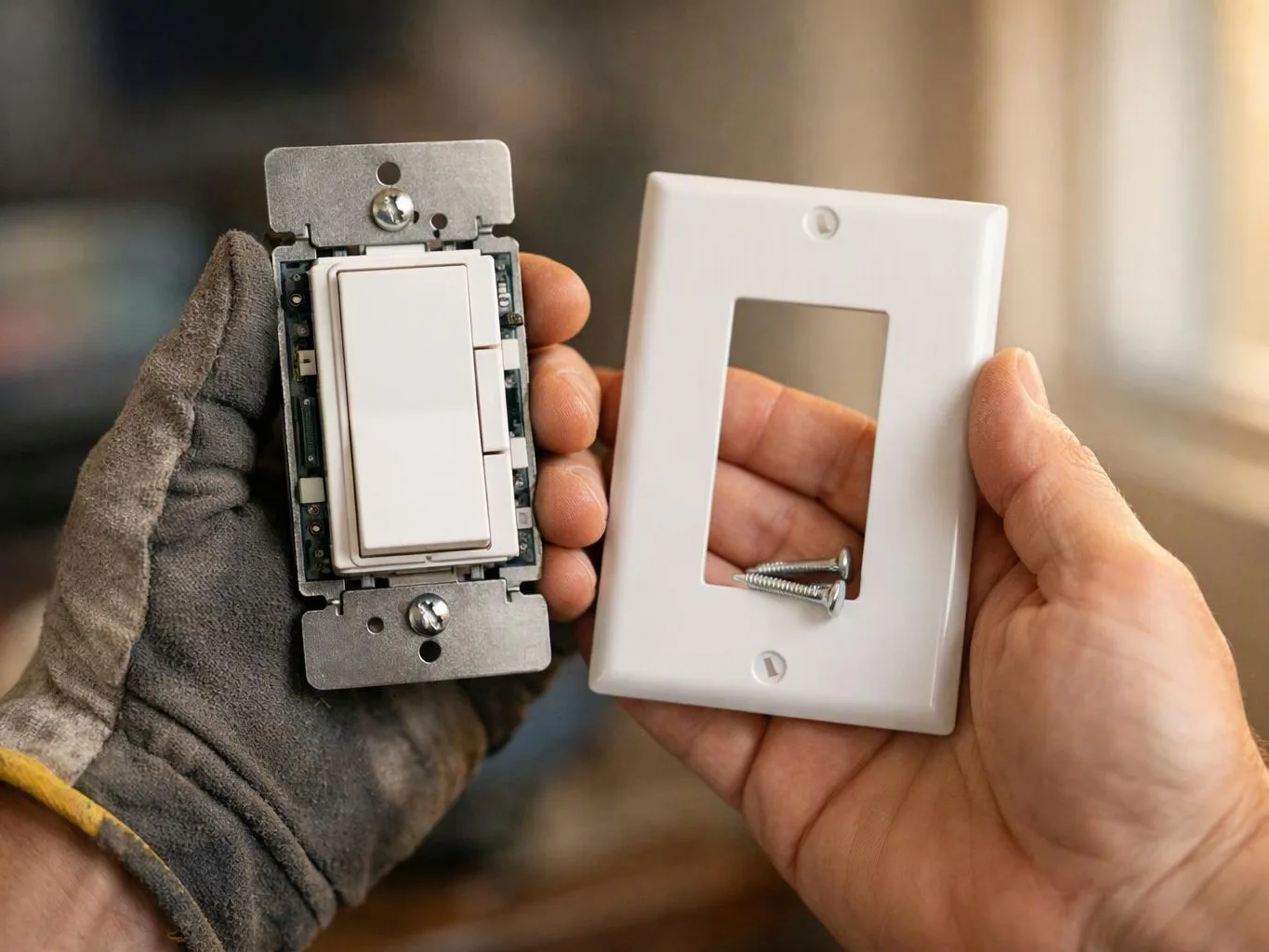
Our team secures the EV charger at the selected location and checks the grounding and bonding connections. The completed installation follows the design established during the assessment.
What Happens During Final Testing?
Final testing confirms that the charger receives the intended power, the electrical connections are secure, and the equipment responds correctly when connected.
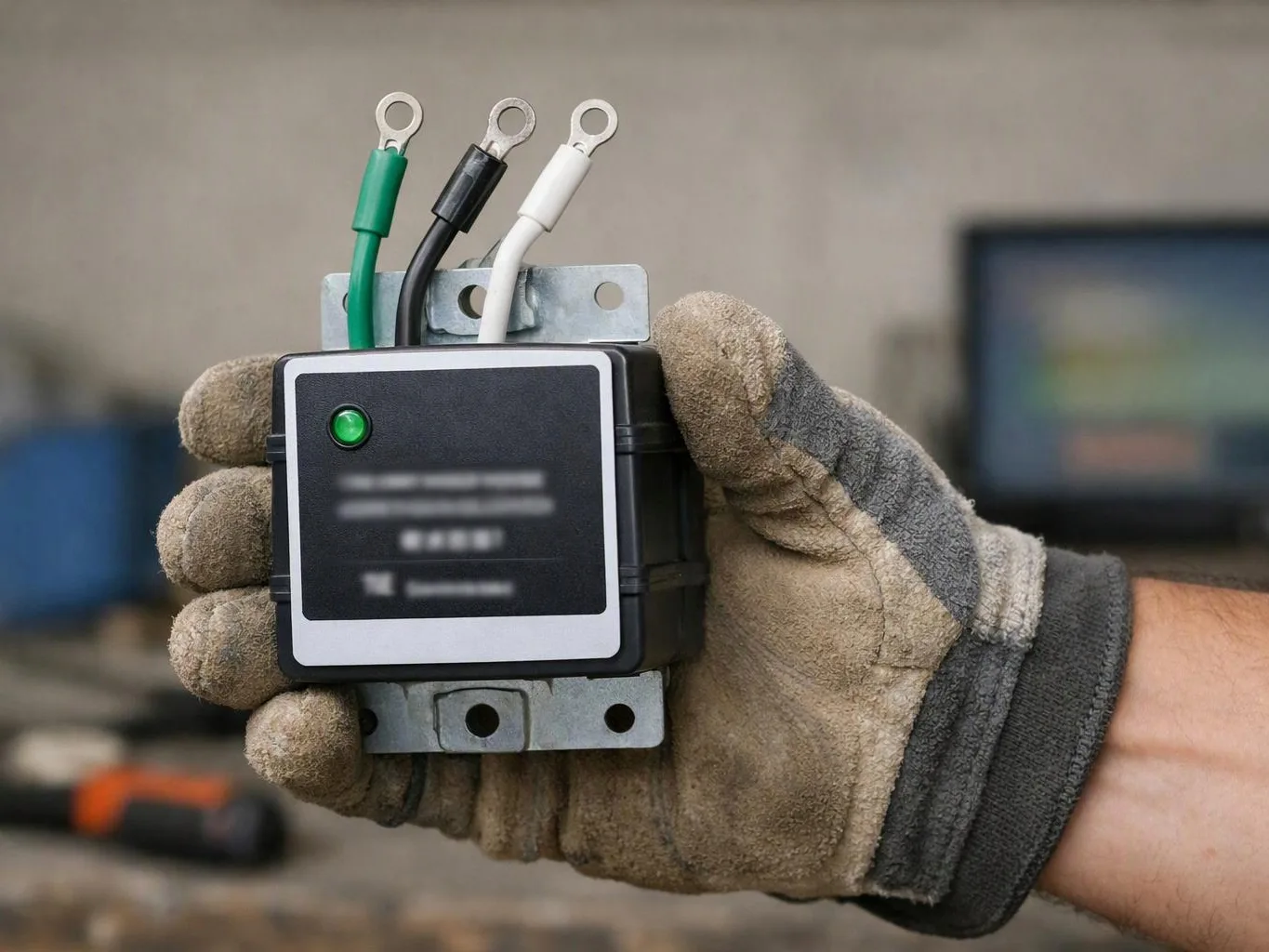
We perform voltage verification and grounding verification at the installed equipment. We also check charger operation, review error indicators, and test the vehicle connection.
Testing gives us a final opportunity to identify connection issues before the system is placed into regular use. We explain the charger operation and any relevant controls after the electrical checks are complete.
What Can Change the Installation Plan?
The charger model, panel capacity, wire distance, wall construction, installation setting, and permit requirements can change the installation plan.
A charger model may require different circuit equipment or connection details. We review those specifications before selecting the electrical materials.
Limited panel capacity may lead to a service upgrade or electrical panel upgrade evaluation. We use the load calculation and service equipment review to determine the appropriate path.
Longer wire distances and difficult wall construction can change wire routing and conduit needs. Indoor installation and outdoor installation also require different attention to mounting surfaces, weather exposure, and access.
Permit requirements can affect the documents and inspection steps connected with the work. We include those requirements in the installation plan when they apply.
When Should You Contact Center Electric Service?
Contact Center Electric Service when you need the home electrical system assessed, an EV charger circuit planned, or an electrical panel upgrade evaluated before installation.
We can review your charger specifications, proposed charger location, panel capacity, and wiring path. An assessment helps identify electrical requirements before the charger is mounted and connected.
Use our contact page to request an installation assessment and project quote.
Center Electric Service is ready to help you plan the electrical work and move from home assessment to final testing.
Questions About EV Charger Installation
Can an EV charger be installed without upgrading the electrical panel?
Yes, an EV charger can be installed without an electrical panel upgrade when the existing panel and service have enough capacity and suitable breaker space. Center Electric Service confirms that condition through a panel review and load calculation.
Does an EV charger need its own circuit?
Yes, an EV charger generally needs a dedicated circuit designed for its electrical demand. We plan the circuit breaker, conductors, conduit, grounding, and connections as part of the installation.
Can an EV charger be installed outdoors?
Yes, an EV charger can be installed outdoors when the charger, mounting location, wiring route, and protective equipment suit outdoor conditions. We review weather exposure, wall construction, conduit routing, and access during the home assessment.
What should I have ready before the home assessment?
Have the charger specifications, preferred parking location, electrical panel access, proposed installation path, and property access details ready. These details help us assess the equipment connection and plan the electrical work.
How do I get an exact quote for EV charger installation?
An exact quote comes from a home assessment that reviews the charger model, charger location, panel capacity, wire routing, access conditions, and permit requirements. Contact Center Electric Service so we can evaluate the installation scope and prepare the project quote.
Related Resources
Signs You Need an Electrical Panel Upgrade
Compared ToElectrical Panel Upgrade vs. Panel Replacement: Which Option Fits Your Property?
Compared ToLevel 1 vs. Level 2 EV Charger Installation: Which Charging Option Is Right?
How to HireHow to Choose an Electrician for Home Electrical Work