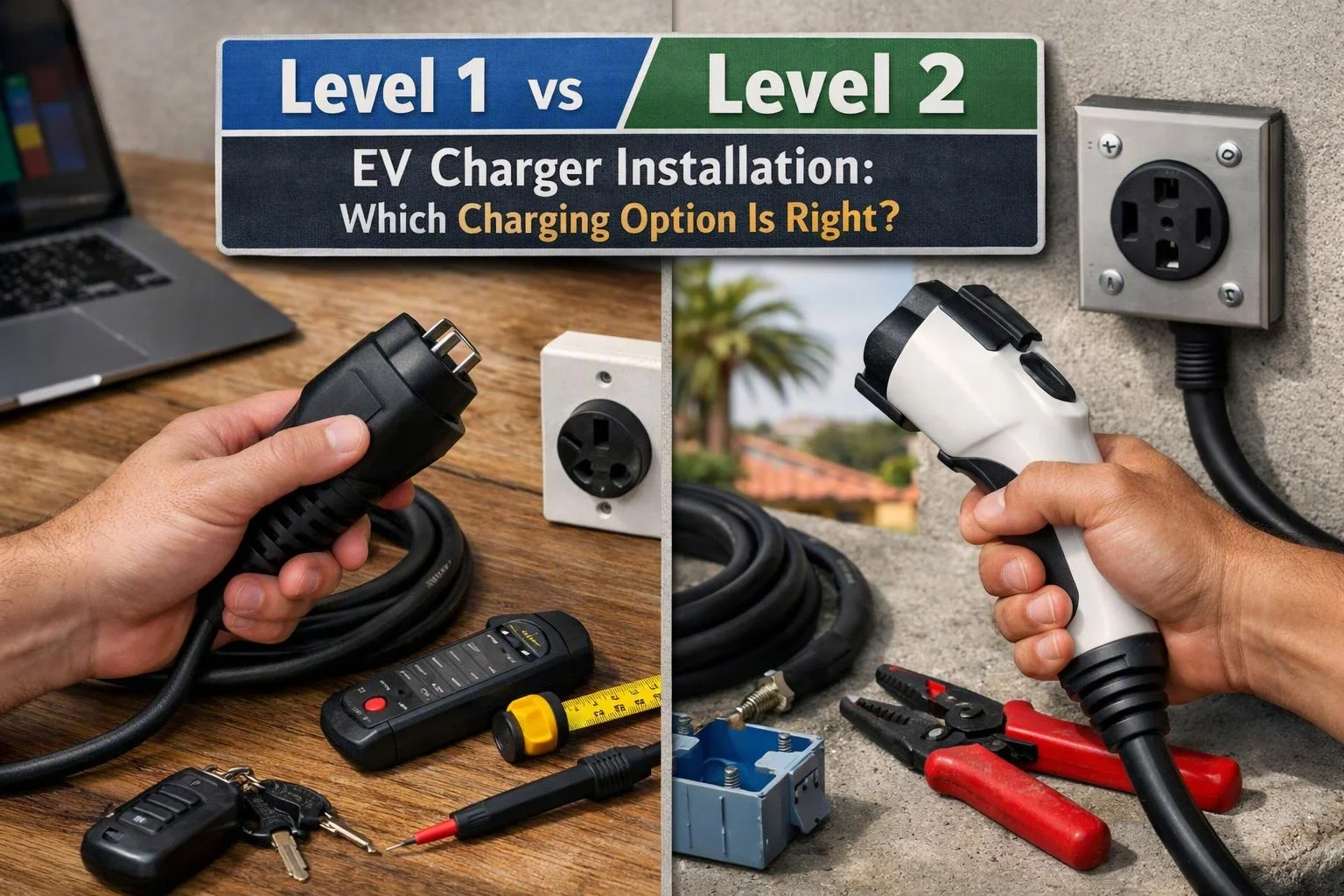
Level 1 vs. Level 2 EV Charger Installation: Which Charging Option Is Right?
EV charger installation compares Level 1 and Level 2 charging options by charging speed, driving routine, parking time, and home electrical capacity. Center Electric Service checks the installation conditions, electrical panel, and charger location to help you choose a suitable home charging setup.
Level 1 vs. Level 2 EV Charging at a Glance
Level 1 charging suits light driving and existing household receptacles, while Level 2 charging suits drivers who need faster, dedicated home charging. The right choice depends on how often you drive and what your home electrical system can support.
- Level 1 charger: Best for light driving, long parking periods, and plug-in charging from an existing household receptacle.
- Level 2 charger: Best for daily driving, faster battery recharge, and dedicated home EV charging.
| Factor | Level 1 Charging | Level 2 Charging |
|---|---|---|
| Charging speed | Lower-power charging | Faster charging through higher-power equipment |
| Electrical installation | Uses a suitable household receptacle | Uses a dedicated circuit and may require electrical work |
| Cost factors | Usually involves less installation work | Can involve circuit routing, equipment, and panel capacity work |
| Maintenance | Check the portable cable, connector, and receptacle | Check the wall-mounted charger, connector, cable, and electrical connections |
| Best for | Light driving and overnight charging | Frequent driving and faster recharge needs |
What Is Level 1 EV Charging?
Level 1 charging is a home charging method that uses a standard household receptacle and provides a lower-power charging option for an EV. A Level 1 EV charger commonly uses a portable charging cable that connects the electric vehicle to the receptacle.
Level 1 charging works best when the vehicle remains parked for long periods. We review the receptacle condition and charging schedule before recommending this option for home EV charging.
What Are the Advantages of Level 1 Charging?
Level 1 charging offers a simple option when the existing electrical setup is suitable and the vehicle does not need rapid recharging. The charging routine should match the vehicle’s use and the available parking time.
Best for: Level 1 is usually the better fit for light, predictable driving with long parking periods.
What Is Level 2 EV Charging?
Level 2 charging is a higher-power EV charging method that uses dedicated electrical equipment and circuit capacity for faster home charging. A Level 2 EV charger may be a hardwired charger or a plug-in unit connected to a suitable dedicated circuit.
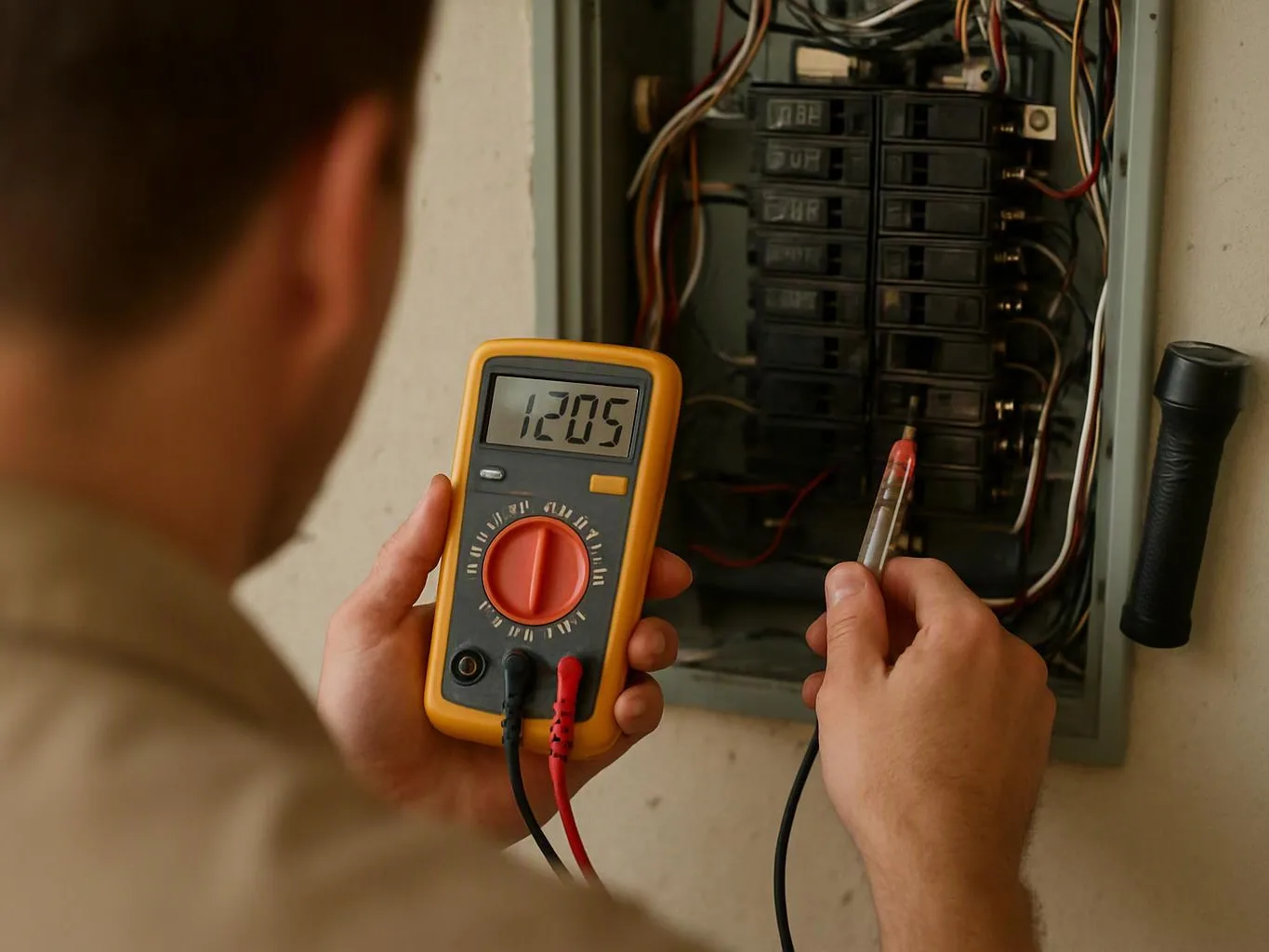
Many Level 2 installations use a 240-volt circuit connected through the electrical panel. We inspect the panel, available capacity, circuit breaker arrangement, and proposed charger location before completing the installation.
What Are the Advantages of Level 2 Charging?
Level 2 charging supports drivers who need more charging control and faster battery recharge at home. The installation must match the charger requirements and the home electrical system.
Best for: Level 2 is usually the better fit for frequent driving, shorter parking periods, or faster recharge needs.
Which EV Charger Is Better for Your Driving Routine?
Level 1 is usually the better fit for light, predictable driving with long parking periods, while Level 2 is the better fit for frequent driving or faster recharge needs. Daily mileage, charging frequency, parking location, and the vehicle battery all shape the decision.
Your departure schedule matters because a vehicle that leaves soon after parking may benefit from faster charging. We compare that schedule with the home electrical system, available panel capacity, and practical charger placement.
Our team can review EV charger installation needs when you want to connect the charging routine to the actual electrical conditions at home.
When Does EV Charger Installation Require an Electrical Panel Upgrade?
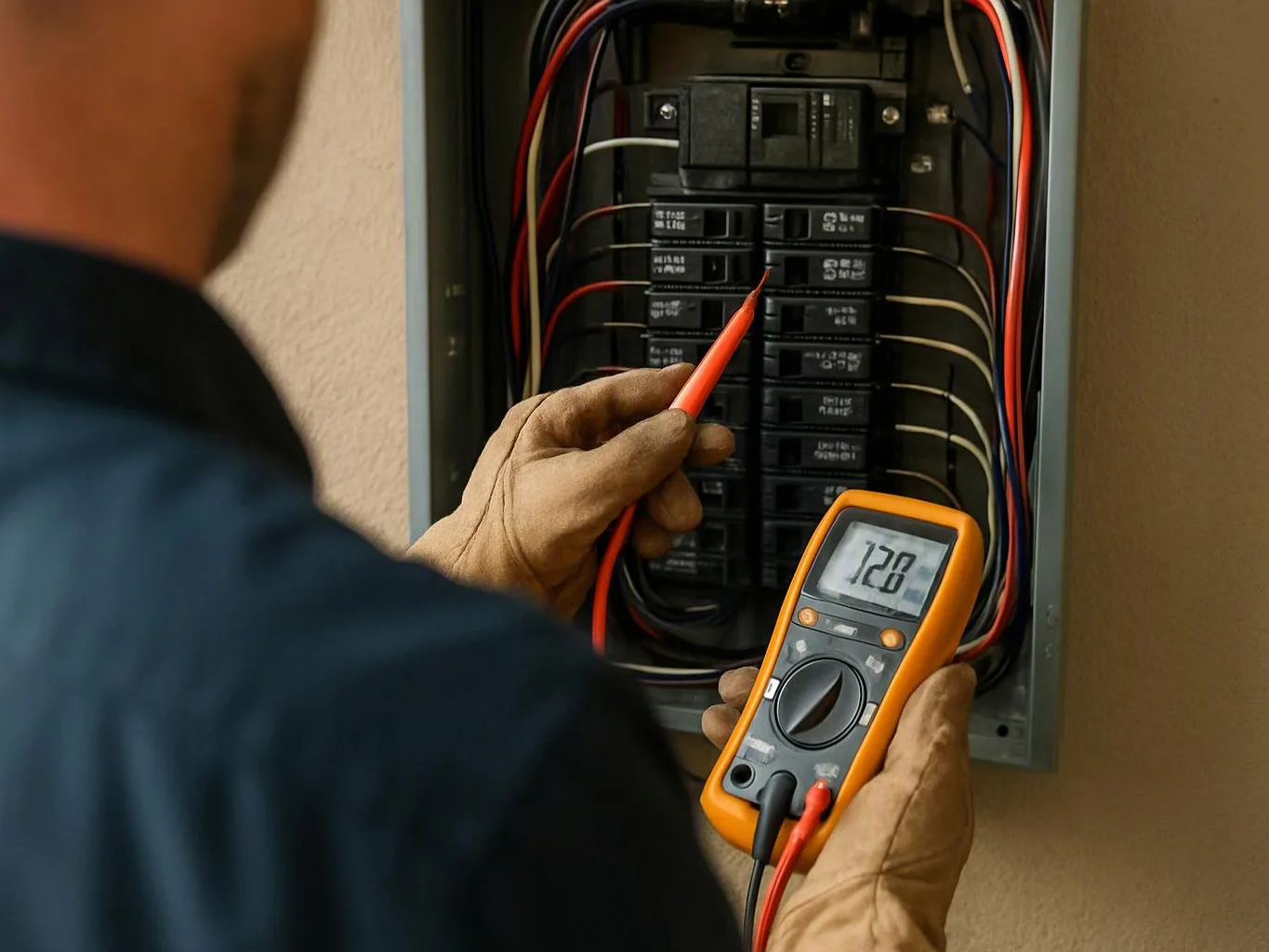
An electrical panel upgrade may be needed when the existing electrical system cannot safely support the selected Level 2 charger and the home's other electrical loads. We use a load calculation to compare the proposed charger with the service capacity and existing circuits.
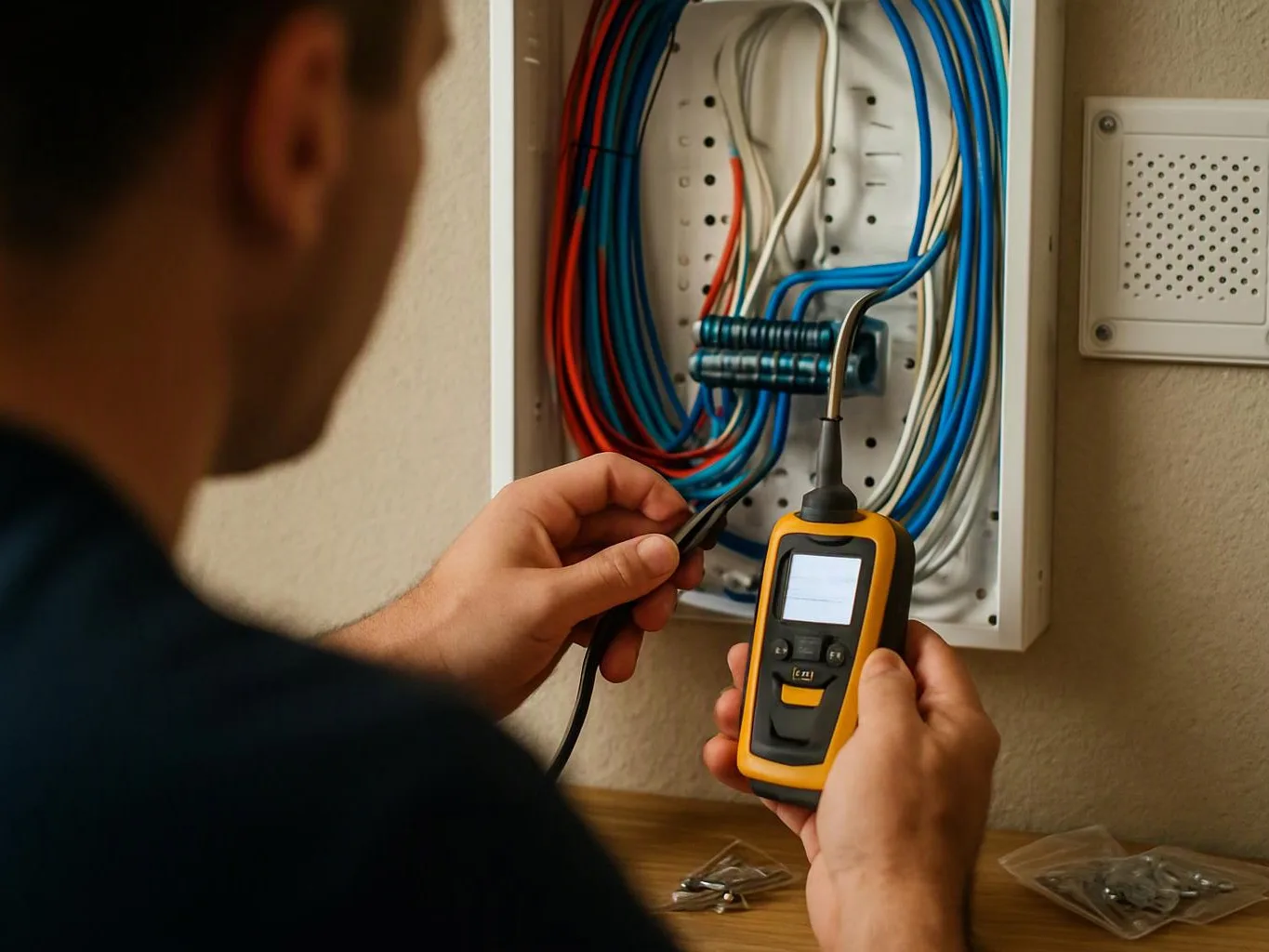
The circuit breaker, panel condition, available spaces, and total electrical load all affect the installation plan. If the panel has enough capacity, we may be able to add the dedicated circuit without an electrical panel upgrade.
Our team explains whether the work involves circuit routing, a new breaker, panel changes, or a broader service-capacity solution.
How We Plan an EV Charger Installation
EV charger installation starts with matching the charger location and electrical load to the home's existing system. We plan the work in clear steps so the equipment connection and final testing support reliable charging.
What Our Estimate Covers
Center Electric Service explains the installation scope and upfront pricing, with Free Estimates Available for the planned EV charger work. We identify the charger connection, circuit routing, panel work, and testing included in the planned installation.
The work may also include an Electrical panel upgrade when the load calculation shows that the existing system lacks suitable capacity. Requesting an estimate gives you a clearer view of the electrical work required for your selected charger.
How Much Maintenance Does Each EV Charger Need?
Level 1 and Level 2 chargers generally need visual checks of the cable, connector, receptacle, and visible electrical equipment, while installation condition affects ongoing reliability. We look for damage, looseness, heat marks, and other visible concerns during service work.
A Level 1 setup requires attention to the portable charging cable and household receptacle. A wall-mounted Level 2 charger also needs inspection of its charging connector, enclosure, and visible electrical connections.
Stop using equipment that shows damage or unusual heat and contact Center Electric Service for an electrical inspection.
How Can You Choose the Right EV Charger Installation?
Choose an EV charger installation by matching the vehicle, daily driving needs, parking arrangement, and home electrical system. These checks help connect the charging equipment to how you will use it.
Can You Install a Level 2 EV Charger Without Upgrading the Panel?
Yes, a Level 2 EV charger can be installed without upgrading the electrical panel when the panel has enough available capacity for the dedicated circuit and the home's other electrical loads. We confirm that condition with a load calculation before selecting the installation approach.
Panel space alone does not prove that the service can support the charger. Our team reviews the electrical panel, circuit breaker, service capacity, and charger requirements before deciding whether a panel upgrade is needed.
Questions About Level 1 and Level 2 EV Chargers
Can I use a Level 1 charger with any electric vehicle?
Center Electric Service can confirm whether your electric vehicle accepts the selected Level 1 charging cable and connector. Vehicle charging capability and the condition of the household receptacle both matter.
Is a Level 2 charger compatible with every EV?
Level 2 charger compatibility depends on the vehicle charging capability, connector, and equipment requirements. We review those details before planning the home installation.
Can a Level 2 EV charger be plugged into an existing receptacle?
Yes, a Level 2 EV charger may use an existing receptacle when that receptacle, circuit, breaker, wiring, and panel capacity match the charger requirements. We inspect those conditions before approving a plug-in connection.
What electrical panel details matter before installing a Level 2 charger?
Panel capacity, available breaker space, service capacity, existing electrical load, and the proposed dedicated circuit all matter. We use a load calculation to determine whether the panel can support the charger safely.
Where should an EV charger be located at home?
An EV charger should be located where the vehicle can connect safely without putting strain on the charging cable or connector. We consider the parking position, charger placement, circuit route, equipment protection, and access to the electrical panel.
Contact Center Electric Service to review your vehicle, charging routine, charger location, and home electrical system. We can explain the installation scope and the electrical work needed for the selected charging option.