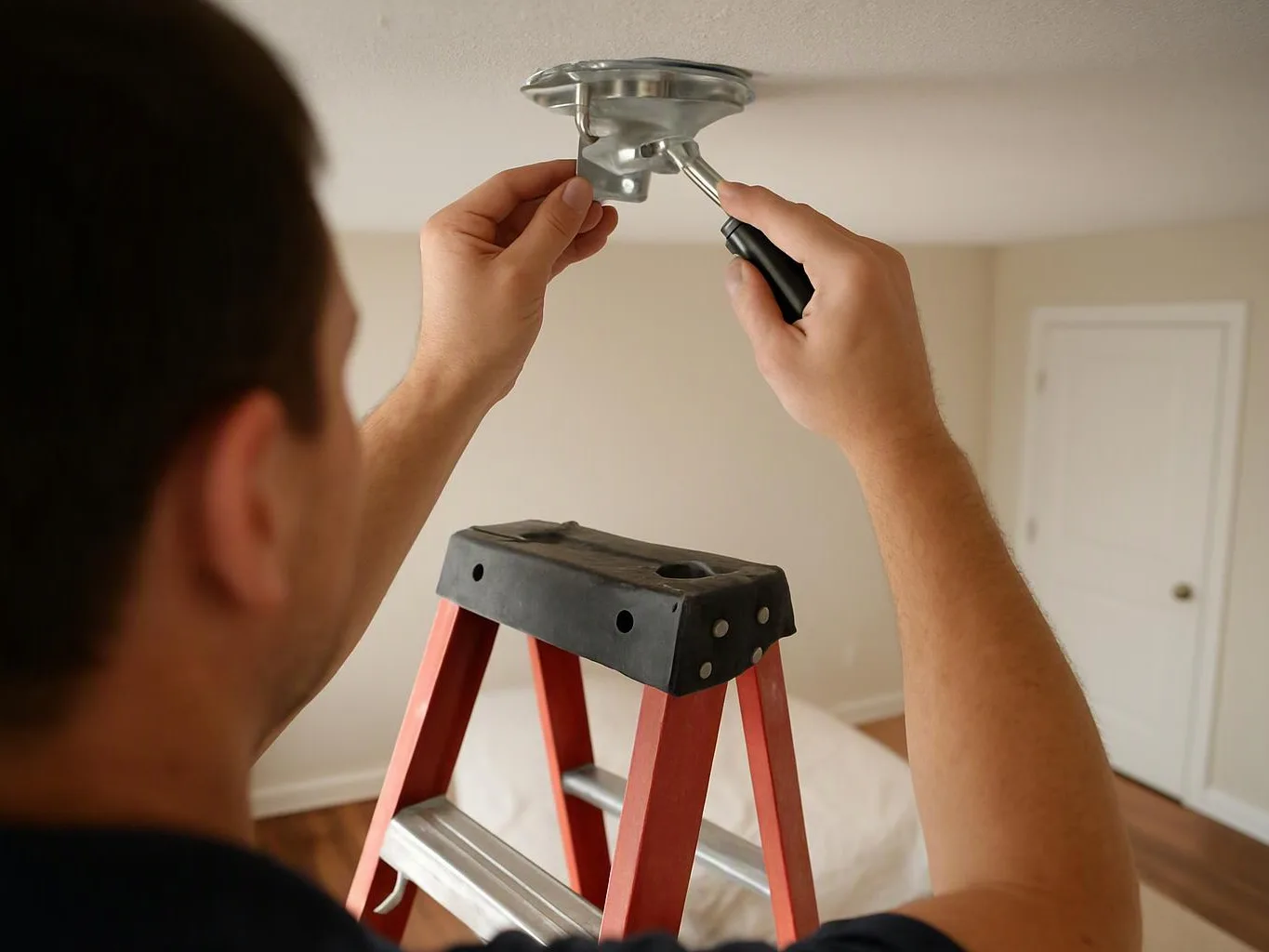
Review the vehicle and charger location
We discuss the vehicle, charging equipment, parking position, and preferred cable route. This sets the scope for the electrical plan.
We install home and commercial charging equipment with careful electrical checks. Free estimates are available for planned charging projects.
A planned circuit gives your vehicle charger a dedicated electrical path.
Load checks help match charging demand to the property’s available capacity.
Testing and verification help confirm that the charger connection works as planned.
A clear equipment location can reduce cord reach problems and access conflicts.
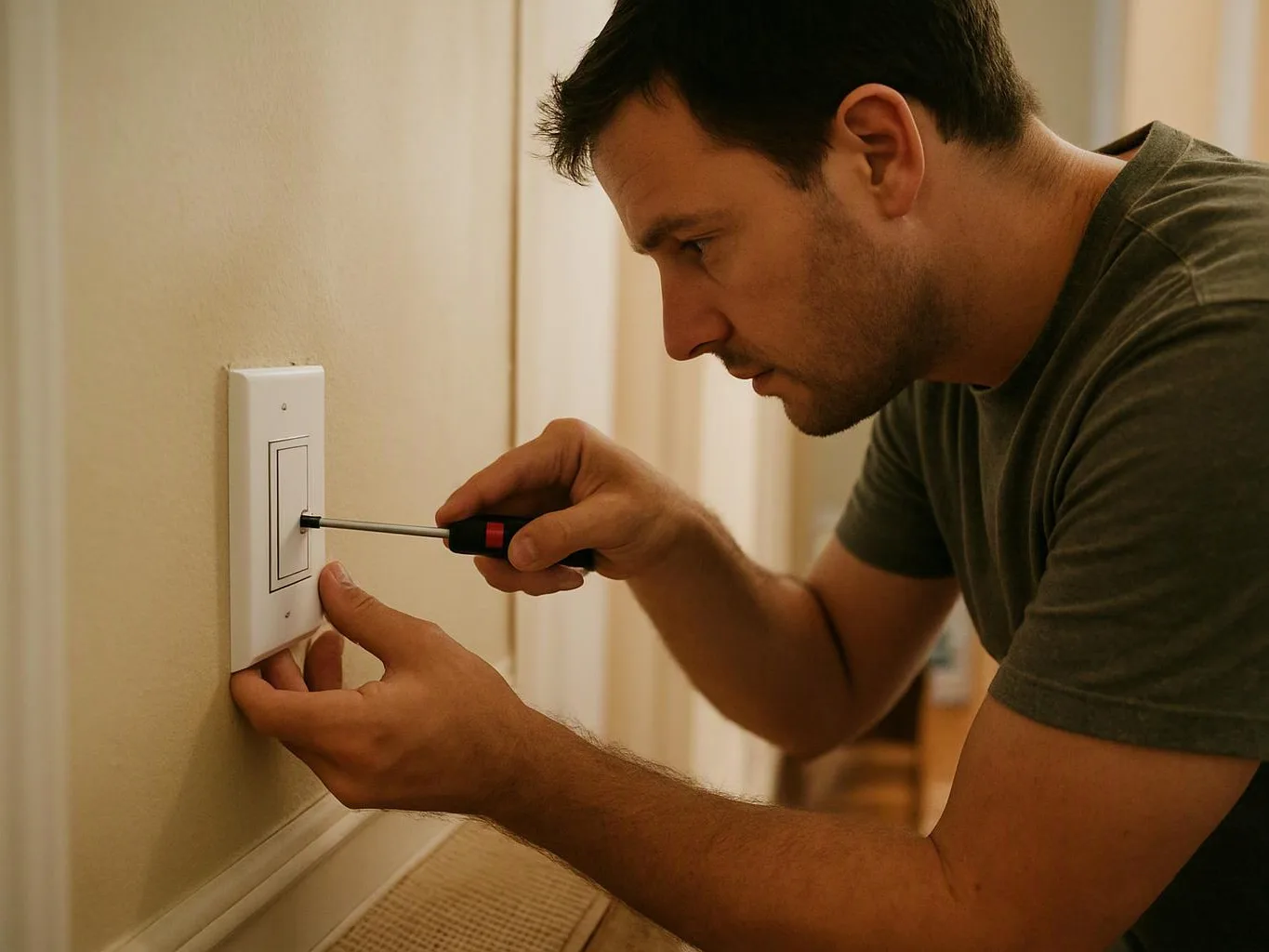
EV charger installation starts with the vehicle charging location and the electrical panel. We review the panel, available capacity, circuit path, wiring access, and the equipment connection. The work can include a dedicated circuit, breaker, conduit, wiring, and charging equipment setup. A charger should match the electrical system, not just the vehicle. We use a load calculation to assess the planned demand and check whether a subpanel or panel upgrade belongs in the plan. That decision helps prevent repeated breaker trips and poor charging performance. We also consider where the charger will sit. The route may pass through a garage, exterior wall, or other finished area. We explain access needs and the work that the estimate covers. Free estimates are available, and our estimate process considers the panel, circuit path, equipment location, and required materials.
EV charger installation is electrical work that connects vehicle charging equipment to a planned circuit and protective device.
A few details help us plan the charger location and electrical work more accurately.
We discuss the vehicle, charging equipment, parking position, and preferred cable route. This sets the scope for the electrical plan.
We inspect the panel and complete a load calculation. We look for available capacity, breaker space, grounding concerns, and wiring limits.
We choose the circuit path, wiring method, protective device, and equipment position. We also identify access work that the installation requires.
We explain the planned work, materials, access needs, and cost drivers in a free estimate before installation begins.
We install the planned wiring, breaker, connections, and charging equipment according to the approved scope.
We check the circuit, connections, protective devices, and charger operation. We explain the finished setup and any care steps.
We assess panel capacity, circuit access, grounding, and charger placement before recommending EV charging installation work.
We trace the planned charging circuit and test related connections when breaker trips or charging interruptions point to an underlying fault.
We install charging circuits, protective devices, wiring, and equipment connections according to applicable electrical code requirements.
Get a clear scope for your home, business, or commercial charging project. Center Electric Service will review the panel, charger location, wiring path, and planned result.
An EV charger can expose capacity limits in an older Riverside, California home before installation begins. We inspect the main panel, service capacity, wiring route, and intended charging location before selecting installation work. If the panel or circuit cannot support the planned equipment, we explain the required upgrade or adjustment. Property owners should avoid using improvised extensions and arrange an electrical assessment before purchasing equipment.
Repeated breaker trips during vehicle charging point to a condition that needs diagnosis before continued use. We identify whether the cause involves the charger circuit, panel capacity, wiring, connection points, or equipment compatibility. Our process includes isolating the affected circuit and checking accessible components for heat or damage. Riverside drivers should stop charging if burning odors, visible damage, or unusual heat appears.
Apartment and commercial charger planning requires attention to access, load sharing, cable routing, and local compliance. We assess the proposed parking area, electrical source, equipment location, and property constraints before outlining practical installation work. Riverside property owners can use that information to coordinate with building management, protect shared electrical infrastructure, and choose a setup that fits daily vehicle use.