Skip to content

EV Charger Installation in Mead Valley, California

We install EV charging equipment for homes, businesses, and commercial properties in Mead Valley. Our work matches the charger to the electrical system and the property’s charging needs.

Quick Summary: Home EV Charger Setup in Mead Valley, California

EV charger installation in Mead Valley is provided by Center Electric Service for homes, businesses, and commercial properties. The service covers charger wiring, panel checks, circuit work, and related electrical upgrades across Riverside County.

  • What we do: Center Electric Service installs EV charging equipment and the electrical circuits needed for homes, businesses, and commercial properties in Mead Valley, California.
  • What is included: circuit planning, conduit wiring, load calculation, panel review, grounding checks, testing, and electrical code compliance review.
  • What you get: The finished work provides a connected EV charger with an electrical supply suited to the property and charger requirements.

Why does my EV charger keep stopping during a charge?

A charger may stop because of circuit overload, loose wiring, grounding faults, or equipment settings. We trace the circuit, check the panel, test the connection, and identify whether the charger circuit or another electrical part needs repair.
EV Charger Installation for Mead Valley Properties

EV charger installation focuses on the electrical path between the service equipment and the charging unit. The job may include a dedicated circuit, conduit wiring, a breaker, grounding, and a disconnect where the design calls for one.

The main buyer decision is whether the existing service can support the charger without creating an unsafe load. We review the panel, service capacity, cable route, and charger location before we set the work scope.

A short cable route may need less work than a long route through finished areas or detached structures. We explain the needed electrical work and any related panel or wiring changes in the estimate.

  • Confirm the charger location and the path for the electrical wiring.
  • Review the panel, available breaker space, and service capacity.
  • Complete a load calculation for the proposed charging load.
  • Check grounding, conduit routing, and connection points.
  • Test the charger circuit after installation.
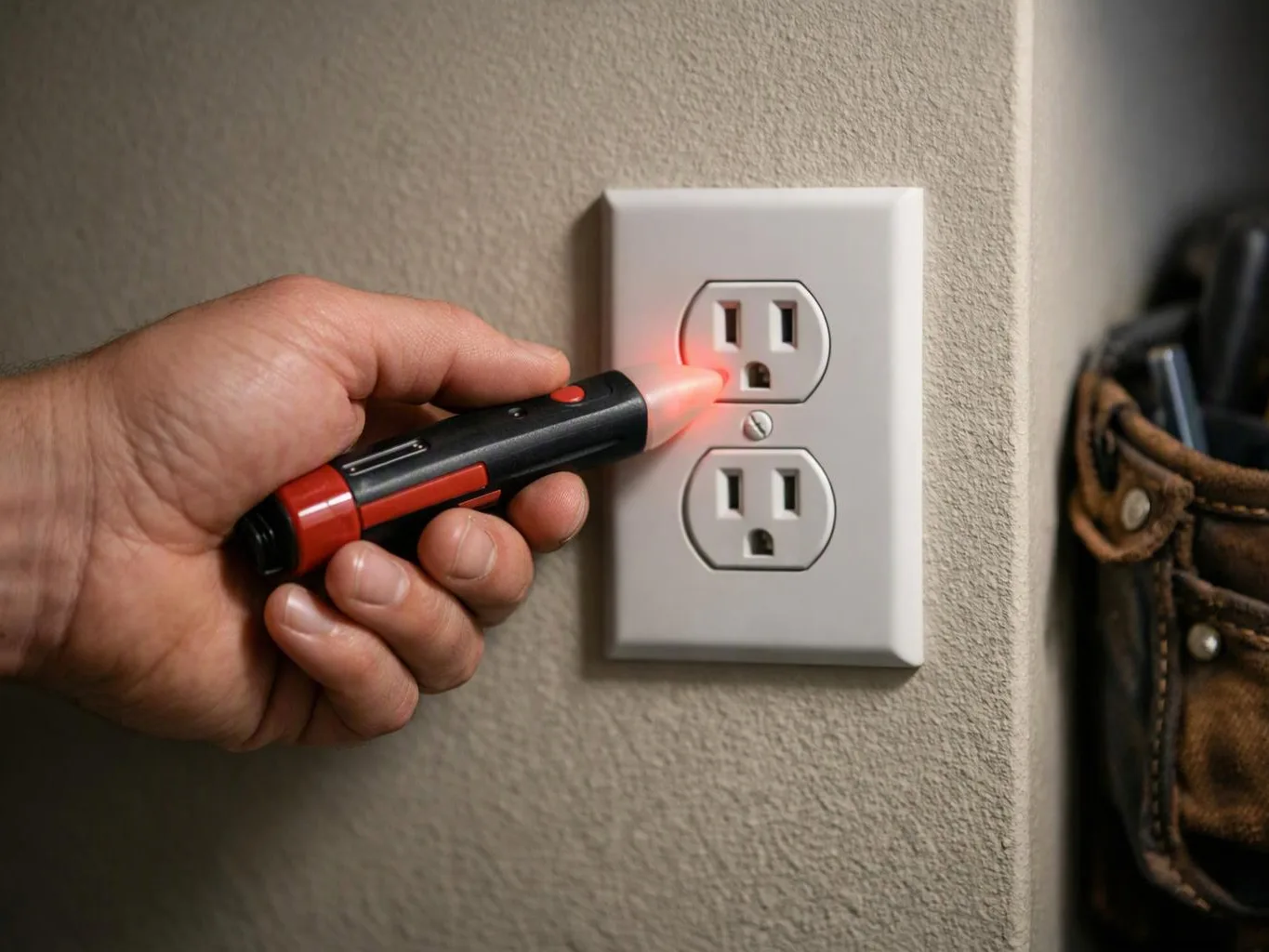
A hand points a glowing tester at a wall outlet beside a textured beige wall

Service Overview

EV charger installation is electrical work that connects charging equipment to a property’s power system.

  • It differs from installing a standard outlet because charging loads require circuit planning, load calculation, grounding, and testing.
  • We provide this service for homes, businesses, and commercial properties in Mead Valley.

What Our EV Charging Work Includes

Center Electric Service provides comprehensive EV charger installation in Mead Valley. Here's what you get:

  • We inspect the electrical panel and review the proposed charger load.
  • We plan the circuit, breaker, wiring, and conduit route for the charger.
  • We install the charger connection and related electrical equipment.
  • We check grounding and verify that the circuit is properly connected.
  • We test the installation and explain the completed electrical work.

What a Proper Charger Setup Changes

A planned circuit gives the charger a suitable electrical supply for regular use.

Load calculation helps identify service limits before new equipment is connected.

Conduit protects wiring along exposed routes and helps keep the installation orderly.

Testing helps identify connection faults before you rely on the charger.

A clear estimate helps you understand which panel or wiring work belongs in the project.

Process

How We Complete EV Charger Installation

1

Review the charger and property

We identify the charger requirements, proposed mounting point, panel location, and expected charging use.

2

Calculate the added electrical load

We review the existing loads and service capacity before choosing the circuit and breaker arrangement.

3

Plan the wiring route

The wiring route determines conduit needs, access work, connection points, and any work around finished surfaces.

4

Install the circuit and charger

We install the planned wiring, circuit protection, grounding connections, and charger equipment.

5

Test the completed connection

We test the circuit and charger connection, then explain the completed work and any related recommendations.

How We Approach EV Charger Work

Circuit planning before installation

The charger circuit needs to match the equipment and property load. We review the panel, service capacity, wiring path, and grounding before setting the scope.

Clear estimate before work

Free estimates are available for the proposed electrical work. The estimate can address conduit, panel changes, wiring access, testing, and other scope factors.

When charging work is not enough

A charger installation is not the right fix for a separate panel fault, damaged service equipment, or a wider wiring problem. We identify those issues so the electrical work is addressed in the right order.

A client scenario this service addresses

A property owner plans to charge an EV at home but is unsure whether the panel can support the new load. We inspect the panel, trace the likely cable route, complete a load calculation, and explain whether the project needs a dedicated circuit, conduit, or panel work.

Charging Circuit Choices for the Property

The electrical path depends on the charger location, service capacity, and access between the panel and charging point.

Project conditionWhat we reviewPossible electrical work
Charger near the main panelPanel space, charger load, and short wiring pathCircuit installation, grounding, testing, and charger connection
Charger away from the main panelCable route, access, conduit, and distance between connection pointsConduit wiring, circuit installation, grounding, and testing
Service capacity needs reviewExisting loads, panel condition, and available electrical capacityLoad calculation and possible panel or service work

The Center Electric Service Standard

  • System Assessment
  • Safe Solutions
  • Systematic Troubleshooting
  • Tailored Electrical Work

Questions About Home and Business EV Charging

What electrical requirements are needed for an EV charger?

A dedicated circuit is often needed when the charger adds a substantial continuous load. We check the panel, breaker space, service capacity, wire path, grounding, and charger requirements. The load calculation shows whether the existing electrical supply can support the planned equipment. We then explain any circuit, conduit, or panel work included in the estimate.

How does a charger installation visit move from the first call to the last step?

The visit moves from a property review to load planning, wiring, installation, and testing.

  1. We review the charger and proposed location.
  2. We check the panel and calculate the added load.
  3. We plan the wiring and conduit route.
  4. We install and test the completed connection.

What tells me whether an EV charger fits my property?

The property fits when its electrical service can support the charger and the wiring route can reach the proposed location. We check service capacity, panel space, grounding, access, and the charger’s electrical requirements. A panel upgrade or related wiring work may be needed when the existing supply cannot support the added load.

Which part of the property decides the installation scope?

The panel location and charger location decide much of the installation scope. The distance between them affects the wiring route, conduit needs, access work, and connection points. We also check detached structures, finished walls, grounding, and available breaker space before preparing the estimate.

Why does an EV charger need conduit wiring?

Conduit wiring protects conductors where the cable runs through exposed or accessible areas. The route, wall type, outdoor exposure, and charger location guide the conduit plan. We select the wiring path during the property review and check the installed connections before the charger is used.

How does a load calculation guide charger work?

A load calculation shows whether the property’s electrical supply can handle the charger with its existing loads. We review the panel, service equipment, and major electrical demands before choosing the circuit. The result helps define whether the project needs circuit work, service changes, or a different charger plan.

What should I share before requesting an estimate?

The charger model, panel location, proposed charging location, and property access details help us review the job. Photos of the panel and the planned cable path can also clarify the starting point. We confirm the scope during the property assessment and identify any grounding, conduit, or service-capacity questions.
Contact

Get a Free Estimate for EV Charger Installation in Mead Valley

Wondering whether your panel and wiring can support an EV charger? Request a free estimate from Center Electric Service to review the charger location, electrical load, and project scope.

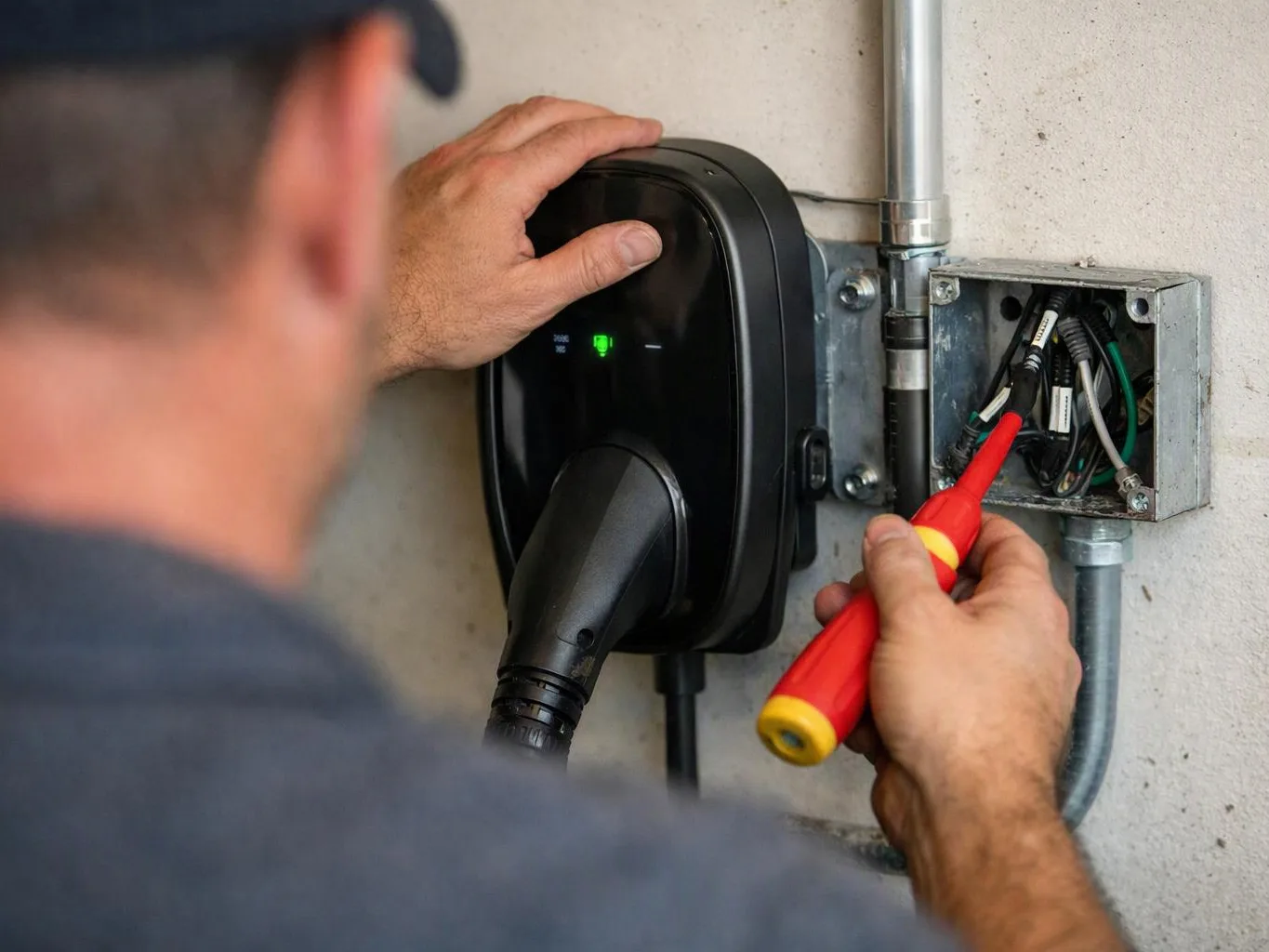
A worker tests a wall-mounted electric charger with a red probe beside exposed wiring and conduit
(951) 577-3540