Skip to content

EV Charger Installation in Canyon Lake, California

We install home and commercial EV charging equipment with careful checks for safe, reliable electrical performance. Free estimates are available for planned charger projects.

Quick Summary: EV Charging Equipment in Canyon Lake, California

EV charger installation in Canyon Lake is provided by Center Electric Service for homes, businesses, and commercial properties. The work covers charger wiring, circuit protection, grounding checks, and electrical testing as part of our broader electrical services.

  • What we do: Center Electric Service installs EV charging equipment for Canyon Lake, California homes, businesses, and commercial properties.
  • What is included: Key capabilities include charger circuit wiring, load checks, grounding review, overcurrent protection, weatherproof equipment, and testing.
  • What you get: The customer receives a connected EV charger with the supporting electrical work checked and explained.

Why does an EV charger need GFCI protection in Canyon Lake, California?

GFCI protection helps reduce shock risk when fault current reaches an unsafe path. We check the protection method, grounding conductor, breaker, and charger connection during the installation.

EV Charger Installation in Canyon Lake for Safer Daily Charging

EV charger installation focuses on the full path from the electrical panel to the charging equipment. We check the panel, circuit route, disconnect needs, grounding conductor, and charger location before setting the work scope.

The buyer’s main choice is whether the existing electrical system can support the planned charger without unsafe loading. Our team explains the required work in plain terms, including circuit changes, panel work, or added protection when the inspection calls for it.

This page is for property owners who want a charger installed as part of a wider electrical project. It is not a substitute for repairs unrelated to charging, such as a separate lighting fault or a damaged service entrance.

  • Confirm the charger location and cable path.
  • Review panel space, breaker needs, and available capacity.
  • Check the grounding conductor and circuit protection.
  • Inspect the mounting surface and outdoor exposure.
  • Test the completed connection before use.
A man stands in a room with ladders, looking up at a ceiling fan and holding a tool bag

Service Overview

EV charger installation is electrical work that connects charging equipment to a property’s power system.

  • The work differs from a simple outlet replacement because charging adds a sustained electrical load that needs its own circuit review.
  • Center Electric Service provides this service for homes, businesses, and commercial properties in Canyon Lake.

What Proper Charger Wiring Changes for Your Property

A dedicated charging circuit gives the equipment a clear electrical path.

Grounding and circuit checks help identify safety concerns before regular charging begins.

A planned cable route keeps the installation practical for the garage, parking area, or commercial space.

Clear recommendations help you decide whether charger work should include a panel upgrade or another electrical repair.

Process

How We Install an EV Charger

1

Review the charger location

We confirm where the charger will sit and inspect the route back to the electrical panel.

2

Check the panel and circuit

We review panel space, conductors, breaker needs, grounding, and the planned charging load.

3

Set the protection scope

We identify the required overcurrent protection, GFCI protection, enclosure needs, and surge protection options.

4

Install the charging circuit

We run the wiring, connect the circuit, and mount the charger according to the agreed work scope.

5

Test the completed connection

We test the circuit and charger connection, then explain the completed electrical work.

How We Approach EV Charger Safety Decisions

Start with the electrical path

The panel, breaker, conductors, grounding conductor, and charger must work as one system. We inspect that path before we set the installation scope.

Check protection at the source

Overcurrent protection helps limit damage from excessive current. We match the circuit protection to the charger and wiring used for the project.

Know when charging is not the job

A charger installation is the wrong starting point when a separate electrical hazard needs attention first. We address issues such as a burning smell, buzzing panel, or repeated breaker trips before adding a charging load.

What Our EV Charging Installation Includes

Center Electric Service provides comprehensive EV charger installation in Canyon Lake. Here's what you get:

  • We review the charger location and plan the wiring route from the electrical panel.
  • We assess panel space, circuit needs, and the electrical load for the charging equipment.
  • We install the required conductors, breaker, disconnect, and charger connection when the job scope calls for them.
  • We check the grounding conductor and overcurrent protection before energizing the circuit.
  • We mount and connect the charger with attention to the property and equipment location.
  • We complete testing and verification so the charging circuit is ready for use.

Charger Circuit Protection Choices

These protection elements address different risks and may be reviewed together during the installation.

Protection featureWhat it addressesWhere we check it
GFCI protectionUnsafe current paths and shock riskCharger circuit and connection
Overcurrent protectionExcess current in the circuitBreaker and wiring
Grounding conductorFault current pathPanel, circuit, and charger connection
Weatherproof enclosureOutdoor equipment exposureCharger and exterior connection points

The Center Electric Service Standard

  • System Assessment
  • Safe Solutions
  • Systematic Troubleshooting
  • Tailored Electrical Work

Questions About Home and Commercial Charger Wiring

What safety features should an EV charger include?

GFCI protection should be checked as part of the charger installation. We also review overcurrent protection, the grounding conductor, the enclosure, and the charger connection.

  • GFCI protection helps reduce shock risk.
  • Overcurrent protection protects the circuit.
  • Grounding supports a safe fault path.
  • A weatherproof enclosure protects exposed equipment.

The correct combination depends on the charger and installation location.

What should be ready before charger installation starts?

The charger location, equipment information, panel access, and preferred cable route should be ready before work begins. We use those details to review the circuit and prepare the estimate.

  • Provide the charger model if it has been selected.
  • Identify the parking or mounting location.
  • Keep the electrical panel accessible.
  • Share any known breaker or outlet concerns.

These details help us set a clear scope.

Which property condition changes the installation time?

The wiring route, panel access, and condition of the electrical system can change the installation time. We inspect those factors before setting expectations.

A long or difficult cable route may need more access work. Limited panel space can add panel changes. Damaged wiring, weak connections, or grounding concerns need attention before the charger circuit is energized.

How do I know if the panel needs an upgrade?

Panel space, available capacity, and the planned charging load determine whether an upgrade belongs in the project. We review the panel before recommending that work.

The inspection includes the panel condition, breaker arrangement, conductors, and grounding path. We explain whether the charger can use the existing setup or whether a panel upgrade should be included in the estimate.

What should I ask before agreeing to charger installation?

Ask which circuit work, protection, testing, and equipment connections the estimate includes. We explain each part before you approve the job.

  • Ask where the charger circuit will run.
  • Ask how the grounding path will be checked.
  • Ask which protection devices belong in the scope.
  • Ask how the completed connection will be tested.

A clear scope makes the work easier to review.

Can the charger be installed during an electrical remodel?

Yes, charger wiring can be planned with an electrical remodel when the panel and construction scope support it. We coordinate the charger location with the wider wiring plan.

Remodel work may affect access, cable routing, lighting, outlets, or panel changes. Combining related work can help the property owner review the electrical scope in one estimate.
Contact

Request a Free Estimate for EV Charger Installation

Tell Center Electric Service where you want the charger and what electrical concerns you have. We’ll review the Canyon Lake project and prepare a free estimate.

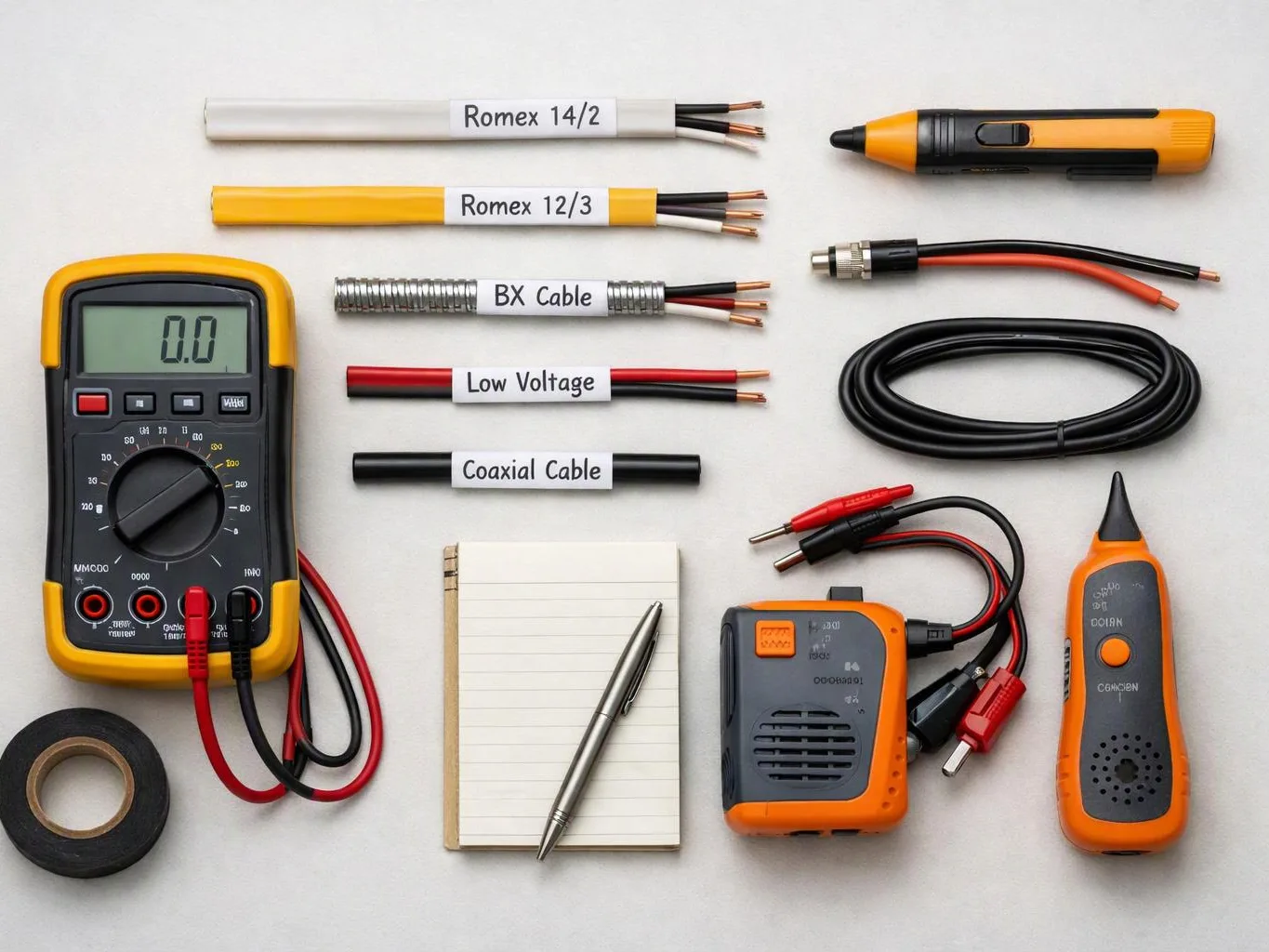
Electrical tools, labeled cable samples, a multimeter, tape, notebook, and test devices arranged on a white surface
(951) 577-3540