What electrical requirements are needed for an EV charger?
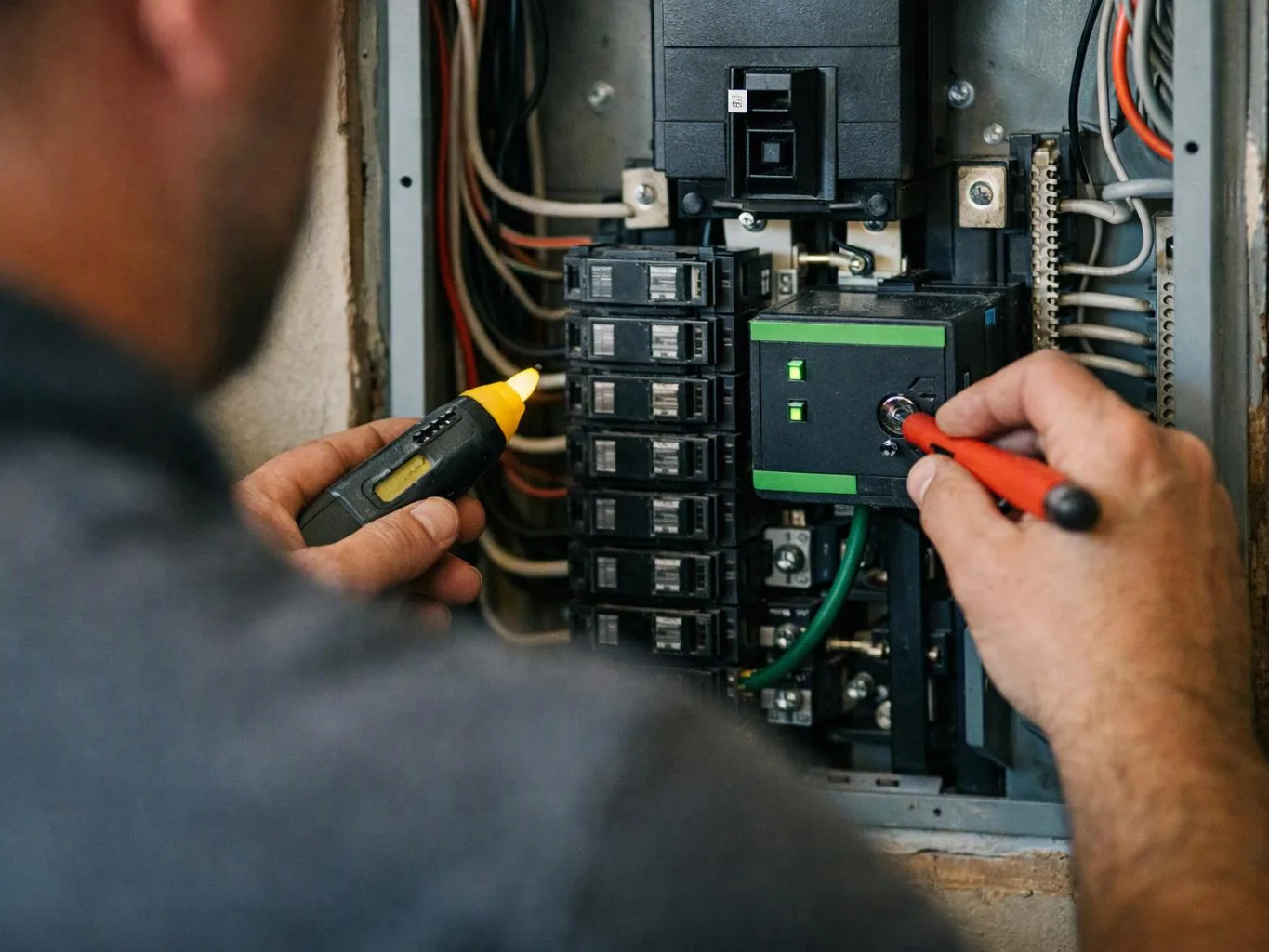
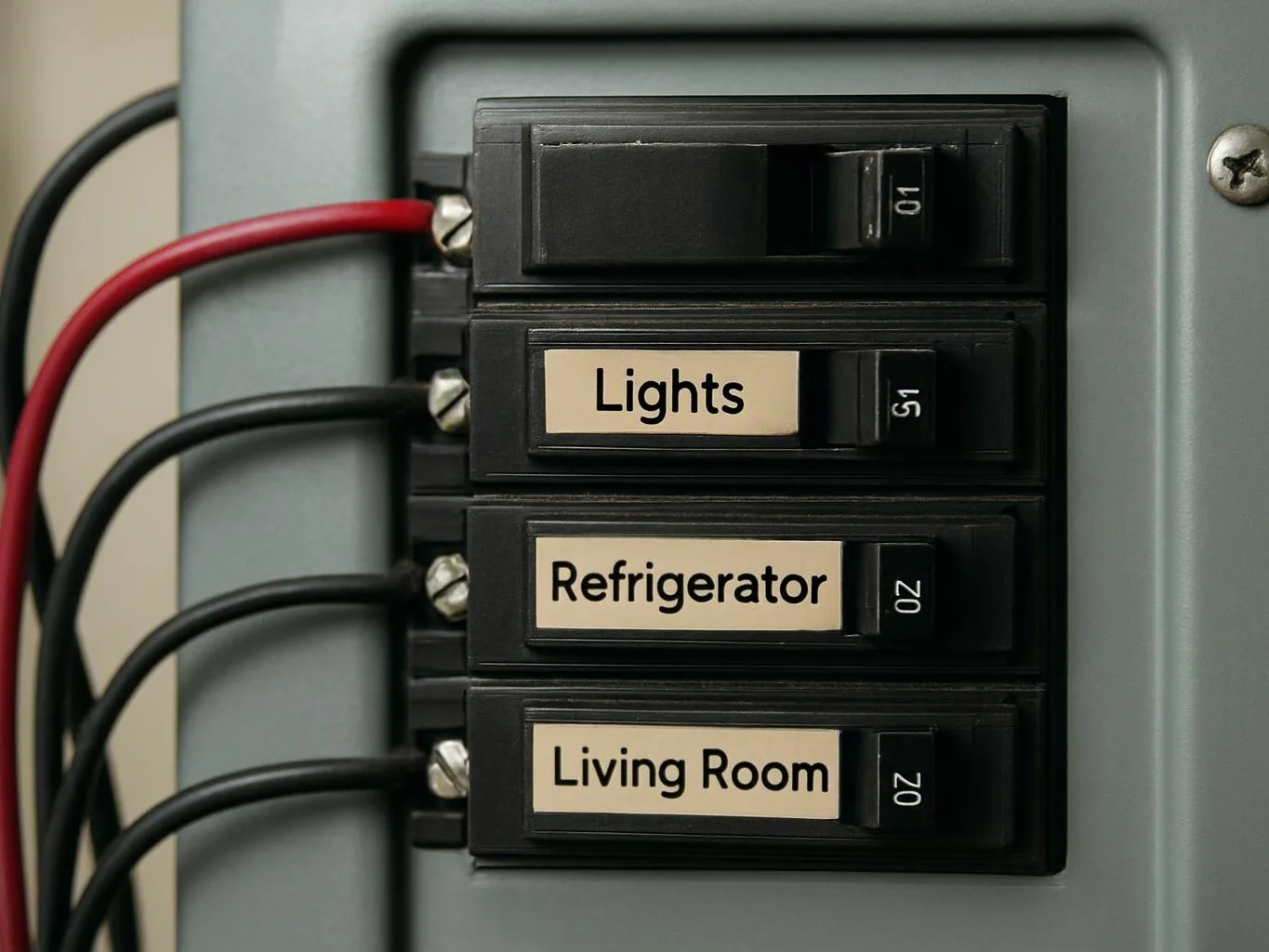
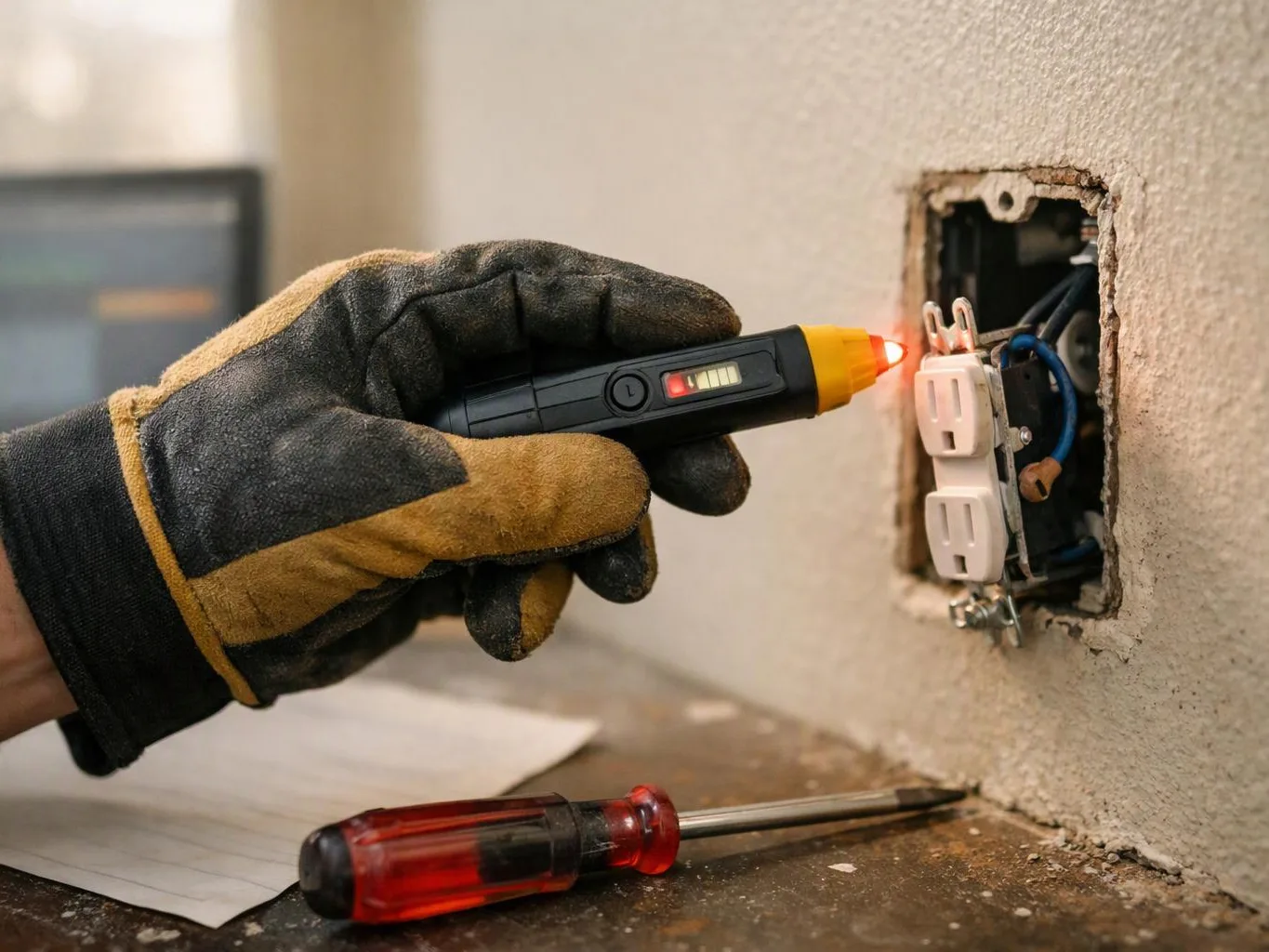
A dedicated circuit, proper circuit protection, grounding, suitable wiring, and enough service capacity are the main requirements. Center Electric Service checks the panel and performs a load calculation before connecting the charger. We also review the wiring route and test the finished connection. The exact scope depends on the property's electrical system and charger location.
What should be ready before charger installation starts?
The charger location, panel access, and property use should be ready before work begins. Customers should identify the intended parking area and share any known breaker or outlet problems. We then inspect the panel, review service capacity, and plan conduit wiring. Clear access helps us assess the route and prepare an accurate estimate.
Which property condition changes the installation time?
The wiring route changes the installation time most when the charger sits far from the service panel. Finished walls, limited panel space, damaged wiring, and needed service upgrades can add work. We inspect those conditions before setting the scope. Customers receive a clear explanation of the work that the property requires.
How does a panel upgrade fit with charger installation?
A panel upgrade fits the project when the existing panel lacks capacity, space, or suitable circuit protection. Our team checks the panel before recommending that work. Customers may also need a subpanel or service entrance upgrade, depending on the electrical layout. We explain whether panel work is part of the charger project or a separate need.
What should I ask before agreeing to charger wiring?
Ask which circuit, wiring route, protection, testing, and panel work the estimate includes. Customers should also ask how service capacity was reviewed and what happens if the panel needs an upgrade. We explain the proposed scope before work starts. That discussion helps the property owner compare the actual electrical work, not just the charger connection.
Why does a charger charge slowly or stop during use?
Slow charging or interruptions can result from limited circuit capacity, loose connections, a tripping breaker, or charger equipment faults. We inspect the circuit, panel, wiring, and connection points to separate electrical issues from equipment issues. Customers in Rialto can request an assessment for homes, businesses, or commercial properties with these symptoms.
Who installs EV charging equipment for commercial properties?
Center Electric Service installs EV charging equipment for commercial properties and reviews the related electrical system. Our team checks service capacity, panel space, conduit routes, grounding, and access needs. Commercial work may also involve lighting, wiring, or panel updates when those systems affect the proposed charger connection.