Skip to content

EV Charger Installation in Beaumont, California

We install home and commercial EV chargers in Beaumont with attention to circuit capacity, conduit wiring, and safe electrical connections. Free estimates are available for planned charger projects.

Quick Summary: Home and commercial charger setup in Beaumont, California

EV charger installation in Beaumont is provided by Center Electric Service for homes, businesses, and commercial properties. The service covers circuit checks, wiring, charger connections, and related panel work across Riverside County, with free estimates available.

  • What we do: Center Electric Service provides EV charger installation for Beaumont, California homes, businesses, and commercial properties.
  • What is included: We assess circuit capacity, complete conduit wiring, install needed breakers, and connect EV charging equipment.
  • What you get: The customer receives a connected charger circuit that matches the property's electrical capacity and planned use.

Why does an EV charger need a dedicated circuit?

A dedicated circuit gives the charger its own electrical path and helps prevent overloads. We check the breaker, wire size, panel capacity, grounding, and charger requirements before installation. A circuit that already serves lights or receptacles may not suit sustained vehicle charging. We explain the needed work before the estimate is prepared.
EV Charger Installation for Beaumont Properties

EV charger installation focuses on the electrical path between the service panel and the charging equipment. The work may include a dedicated circuit, conduit wiring, a breaker, grounding checks, and a connection at the charger location.

The key buyer decision is whether the present service can support the charger without creating an unsafe load. We use a load calculation and inspect the panel before recommending a circuit route or service capacity change.

This page is for property owners planning a charger, replacing an unsuitable outlet, or adding charging during an electrical remodel. A charger connection alone won't solve a panel that lacks room or capacity, so we explain when related electrical work belongs in the same project.

  • Confirm the charger location and the route from the electrical panel.
  • Check the panel, breaker space, grounding, and available service capacity.
  • Review whether conduit wiring or a panel upgrade is needed.
  • Test the completed circuit and charging connection.
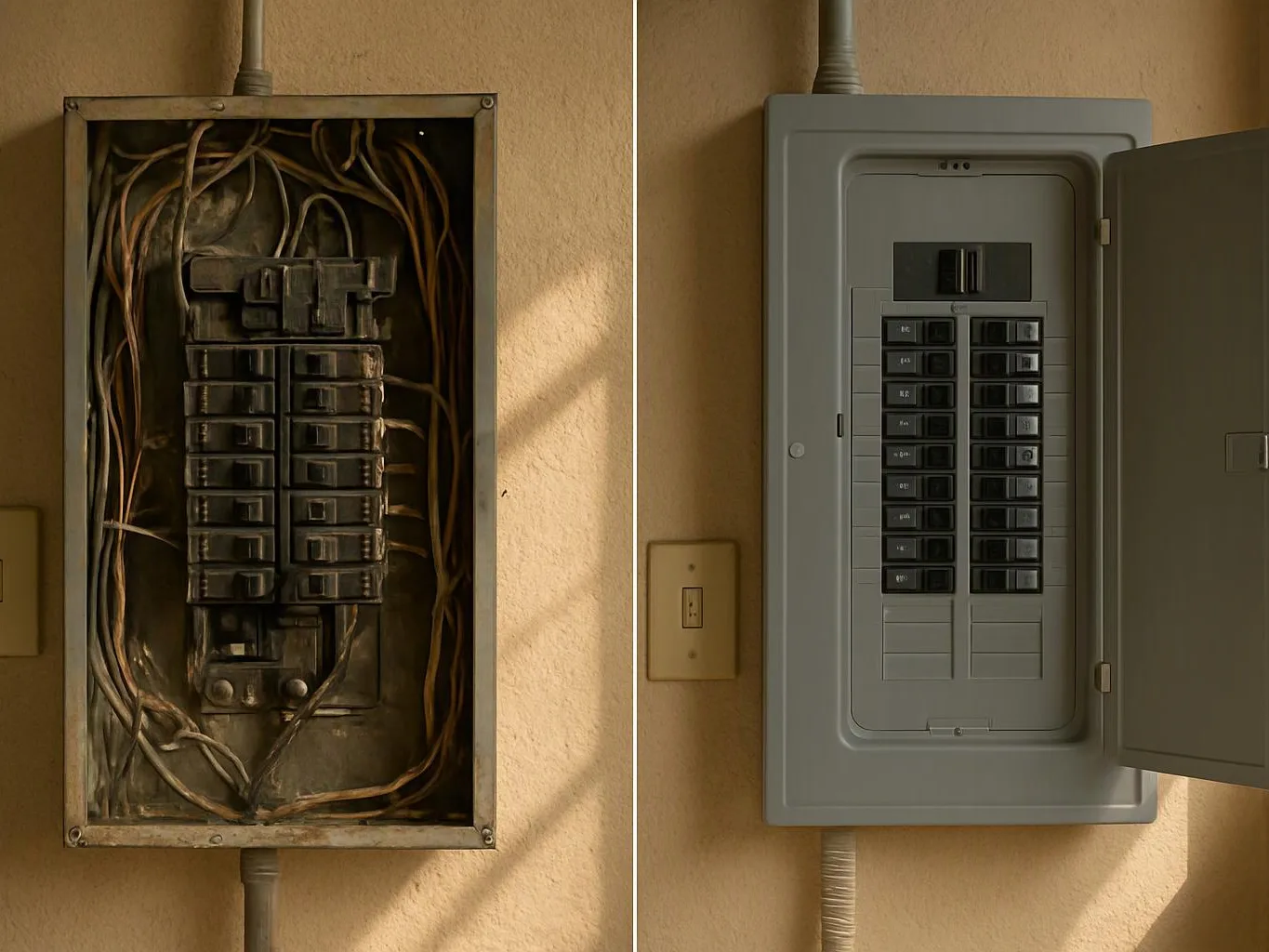
Side by side electrical breaker panels show a messy old box beside a clean open replacement on a wall

Service Overview

EV charger installation is electrical work that adds the wiring, protection, and connection needed to charge an electric vehicle.

  • The work differs from a standard outlet replacement because charging places a sustained load on the circuit and may require a load calculation or panel work.
  • Center Electric Service provides this service for Beaumont homes, businesses, and commercial properties across Riverside County.

What Home and Commercial Charger Work Includes

Center Electric Service provides comprehensive EV charger installation in Beaumont. Here's what you get:

  • We inspect the electrical panel and identify the circuit path needed for the charger.
  • We complete a load calculation to compare the charging demand with available service capacity.
  • We install the required wiring, breaker, and conduit for the planned charger connection.
  • We check grounding and ground-fault protection as part of the electrical work.
  • We connect the charger and test the circuit after installation.
  • We explain related panel, wiring, or code-compliance updates when the existing system needs more work.

What a Proper Charger Connection Changes

A dedicated charging circuit gives the vehicle charger a clear electrical path.

Load planning helps reduce the chance of nuisance breaker trips during charging.

Conduit wiring protects conductors along exposed routes and keeps the installation orderly.

A panel review helps you decide between a circuit installation and a broader electrical upgrade.

Testing confirms that the installed circuit and charger connection operate as intended.

Commercial property owners receive a work plan that accounts for the building's existing electrical system.

What We Check Before Connecting a Charger

Start with service capacity

The first decision is whether the electrical service can support the added charging load. We review the panel, available breaker space, existing circuits, and load calculation before setting the scope.

Plan the wiring route

The route affects conduit, wire length, protection, and installation work. We map the path from the panel to the charger and explain where access affects the job.

Know when charging is not the job

A charger installation is the wrong first step when the property has a serious panel fault, unsafe wiring, or a broader service problem. We address that electrical issue before connecting charging equipment.

Process

How We Complete the Charging Circuit

1

Inspect the electrical panel

We review the panel, breaker space, existing circuits, grounding, and service entrance before planning the connection.

2

Calculate the added load

We compare the charger's electrical demand with the property's current use and available service capacity.

3

Map the conduit route

We select a practical path from the panel to the charger and identify access points, protection needs, and wiring requirements.

4

Install the protected circuit

We install the breaker, conductors, conduit, and related connections that the approved work scope requires.

5

Test the charger connection

We check circuit operation, grounding, connections, and charger performance after the electrical work is complete.

Charger Circuit Options for Different Electrical Conditions

These options compare the electrical work that may fit different panel and service conditions.

Electrical conditionWork that may fitWhat we check
Panel has capacity and breaker spaceAdd the charger circuit and protected wiringPanel condition, grounding, load calculation, and circuit route
Panel has capacity but no suitable breaker spaceReview panel changes or a subpanel installationPanel layout, service capacity, and access for new wiring
Service capacity does not support added chargingDiscuss a service entrance or panel upgrade before connectionExisting demand, load calculation, and required electrical changes

The Center Electric Service Standard

  • System Assessment
  • Safe Solutions
  • Systematic Troubleshooting
  • Tailored Electrical Work

Questions About Home and Commercial Charger Work

What electrical requirements are needed for an EV charger?

A dedicated circuit, correct wire size, breaker protection, grounding, and enough service capacity are the main requirements. Center Electric Service checks each item before installation. We also review conduit wiring and ground-fault protection where the work requires them. The final scope depends on the charger connection, panel condition, and electrical demand.

How does a charger installation visit move from the first call to the last step?

The visit moves from property review to load planning, wiring, connection, and testing. We inspect the panel and charger location first. Next, we map the circuit route and explain the estimate. After the work, we test the breaker, grounding, wiring, and charger connection before finishing.

Which material changes how long charger installation takes?

Conduit wiring often changes the work time because the route controls access, protection, and conductor placement. We inspect the path from the panel to the charger before setting the scope. Exposed routes, difficult access, and panel changes add work steps. We explain those conditions in the estimate.

How can a customer tell whether charger installation fits the property?

A property fits when its service capacity, panel, wiring route, and charger location support the added load. We check the panel, calculate demand, and review the planned connection. Beaumont property owners can request an assessment for a home, business, or commercial building. The inspection shows whether a circuit alone is suitable.

What information should I share before requesting an estimate?

The property type, charger location, panel photos, and known breaker problems help us review the project. We also need the planned charging equipment details when available. Our team uses that information to plan the circuit route and identify access questions. A site assessment confirms the actual electrical scope.

Should a charger and panel upgrade be planned together?

A charger and panel upgrade should be planned together when the existing service lacks capacity or breaker space. We inspect the panel and complete a load calculation before choosing the work. A separate panel project may be unnecessary when the present service supports the added circuit. The estimate explains which scope fits the property.
Contact

Get a Free Estimate for EV Charger Installation in Beaumont

Are you planning a charger or seeing panel concerns during charging? Request a free estimate from Center Electric Service for EV charger installation in Beaumont.

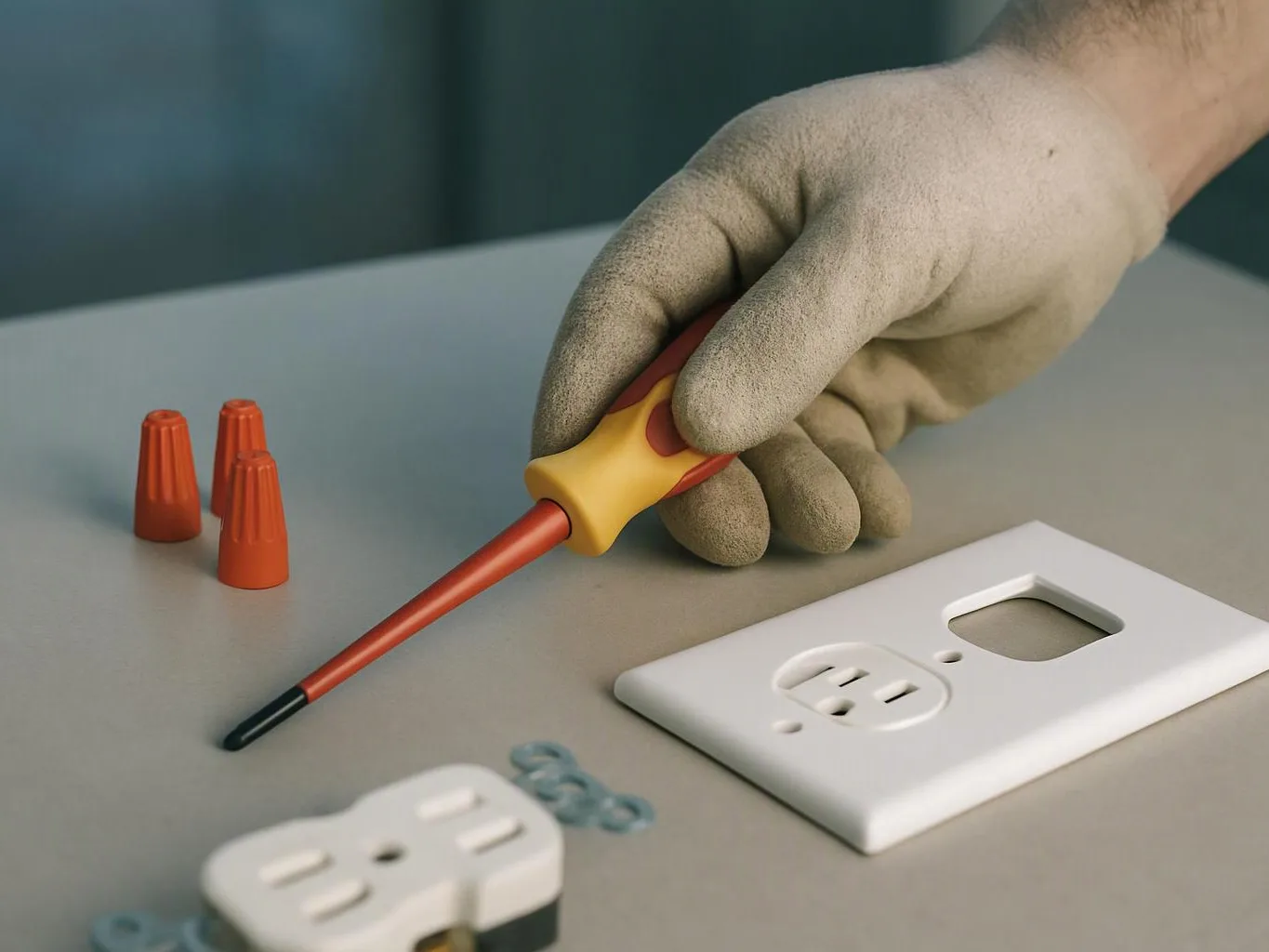
A gloved hand uses a screwdriver beside electrical wall plates and wire nuts on a work surface

ZIP Codes We Serve in Beaumont, California

92223
(951) 577-3540