What safety features should an EV charger include?
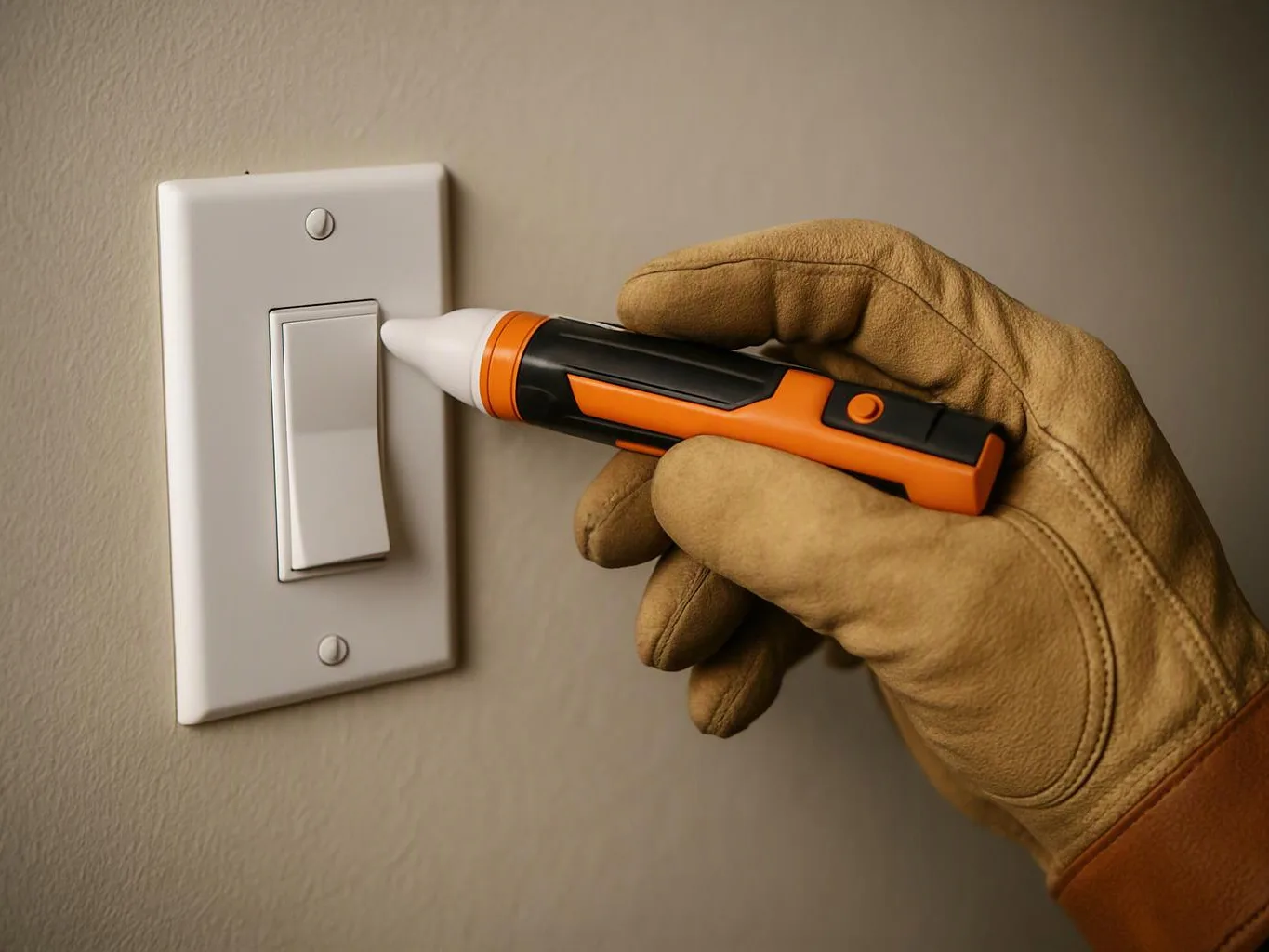
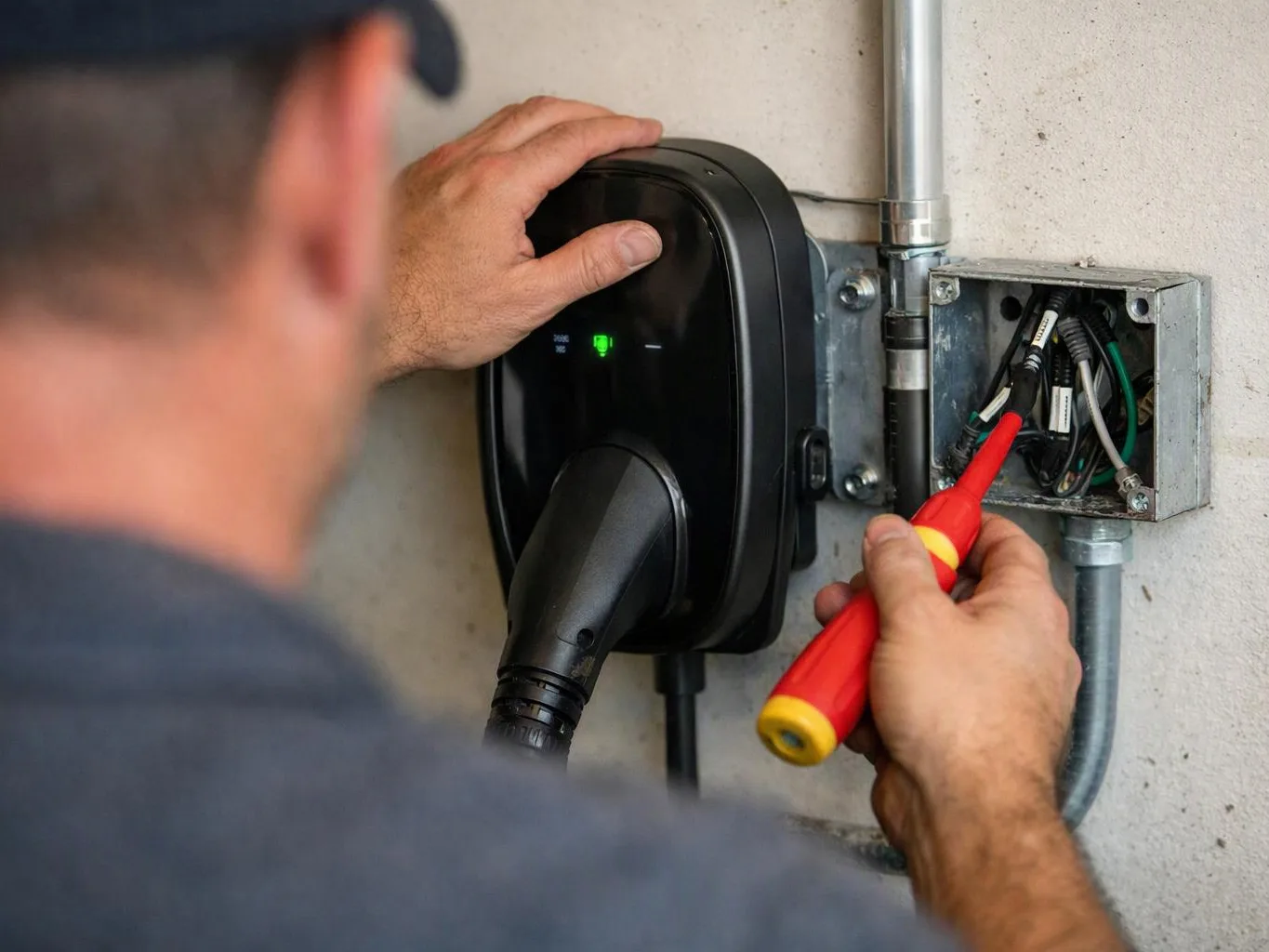
A weatherproof enclosure should protect outdoor connections, and the circuit should include suitable GFCI protection, overcurrent protection, and grounding. We check the enclosure, cable entry, breaker, grounding conductor, and charger connection before testing the system. Surge protection may also fit the project when the property and equipment call for it.
How is charger installation matched to my property before work starts?
The property assessment matches the charger to the panel, circuit path, location, and available capacity. We review the load calculation, panel space, cable route, mounting surface, and grounding path. The final scope shows whether the work needs a new circuit, panel upgrade, subpanel, or added protection.
Which property condition changes the installation time?
The cable route changes the installation time when access is difficult or the panel sits far from the charger. Wall access, trenching needs, panel space, and a required subpanel also affect the work. We review these conditions during the assessment and explain the scope before scheduling.
What should I ask before agreeing to charger installation?
Ask which circuit, breaker, wire route, grounding method, and testing steps the quote includes. You should also ask whether the panel needs an upgrade and how outdoor connections will be protected. We explain the proposed scope so you can compare the actual electrical work, not just the charger itself.
Which wiring does a home charger need?
A home charger needs a properly sized circuit with suitable conductors, overcurrent protection, and a grounding path. The exact wiring depends on the charger, panel, route, and property load. We review those conditions and install the circuit components required by the agreed scope.
Why does my charger keep tripping the breaker?
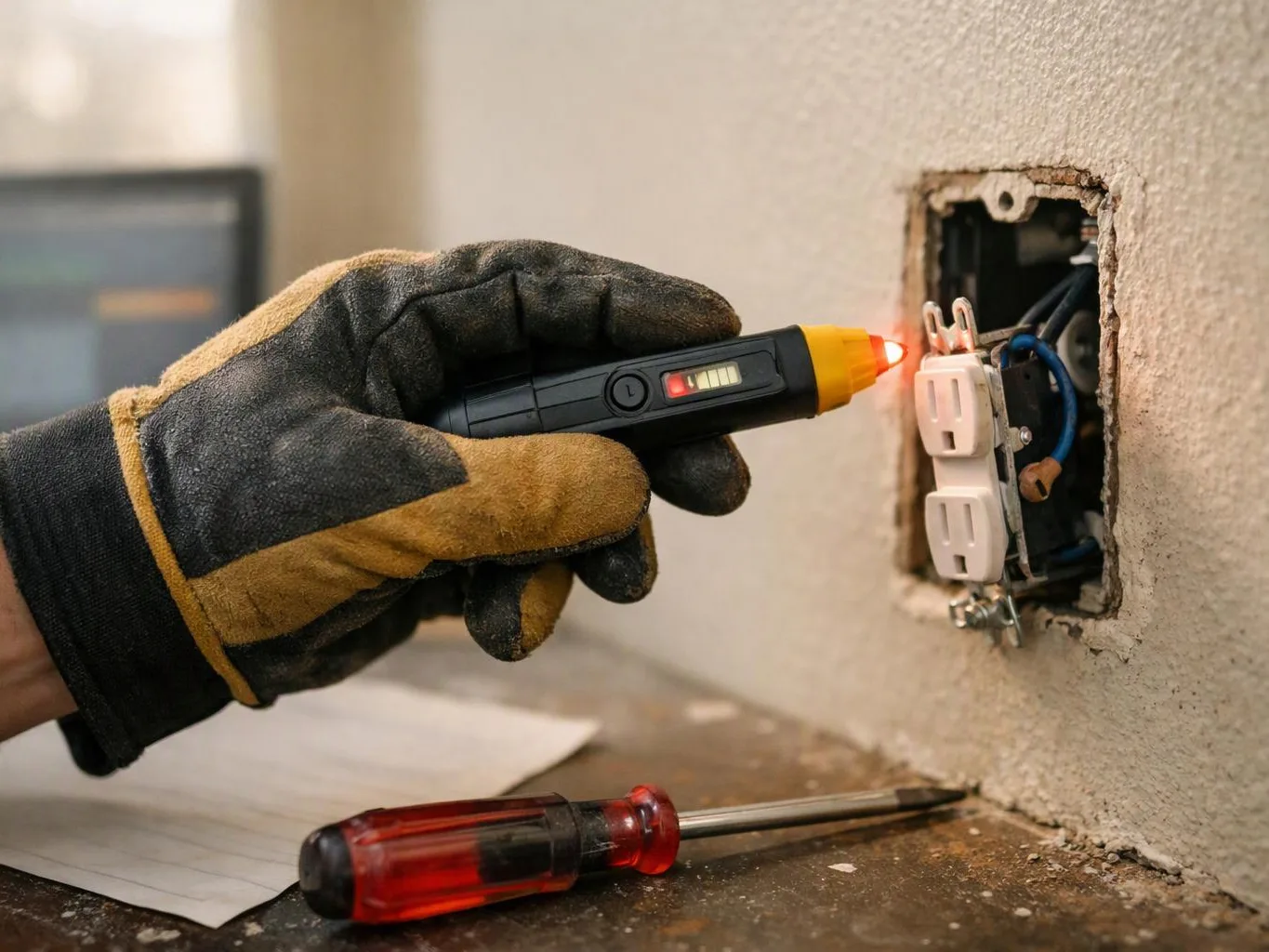
A tripping breaker can signal excess circuit demand, wiring trouble, protection issues, or a charger fault. We isolate the charger circuit, inspect the panel and connections, and test the grounding path. Continued charging should wait until the cause has been checked and corrected.