What electrical requirements are needed for an EV charger?
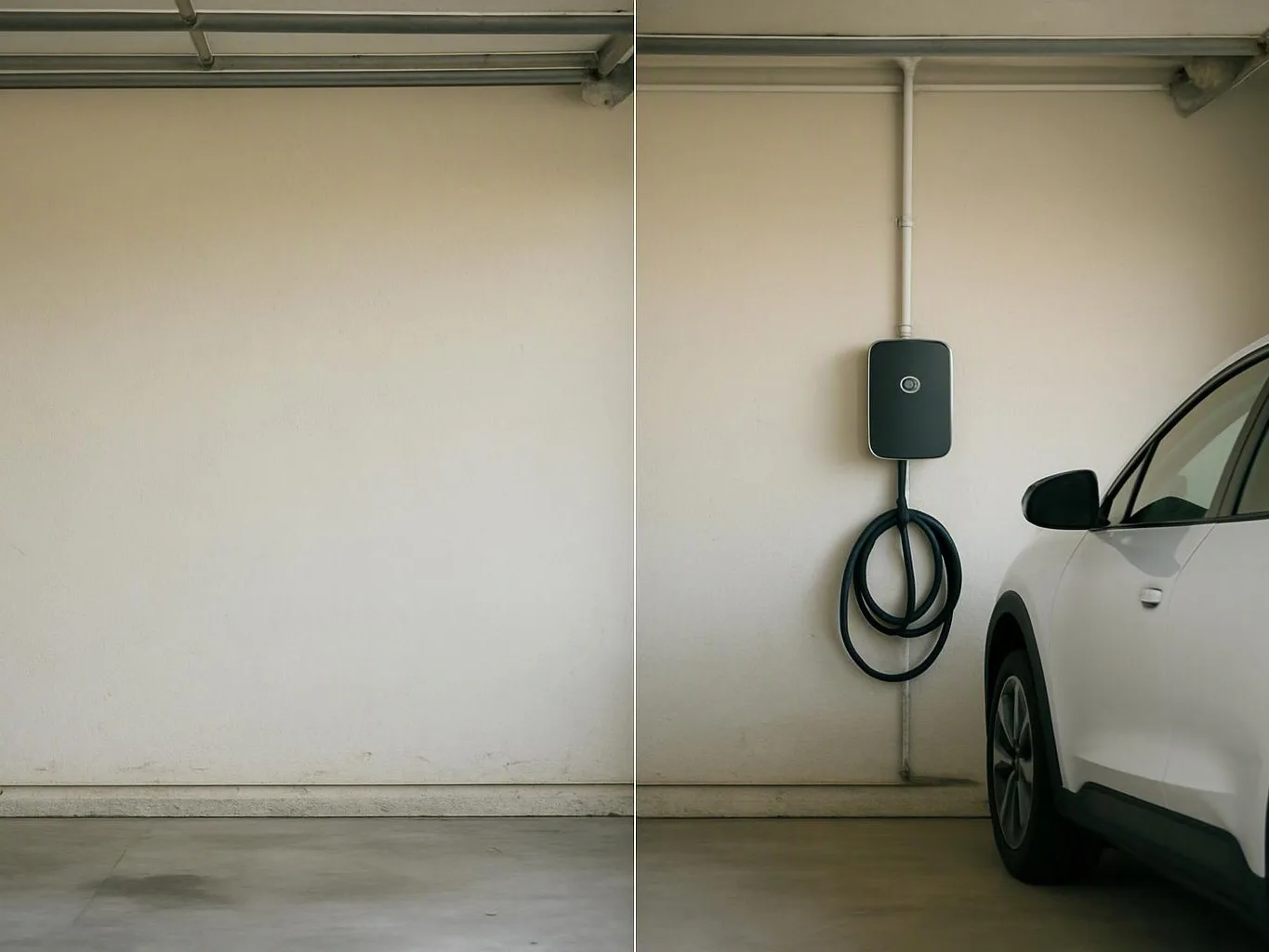
Ground fault protection, a dedicated circuit, suitable conduit wiring, and enough service capacity support safe charger operation. Center Electric Service checks the panel, breaker space, conductor path, grounding, and charger location before work begins. A load calculation helps show whether the existing service can support the added demand. We explain any panel or subpanel work needed for the planned setup.
What should be checked before installation is scheduled?
The panel, service rating, charger location, wiring route, and available breaker space should be checked first. Our team also reviews the distance between the panel and charger, access for conduit, and the condition of existing wiring. Photos of the panel, meter area, and proposed charger location can help us prepare a clearer estimate. The final scope follows the site review.
Who is a good fit for home charger installation?
Homeowners and property managers with a planned charger location and suitable electrical access are good fits. We assess the panel and circuit path before recommending the work. A property that needs broad rewiring, service entrance work, or major panel correction may need those electrical upgrades first. We explain that added scope before installation proceeds.
What happens at each stage of the installation?
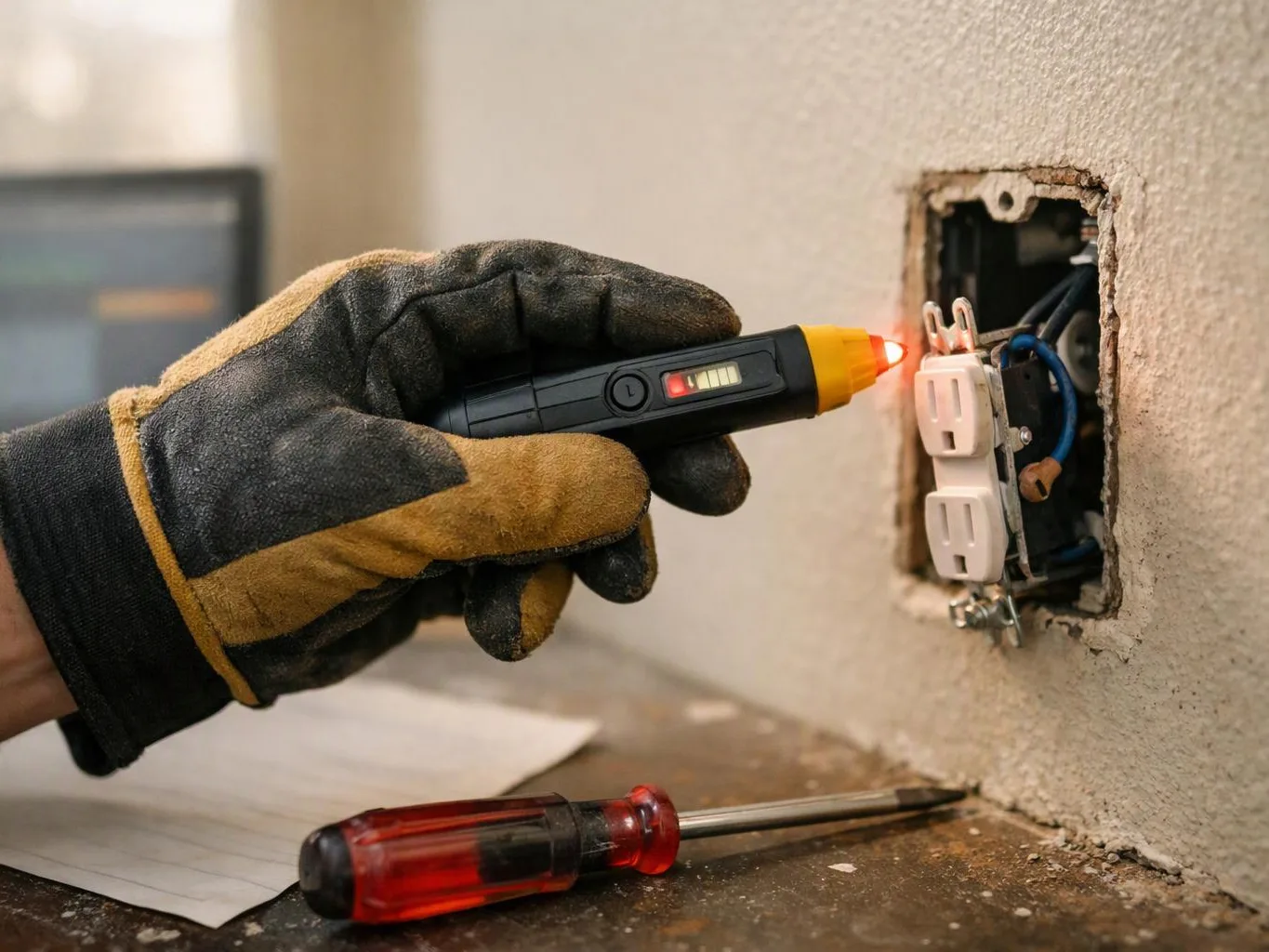
The work starts with an electrical assessment, then moves through scope planning, wiring, charger connection, and testing. Our team checks the panel and completes a load calculation before choosing the circuit path. We install the required conductors and conduit, connect the equipment, and verify operation. Permit or inspection needs are reviewed as part of the project scope.
Which part of the job changes the estimate?
The wiring route, panel work, charger location, service capacity, and required electrical upgrades shape the estimate. Longer or harder conduit paths can add work, while limited breaker space may call for a subpanel or panel upgrade. Existing wiring condition also matters. We provide Free Estimates Available after reviewing the property and the planned charging setup.
When does a charger need a panel upgrade?
A panel upgrade becomes a consideration when the existing service lacks capacity, breaker space, or a suitable circuit path. Our team checks the panel rating, current loads, and planned charger demand before making that recommendation. A subpanel may address some layouts, while other properties need broader service work. The written scope identifies the work required.
Why does conduit matter for charger wiring?
Conduit protects charger conductors and keeps the wiring route organized where cables are exposed. Our team selects the route based on panel access, charger placement, wall conditions, and the need to protect the conductors. The final installation includes testing and verification at the charger and circuit. We also explain access needs before work begins.