What type of lighting is right for each room?
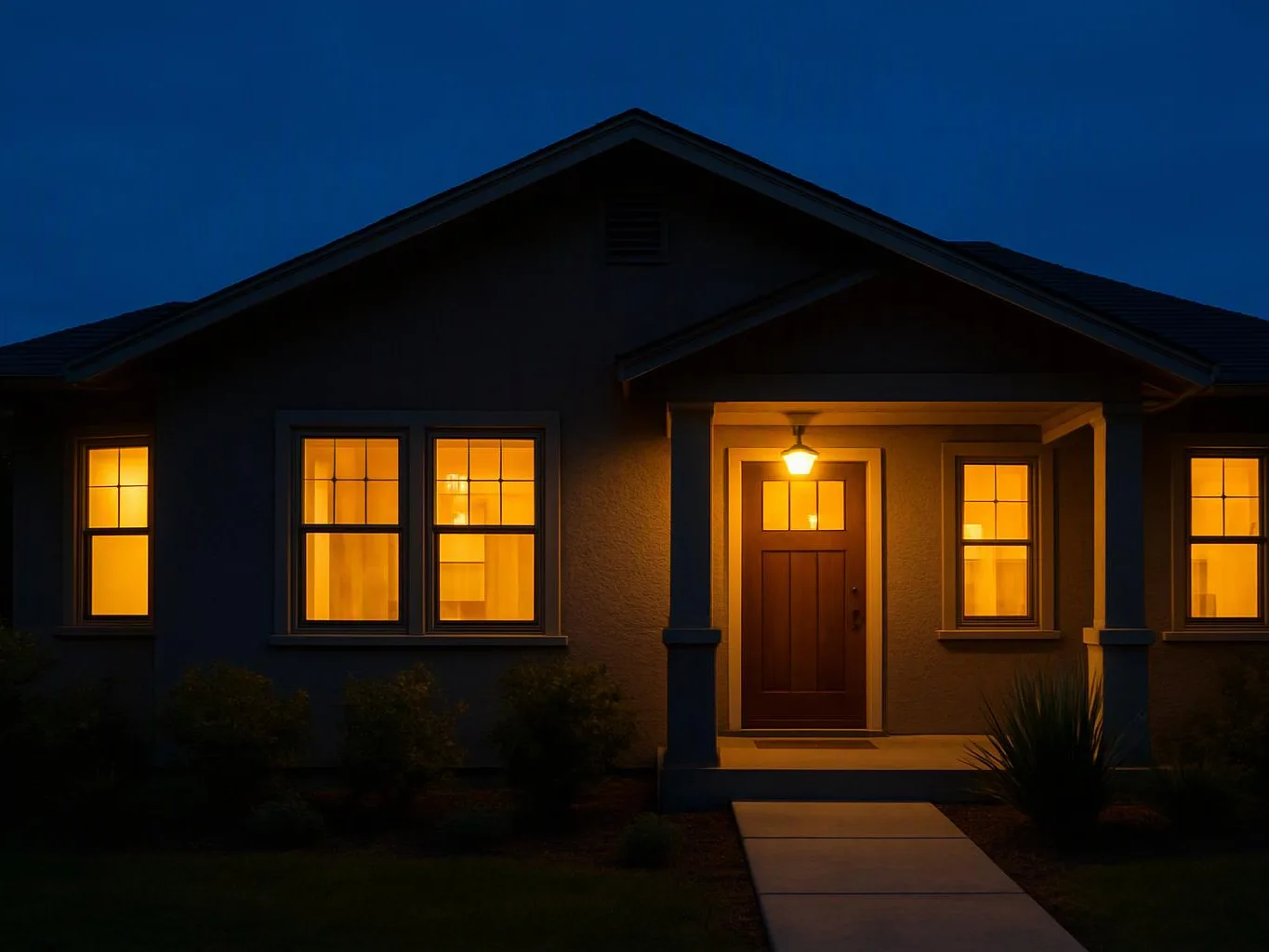
Ambient lighting suits general room visibility, task lighting suits focused work, and accent lighting suits selected features. We match the layer to the room's use, then review fixture placement, switch control, LED options, and color temperature. Kitchens, offices, living areas, and commercial spaces may need different combinations.
What does the crew look at first during a lighting project?
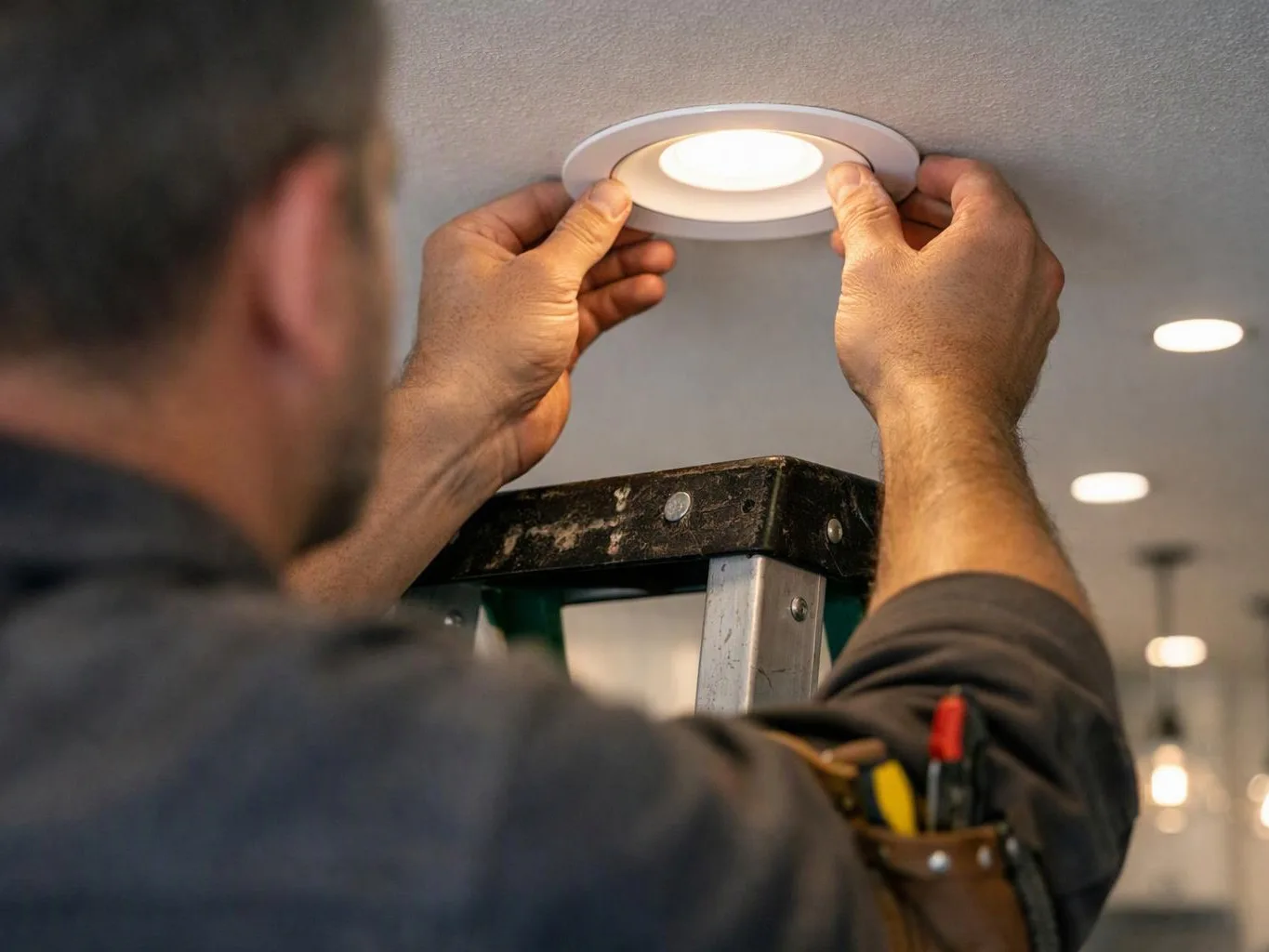
The existing circuit and fixture location come first during a lighting project. We check the ceiling or wall access, switch position, wiring connections, and the room's lighting goal. That review shows whether the requested work is a fixture change or needs added circuit or wiring work.
What should be checked before lighting work is scheduled?
The room layout, fixture type, switch location, ceiling access, and circuit path should be checked first. We also need the preferred lighting purpose, such as general visibility or focused work. Photos of the room and existing fixture can help us understand the request before preparing a free estimate.
Who is a good fit for lighting installation, and who needs a different service?
Homes, businesses, and commercial properties needing new or improved fixtures are good fits for lighting installation. A property with damaged wiring, an overloaded panel, or a larger power change may need repair, a panel upgrade, or rewiring. We identify that distinction during the electrical review.
Which part of a lighting job changes the quote?
Fixture count, fixture type, ceiling access, switch placement, and circuit work change the quote. Recessed lighting can require different access than a surface-mounted fixture. We review those conditions and provide a free estimate that reflects the requested work.
How do LED fixtures differ from older light fixtures?
LED fixtures use a different light source and offer a practical energy-efficient option. The best choice still depends on placement, light output, controls, and color temperature. We compare those details with the room's purpose instead of selecting fixtures by appearance alone.
Why do some rooms need separate lighting controls?
Separate controls let occupants use ambient, task, or accent light independently. We review switch access and the intended room activities before planning control points. This approach helps a kitchen, office, retail area, or living space use the light it needs.