Planning Home EV Charger Installation and Load Management
Home EV charger installation requires an electrical capacity review, charger-location plan, circuit assessment, and load-management decision; Center Electric Service checks these conditions and provides Free Estimates Available before the work begins.
Get a Free Estimate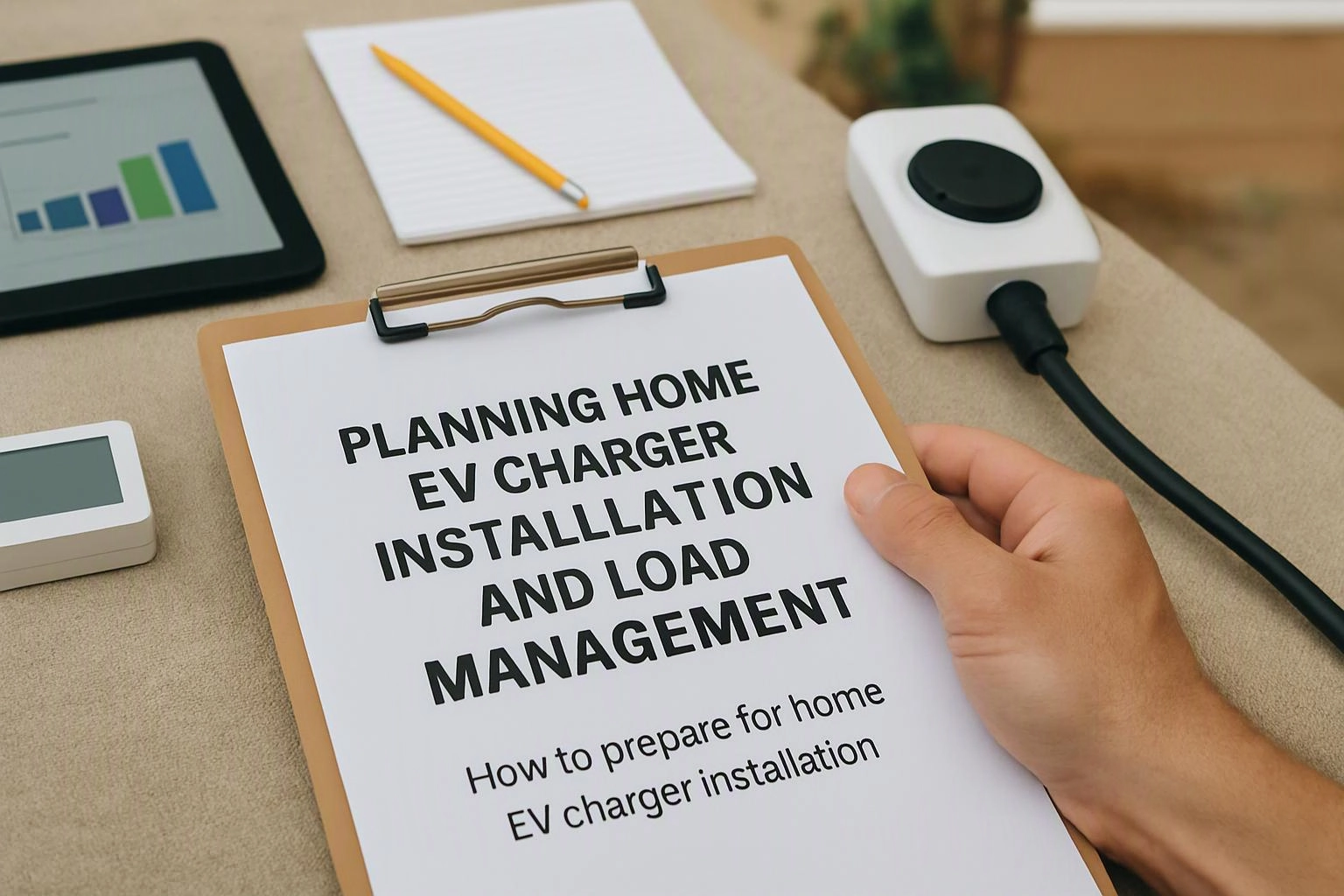
What to Check Before Installing a Home EV Charger
Home EV charger preparation starts with checking available electrical capacity, panel condition, circuit space, cable routing, and the planned charger location. Center Electric Service reviews the electrical service and electrical panel before we recommend a charging setup.
Your electric vehicle and vehicle charging needs guide the charger choice. A Level 2 charger may require a dedicated circuit, suitable overcurrent protection, and a practical route from the panel to the charger location.
We also review the EV charging cable path, conduit needs, wiring access, grounding, and the distance between the charger and the vehicle. This planning helps connect the charger to the home safely and supports reliable daily charging.
Signs Your Electrical System Needs More Planning
Electrical system warning signs can show that the planned charger needs a closer capacity review. We use these conditions to decide whether the existing panel and service can support the added electrical load.
These signs do not decide the installation by themselves. Our team completes an electrical review and explains whether circuit changes, load management, or a panel upgrade is appropriate.
How EV Charger Load Management Works
EV charger load management monitors or controls charging demand so the charger can operate within the electrical system's available capacity. Managed charging can reduce conflicts between vehicle charging and other major household loads.
A load-management system may monitor electrical demand at the service or control the charger during periods of high use. We match the control method to the home's circuit capacity, service capacity, charger specifications, and charging goals.
Load monitoring can give the charger charging priority when capacity is available. It can also adjust or pause charging when the electric range, water heating, air conditioning, or other equipment creates higher electrical demand.
Our team explains how the system responds to peak demand and how a vehicle charging schedule fits the household routine. The goal is controlled EV charging that respects the home's available capacity.
Common Causes of EV Charging Load Conflicts
EV charging load conflicts happen when the charger and existing household equipment call for substantial electrical demand at the same time. We identify the loads that may affect circuit capacity before designing the installation.
Each home has a different combination of loads and service conditions. We use that information to determine whether the installation needs managed charging, revised circuit routing, or service-related work.
What We Review Before Designing the Installation
Center Electric Service reviews the home's electrical service, panel condition, existing demand, charger specifications, and installation route before recommending an installation plan. We begin with an electrical load calculation so the design reflects the home's actual use.
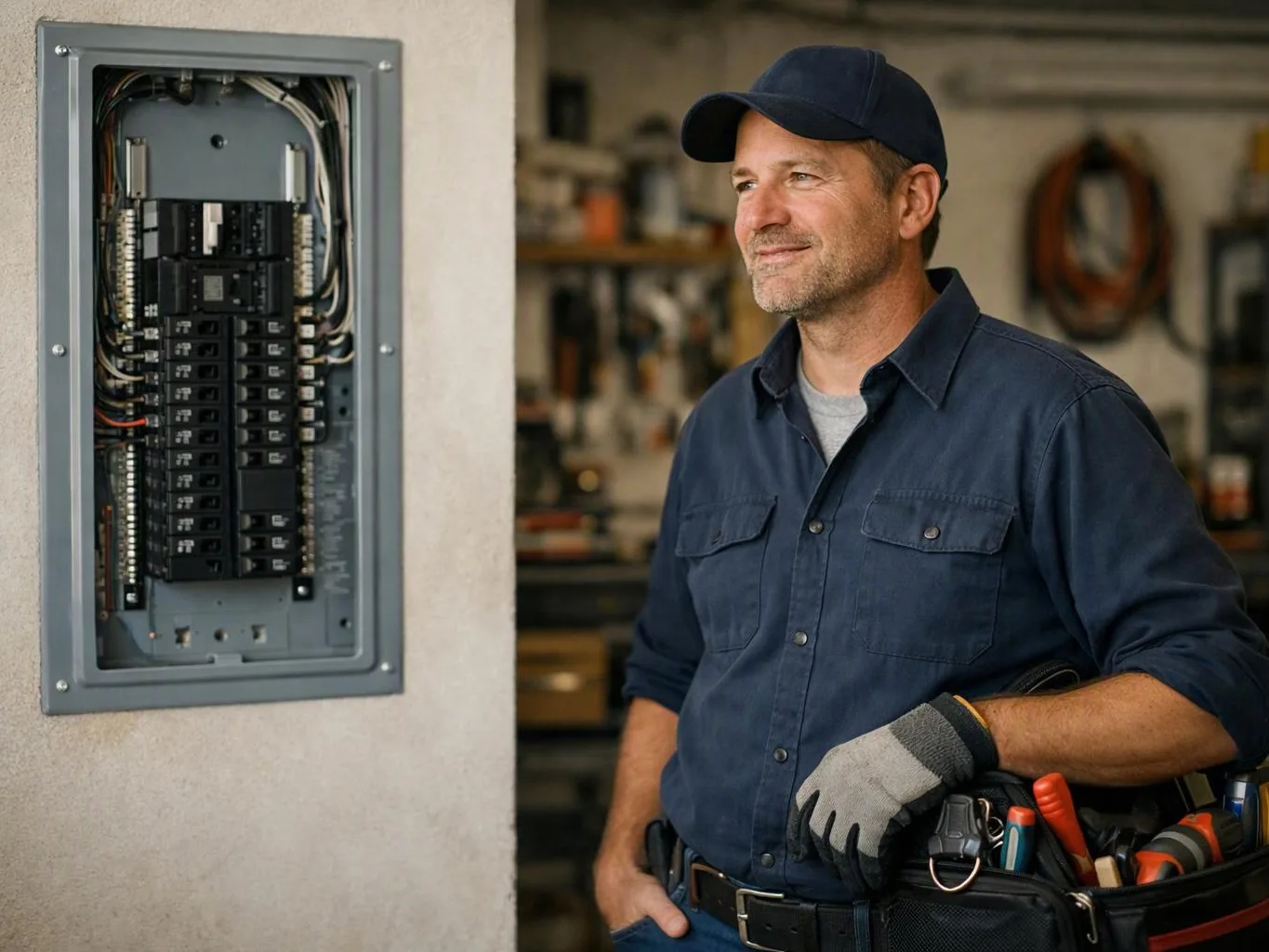
Our team checks the service entrance, main panel, and any subpanel that may be part of the circuit route. We examine available breaker space, the main breaker, grounding and bonding, and the condition of existing wiring.
We then plan circuit routing from the electrical panel to the charger location. The plan may include conduit, a dedicated EV circuit, overcurrent protection, and a load-management controller when the available capacity calls for it.
Charger specifications also guide the design. We account for the selected charging equipment, vehicle charging needs, installation conditions, and applicable electrical code requirements before we explain the recommended work.
How to Prevent Home EV Charging Load Problems
Electrical load planning helps prevent charging conflicts before installation begins. We connect the charging plan to the home's existing equipment and available service capacity.
These steps support a safer and more predictable charging setup. Our crew uses the completed design to confirm that the charger, circuit, panel, and controls work together.
How We Plan Your EV Charger Installation
Our EV charger installation process connects the charging goal with the home's electrical conditions. Each step gives us information needed for a suitable circuit and load-management decision.
Center Electric Service provides Free Estimates Available before the work begins. The estimate explains the planned equipment, circuit route, load-management needs, and any panel or service work identified during our review.
What Changes the Cost of This EV Charger Project?
EV charger project cost depends on the charger requirements, panel condition, circuit route, electrical service capacity, load-management needs, and any panel upgrade. We prepare the estimate around the conditions found at the home.
EV charger type affects the circuit and protection requirements. Electrical panel condition, available panel space, and existing electrical infrastructure affect whether the work can use the current setup or needs additional equipment.
Circuit length and conduit routing can change the materials and labor involved. Load-management equipment, permit requirements, service limitations, and access to the wiring route also shape the project scope.
To obtain an exact estimate, provide the vehicle and charger information and let our team review the electrical system. We explain what the estimate includes before installation begins.
What to Include in Your Installation Request
Installation request details help us connect the vehicle's charging goals with the home's electrical conditions. Center Electric Service can prepare an appropriate estimate when the request includes clear information about the equipment and preferred setup.
Include the electric vehicle model, charger model, preferred charging location, and driving pattern. Tell us how you expect to use the vehicle so we can discuss charging needs and a practical vehicle charging schedule.
Share clear electrical panel photos when safe to obtain them, along with information about existing electrical equipment. Mention any known subpanel, electric range, electric water heater, air conditioning, or other major loads.
Our team uses these details to plan the load calculation, circuit routing, charger location, and possible load-management system. We then explain the Center Electric Service estimate and the conditions that shape the installation.
Questions About Home EV Charger Installation
Can an EV charger be installed without upgrading the electrical panel?
Yes, an EV charger can be installed without a panel upgrade when the existing electrical service, panel capacity, circuit space, and protection support the planned charger. Center Electric Service confirms those conditions through a load calculation and panel review before we finalize the design.
When does an EV charger need load management?
An EV charger needs load management when simultaneous household demand could exceed the home's available electrical capacity. We review existing loads, service capacity, charger demand, and charging priorities before recommending a load-management system.
What information should I provide before requesting an EV charger installation estimate?
An installation request should include the electric vehicle model, charger model, preferred charger location, driving pattern, panel photos, and known electrical equipment. Those details help us evaluate the circuit route, charging goals, and possible load-management needs.
Can existing household appliances affect EV charger installation planning?
Yes, existing household appliances can affect EV charger installation planning because major loads use electrical capacity while the vehicle charges. We include equipment such as electric ranges, water heaters, and air conditioning in the load review.
Home EV charger installation works best when charging needs, electrical capacity, panel condition, circuit routing, and load management are reviewed together. Contact Center Electric Service to discuss your charger plan and request an estimate.
Request an EV charger installation estimate