What an Electrical Safety Inspection Covers
An electrical safety inspection examines accessible wiring, the service panel, circuits, outlets, switches, grounding, bonding, safety devices, and visible hazards. Center Electric Service checks these areas to identify unsafe conditions, maintenance concerns, and issues that may need repair.
Get a Free Estimate
What Does an Electrical Safety Inspection Examine?
Electrical safety inspections examine accessible electrical components and conditions that can affect safe operation, including wiring, panels, circuits, receptacles, grounding, bonding, and protective devices. Center Electric Service uses this electrical check to identify visible concerns and explain which conditions may need attention.
Our team focuses on components that can be reached and observed safely. A visible inspection does not expose concealed wiring or open finished walls without a separate scope of work.
Wiring, Panels, Circuits, and Connections
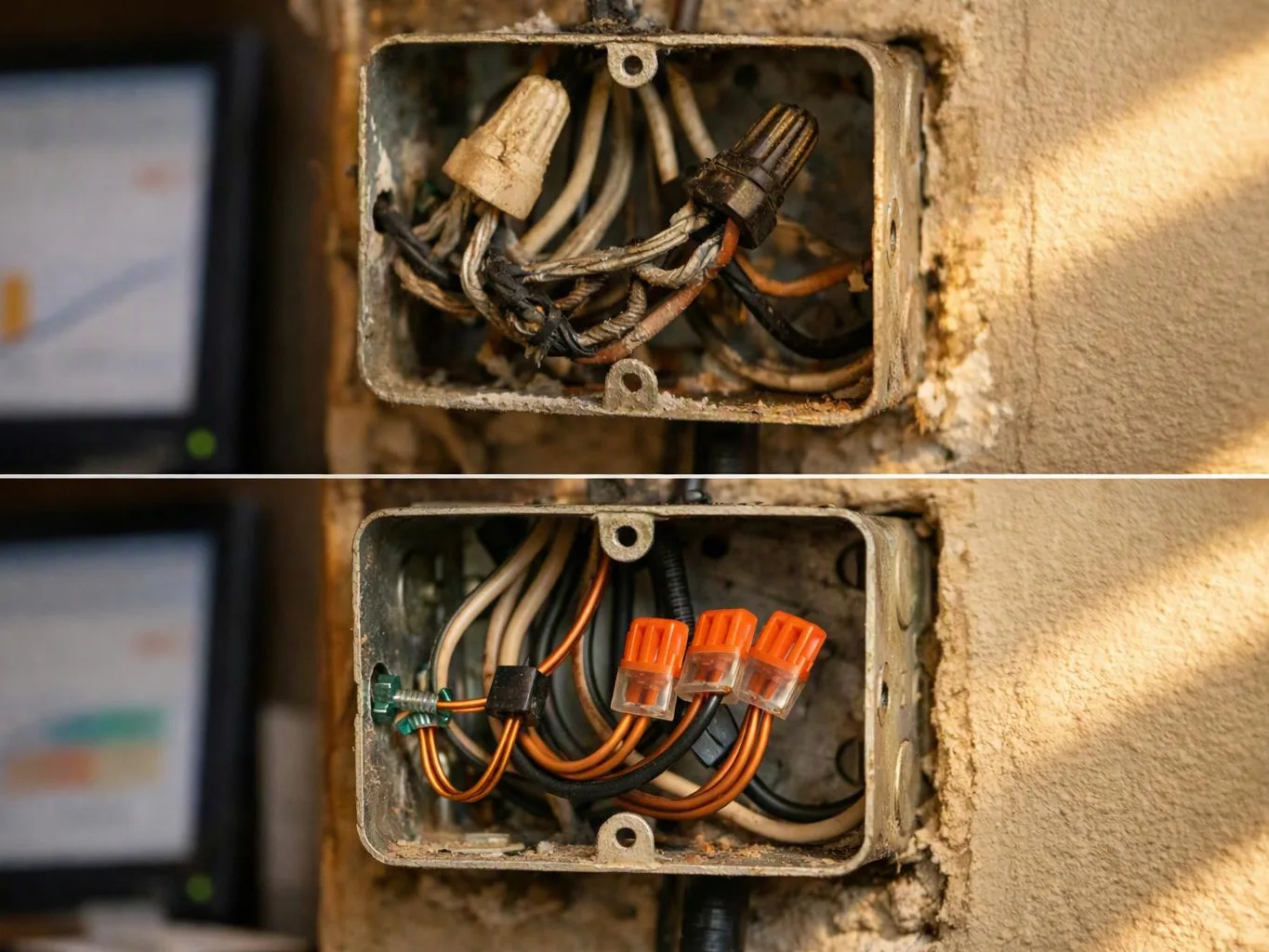
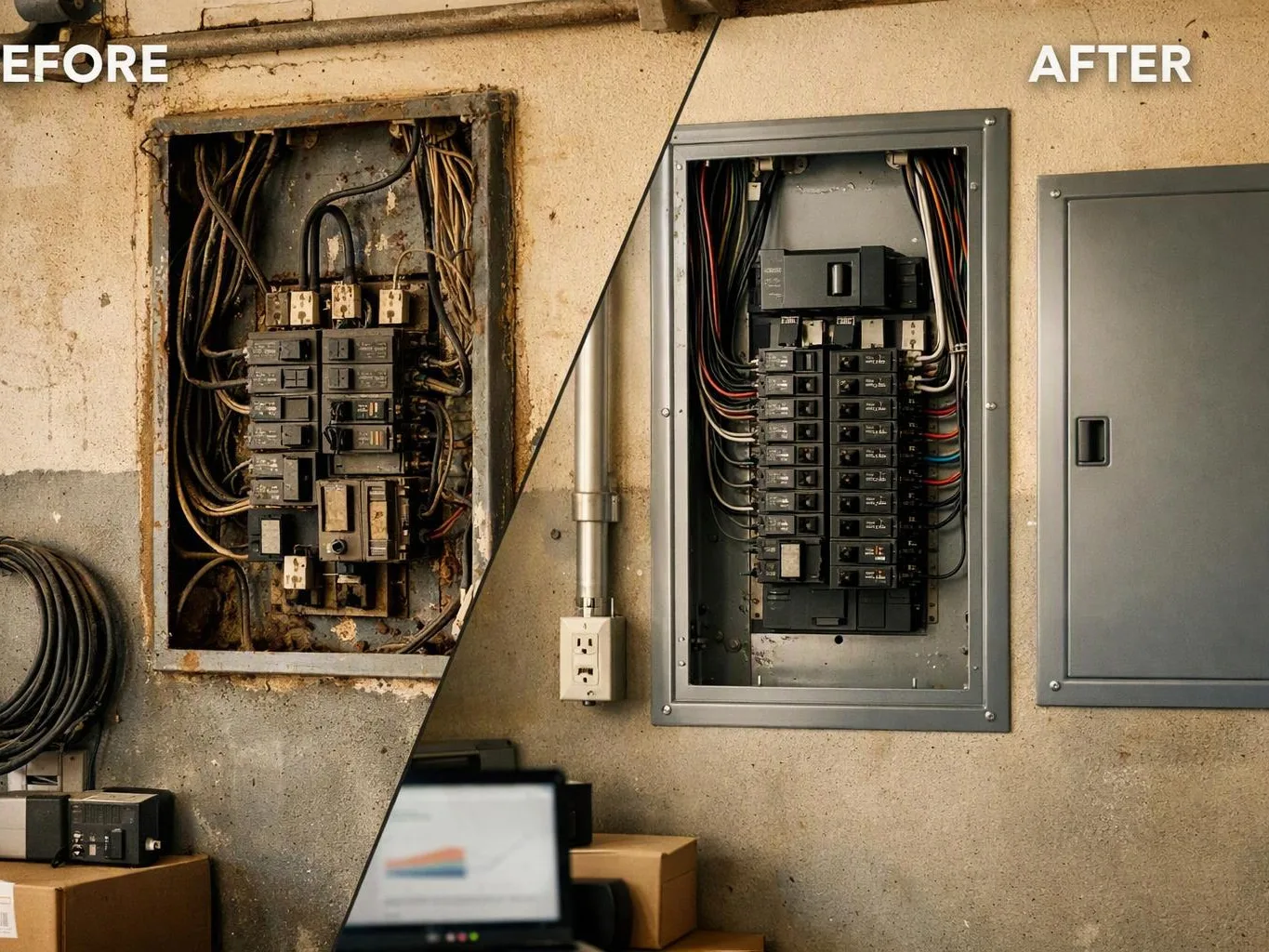
Electrical wiring is checked for visible damage, unsuitable connections, signs of overheating, and conditions that may affect safe operation. We also review the service panel, circuit breakers, branch circuits, and accessible electrical connections.
Our inspection considers whether overcurrent protection appears suited to the visible circuit arrangement. We document concerns such as loose connections, damaged wiring, overloaded circuits, and panel conditions that may require further evaluation.
Outlets, Switches, Grounding, and Safety Devices
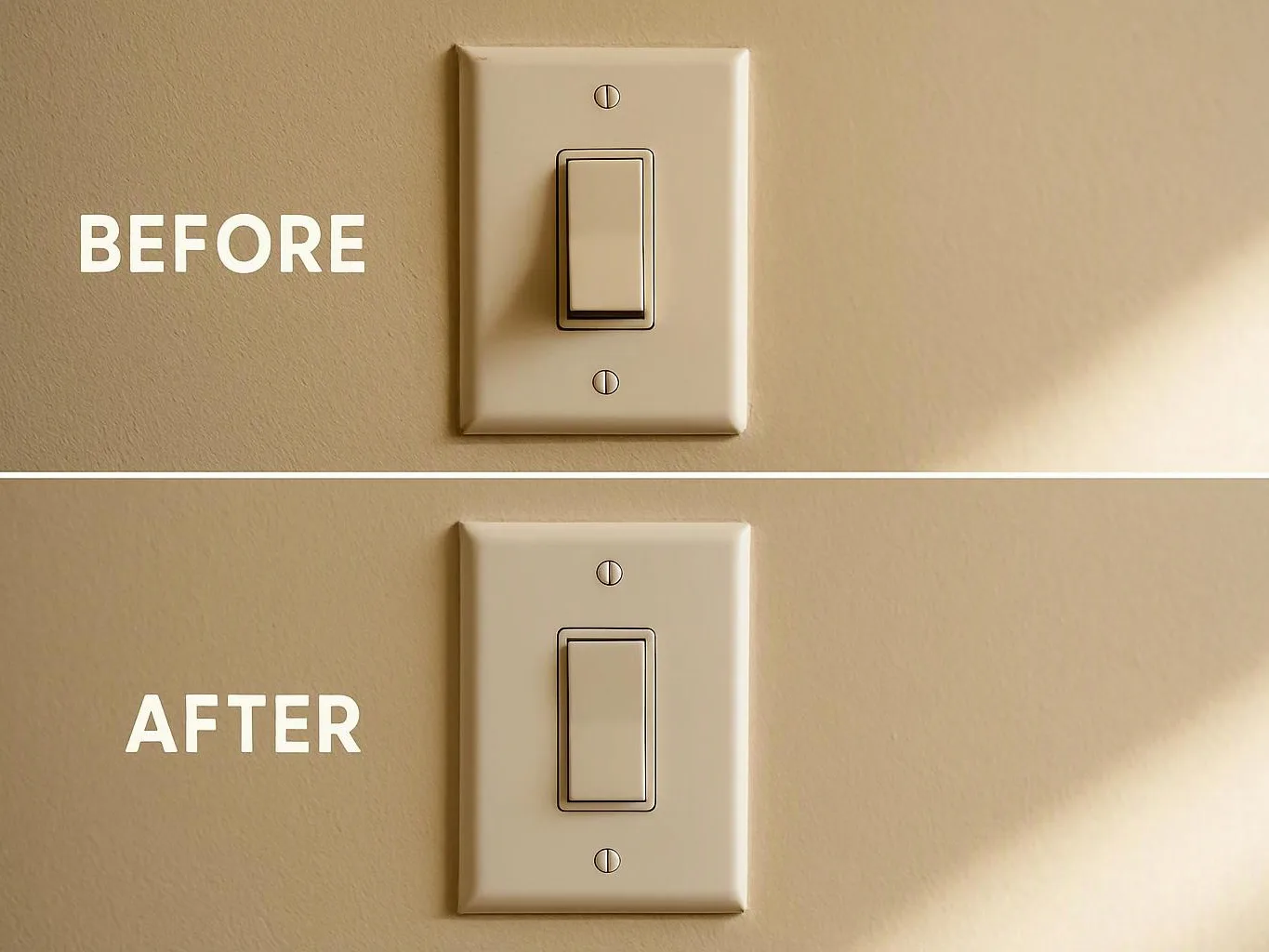
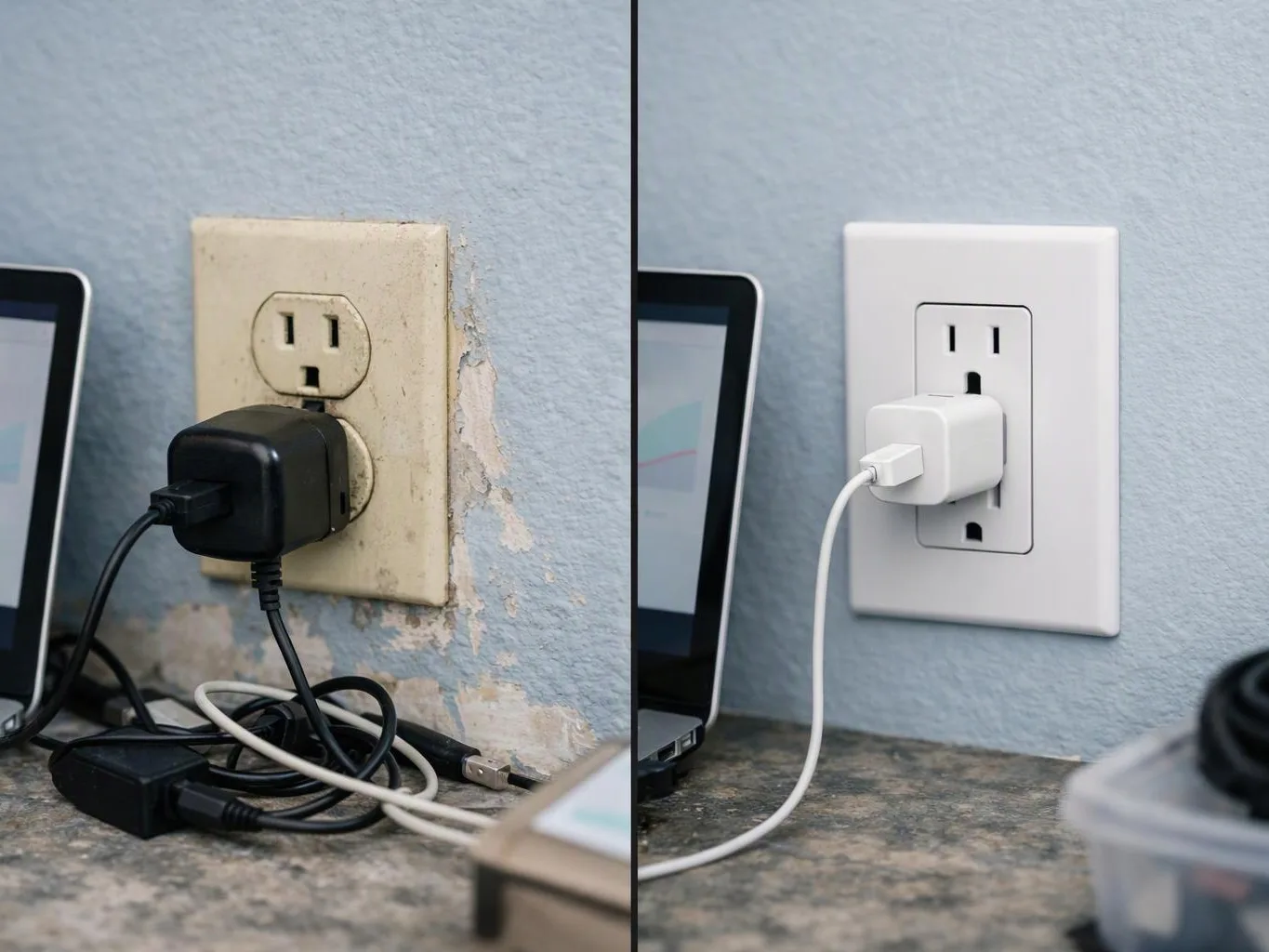
Electrical outlets and light switches are examined for visible damage, secure installation, unusual heat, and other signs of unsafe operation. We also look at accessible parts of the grounding system and bonding connections.
Our team checks visible circuit protection, including GFCI protection and AFCI protection where present or applicable to the system. The inspection can identify missing, damaged, or inaccessible safety devices that may need correction.
Electrical Safety Inspection findings explain what we observed and which issues deserve a repair priority.
What Visible Warning Signs Can Prompt an Electrical Inspection?
Visible warning signs can indicate an electrical hazard or a developing safety concern. Our team uses these symptoms to guide the inspection and identify the connected electrical components.
Do not handle damaged equipment or investigate energized parts yourself. Contact Center Electric Service when these conditions appear, especially when heat, smoke, sparks, or an electrical shock is involved.
What Common Conditions Can an Inspection Reveal?
Inspection findings can reveal damaged wiring, overloaded circuits, loose connections, missing grounding, improper modifications, and electrical code concerns. The report or explanation should separate visible safety hazards from maintenance concerns and items that need additional investigation.
We connect each observed condition to the affected electrical system component. Our repair recommendations help you decide which issue needs attention first and whether the planned work requires a broader electrical assessment.
Common Causes of Electrical Safety Concerns
Common causes include aging electrical components, unpermitted alterations, overloaded circuits, and moisture or physical damage. These causes can affect wiring, circuit protection, outlets, and connections.
When Should an Older Home Be Inspected?
An older home should be inspected when its electrical condition is uncertain, its wiring or panel is outdated, or its electrical system has not been evaluated before a safety decision. Center Electric Service reviews accessible components to help identify conditions that may affect safe use.
Aging wiring, limited electrical service capacity, knob-and-tube wiring, aluminum wiring, and fuse panels can all change the questions an inspection needs to answer. We document visible conditions and explain when additional testing or repair planning may be appropriate.
Why Schedule an Inspection Before Remodeling?
An electrical safety inspection before remodeling can identify existing hazards and system limitations that may affect the planned electrical work. We review the visible system so the remodeling plan can account for electrical load, new circuits, panel capacity, permit planning, and safety concerns.
New lighting, appliances, rooms, or equipment can place different demands on branch circuits. Our team can explain which visible conditions may affect the scope and which questions need to be resolved before work begins.
What Should New Homeowners Ask About an Electrical Inspection?
New homeowners should ask which electrical components were examined, which conditions need attention, and whether the inspection identified safety concerns or recommended repairs. An electrical inspection report should make the service panel condition, safety devices, open electrical issues, and repair priorities understandable.
We can explain what was visible during the inspection and identify areas that need follow-up. Ask whether concealed wiring, inaccessible components, or later modifications fall outside the inspection scope.
How Do Seasonal Conditions Affect Electrical Safety?
Seasonal electrical use can expose overloaded circuits, damaged outdoor components, moisture-related hazards, and unsafe connections that may warrant an inspection. Heating equipment and cooling equipment can increase demand on circuits that already have limited capacity.
Outdoor receptacles, extension cords, and moisture exposure also deserve attention during seasonal changes. We check accessible equipment and connections for visible damage, unsafe use, and conditions that may affect safe operation.
What Electrical Safety Issues Matter in Rental Properties?
Rental-property inspections focus on accessible electrical hazards, protective devices, outlets, visible wiring, and conditions that can affect tenants and property maintenance. Landlords can use the findings to plan repairs, while tenants should report warning signs promptly.
Our team checks accessible electrical components and reviews visible smoke alarms, carbon monoxide alarms, and GFCI protection. We explain conditions that may affect safe use and identify repair priorities for the property owner.
How Can You Reduce Electrical Safety Risks?
Electrical maintenance and safe everyday use can reduce avoidable electrical hazards. These steps do not replace an inspection when warning signs or uncertain conditions are present.
Our team can assess visible concerns when you cannot safely determine the cause. Use the following habits to support safer operation between inspections.
How We Document Findings and Explain Next Steps
Center Electric Service documents inspection findings from accessible components and explains the safety recommendations connected to each condition. We describe visible hazards, maintenance concerns, and repair priorities in clear terms.
Our electrical safety inspection focuses on useful decisions. We explain whether an issue may need immediate attention, repair planning, further evaluation, or continued maintenance based on what we can safely observe.
How Center Electric Service Provides an Estimate
Center Electric Service provides an estimate after reviewing the inspection scope, accessible electrical components, and visible conditions that may affect the work. Free Estimates Available applies to the estimate process described by our team.
- We discuss the reason for the electrical safety inspection and the areas you want reviewed.
- Our team identifies the accessible electrical components and visible conditions within the inspection scope.
- We explain the inspection findings, safety recommendations, and repair priorities.
- We prepare an estimate based on the requested scope and the work indicated by the findings.
Questions About Electrical Safety Inspections
Does an electrical safety inspection check inside walls?
No, an electrical safety inspection generally focuses on accessible components and visible conditions. Center Electric Service does not treat finished walls as inspected areas unless the agreed scope includes opening or investigating them.
Can an electrical inspection identify hidden wiring problems?
Yes, an electrical inspection can sometimes suggest hidden wiring problems through visible symptoms, testing results, or connected component conditions. Concealed wiring requires additional investigation when the visible evidence points to a deeper concern.
What happens if an electrical inspection finds a safety hazard?
An electrical inspection finding is reviewed by priority so unsafe conditions can be addressed appropriately. We explain the hazard, identify affected components, and provide a repair recommendation for the next step.
Should tenants report electrical warning signs before an inspection?
Yes, tenants should report flickering lights, burning odors, warm outlets, sparking, repeated breaker trips, or electrical shocks before an inspection. Early reporting helps the property owner arrange a safe response and gives our team useful information about the concern.
Center Electric Service can review accessible electrical components, explain the inspection findings, and outline practical repair priorities. Contact us to discuss the electrical safety inspection scope for your home, remodeling plan, or rental property.
Contact Center Electric Service for an inspection estimate.
Get a Free EstimateRelated Resources
Signs Your Home May Need Electrical Rewiring
Compared ToEmergency Electrician or Regular Electrician: Which Service Fits?
Brand vs BrandElectrical Safety Inspection Companies Worth Comparing in Riverside (2026)
What Goes With It24-Hour Electrical Emergencies for Renters and Small Businesses