Signs Your Home May Need Electrical Rewiring
Electrical rewiring checks warning signs in the home electrical system, and Center Electric Service evaluates overheating outlets, flickering lights, frequent circuit trips, outdated wiring, damaged insulation, and aluminum wiring concerns before planning the appropriate work.
Get a Free Estimate
What Signs Suggest a Home May Need Electrical Rewiring?
Warning signs such as overheating, flickering lights, repeated circuit trips, damaged wiring, and outdated electrical components can indicate that a home needs an electrical evaluation for rewiring. Electrical safety depends on finding the component connected to each symptom.
Electrical rewiring may involve one branch circuit, several parts of the system, or the entire home. We use the visible signs as a starting point and inspect further before recommending work.
Why These Electrical Warning Signs Matter
Electrical warning signs matter because heat, loose connections, and damaged insulation can create electrical hazards. An overloaded circuit may cause a circuit breaker to trip, while poor connections can produce electrical arcing.
Electrical insulation helps keep current contained around conductors. When insulation is damaged, heat and contact with other materials can increase fire risk. We trace the affected circuit, inspect accessible connections, and identify whether the problem calls for repair or rewiring.
What Can You Safely Check Before Rewiring?
You can look for visible damage, unusual heat, odors, buzzing, and recurring power problems, but Center Electric Service must inspect concealed wiring and energized components.
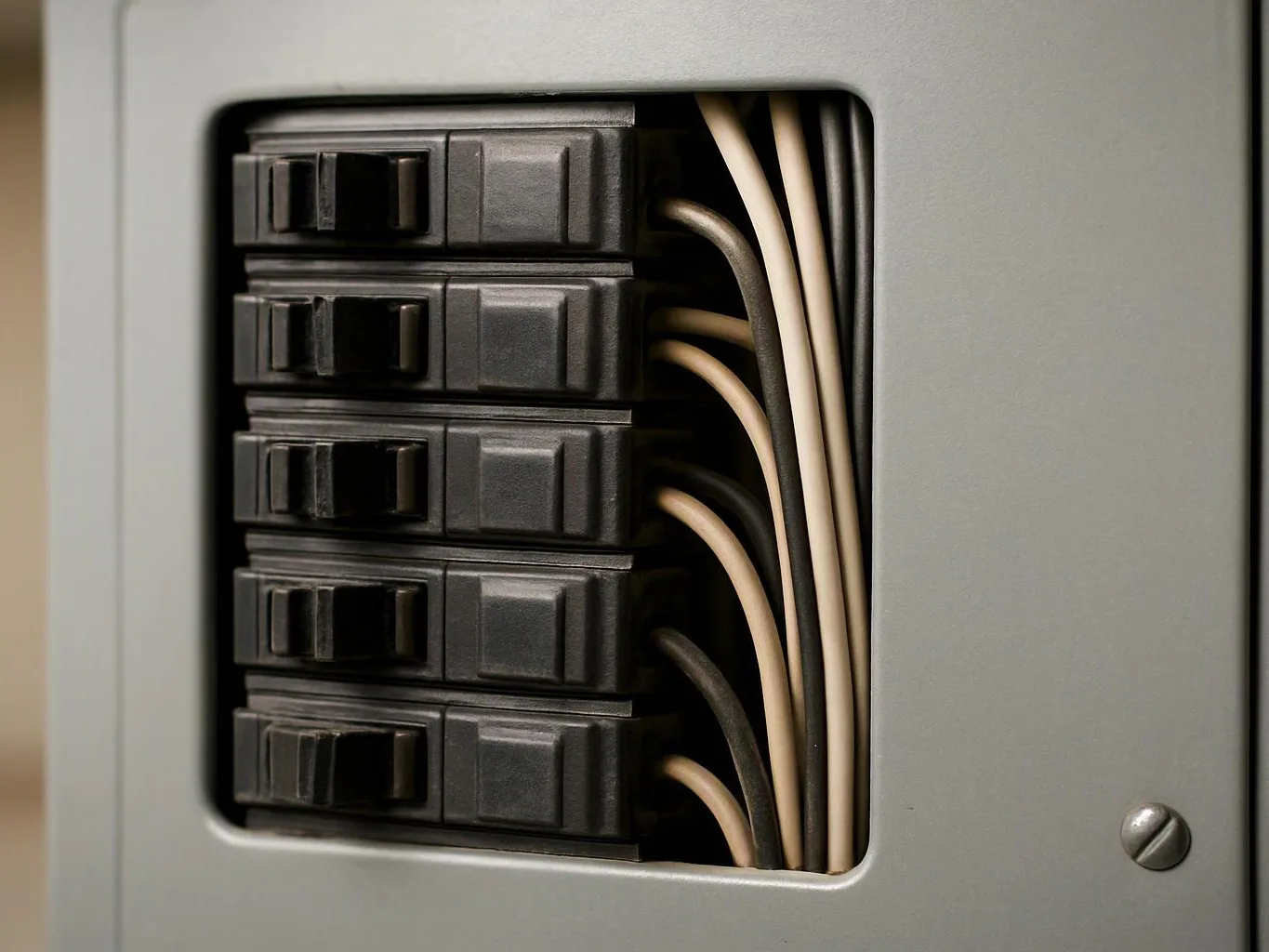
A homeowner visual inspection can include the electrical panel, outlets, and switches. Look for burn marks, cracked covers, exposed wiring, or loose receptacles without removing covers or touching wiring.
Do not open the electrical panel, test energized components, or pull an outlet from its electrical box. Our team checks concealed wiring and connections with the equipment and procedures needed for an electrical safety inspection.
DIY Checks vs. Electrical Rewiring Work
Homeowner safety starts with visual observation and power isolation when a device appears damaged. Electrical inspection, circuit testing, and electrical rewiring require our team to assess the system and control the work area.
The comparison below shows where safe observation ends and electrical work begins.
| Factor | What you can do yourself | What we do |
|---|---|---|
| Visual condition | Look for burn marks, discoloration, odors, heat, or exposed wiring without touching damaged parts. | We inspect accessible components and determine whether damage extends into wiring or connections. |
| Power safety | Stop using equipment that is hot, burned, buzzing, or producing an odor. | We isolate affected circuits and establish safe conditions for inspection. |
| Circuit testing | Reset a tripped circuit breaker only when there is no sign of damage or an ongoing fault. | We test circuits, connections, grounding, and protective devices as part of the assessment. |
| Electrical rewiring | Do not remove covers, splice wires, or replace concealed wiring. | We prepare and complete the rewiring plan based on the system condition and affected circuits. |
How We Assess a Home for Rewiring
Center Electric Service assesses the electrical panel, accessible wiring, circuits, grounding, connections, and visible damage before recommending partial repairs or whole-house rewiring.
We review the condition of branch circuits and check whether the panel and circuit breaker protection match the system’s needs. We also look for grounding problems, damaged insulation, loose connections, and signs of electrical arcing.
Our findings guide the rewiring plan and help identify code compliance work, panel changes, or access needs. The result may be a focused repair, branch circuit rewiring, or a broader electrical system upgrade.
When Does a Home Need Whole-House Rewiring?
Whole-house rewiring may be needed when outdated or damaged wiring affects multiple circuits, the electrical system cannot safely support household demand, or localized repairs would not address the broader condition.
Aging wiring can limit circuit capacity and make later electrical upgrades harder to plan. We compare the condition of the branch circuits, electrical panel, grounding, and connections before deciding whether a whole-house approach is appropriate.
Planning a whole-house rewiring project also involves mapping circuits, identifying wall access, protecting finished areas, and coordinating the replacement sequence. Our team uses those conditions to build a practical rewiring plan.
How Is Aluminum Wiring Replacement Planned?
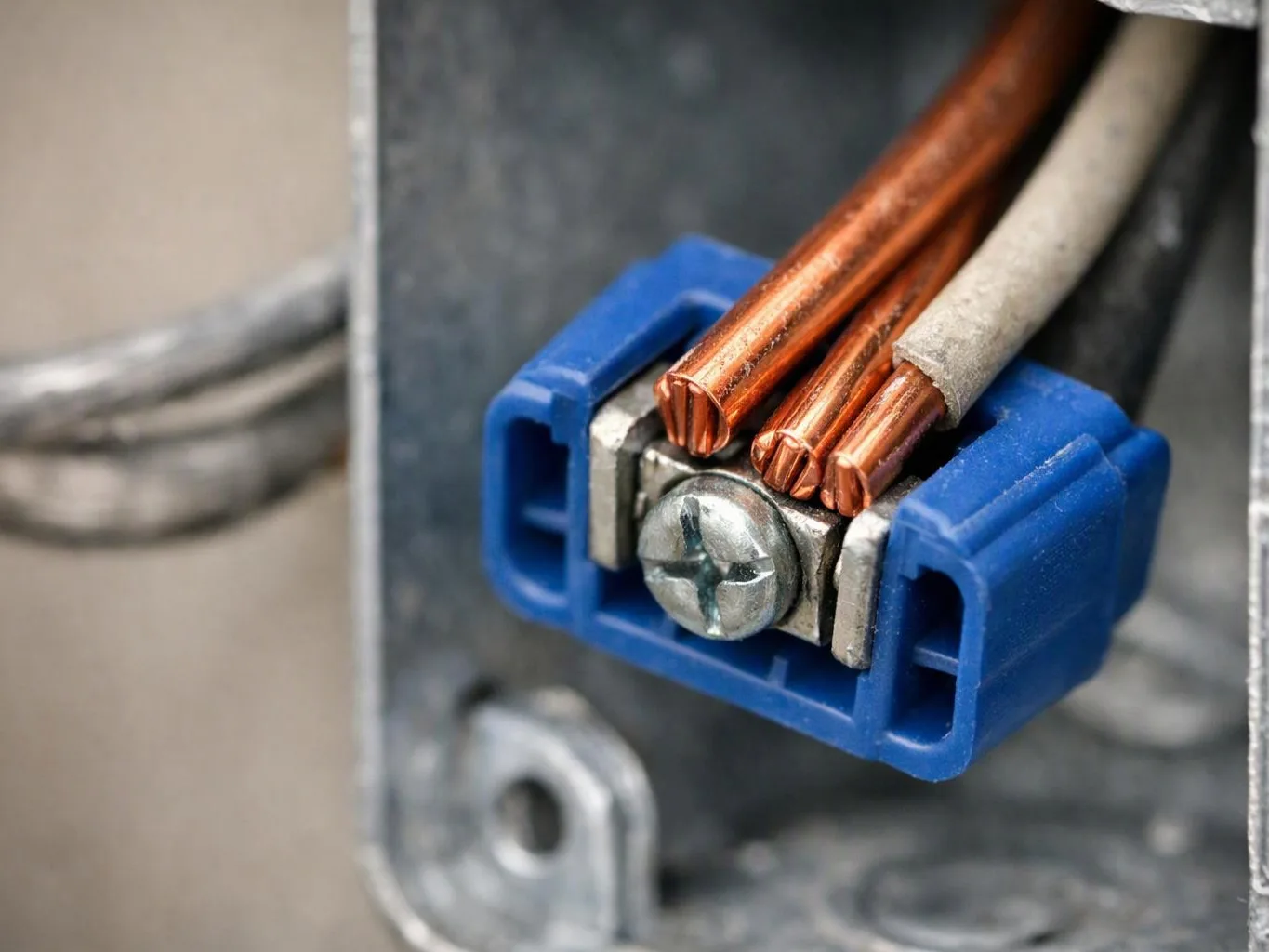
Aluminum wiring replacement starts with identifying where aluminum conductors and connections are present, assessing their condition, and planning compatible replacement or approved connection work.
Aluminum conductors require careful attention at terminals and other electrical connections because connection condition affects heat and reliability. We trace the affected branch circuits and document where aluminum wiring is present.
Depending on the system condition, the plan may include copper wiring, approved connection methods, or replacement of affected branch circuits. We select the approach after inspecting the wiring and its connections.
What Changes the Scope of an Electrical Rewiring Project?
The scope of an electrical rewiring project depends on wiring condition, affected circuits, panel requirements, access to concealed wiring, grounding needs, and the finish work required after installation.
Home size and circuit layout affect how much wiring must be reached, replaced, labeled, and tested. Wall access can also change the installation plan and the restoration needed around electrical boxes.
We review the electrical panel, branch circuits, grounding conductors, electrical boxes, and permit requirements before defining the work. Our estimate separates the electrical tasks from access and finish restoration needs.
How We Prepare an Electrical Rewiring Estimate
Center Electric Service prepares an electrical rewiring estimate from the inspection findings, the rewiring plan, and the project conditions that affect installation.
What Questions Should You Ask About Rewiring?
Good rewiring questions focus on the condition found, the work included, and how the completed system will be checked. Ask us to explain the plan in terms of the affected circuits and components.
What Should You Do After Noticing Rewiring Warning Signs?
Stop using visibly damaged or overheating electrical equipment, avoid opening energized components, and contact Center Electric Service for an electrical safety inspection and rewiring assessment.
Power isolation can reduce exposure to an immediate electrical hazard, but turning off a circuit does not repair damaged wiring. Our team identifies the affected equipment, checks the circuit, and explains the next step for electrical rewiring.
If you notice smoke, active sparking, or a burning odor, leave the area and contact emergency services when needed. Do not touch the electrical panel or damaged equipment while the hazard remains.
Questions About Home Electrical Rewiring
Can flickering lights mean a house needs rewiring?
Yes, flickering lights can indicate loose connections, overloaded circuits, or wiring problems that need an electrical inspection. Center Electric Service traces the affected circuit and determines whether the remedy involves a connection repair, circuit work, or rewiring.
Is aluminum wiring a reason to replace a home's electrical wiring?
Aluminum wiring can be a reason to plan replacement or approved connection work when its conductors or connections show unsafe conditions. We identify the affected circuits, assess their condition, and select a compatible aluminum wiring replacement approach.
Should I turn off power if an outlet smells hot or looks burned?
Yes, turn off power to the affected outlet or circuit only if you can do so safely, and stop using the outlet. Do not touch the burned area or open the electrical box; contact us for an electrical safety inspection.
Can partial rewiring solve electrical problems in an older home?
Yes, partial rewiring can solve problems when the damage or outdated wiring is limited to specific circuits and the broader system remains suitable. We inspect the panel, branch circuits, grounding, and connections before recommending partial or whole-house rewiring.
What should an electrical rewiring estimate include?
An electrical rewiring estimate should identify the affected circuits, wiring and panel work, grounding needs, material selection, access requirements, testing, and finish restoration. We explain the project scope and provide Free Estimates Available for the planned work.
Plan Your Electrical Rewiring Assessment
Center Electric Service can inspect the warning signs, evaluate the home electrical system, and prepare a clear plan for repairs, aluminum wiring replacement, or whole-house rewiring. Contact us to arrange an electrical safety inspection and discuss the next step.