Electrical Code Correction: What the Process Involves
Electrical code correction involves inspecting the electrical system, identifying unsafe or noncompliant conditions, planning the required repairs, addressing permits and inspections, and verifying the completed work. Center Electric Service performs the correction process, with Free Estimates Available for planning the work.
Get a Free Estimate
What Is Electrical Code Correction?
Electrical code correction is a safety repair process that brings an electrical installation into alignment with applicable code requirements and safe operating practices.
Electrical code correction addresses noncompliant electrical work that could create an electrical hazard or prevent an electrical system from operating safely. Center Electric Service reviews the condition, explains the corrective work, and verifies the completed repairs.
What Signs Can Indicate a Code Correction Is Needed?
Several visible or repeated problems can point to a need for code correction. We inspect the affected equipment and wiring before recommending corrective work.
These signs can have more than one cause. Our team uses electrical testing to identify the source and determine whether the issue involves circuit protection, wiring, grounding, or connected equipment.
What Common Conditions Lead to Electrical Code Correction?
Common code correction work begins with installation conditions that no longer provide safe operation or do not meet applicable electrical code requirements. We trace each condition to the part of the system that needs attention.
Remodeling can expose these conditions when new equipment connects to existing wiring. We review the electrical panel, branch circuits, and affected equipment as one system.
How Does the Electrical Code Correction Process Work?
Electrical code correction follows a traceable process from inspection findings through repair verification. Our team explains the repair plan and the permit requirements that apply to the work.
How We Identify the Required Repairs
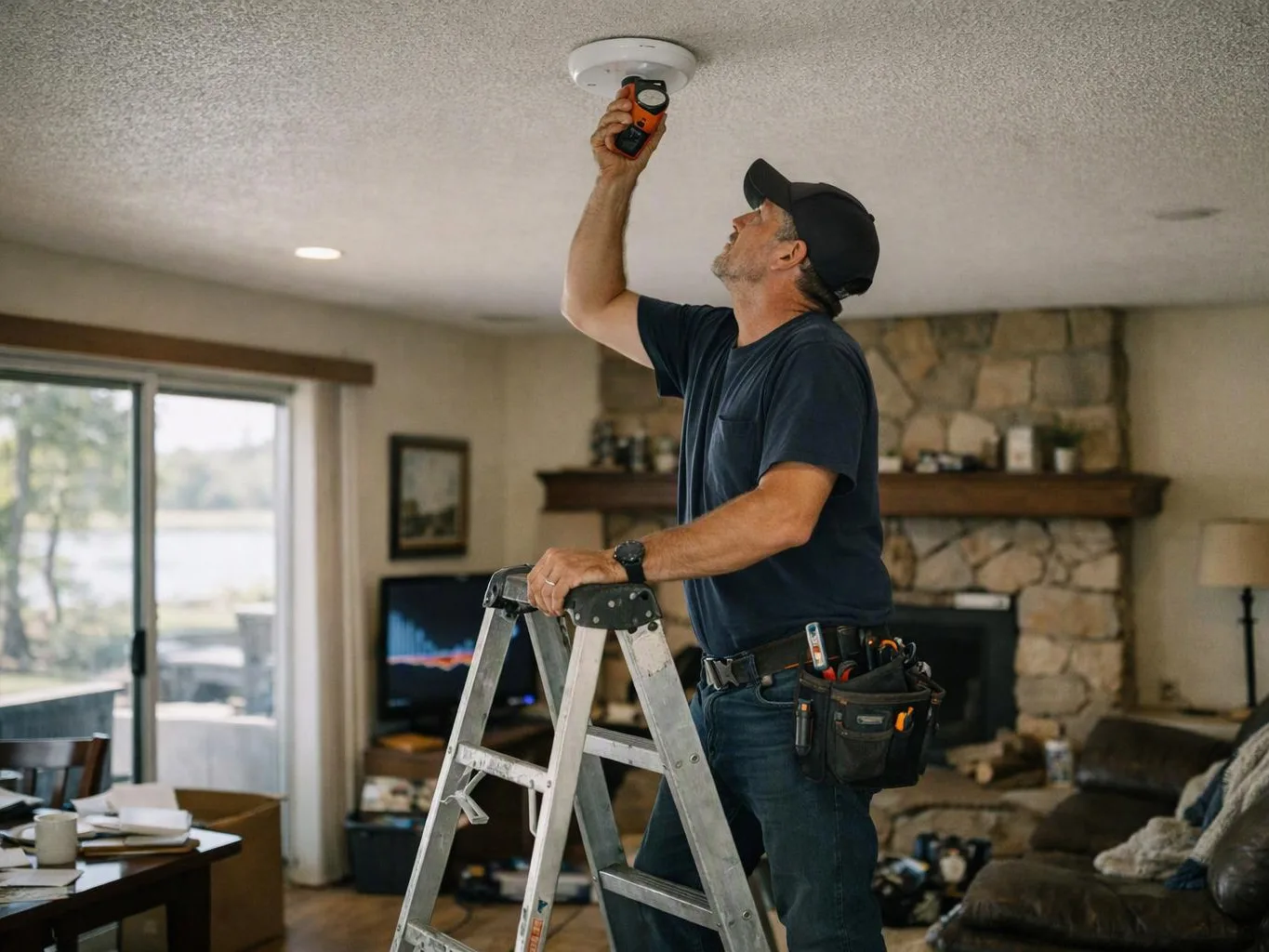
Center Electric Service identifies required repairs through electrical testing, a wiring inspection, and an electrical panel inspection. We examine the grounding system and the connections that affect circuit protection.
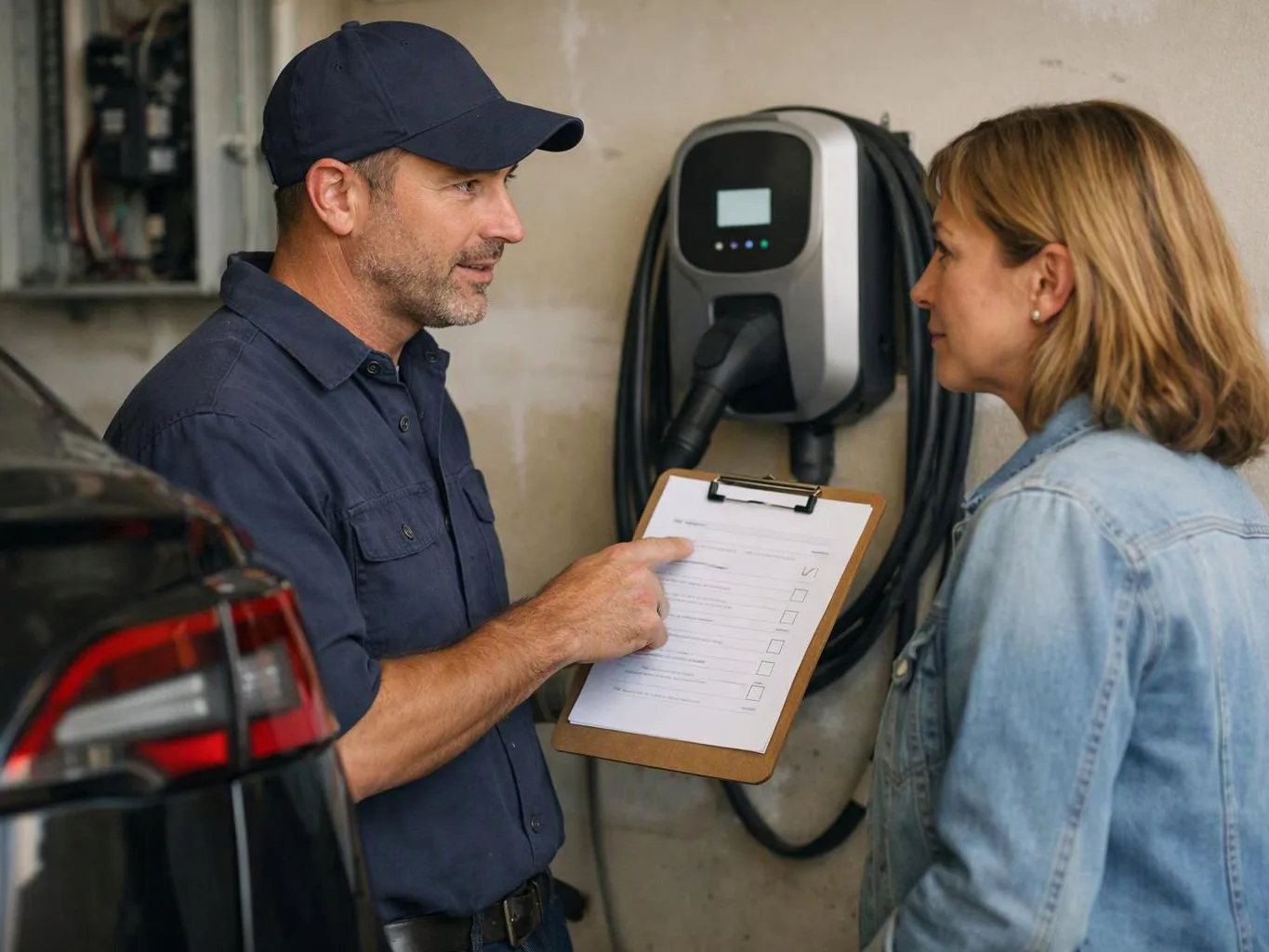
Our team separates urgent safety concerns from work that can be planned with other corrective tasks. We then explain the repair documentation, inspection steps, and verification needed to close out the work.
Which Electrical Conditions May Need Correction?
Different electrical components can require different forms of corrective work. The table shows common conditions and the type of review we perform.
| Area | Conditions We Review | Possible Correction |
|---|---|---|
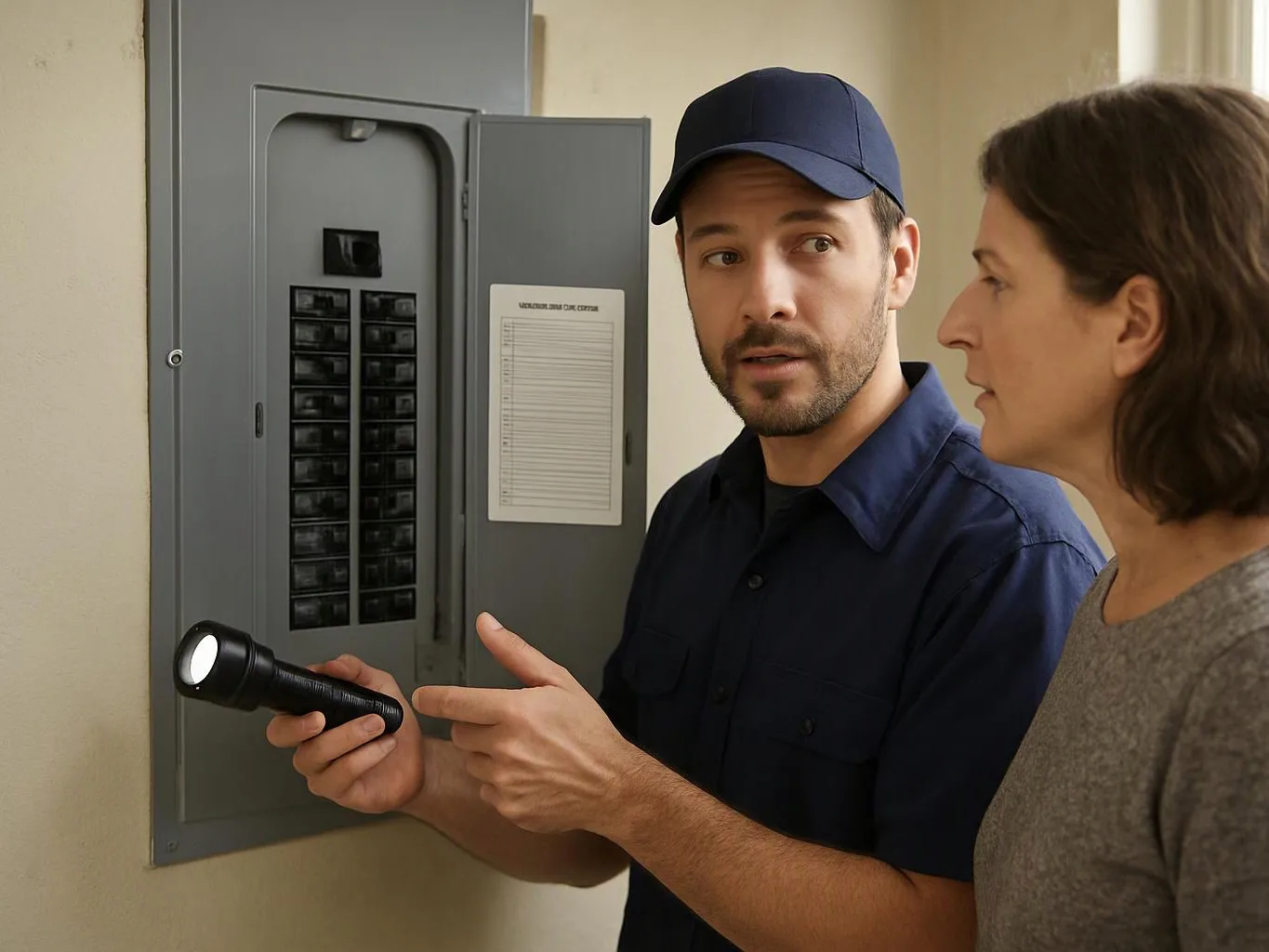
| Electrical panel | Heat damage, loose connections, labeling concerns, or unsuitable circuit protection | Panel correction, connection repair, or circuit protection work |
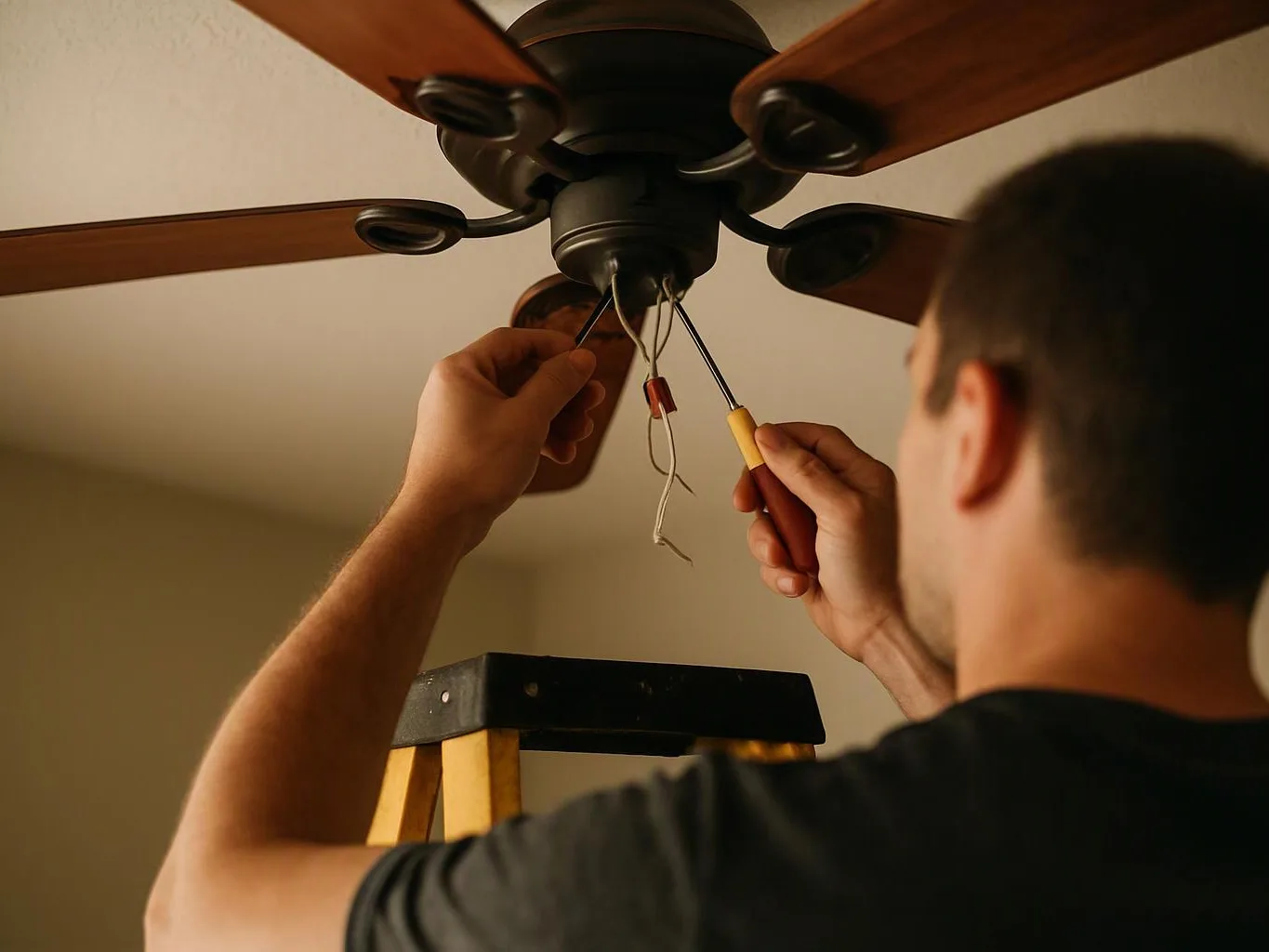
| Circuit wiring | Damaged insulation, incorrect connections, or overloaded circuits | Wiring correction, circuit changes, or rewiring |
| Grounding and bonding | Missing, damaged, or incomplete grounding and bonding connections | Grounding correction and bonding repairs |
| Receptacle or switch | Loose mounting, damage, incorrect connections, or protection concerns | Outlet or switch correction and circuit testing |
| Junction box | Missing covers, exposed splices, or limited access to connections | Connection repair, enclosure correction, or access improvement |
| Outdoor electrical equipment | Weather exposure, damaged enclosures, or grounding concerns | Equipment correction and review of electrical permit requirements |
The required repair depends on the condition found and how the component connects to the rest of the system. We document the affected area and verify the correction after the work is complete.
How Do Remodeling Projects Affect Electrical Code Correction?
Electrical code correction during a remodel may require existing wiring, circuits, grounding, and newly installed equipment to be reviewed together before the project is completed.
Home remodeling can change circuit loads and expose older wiring that was not designed for new equipment. We complete a load calculation, review the existing wiring, and plan any electrical rewiring or new circuit work.
An electrical permit may apply when the project changes circuits, equipment, or other parts of the electrical system. Our team explains the permit requirements and coordinates the repair plan with the remodeling scope.
What Should Homeowners Consider Before Selling a Home?
Electrical code correction before a home sale can address visible safety concerns, unresolved inspection findings, and documentation questions before they affect the transaction.
A home sale may involve an electrical safety inspection that identifies unsafe wiring, missing protection, or unpermitted electrical work. We review the findings, explain the corrective work, and provide repair documentation for the completed scope.
Clear records can help show what was inspected and which repairs were completed. Our team also verifies the corrected system so the repair documentation reflects the work performed.
How Can Electrical Code Problems Be Prevented?
Routine attention to the electrical system can reduce conditions that lead to code correction work. We help identify concerns before they become larger repair issues.
Safe operation depends on the whole system, not one outlet or breaker. We test related components when a problem suggests a wider issue.
What Changes the Quote for Electrical Code Correction?
The electrical code correction quote depends on the conditions found, the repair scope, access to affected wiring, panel work, rewiring needs, and permit requirements.
Repair materials and the location of the problem can also affect the work involved. Center Electric Service reviews these factors during the inspection and explains what the estimate covers.
To obtain an exact quote, contact our team so we can inspect the affected electrical system and prepare a repair plan based on the actual conditions.
Questions About Electrical Code Correction
Can older wiring require electrical code correction?
Yes, older wiring can require electrical code correction when its condition, connections, grounding, or circuit protection creates a safety concern. Center Electric Service inspects the wiring and explains whether repair, circuit correction, or rewiring is needed.
Does electrical code correction always require a permit?
No, electrical code correction does not always require a permit. Permit requirements depend on the repair scope and applicable local rules, so we review that issue as part of the repair plan.
Can electrical code correction be completed before a home sale?
Yes, electrical code correction can be completed before a home sale when the repair scope, access, and permit requirements are addressed. We document the corrective work and verify the completed system.
What happens if an electrical inspection finds a code violation?
An electrical inspection finding leads to a review of the affected condition, diagnostic testing, a repair plan, and repair verification. We explain the corrective work and address inspection steps that apply to the project.
When does electrical code correction require rewiring?
Electrical code correction may require rewiring when existing conductors, insulation, connections, circuit capacity, or grounding cannot support safe operation or the planned changes. We inspect the affected wiring and recommend rewiring only when the conditions and repair scope call for it.
Center Electric Service can inspect the electrical system, explain the correction scope, and prepare a repair plan for your property.
Contact Center Electric Service to discuss electrical code correction and obtain an estimate.