What methods are used for aluminum wiring replacement?
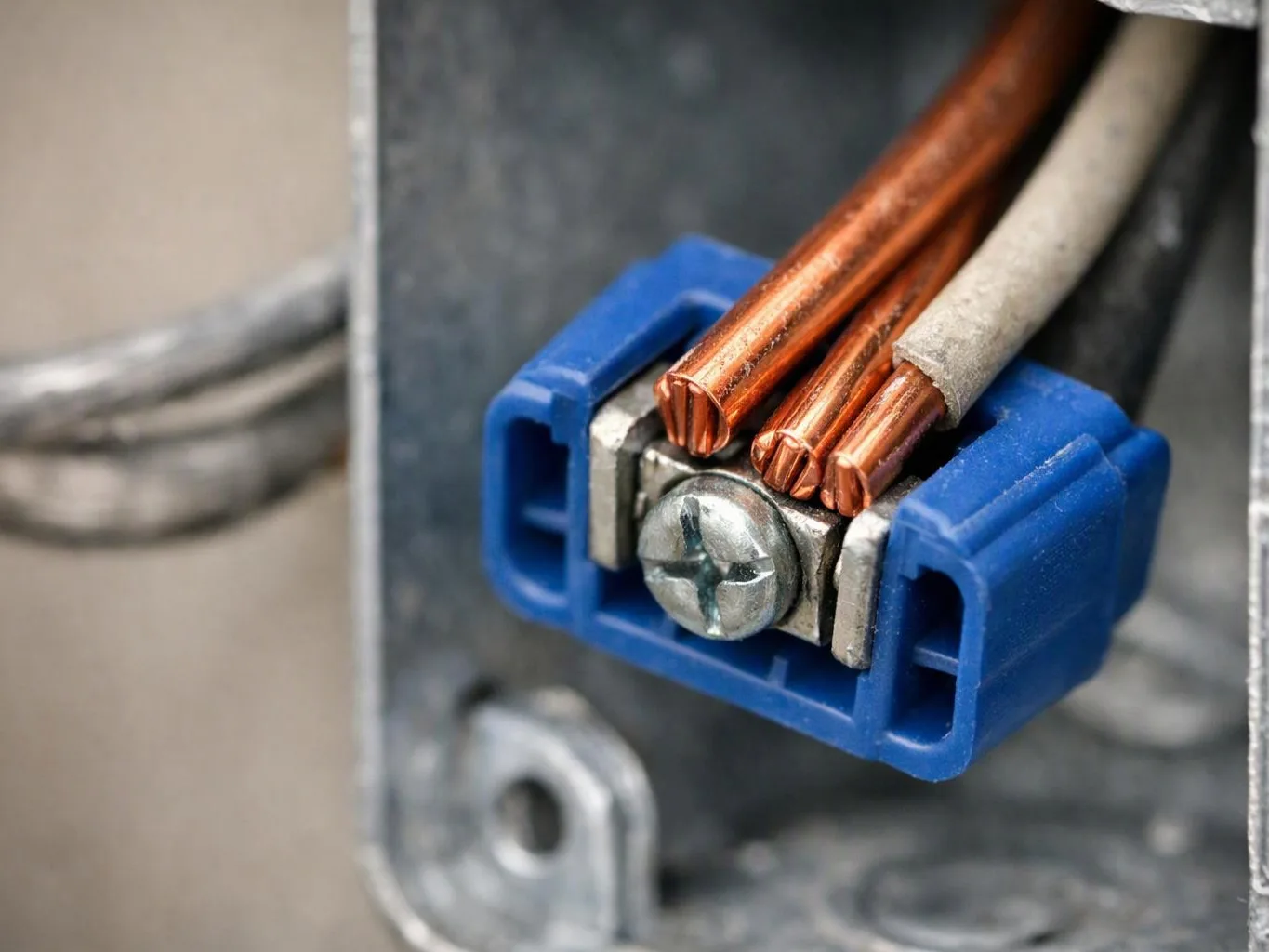
Terminal treatment is one method used for aluminum wiring replacement. We may also use approved connectors, pigtail connections, or copper rewiring after inspecting the conductors and connection points.
The selected method depends on the wiring condition, device connections, access, and repair scope. Center Electric Service explains the method before work begins.
What does the crew look at first during this wiring work?
Connection points receive the first inspection because loose or damaged terminals can affect circuit safety. We check outlets, switches, splices, conductor ends, insulation, and signs of heat.
Circuit tracing follows when the symptom does not identify the full affected branch. That step helps us set a focused repair scope.
How do pigtail connections fit this repair?
Pigtail connections link an existing aluminum conductor to a device lead when the wiring condition supports that method.
We inspect the conductor and terminal before choosing this approach. The connection must fit the device, accessible box space, and repair conditions. Our team then tests the circuit after completing the connection.
Which signs suggest a connection needs inspection?
Warm switch plates, flickering lights, burning smells, buzzing, and loose outlets suggest that connection points need inspection.
We check the affected circuit instead of judging the issue from one symptom. Stop using a device that smells hot or shows discoloration, and request an electrical assessment.
When is copper rewiring a better fit?
Copper rewiring is a better fit when affected aluminum wiring needs broader replacement or localized connector work does not suit the circuit.
We review conductor condition, access, circuit layout, and device connections before recommending that path. The estimate explains the areas included in the proposed wiring work.
Why can a breaker keep tripping after wiring work?
A repeated trip can point to an overload, damaged connection, short circuit, or another fault on the branch circuit.
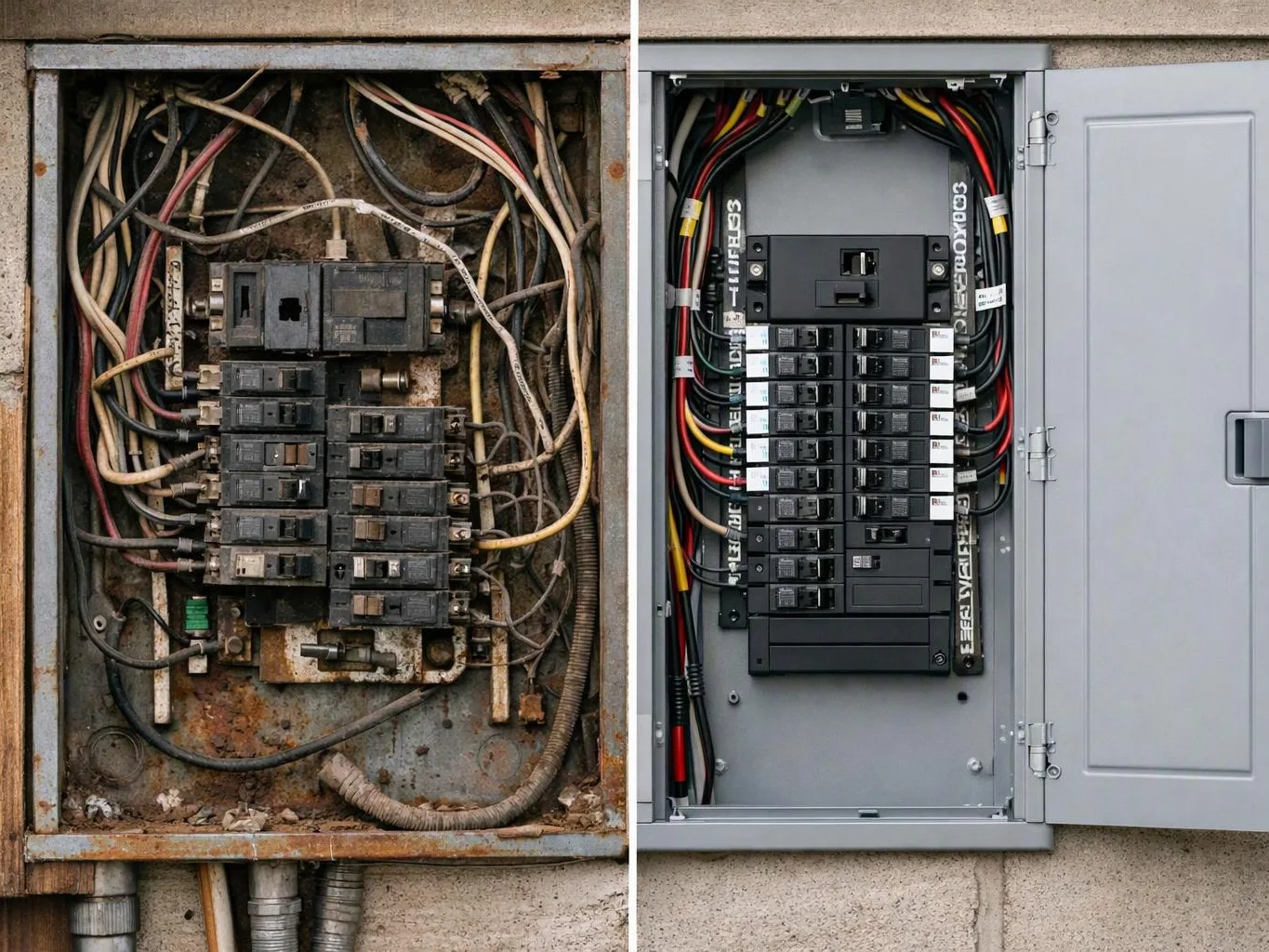
We test the circuit and inspect aluminum conductors, outlets, switches, and splices. A panel change is not automatically the answer, because the fault may be within the branch wiring.
What should be checked before replacement is scheduled?
The property should identify affected rooms, visible symptoms, recent electrical changes, and any access limits before replacement is scheduled.
Photos of warm plates, damaged outlets, or panel labels can help describe the issue. We still inspect the wiring on site before selecting approved connectors, pigtail connections, or copper rewiring.