How can aluminum wiring problems be identified?
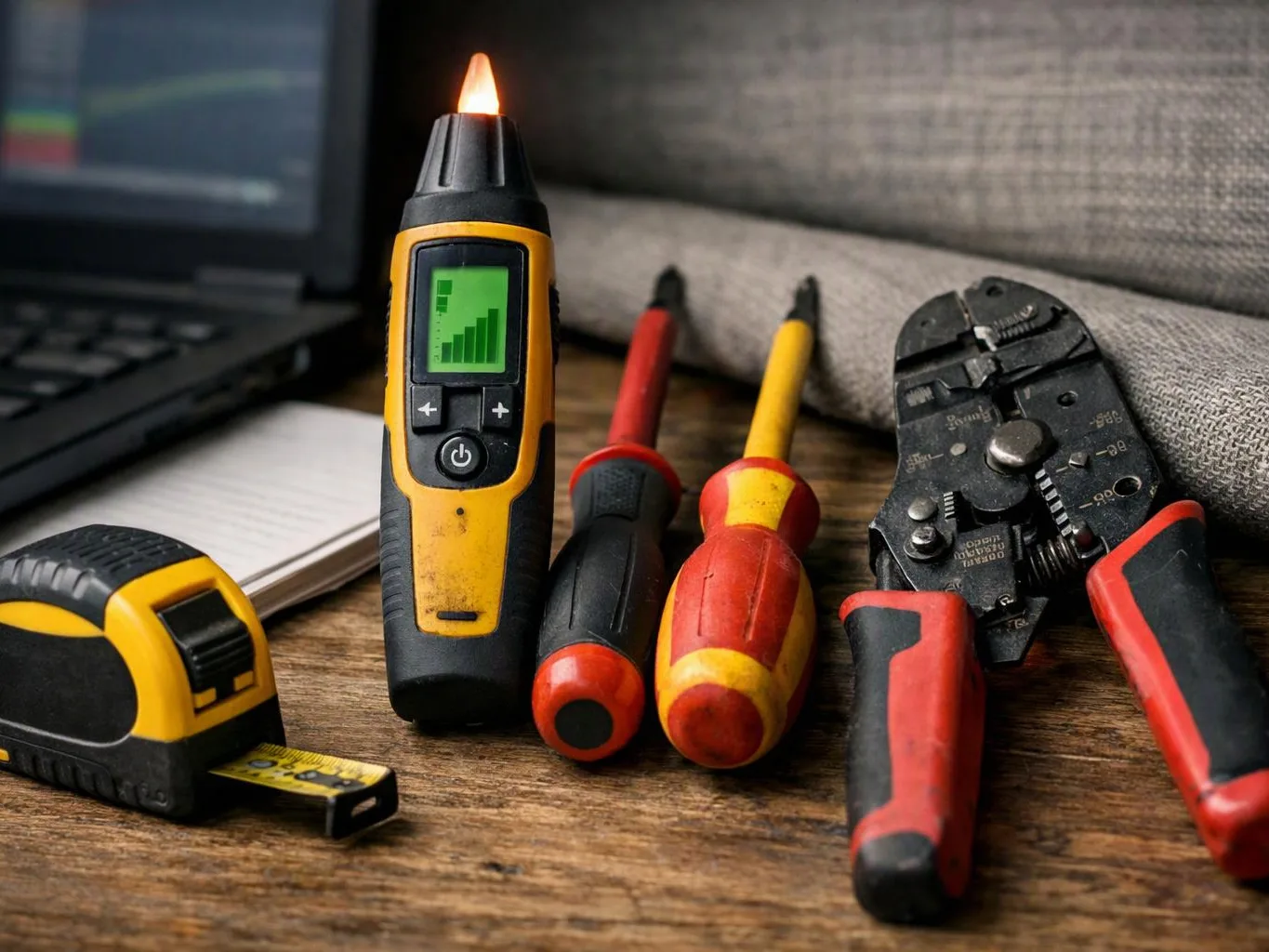
Flickering lights can reveal aluminum wiring problems, but visual symptoms alone do not confirm the cause. We inspect wire markings, warm outlets, discolored plates, terminal condition, and circuit load. Circuit tracing helps connect the symptom to the affected branch circuit. Center Electric Service then explains whether the job needs a connection repair, partial replacement, or broader rewiring.
Which part of the property decides the wiring replacement scope?
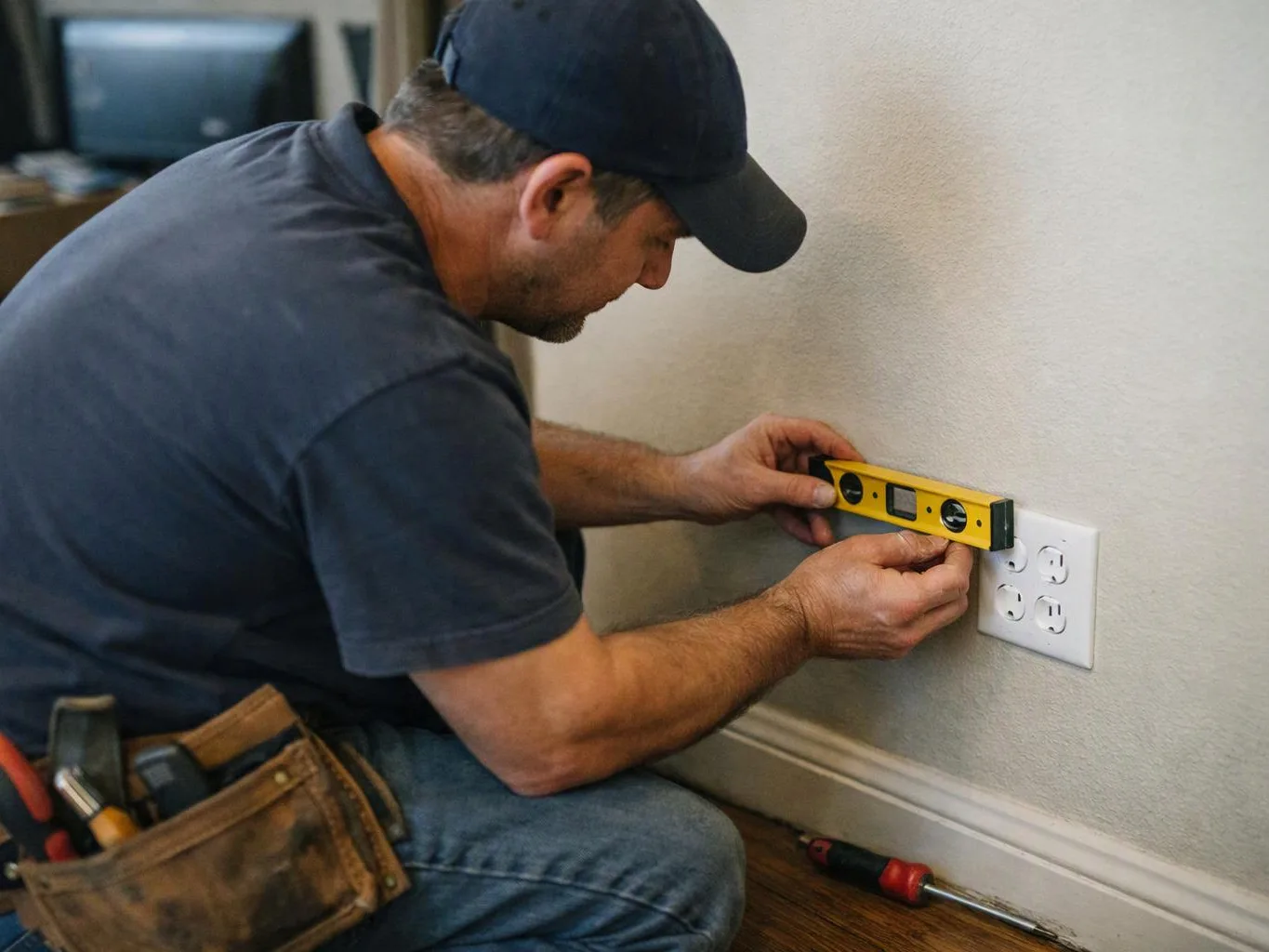
The affected branch circuit decides the initial replacement scope. We trace wiring from the panel through outlets, switches, junction boxes, and connected loads. Access also matters because covered or enclosed wiring needs a different work plan. The inspection shows whether one circuit, several devices, or a wider section needs attention.
What material changes the time needed for this wiring work?
The existing conductor material changes the work plan because aluminum wiring needs careful inspection at each connection. Copper conductors, aluminum conductors, insulation, device terminals, and accessible junction boxes each affect the work involved. We identify the materials first, then explain the expected scope without promising an unsupported duration.
When should a warm outlet stop being used?
A warm outlet should stop being used until we inspect it. Heat can come from a loose terminal, damaged conductor, overloaded circuit, or failing device. Turn off the circuit if you can do so safely, keep the area clear, and request an electrical assessment. Do not remove the cover or tighten wiring yourself.
Why do discolored plates matter during a wiring inspection?
Discolored plates can show heat near an outlet or switch connection. We remove the device cover when safe, inspect the terminal and conductor, and trace the circuit for related signs. A plate alone does not set the replacement scope. The wiring condition and test results determine the next electrical step.
How does a wiring visit move from the first call to the last step?
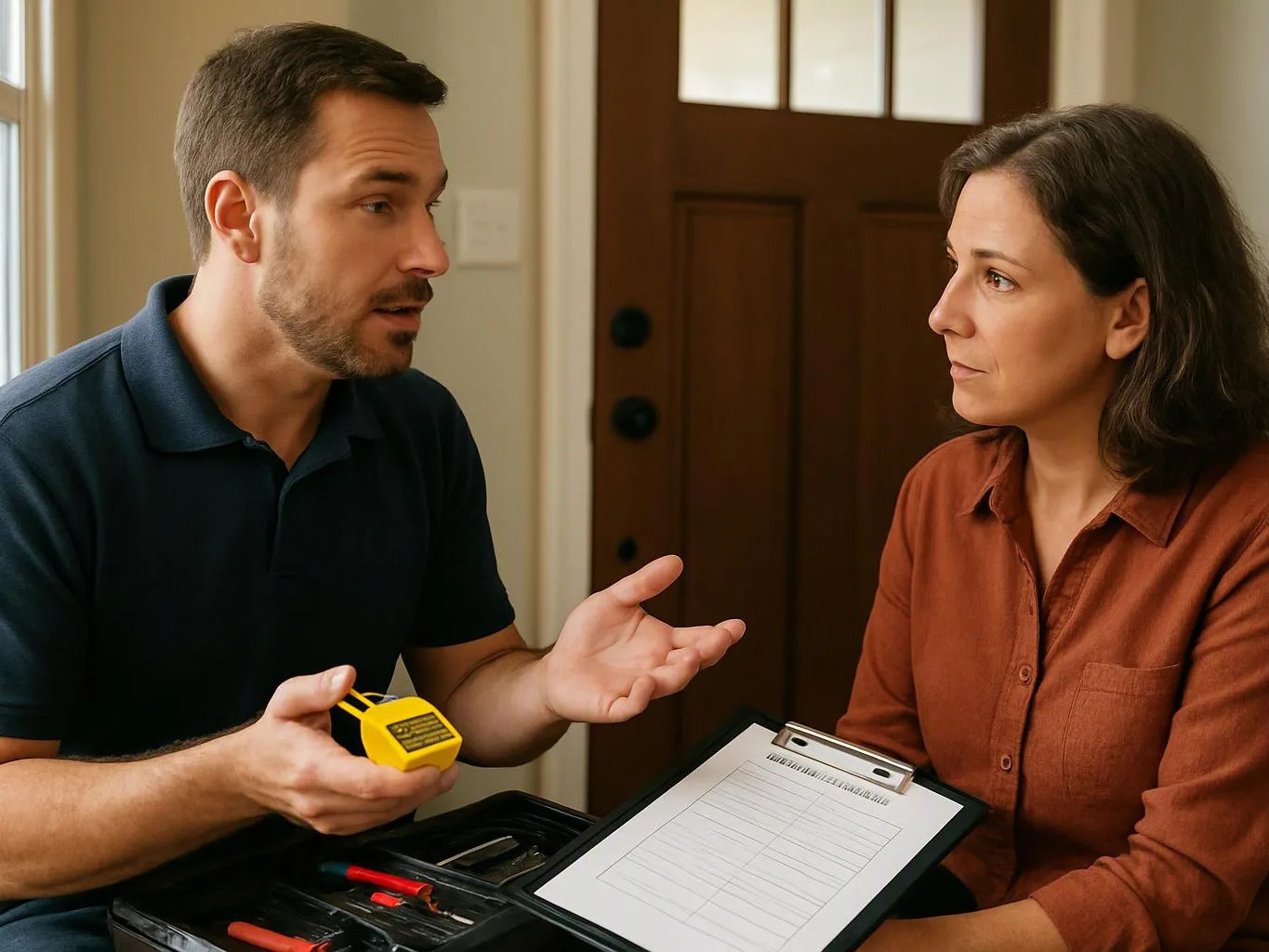
The visit moves from symptom review to circuit inspection, scope planning, approved wiring work, and testing. We first record the affected rooms and devices, then trace the circuit and inspect connection points. Customers receive a quote before planned work begins. After replacement, we test the circuit and explain remaining concerns.
Which electrical issues need more than wiring replacement?
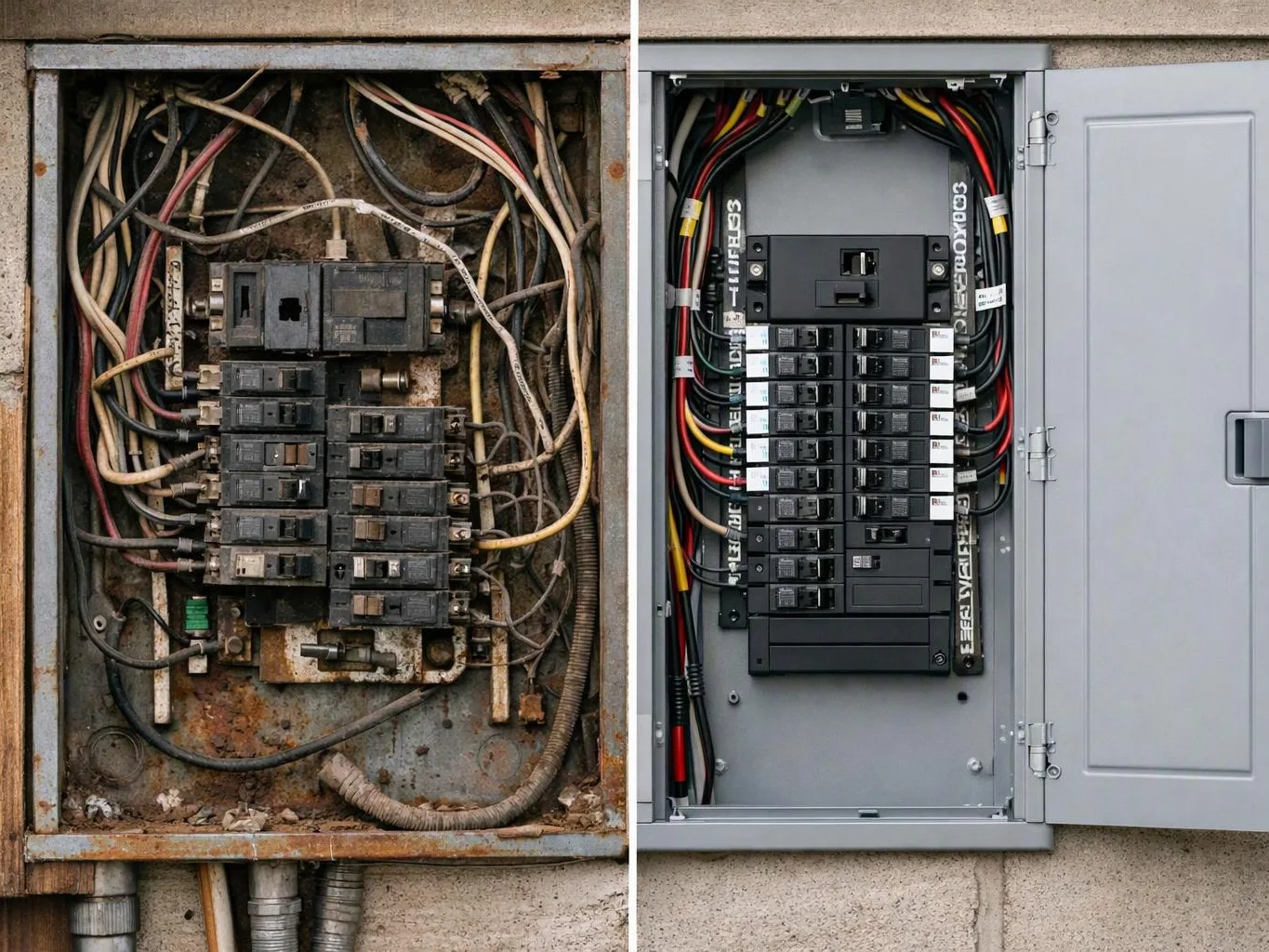
A failing service panel, utility-side fault, grounding problem, or inadequate circuit capacity may need separate electrical work. We identify those conditions during inspection and explain how they relate to the wiring concern. Panel upgrades, grounding correction, and commercial electrical service are available when the property needs a different scope.