Skip to content

Carbon Monoxide Detector Installation in Chino Hills, California

Battery backup gets checked before we install carbon monoxide detectors in Chino Hills. We match the detector type to the property and power setup.

Licensed & InsuredFree EstimatesSame-Day ServiceServing 61 Communities

Quick Summary: Carbon Monoxide Detector Installation in Chino Hills, California

Carbon Monoxide Detector Installation in Chino Hills is provided by Center Electric Service for residential and commercial properties. The work covers detector selection, battery backup checks, mounting, wiring, and testing, with service available through the surrounding Inland Empire area.

  • What we do: Center Electric Service installs carbon monoxide detectors for Chino Hills, California homes and businesses.
  • What is included: Detector selection, battery backup checks, plug-in and hardwired installation, digital display setup, wiring review, and testing.
  • What you get: The property receives a correctly installed detector with a suitable power source and working alarm function.

Why does a carbon monoxide detector keep warning after installation in Chino Hills, California?

A warning can signal carbon monoxide, a low battery, an end-of-life unit, or a wiring problem. Leave the property if the alarm indicates dangerous gas, then request emergency help. We inspect the detector, power source, and nearby wiring to identify the cause before replacing or reconnecting the unit.
Carbon Monoxide Detector Installation in Chino Hills

Carbon monoxide detector installation gives a home or business a dedicated alarm for an invisible, dangerous gas. The job includes choosing a suitable detector, checking the power source, securing the unit, and testing its alarm function.

The main buyer decision is whether the property needs a plug-in detector, a hardwired detector, or a unit with a digital display. Battery backup matters when a detector depends on building power, because the alarm still needs a working power source during an outage.

This service fits properties that need a new detector, a replacement, or a safer power connection. It doesn't replace a full electrical inspection, appliance repair, or investigation of an active carbon monoxide emergency.

  • Confirm whether the property needs a plug-in or hardwired detector.
  • Check the available outlet, circuit, wiring, and mounting point.
  • Review battery backup needs before selecting the detector.
  • Test the alarm and power connection after installation.
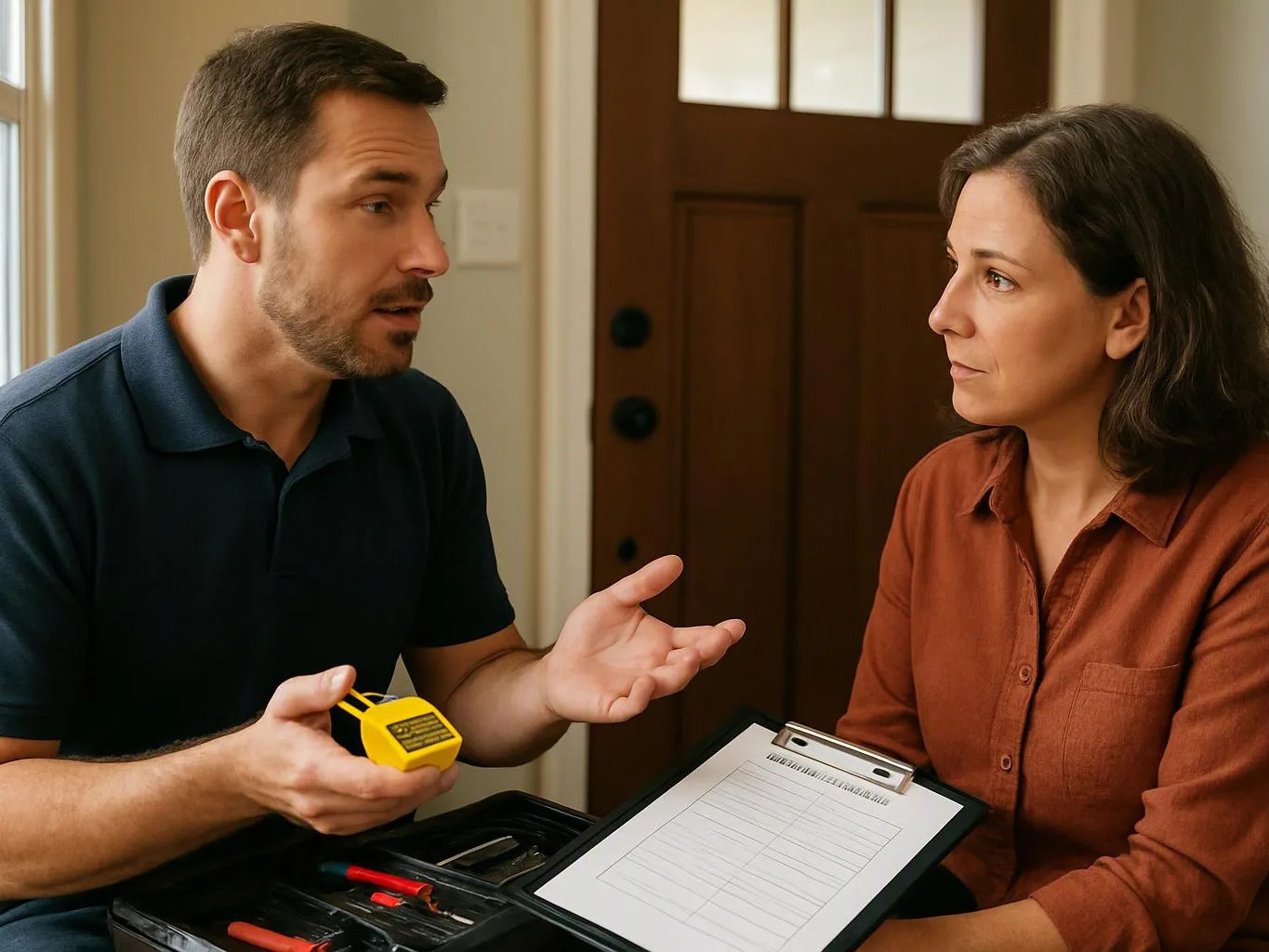
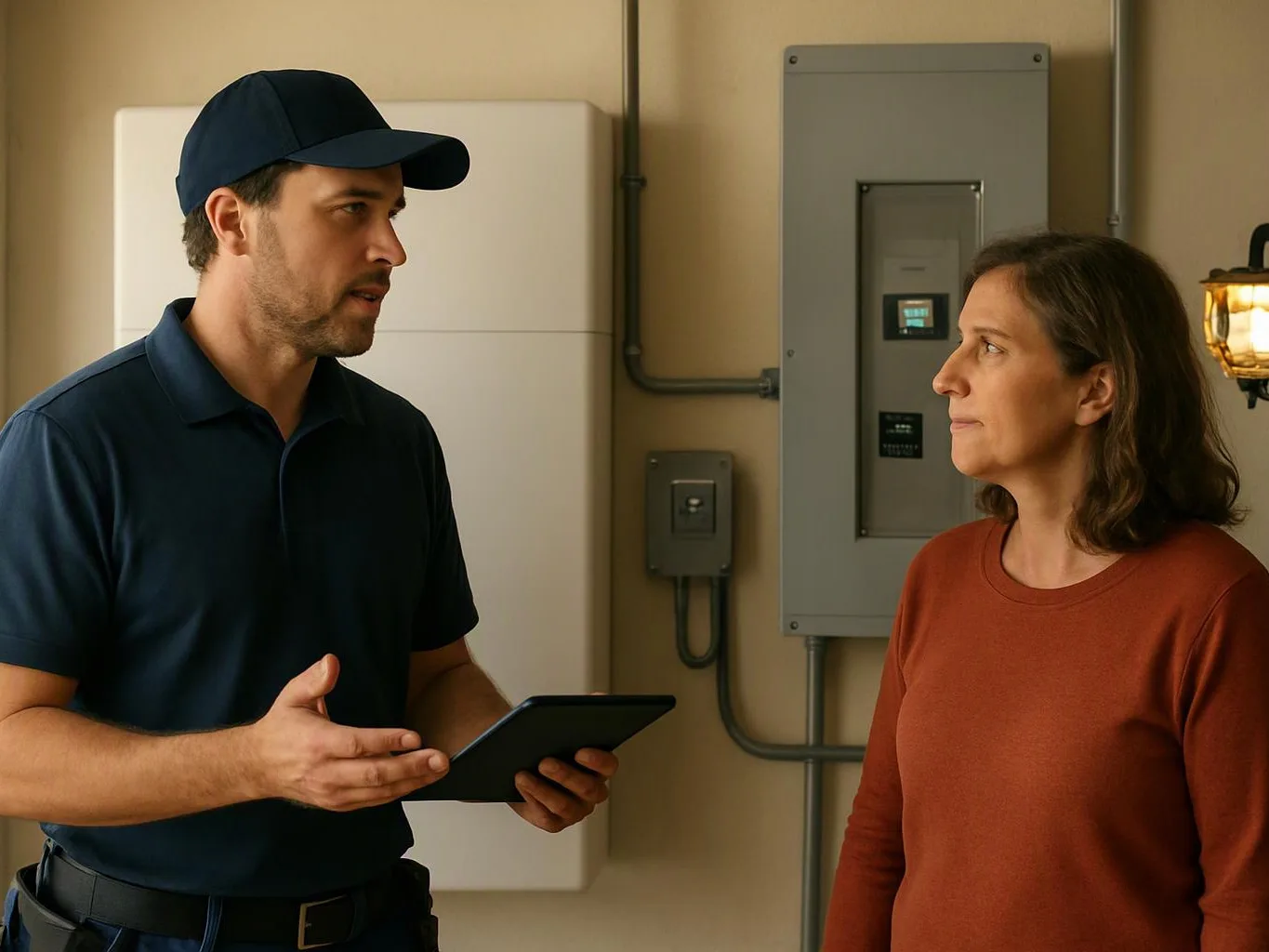
A man in a cap holds a tablet and talks with a woman beside wall electrical panels

Service Overview

Carbon monoxide detector installation is electrical work that places and connects an alarm to warn about carbon monoxide.

  • The work differs from a general electrical inspection because it focuses on detector selection, power, placement, and alarm testing.
  • We provide this service for homes and businesses in Chino Hills and the surrounding Inland Empire.

What a properly installed detector changes

A correctly matched detector gives the property a clear warning system for carbon monoxide.

Battery backup helps maintain alarm power when the building supply fails.

Hardwired installation can provide a fixed connection where the electrical layout supports it.

A digital display gives occupants more information than an alarm sound alone.

Testing after installation confirms that the detector and its power source work together.

What this installation needs from the electrical side

Match the detector to the power source

The power source decides whether a plug-in or hardwired detector fits the property. We check the outlet or circuit before selecting the installation method.

Check battery backup before mounting

Battery backup needs a working battery compartment and a clear replacement path. We check those points before securing the detector.

Know when another service is needed

This service is the wrong job for an active alarm that suggests dangerous carbon monoxide. Leave the property and seek emergency help before any installation work.

Process

How we install and check a carbon monoxide detector

1

Review the property and detector need

We discuss the reason for the installation and inspect the available power source, mounting point, and nearby wiring.

2

Choose the detector power method

We compare a plug-in detector with a hardwired detector based on the property’s electrical layout and the requested battery backup.

3

Prepare the connection and mounting point

The outlet, circuit, or wiring connection is checked before we secure the detector in its selected location.

4

Install the detector and display

We connect the detector, fit the battery backup when included, and set up the digital display when the selected unit has one.

5

Test the alarm and explain operation

We test the power and alarm function, then explain basic use and what to do if the detector warns.

What carbon monoxide detector installation includes

Center Electric Service provides comprehensive Carbon Monoxide Detector Installation in Chino Hills. Here's what you get:

  • We review the property and identify the detector type that fits the power setup.
  • We check the mounting area and the available electrical connection.
  • We install a plug-in detector or hardwired detector when that option suits the property.
  • We connect and check battery backup where the detector uses one.
  • We set up a digital display when the selected detector includes that feature.
  • We test the alarm and explain the basic operation after installation.

Detector choices for this installation

The table compares the main detector options by power method and useful feature.

Detector optionPower connectionUseful feature
Plug-in detectorUses a suitable existing outletSimple access to the power source
Hardwired detectorConnects to building wiringFixed electrical connection
Digital display detectorUses plug-in or hardwired powerShows information on a visible display

The Center Electric Service Standard

  • Urgent Assistance
  • Issue Diagnosis
  • Safety First
  • Clear Recommendations

Questions about carbon monoxide detector installation

What type of carbon monoxide detector should be installed?

Battery backup is the key feature when a detector must keep working during a power outage. We match the unit to the property’s power source.

  • A plug-in detector fits a suitable existing outlet.
  • A hardwired detector fits a supported electrical connection.
  • A digital display adds visible information about the alarm.

The property’s wiring, access, and customer needs decide the final choice.

How is a detector matched to the property before work starts?

The property’s power source and wiring condition determine which detector type fits. We inspect the outlet, circuit, mounting area, and access before installation.

A plug-in unit needs a suitable outlet. A hardwired unit needs a safe electrical connection. Battery backup and a digital display are reviewed as part of the detector choice.

Which condition changes the installation time for a detector?

Wiring access changes the installation time more than the detector itself. We check whether the work uses an existing outlet or needs a hardwired connection.

  • Clear access supports a simpler inspection.
  • Hidden, damaged, or inactive wiring needs more diagnosis.
  • A new connection may require extra electrical work.

We explain the scope after checking the actual property.

What should I ask before agreeing to detector installation?

Ask which detector type fits the power source and how the alarm will be tested after installation. Those answers show whether the proposed work matches the property.

Also ask whether battery backup is included, whether the unit is plug-in or hardwired, and whether a digital display is part of the selected detector. We explain the work before starting.

When should a hardwired detector be replaced instead of repaired?

A hardwired detector should be replaced when the unit has failed, reached the end of its service life, or cannot pass testing after the connection is checked. We inspect the circuit first so a wiring fault isn’t mistaken for a bad detector.

A replacement still needs a power check and alarm test after mounting.

Why does a detector beep even when no gas is present?

A beeping detector may have a low battery, failed sensor, end-of-life warning, or power fault. We identify the beep pattern and inspect the unit before deciding on replacement.

A carbon monoxide alarm can also indicate a dangerous condition. Leave the property if the alarm signals carbon monoxide, and seek emergency help before electrical work begins.

Who installs carbon monoxide detectors for Chino Hills properties?

Center Electric Service installs carbon monoxide detectors for residential and commercial properties in Chino Hills. We handle plug-in and hardwired connections, battery backup checks, digital display setup, and alarm testing.

Our licensed and insured electricians also troubleshoot related power and wiring issues when the detector installation reveals an electrical fault.
Contact

Get a Free Estimate for Detector Installation in Chino Hills

Do you need a carbon monoxide detector installed or checked? Request your free estimate, and urgent requests get priority scheduling.

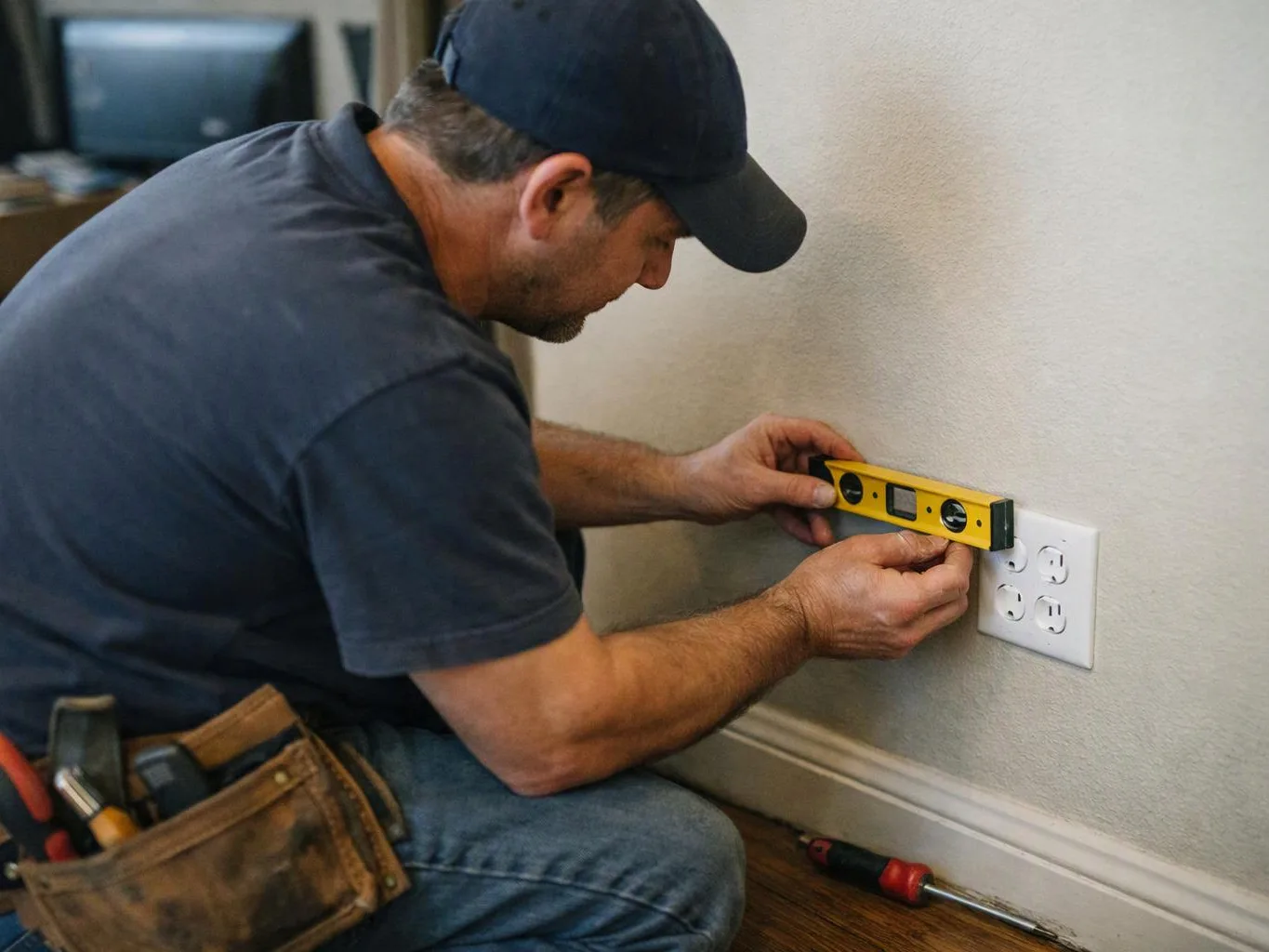
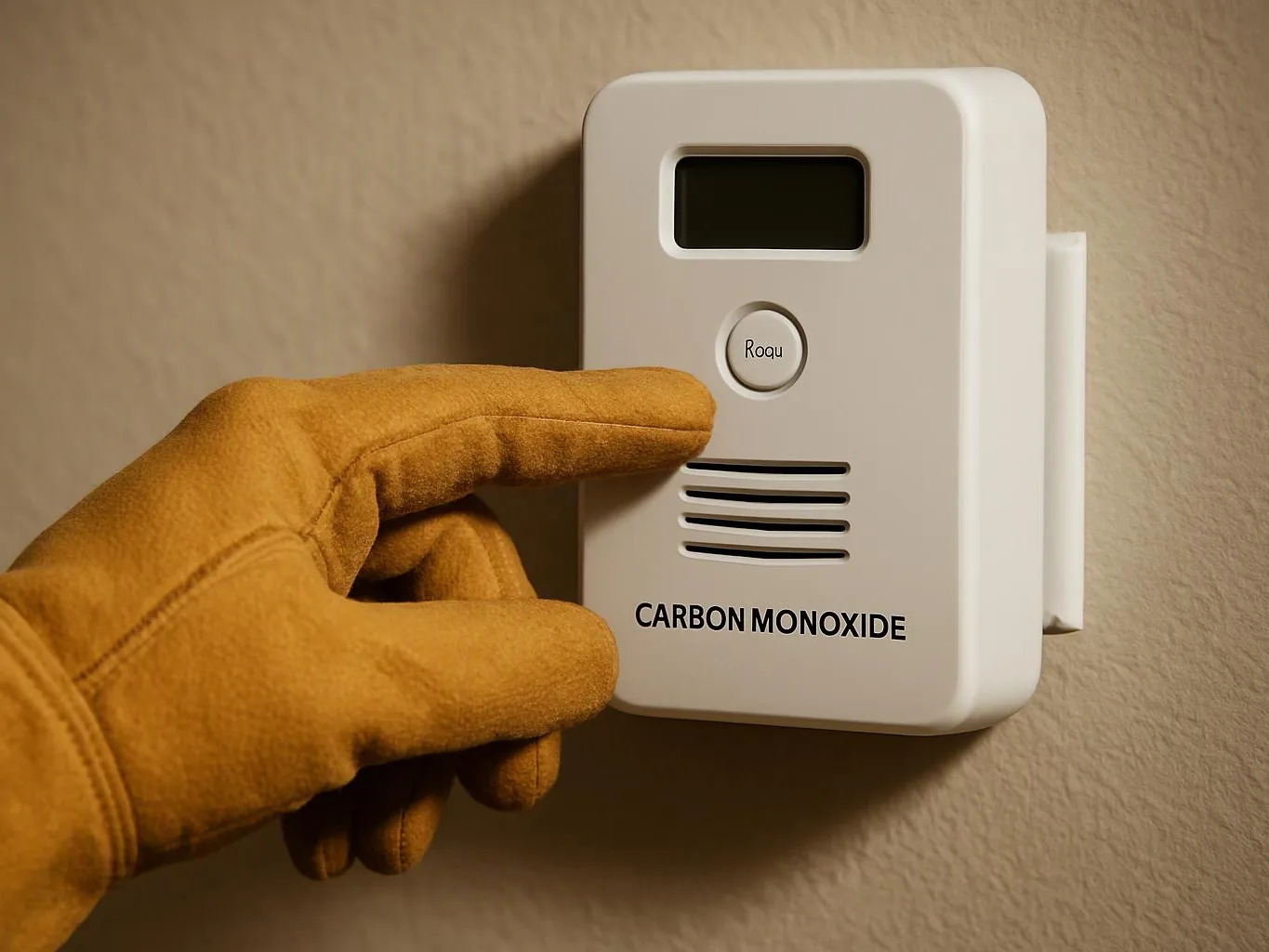
A gloved hand points at a wall-mounted carbon monoxide detector with a small screen and button

ZIP Codes We Serve in Chino Hills, California

91709

Carbon Monoxide Detector Installation in Other Areas

(951) 577-3540