How can an electrical inspection identify fire hazards?
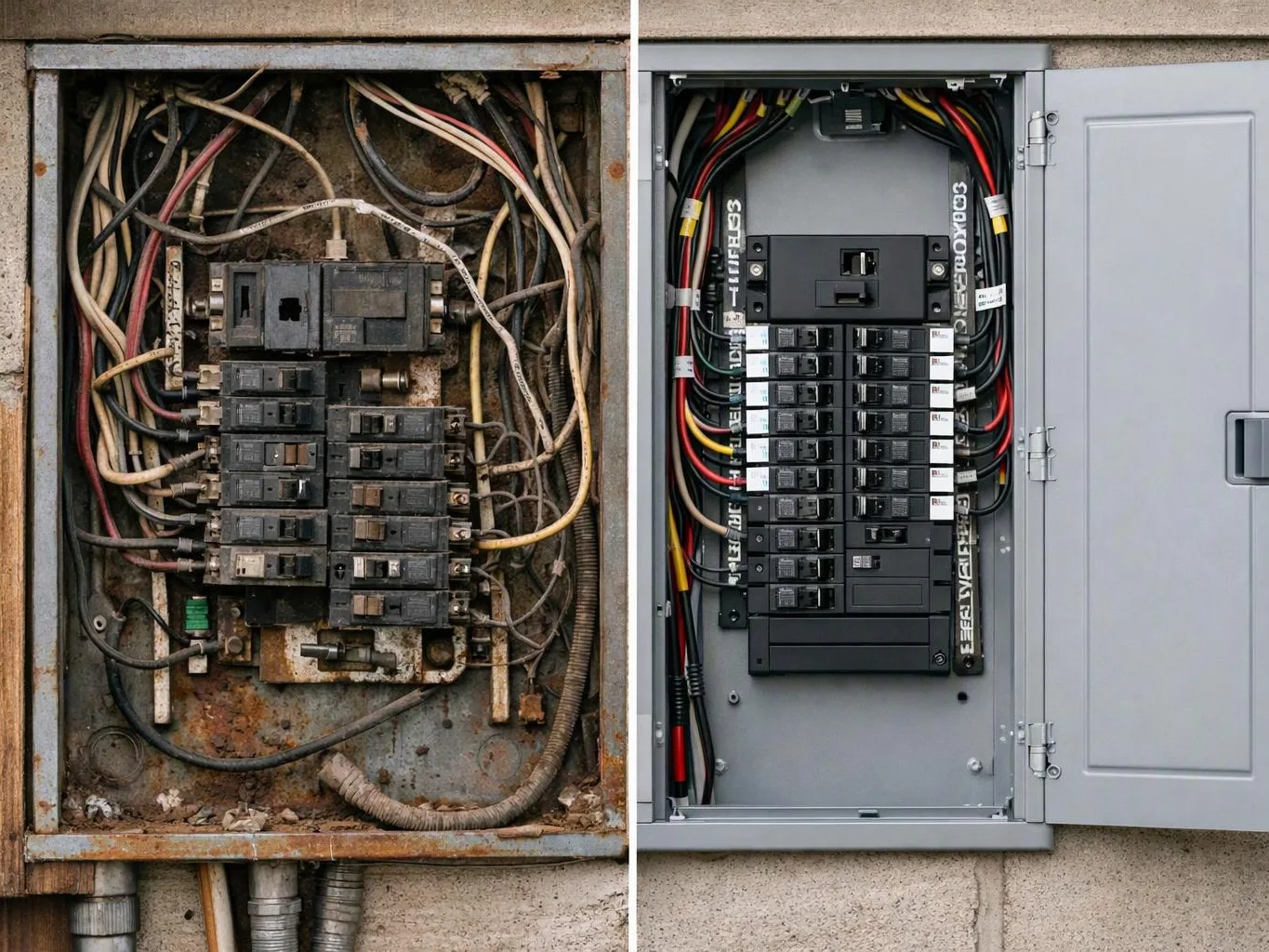
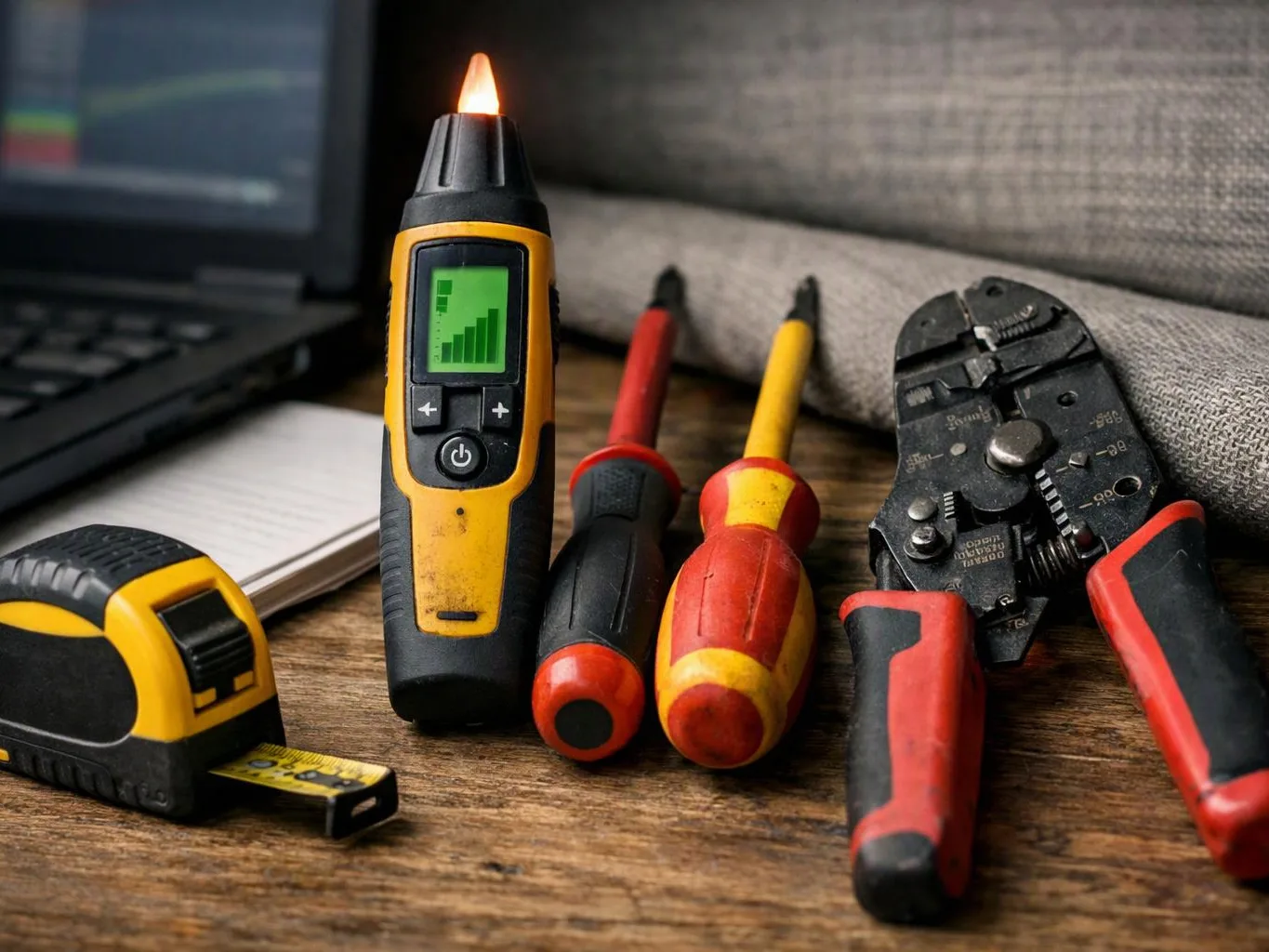
Overheating wires can reveal fire hazards through heat marks, damaged insulation, loose terminals, or excessive circuit load. We inspect the panel and accessible wiring, trace affected circuits, and test devices when needed. Arc-fault signs and repeated breaker trips receive focused attention. The findings show whether the property needs repair, replacement, rewiring, or more testing.
What should be ready before the inspection starts?
Property access to the service panel, outlets, switches, and affected equipment should be ready before work starts. Clear stored items away from the panel and note which devices were running when the problem appeared. Do not remove covers or handle damaged wiring yourself. That information helps us connect the visible symptom with the right circuit.
Which property condition changes the inspection time?
Limited access, hidden wiring, multiple affected circuits, and active electrical faults can change the inspection time. We first make the area safe, then inspect the accessible panel and circuit path. A wider review may be needed when one symptom links to several outlets or when the wiring route cannot be seen directly.
How is the inspection matched to the property?
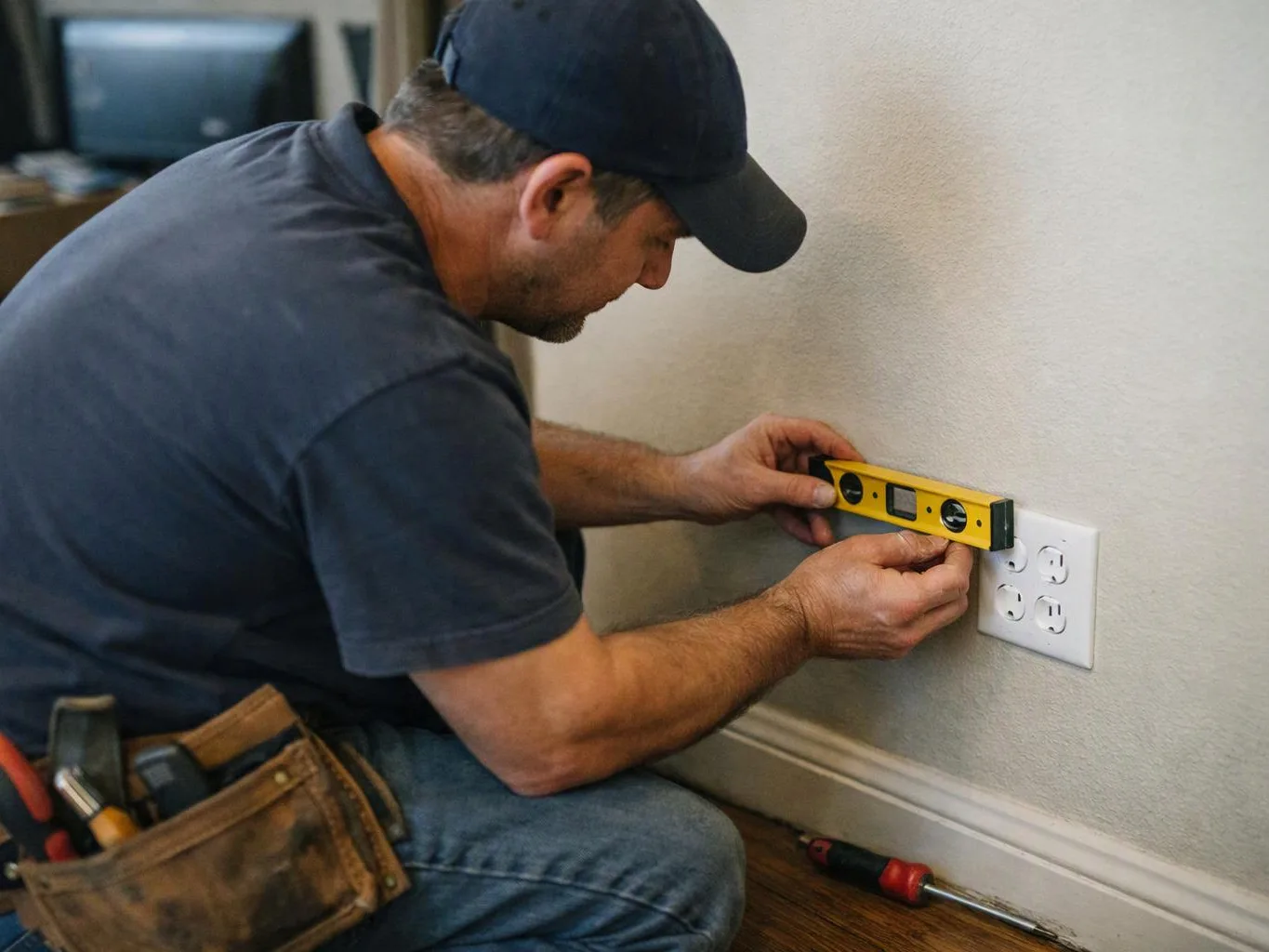
The inspection is matched to the property through its use, electrical equipment, panel layout, reported symptoms, and accessible wiring. A home with a single dead outlet needs a different circuit review than a business with repeated trips across working areas. We set the inspection path after discussing the problem and checking the property.
Why do breakers keep tripping during normal use?
Breakers keep tripping when a circuit has excess load, a fault, a damaged device, or a breaker problem. We identify the affected circuit, review connected equipment, inspect the wiring and terminals, and test the circuit. Repeated resetting can leave the underlying condition unresolved, so the breaker should stay off when heat, smell, or damage is present.
What does a safety inspection deliver after the visit?
The inspection delivers a clear account of observed conditions and the next repair decision. We explain which parts need attention, whether more testing is useful, and whether work may involve a breaker, outlet, wiring, grounding, or panel. The inspection does not replace repair when a damaged component or unsafe circuit requires correction.
Who provides electrical safety inspections for businesses?
Center Electric Service provides electrical safety inspections for businesses and homeowners. We inspect commercial panels, branch circuits, outlets, switches, and accessible wiring based on the property’s use and reported concerns. If the inspection identifies a repair or installation need, we explain that scope separately so the business can plan the next step.