Skip to content

Carbon Monoxide Detector Installation in Corona, California

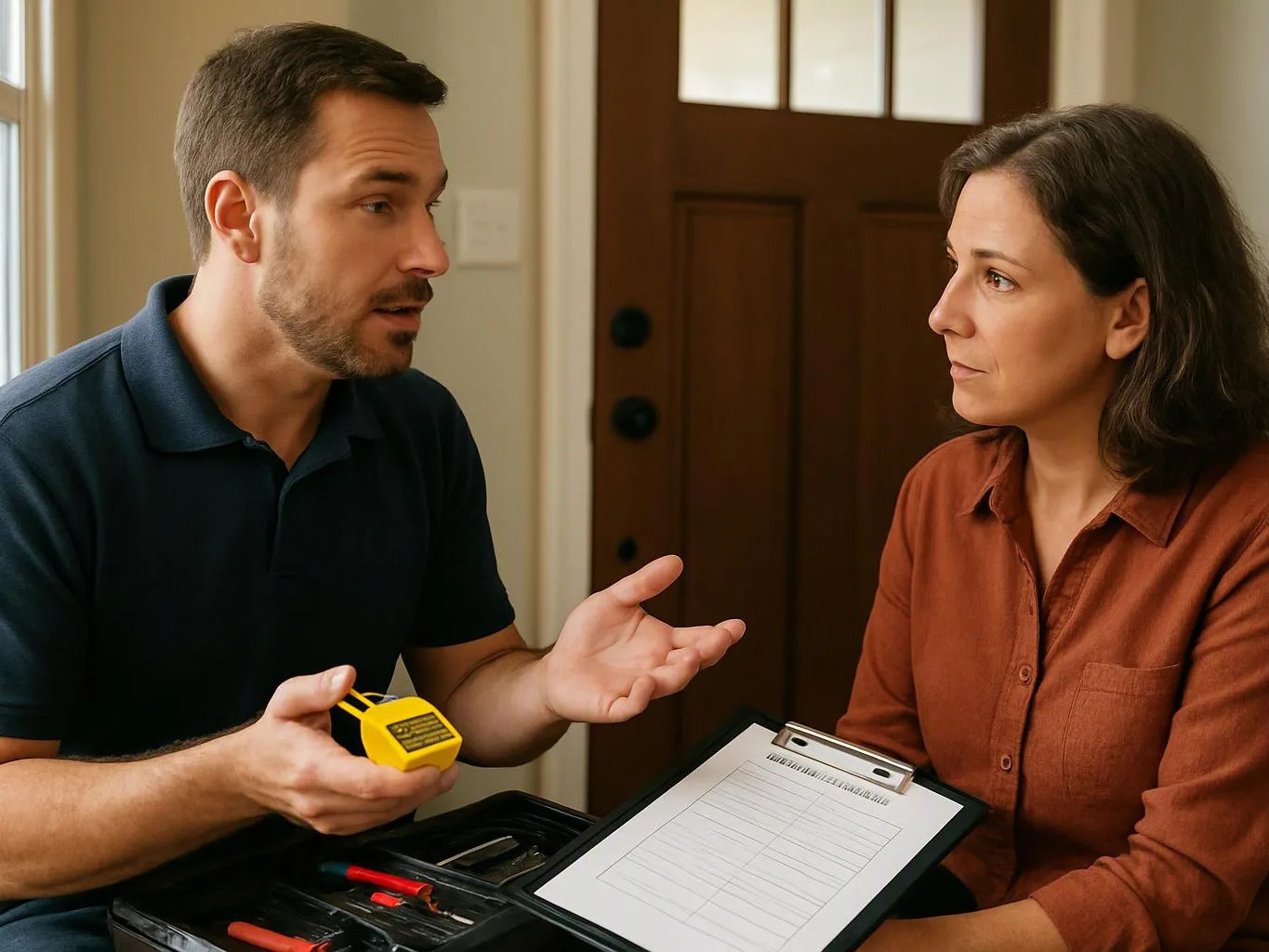
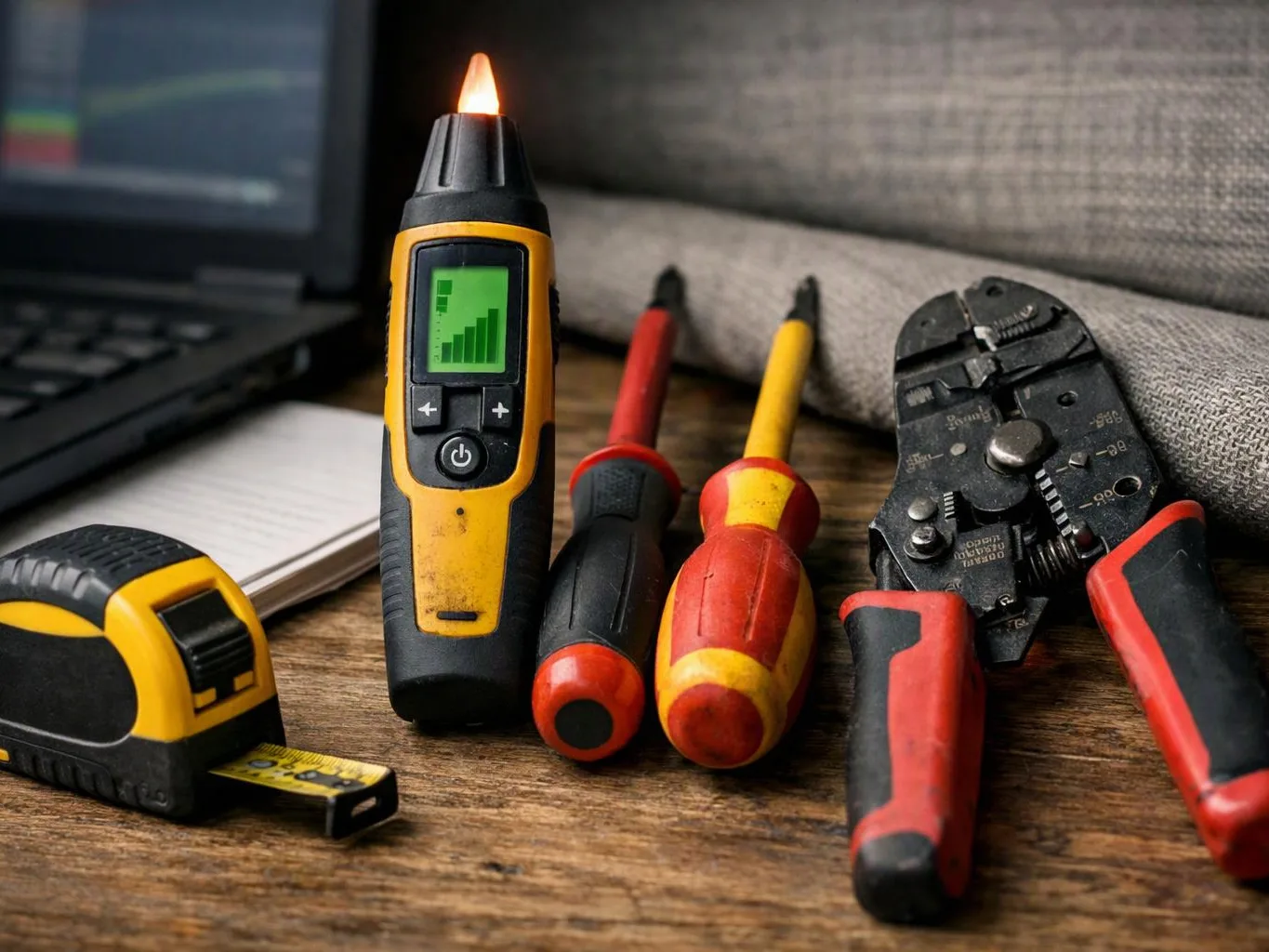
For safe carbon monoxide monitoring, a digital display helps Corona property owners read alarm levels quickly. We match the detector type to the home's wiring and the installation goal.

Licensed & InsuredFree EstimatesSame-Day ServiceServing 61 Communities

Quick Summary: Carbon Monoxide Detector Installation in Corona, California

Carbon monoxide detector installation in Corona is provided by Center Electric Service for homes and businesses, including detector placement, power connection, and testing. Our licensed and insured electricians also provide emergency electrical service throughout Riverside County and the Inland Empire.

  • What we do: Center Electric Service installs carbon monoxide detectors for homes and businesses in Corona, California, with options for plug-in, hardwired, and battery-backed units.
  • What is included: Detector placement, power-source checks, hardwired connections, plug-in setup, battery backup, and alarm testing.
  • What you get: The property receives a correctly connected carbon monoxide alarm that is ready to warn occupants of unsafe gas levels.

Why does my carbon monoxide detector keep beeping in Corona, California?

A carbon monoxide detector may beep because of low battery power, an end-of-life alert, a wiring issue, or detected gas. We identify the alert pattern and inspect the power source before replacing or installing a detector. Leave the property and call emergency services if the alarm signals carbon monoxide, because installation work cannot make an active gas emergency safe.

Carbon Monoxide Detector Installation in Corona, California for Safer Alarm Coverage

Carbon monoxide detector installation gives a home or business a dedicated alarm for a gas that people cannot see or smell. The job suits new construction, remodels, replacement work, and properties with aging or unreliable alarms.

The buyer's main decision is the power method. A plug-in detector works from an outlet, while a hardwired detector connects to the electrical system and may include battery backup. We review access, wiring, detector location, and the owner's preferred setup before giving a quote.

This service does not repair a furnace, water heater, chimney, or gas line. If an alarm is sounding for suspected carbon monoxide, leave first and call emergency services. We handle the electrical installation after the immediate hazard is addressed.

  • Confirm whether the detector will use a plug-in connection, hardwired connection, or battery backup.
  • Check the available outlet, wiring path, mounting surface, and access to the installation area.
  • Identify whether the request is new installation, replacement, relocation, or electrical troubleshooting.
  • Ask for a quote that separates detector work from unrelated repairs.
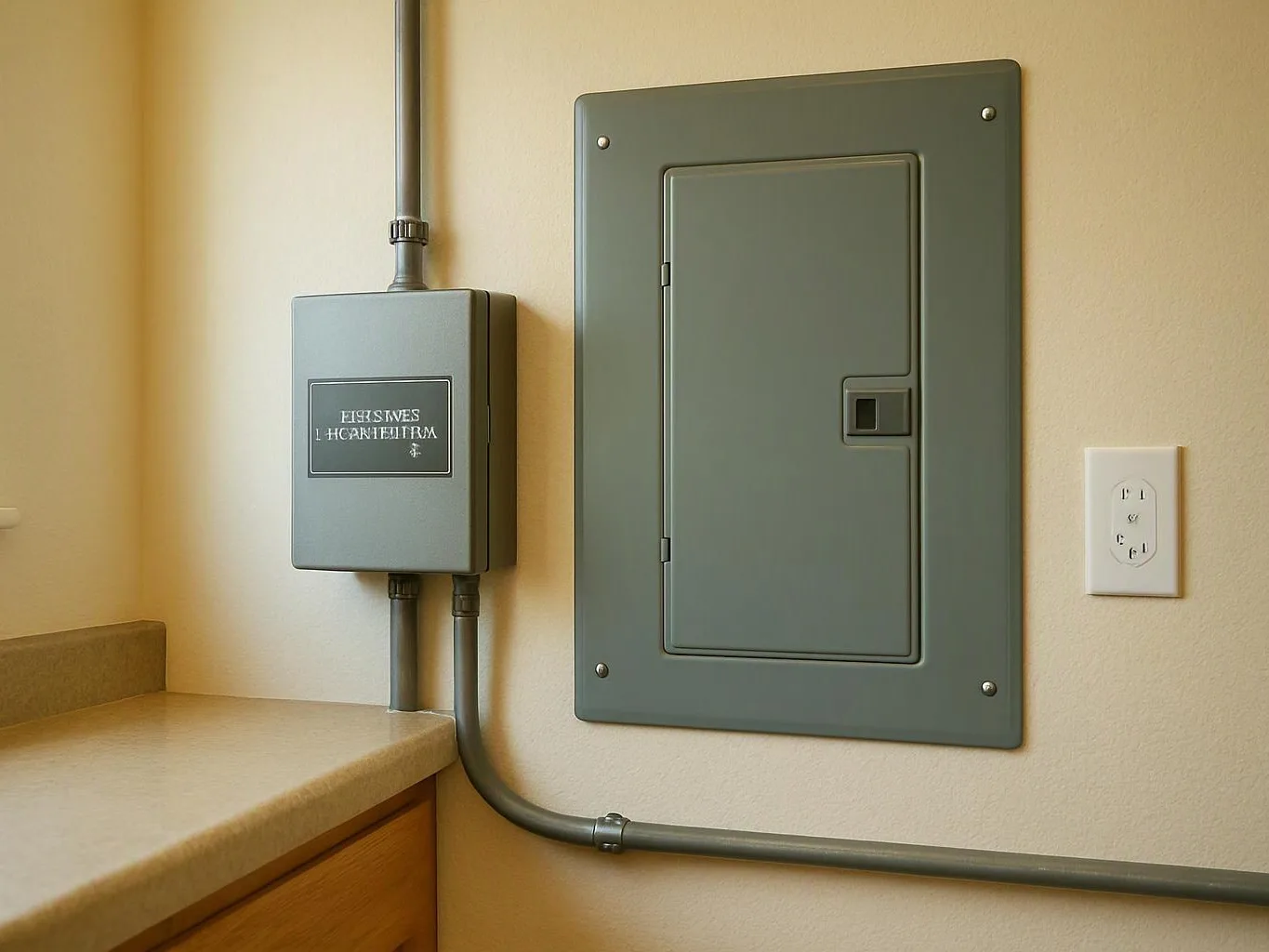
Gray electrical panels and conduit are mounted on a beige wall beside a countertop and outlet

Service Overview

Carbon monoxide detector installation is an electrical service that places and connects an alarm to warn occupants about carbon monoxide.

  • The work differs from general electrical repair because it focuses on alarm placement, power connection, battery backup, and detector readiness.
  • Center Electric Service provides this work for homes and businesses in Corona and the surrounding service area.
Process

How we install and check the detector

1

Review the alarm need

We ask whether the job is a new installation, replacement, relocation, or response to an alert. Active carbon monoxide alarms require evacuation and emergency services first.

2

Inspect the power source

We check the outlet, wiring, mounting surface, and access around the planned detector location.

3

Choose the detector connection

The property owner selects a suitable plug-in or hardwired setup after we explain the power needs and battery backup option.

4

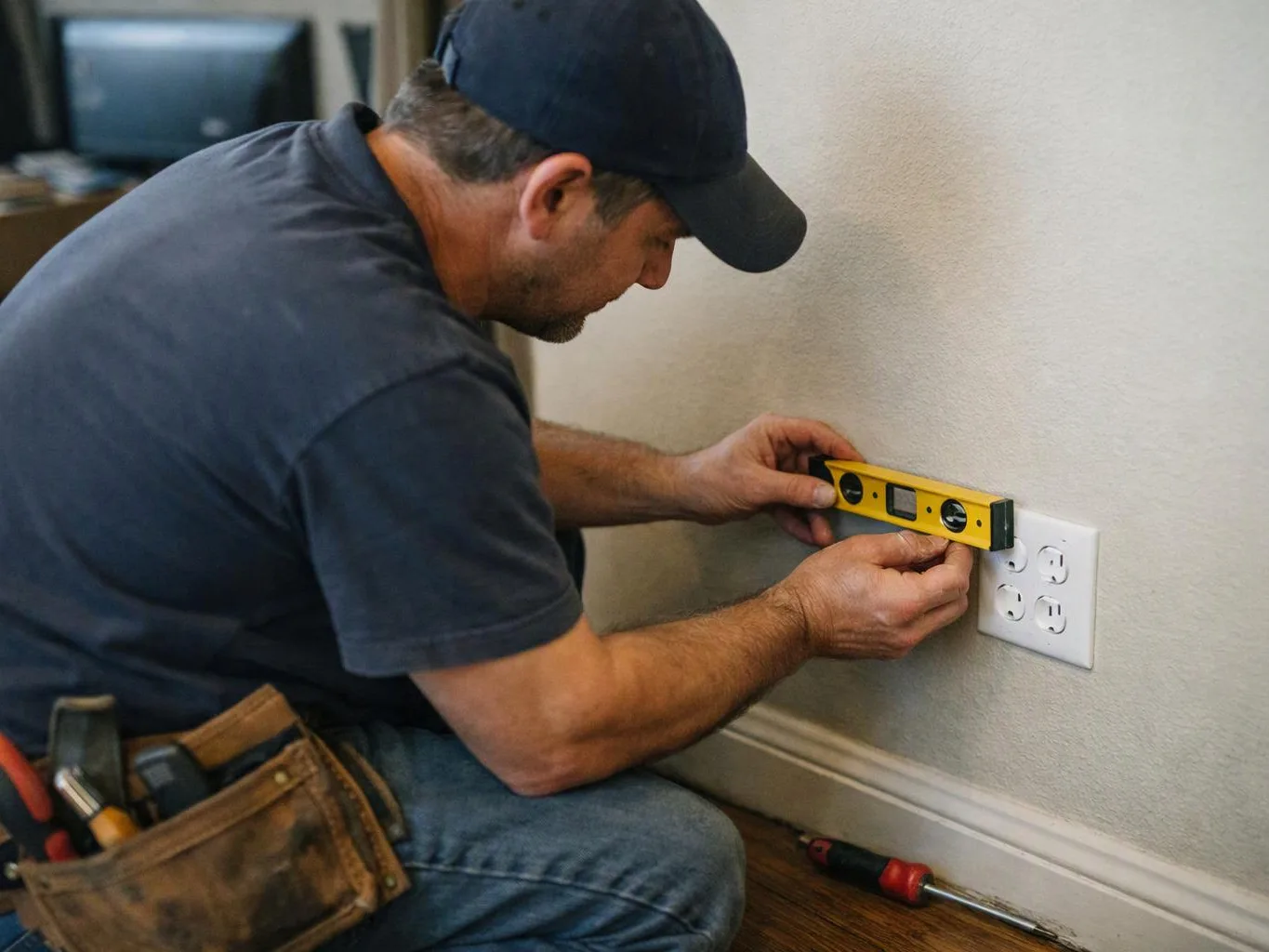
Mount and connect the detector

We secure the detector, connect the approved power source, and keep the wiring protected and accessible.

5

Test the alarm controls

We check the alarm function, display, power status, and battery backup when those features are part of the selected detector.

How we approach this detector work

Match the power method to the property

The outlet, wiring path, access, and selected detector all shape the installation. We explain the fit before work begins, so the buyer can choose a practical setup.

Check the connection and alarm

Our process includes checking the power source, securing the detector, and testing its controls. A display or backup battery must work as part of the complete alarm.

Know when another service is needed

Detector installation is the wrong job for an active carbon monoxide emergency, a faulty gas appliance, or a damaged flue. Leave the property and call emergency services for an active alarm, then request electrical work after the hazard is handled.

Licensed and insured electrical work

Center Electric Service provides licensed and insured electrical service for residential and commercial properties, including detector installation and related wiring work.

A client scenario this service addresses

A typical situation is a home or business replacing an old alarm that no longer shows status or keeps losing power. We inspect the existing connection, identify whether the unit is plug-in or hardwired, and check the backup battery. If the work changes fixed wiring, we review the installation for safe, up-to-code electrical work before explaining the new detector controls.

What the right detector setup changes

A suitable power method helps the detector stay ready when the property loses normal power.

A visible digital display makes alarm readings and status information easier to understand.

A hardwired setup reduces reliance on a loose plug when fixed electrical connection is appropriate.

Battery backup keeps the alarm powered during an outage when the detector supports that feature.

Clear installation notes help homeowners, tenants, and property managers understand the detector's controls.

What carbon monoxide detector installation includes

Center Electric Service provides comprehensive Carbon Monoxide Detector Installation in Corona. Here's what you get:

  • We inspect the proposed detector location and check access to the power source.
  • We install a plug-in detector when an accessible outlet suits the property and selected equipment.
  • We connect a hardwired detector to the electrical system when that setup fits the job.
  • We add or check battery backup where the selected detector uses backup power.
  • We secure the detector and check its alarm function after installation.
  • We explain the controls, alerts, and basic care needed for the installed detector.

Choosing a detector power method

These options differ by power source, wiring needs, and backup requirements.

Detector optionPower and installation pointKey decision
Plug-in detectorUses an accessible electrical outletBest when outlet access suits the planned location
Hardwired detectorConnects to fixed electrical wiringBest when a fixed connection fits the property
Battery backupSupports continued power during an outageUseful when the selected detector includes backup support

The Center Electric Service Standard

  • Urgent Assistance
  • Issue Diagnosis
  • Safety First
  • Clear Recommendations

Questions about detector installation and alarm choices

Which carbon monoxide detector type should be installed?

A digital display is a strong choice when occupants need quick status information. Plug-in detectors suit accessible outlets, while hardwired detectors fit properties needing a fixed connection. Battery backup adds power protection during outages when the detector supports it. Center Electric Service reviews the wiring, outlet access, detector location, and property needs before recommending the installation approach.

What does the crew look at first during detector installation?

The first check covers the proposed location and its power source. We inspect the outlet or wiring, mounting surface, access, and condition of any existing detector. That review shows whether the job is a simple replacement, a plug-in setup, or a hardwired installation that needs electrical work before the detector is connected.

How does a hardwired detector differ from a plug-in detector?

A hardwired detector connects to fixed electrical wiring, while a plug-in detector uses an existing outlet. Hardwired work requires access to the electrical connection and careful testing after installation. Plug-in work still requires an outlet check and secure placement. We explain both options before the property owner selects the setup.

When should battery backup be added to a detector?

Battery backup should be used when the selected detector supports it and continued alarm power matters during outages. We check the battery compartment, power status, and test controls during installation. Backup power does not replace a sound hardwired connection or fix a gas appliance problem.

What should be checked before installation is scheduled?

The existing detector, power source, installation area, and alert pattern should be checked first. Photos of the detector and nearby outlet or wiring can help us understand access before quoting the work. If the alarm signals active carbon monoxide, occupants should leave and call emergency services before scheduling installation.

Why does a detector beep after the battery is changed?

A detector may keep beeping because of an end-of-life alert, a wiring fault, a sensor issue, or another alarm condition. We identify the beep pattern and inspect the power connection before choosing replacement or repair. A battery change alone does not resolve every detector warning.
Contact

Request A Carbon Monoxide Detector Installation Estimate

Share your detector type, property details, and wiring concern for a clear estimate. Urgent requests get priority scheduling.

A man in a garage holds a clipboard beside an open engine, smiling at the camera

ZIP Codes We Serve in Corona, California

92877928789287992880928819288292883

Carbon Monoxide Detector Installation in Other Areas

(951) 577-3540